Storia
Inspiration
Mary J. Blige’s interest in creating wine grew from her long-standing preference for white wines distinguished by freshness, minerality and purity. Pinot Grigio was among her favorite varieties. After asking a friend where the finest examples came from, she began exploring Friuli Venezia Giulia and was introduced to Marco Fantinel, an owner and third-generation representative of the Fantinel wine company.
Photographs first drew Blige to the Fantinel estate. She subsequently travelled to Friuli Venezia Giulia, walked through its vineyards and tasted with the Fantinel family. Her connection with both the landscape and the family led her to create her own wines in partnership with Marco Fantinel.
The Sun Goddess identity
The name comes from Blige’s childhood attachment to the sun. She remembers trying to absorb its warmth and energy, an experience that felt magical to her, and being called “Sun Goddess” by her mother. She chose the name because it links this personal memory with nature, the character of the wines she enjoys and the combined style of Blige and Fantinel.
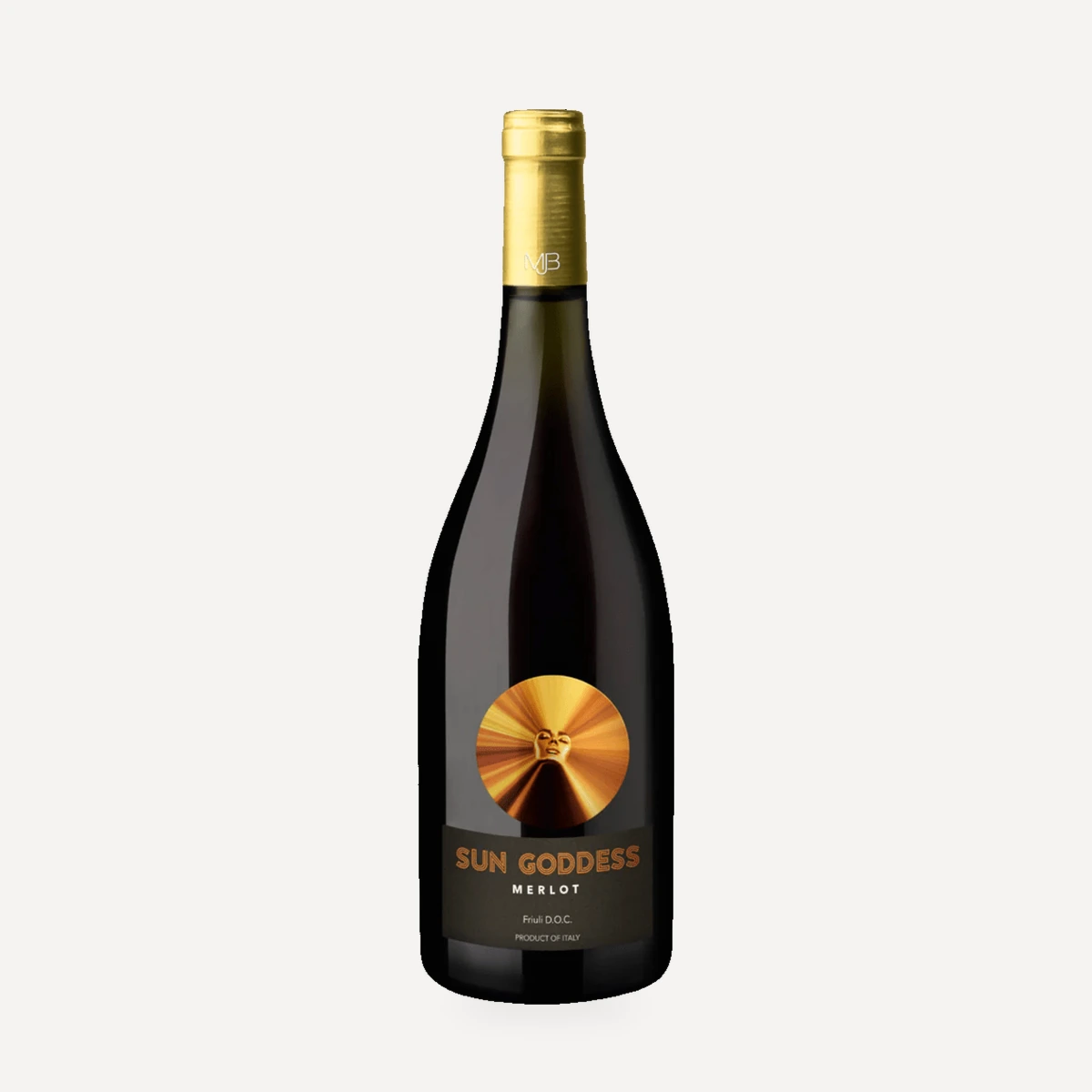
The collection was initially presented around Italian Pinot Grigio Ramato and Sauvignon Blanc. Its current range also encompasses Prosecco and Merlot, drawing on Fantinel-family vineyards in Friuli Venezia Giulia. A dedicated Sun Goddess Prosecco announcement appeared on 22 March 2022.
Terroir
Sun Goddess is produced from Fantinel-family vineyards in Friuli Venezia Giulia in northeastern Italy. The technical origin given for the Friuli DOC wines is the estate at Tauriano di Spilimbergo, in the province of Pordenone. These vineyards lie at approximately 120 metres above sea level, at the foothills of the Dolomite mountains, and have a south-facing exposure.
The estate occupies part of the upper Friulian plain, only a short distance from the mountains. Gravel and a stony surface characterize the vineyard ground. Pronounced differences between daytime and nighttime temperatures support acidity and aromatic development in the grapes. The resulting primary aromatic profile is associated with floral and fruit expression, while the mineral-rich terroir is linked to structure, complexity and length.
The combination of proximity to the mountains, stony terrain and marked diurnal temperature variation is especially important to the estate’s sparkling-wine production. Across the collection, the vineyards’ particular microclimate and mineral character are treated as central to ripening and varietal expression.
Vinificazione
All four varieties are grown on Guyot-trained vines averaging 25 years of age. Planting density is approximately 5,000 vines per hectare for Pinot Grigio, Sauvignon Blanc and Merlot and 4,000 vines per hectare for Glera. Current stated yields are 13 tonnes per hectare for the Friuli DOC varieties and 15 tonnes per hectare for Glera.
Harvest timing follows physiological ripeness. Pinot Grigio, Sauvignon Blanc and Glera are normally picked at the beginning of September, while Merlot is normally harvested in late September. No certified organic, biodynamic or other formal farming regime is identified.
The collection uses several distinct techniques adapted to its four grape varieties, without a single standardized vinification.
Pinot Grigio Ramato undergoes several hours of cold skin contact, which extracts its natural copper-pink coloration. Fermentation and maturation then take place in temperature-controlled stainless-steel tanks. Sauvignon Blanc is likewise fermented and matured under temperature control in stainless steel.
For Prosecco, the base wine completes an initial fermentation before entering small stainless-steel autoclaves for its secondary sparkling process by the Charmat method.
Part of the Merlot crop is dried through appassimento to build a rounder, fruit-driven structure. The grapes are destemmed and fermented in stainless steel, followed by maceration and racking. A portion of the wine matures in oak barrels, after which bottle ageing provides further integration and balance.
Filosofia
Sun Goddess joins Mary J. Blige’s personal relationship with wine to Fantinel’s Friulian viticultural background. For Blige, wine encompasses culture, community, lifestyle and emotion. Her stated preferences center on freshness, minerality and purity, while the project’s name connects her childhood memories with nature and the personality of the wines she enjoys.
The production partnership emphasizes vineyards and terroir rather than a detached brand style. Fantinel’s contribution is framed through respect for tradition, a terroir-led pursuit of quality and attachment to the land. The intended result is a collection that combines Blige’s taste and identity with Fantinel’s approach to Friulian grape growing and winemaking.
Vini
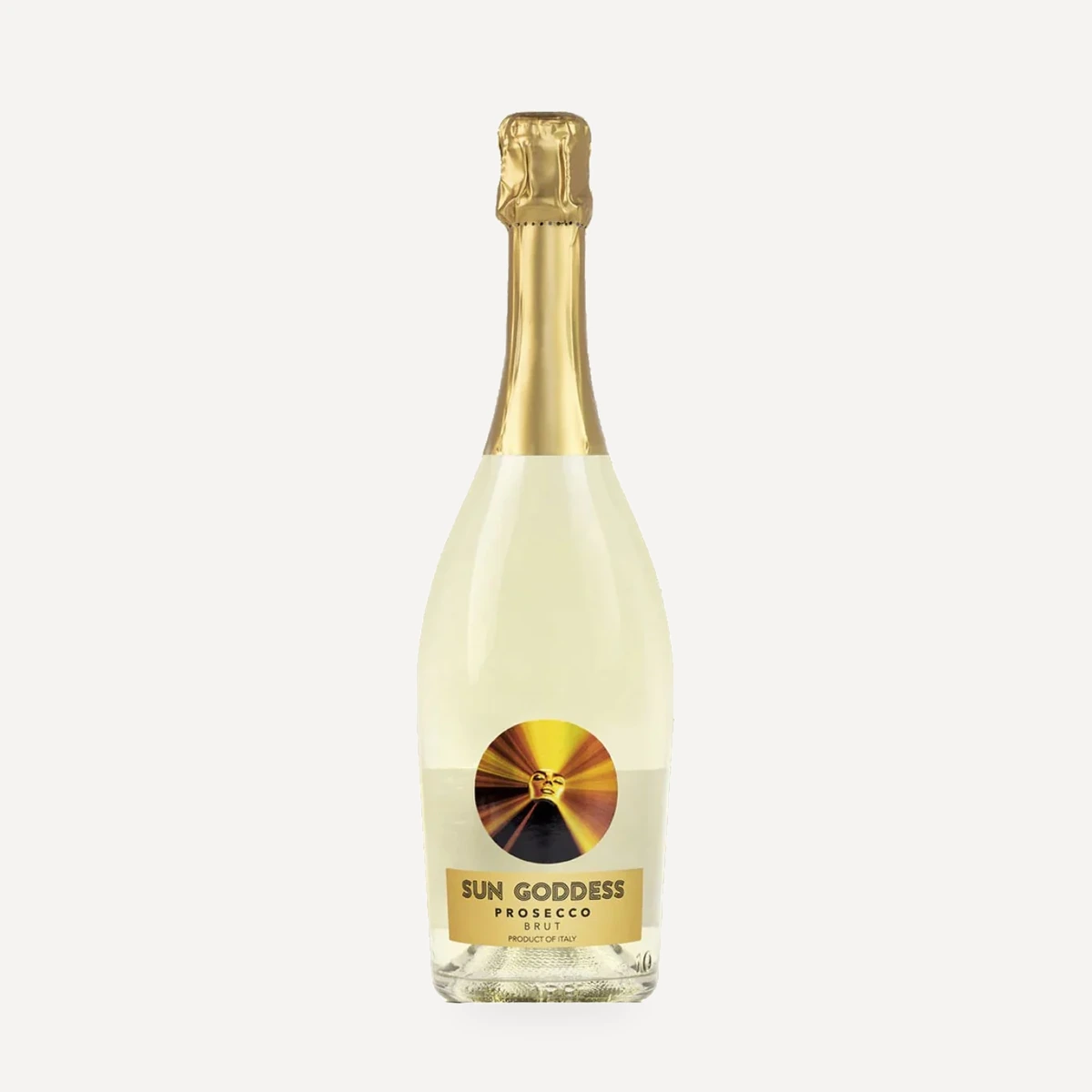
Sun Goddess Prosecco
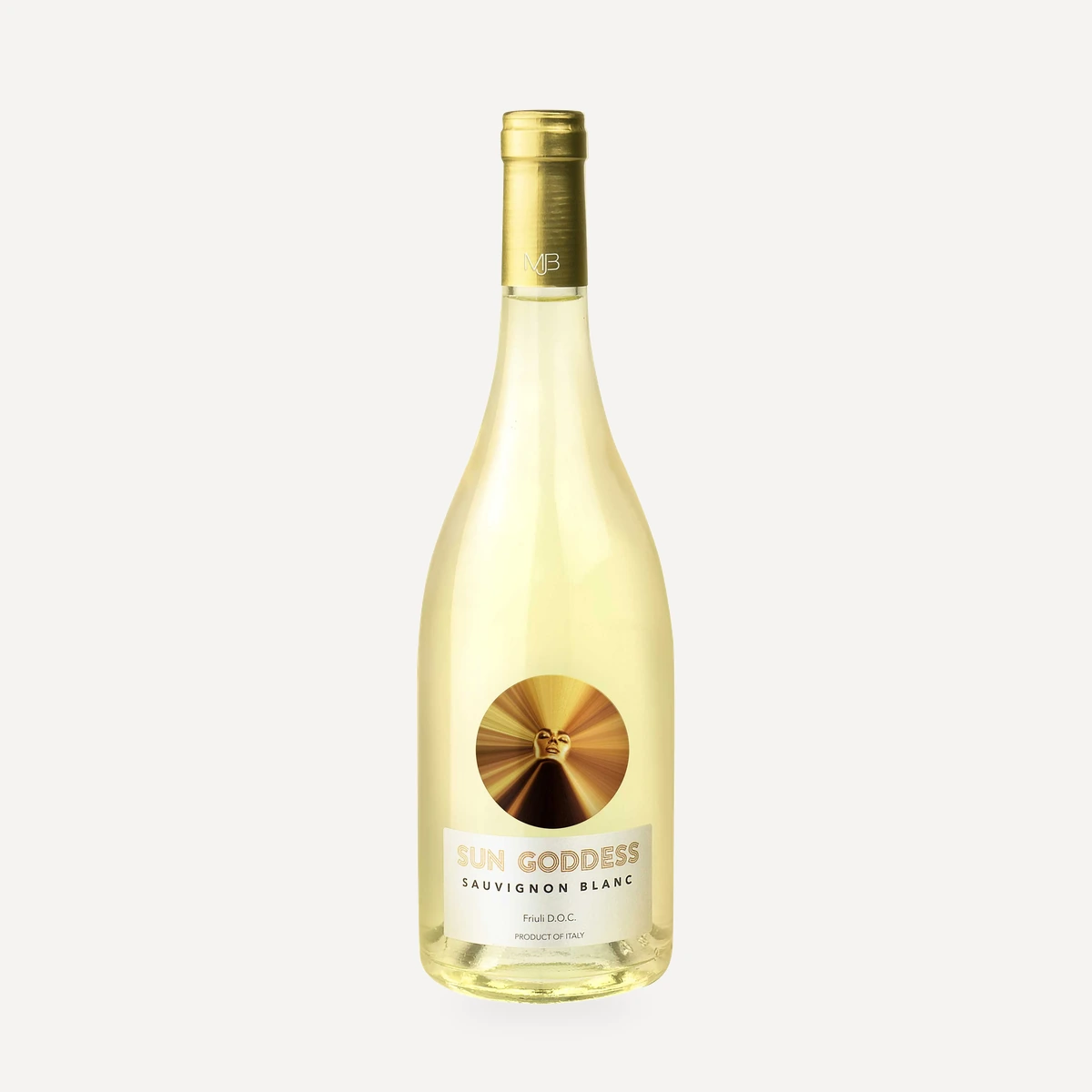
Sun Goddess Sauvignon Blanc