Barolo vineyards lead Italy’s agricultural land values at up to €2,300,000 per hectare
Preliminary results from CREA’s 2025 Italian land-market survey put Barolo DOCG vineyards at the top of the country’s agricultural property rankings, followed by vineyards around Lake Caldaro and the Tuscan denominations of Bolgheri and Brunello di Montalcino.
Italy’s most valuable vineyards
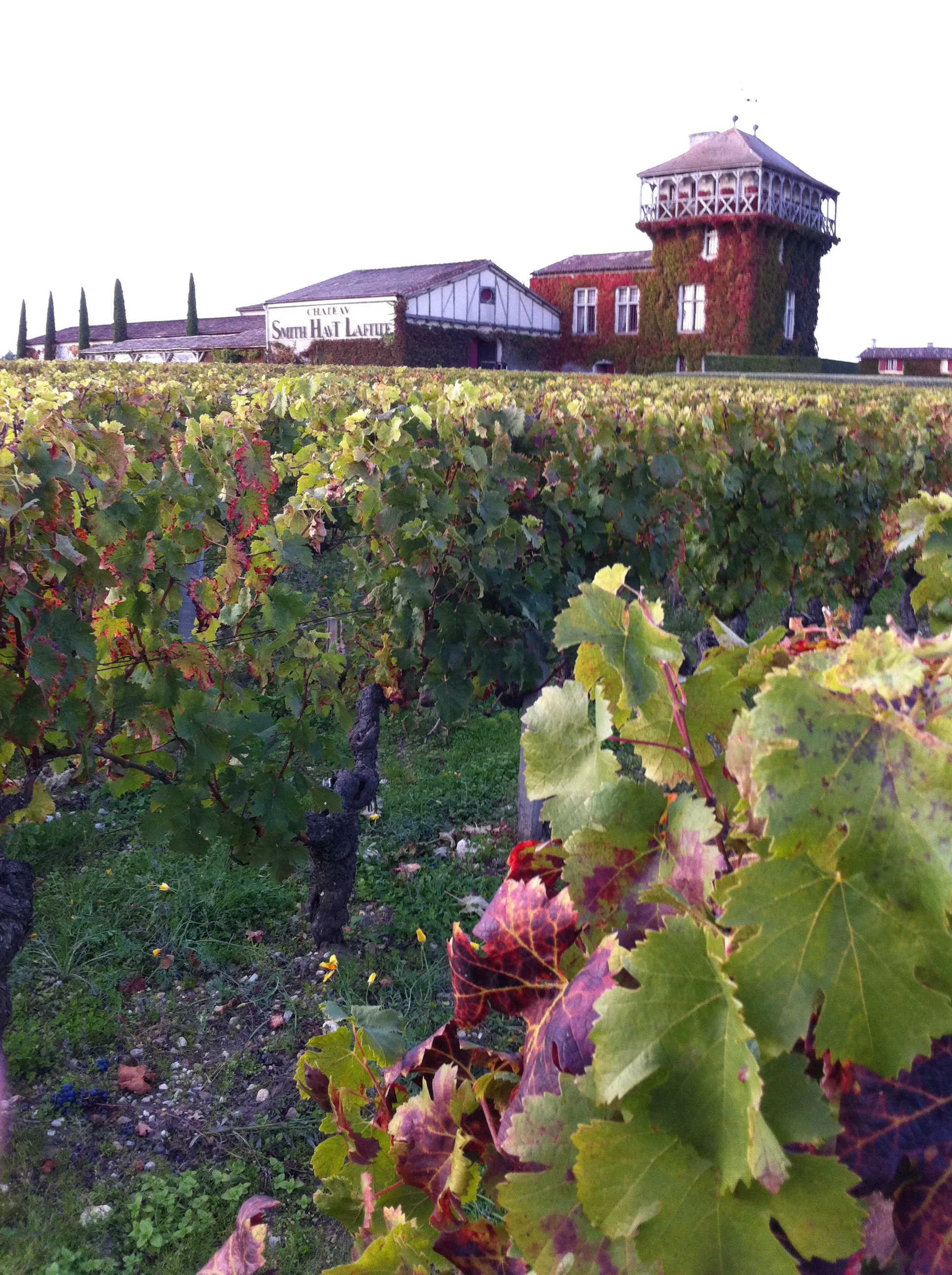
Preliminary findings from the Annual Survey of the Italian Land Market, conducted for 2025 by CREA through its Center for Policies and Bioeconomy with support from Conaf, indicate that upper-end land values are holding firm in Italy’s leading wine regions despite the challenges facing the wine market. Data reviewed by WineNews place vineyards in the Barolo DOCG area of the Lower Langhe around Alba first, at an estimated €350,000 to €2,300,000 per hectare.1
South Tyrol DOC vineyards around Lake Caldaro, or Kaltern, rank next at €600,000 to €1,100,000 per hectare. Their lower estimate of €600,000 is the highest minimum recorded among the surveyed vineyard areas. Bolgheri DOC and Brunello di Montalcino DOCG share third place with maximum values of €1,000,000 per hectare; their respective ranges begin at €300,000 and €250,000 per hectare.1
The national agricultural land market
CREA’s preliminary report says Italy’s agricultural land-sales market regained momentum in 2025, although the pace varied geographically. Average values increased by 0.9%, bringing the national average close to €23,000 per hectare. The regional divide remained pronounced: the average reached €48,900 per hectare in North-Eastern Italy but was €8,600 on the Islands. The most valuable land is generally found in lowland areas, with specialized production zones such as vineyards providing notable exceptions.1
The national top 10 across all agricultural sectors also includes apple orchards in Val Venosta, valued at €430,000–€720,000 per hectare, and the Adige Valley, at €380,000–€570,000; Valdobbiadene vineyards used for Prosecco DOCG, at €300,000–€550,000; and DOC vineyards in Lower Val Venosta and the Isarco Valley near Bressanone, each at €300,000–€500,000. Irrigated horticultural and floricultural land on Liguria’s Albenga Plain is valued at €280,000–€500,000 per hectare.1
Values in other Italian wine regions
Vineyards north of Trento, largely used for Trentodoc production, are valued at €230,000–€450,000 per hectare. Asolo Hills DOCG vineyards, also mainly devoted to Prosecco, range from €300,000 to €400,000. Saint-Christophe DOC vineyards in the Aosta Valley and Collina Bresciana DOC vineyards in Lombardy are each estimated at €150,000–€300,000 per hectare.1
Chianti Classico DOCG vineyards in the Florence area range from €90,000 to €210,000 per hectare, compared with €90,000–€150,000 on the Siena side. Bergamo Hills DOC vineyards are valued at €120,000–€200,000, Valtellina DOC at €105,000–€171,000, lowland vineyards in the Lower Piave area at €65,000–€150,000, and Collio DOC vineyards in Friuli-Venezia Giulia at €60,000–€140,000 per hectare.1
Sales and rental conditions
The report describes supply and demand for sales as broadly balanced, with demand slightly stronger and transaction numbers stable. Farmers account for most purchases, while sellers are mainly people leaving agriculture and owners who inherited land but do not intend to cultivate it. Decisions are also being shaped by the 2023–2027 Common Agricultural Policy measures and growing demand for sites suitable for renewable-energy installations.1
CREA reports an overall stable rental market, with rates largely unchanged except for increases in the most productive areas. Demand is becoming more selective and favors irrigated, consolidated, accessible and mechanisable properties, together with land for specialized crops. It comes principally from well-structured farms, livestock businesses and agricultural contractors, while marginal land is increasingly difficult to lease. The closure of small farms and insufficient generational renewal continue to increase supply.1
Regional rental patterns differ substantially. Demand in Northern Italy is strongest in irrigated plains and livestock districts; Southern Italy has a less active market and more abundant supply in inland areas. Market participants expect no major overall change, although more than 40% foresee an increase in available land, chiefly because farms in marginal areas will close. The rental market is likewise expected to remain broadly continuous, with demand concentrating further on land offering the greatest productive potential.1
Sources
Written by the Dionysus editors from the sources above.