Beaujolais nouveau 2026 arrives after a historically early harvest
Beaujolais nouveau returned overnight on 19 November 2026 after a historically early harvest. The harvest was expected to fall by 25–30% for a 2nd consecutive year as extreme heat concentrated grapes and cut volume. Inter Beaujolais president Sébastien Kargul described the 2026 wine as fruity and fresh.
Midnight celebration
At midnight French time on the 3rd Thursday of November, a barrel of new wine is traditionally tapped in Beaujeu, which hosts the 5-day Sarmentelles celebration.1
In Lyon, barrels arrived on vintage tractors amid brass bands and a torchlit walk. Young Rhône winegrowers reached city hall at Place des Terreaux to unveil their cuvées during the night. The tradition dates to 1997.1
A market under pressure
France was the main market in 2025, taking 9 million of the 13.8 million bottles of Beaujolais nouveau sold. Japan and the United States were the top 2 importers; the trade body reported encouraging signs in Eastern Europe and Asia.1
Beaujolais wine sales had declined by 3–5% a year since Covid-19, with the fall accelerating to 8% in 2026. Inter Beaujolais president Sébastien Kargul said Gamay’s fruitiness, light body and accessibility matched current preferences and helped cushion declining consumption.1
Inter Beaujolais data, which the source said should be treated cautiously, put sales at 15.5 million bottles in 2023, 14.3 million in 2024 and 13.8 million in 2025. In 2016, 25 million bottles were opened.1
Heat and a smaller harvest
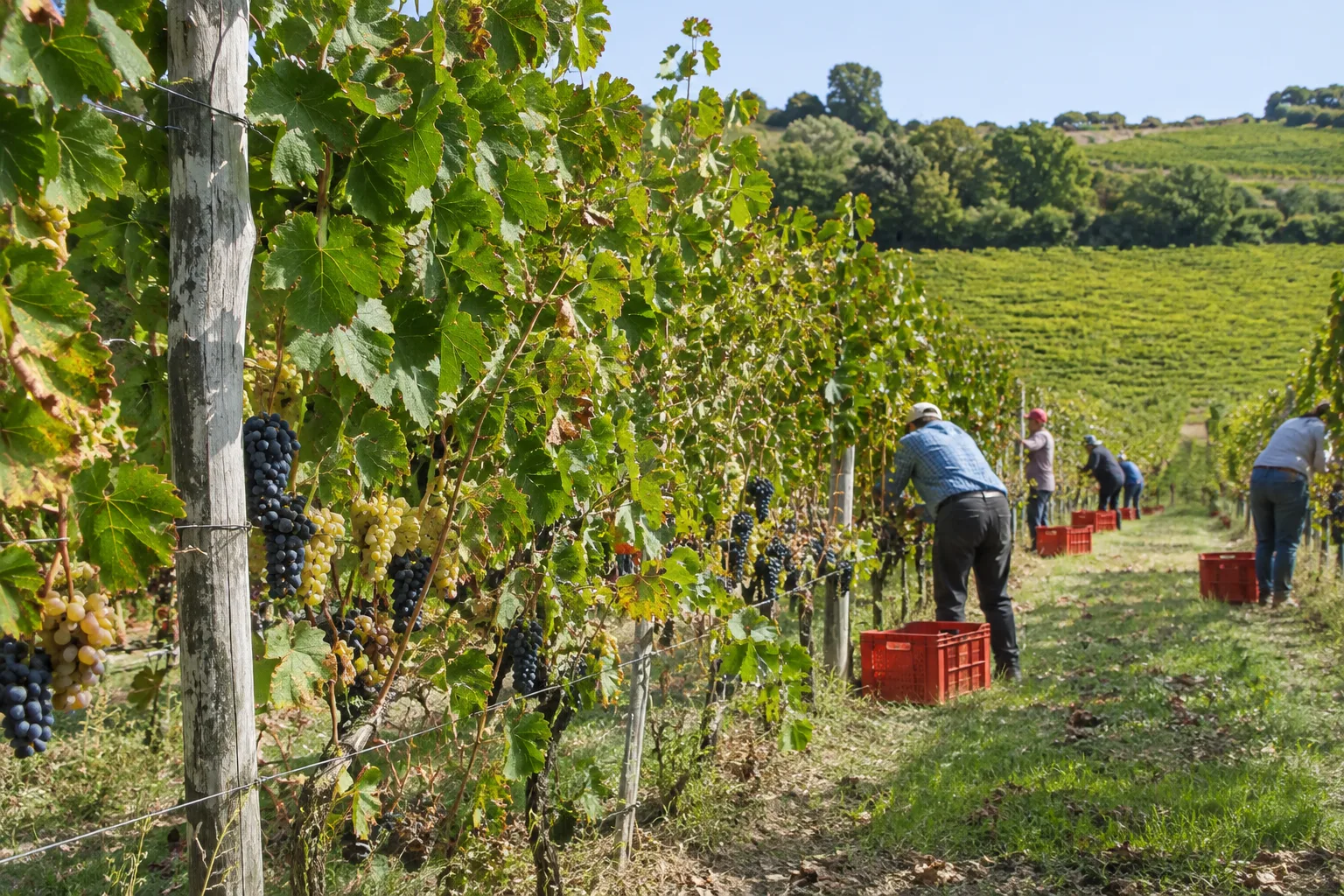
The harvest was expected to fall by 25–30% for the 2nd consecutive year. After 2 hail-affected years, France experienced several heatwaves in summer 2026. Winegrower Yannick de Vermont said vineyard temperatures sometimes exceeded 40°C, concentrating grapes and cutting volume. Yields fell by more than 60% in his younger plots, where roots were not yet well established.1
An early vintage with freshness
Harvesting began before mid-August, historically early across 12,500 hectares in 85 municipalities on the Saône’s right bank, from the outskirts of Lyon to near Mâcon. Kargul said heat had marked the grapes, but tannic structure helped the 2026 cuvée retain fruit and freshness.1
Changing consumption in France
French wine consumption fell from 100–120 litres per person annually in the 1950s and 1960s to under 40 litres today. Older drinkers sustain most consumption; people under 35 average 9 bottles a year.1
Keeping the celebration relevant
The annual young-wine release is losing international interest amid a contracting global wine market and 2 small harvests. Beaujolais nouveau is trying to reinvent itself to keep the celebration alive.1
Sources
Written by the Dionysus editors from the sources above.