Conegliano Valdobbiadene preserves 2026 harvest through record heat
Conegliano Valdobbiadene DOCG growers expect the 2026 harvest to be broadly in line with 2025 despite one of the region’s hottest seasons on record. Emergency irrigation, greater leaf cover and soil-moisture measures protected the crop, although higher pH and lower malic acid showed that stable volumes do not eliminate risks to wine style.
A harvest secured in exceptional heat
The steep vineyards of Conegliano Valdobbiadene in northeastern Italy endured drought, unusually warm nights and daytime temperatures several degrees Celsius above historical norms during one of the region’s hottest seasons on record. Nevertheless, growers and the Prosecco Conegliano Valdobbiadene DOCG consortium expect the 2026 harvest to be broadly comparable with 2025.1
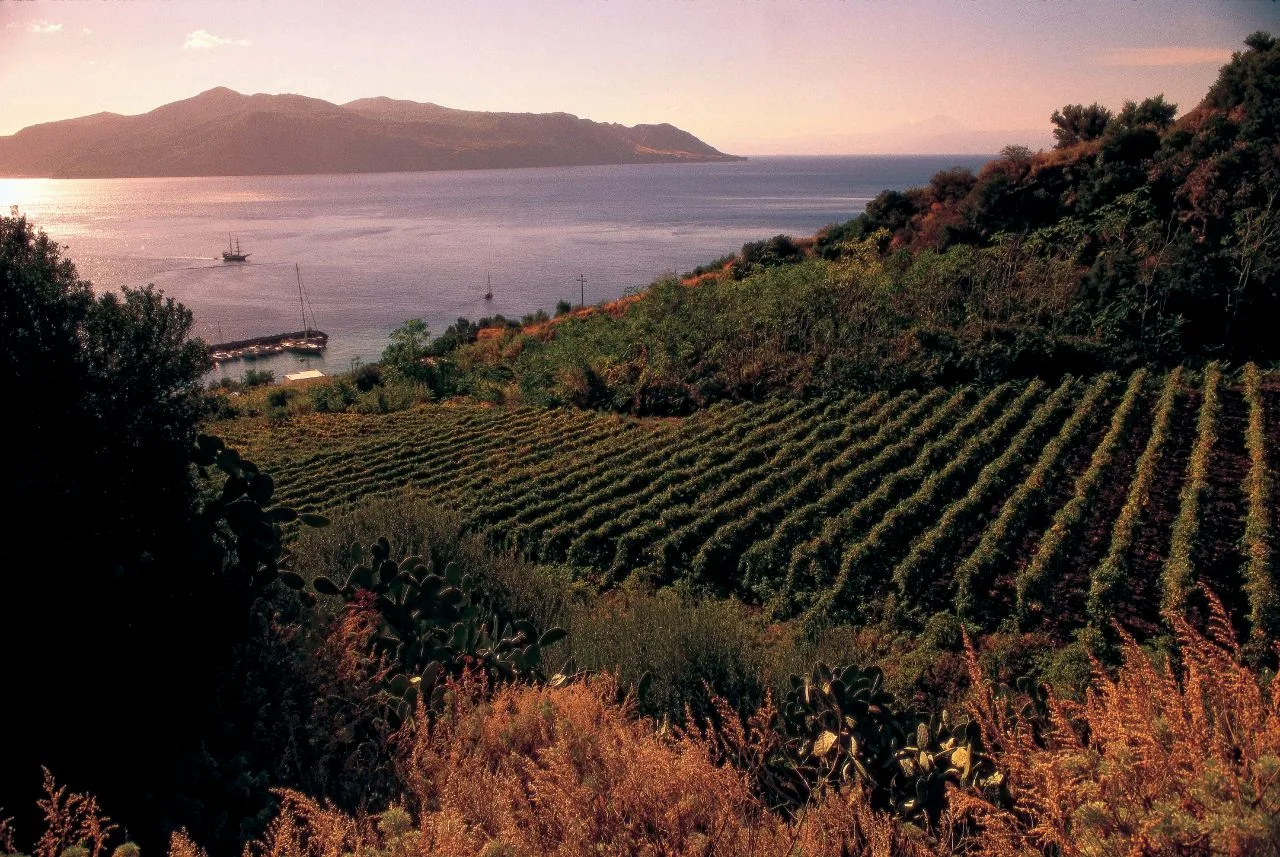
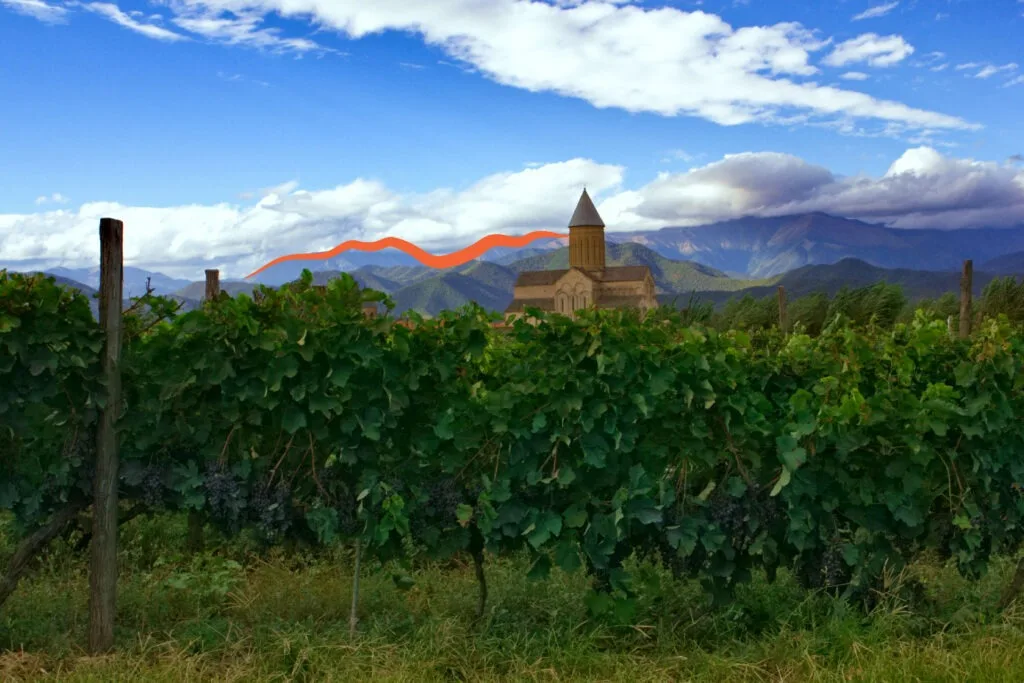
The denomination occupies UNESCO-listed hills north of Venice, where altitude and steep slopes have led to the description “heroic vineyards.” Conegliano Valdobbiadene DOCG is distinct from the larger and more widespread Prosecco DOC, although both rely on the Glera grape. The consortium’s experience indicates that yields can be protected in more extreme weather, but with increasing technical and financial demands.1
Conditions anticipated for 2045 arrived early
Research commissioned by the consortium and conducted in 2026 by Spain’s University of Cantabria modeled future changes in daytime and nighttime temperatures, humidity and rainfall. Consortium director Diego Tomasi and local producers told Reuters that the summer’s actual conditions broadly resembled those projected by the models for around 2045.1
The vine cycle in the premium hills has shortened by as much as 16 days over the past 20 years. Harvest began about 10 days earlier than the historical average in 2026, and roughly 90% had been completed by September 15, with quantities reported at levels similar to 2025.1
Tomasi reported 60 nights in 2026 when temperatures remained above 20°C, including 4 “super-tropical” nights above 23°C. Such nighttime warmth gives vines less opportunity to slow their metabolism and recover after daytime heat.1
Output held close to recent levels
Consortium documents reviewed by Reuters showed production exceeding 70 million bottles in the first 9 months of 2026. This was less than 1% below the corresponding period of 2025 and about 7% above the average for the previous decade. The consortium sold approximately 98 million bottles in 2025, an increase of 8% from 2024.1
Elsewhere in Europe, France’s farm ministry forecast that Champagne production from the 2026 harvest would decline 38% from 2025 following frost, hail, drought and heatwaves. Tomasi cautioned that regions cannot be compared directly because their climates, grape varieties and vine ages differ.1
Conegliano Valdobbiadene’s steep sites are rarely replanted, leaving some vines 80 to 90 years old. Tomasi said their age may have helped them withstand the extremes because they had adapted to local conditions over decades.1
Leaf cover replaces greater sun exposure
Primo Franco of Nino Franco winery identified the extreme summer of 2003 as a turning point in vineyard management. Growers subsequently reduced pruning and retained more foliage around grape clusters, particularly on south-facing slopes, to protect the fruit from intense afternoon sunlight.1
This reverses an older practice of exposing bunches to sunlight to increase sugar and, consequently, alcohol. In hotter conditions, excessive exposure can instead accelerate ripening and disrupt the grapes’ balance.1
Emergency irrigation and moisture retention
As rainfall increasingly comes in short, intense episodes, producers are adding organic matter to soils to retain moisture and studying reservoirs that could store water for dry periods. Franco, formerly opposed to irrigation, accepted his winemaker’s recommendation and had a well installed beginning in 2025.1
DOCG rules prohibit irrigation intended to increase production but allow emergency irrigation, traditionally used mostly for young vines. Mature vineyards also required assistance in 2026. Grower Franco Adami said crews spent weeks carrying pipes over the steep hillsides to reach stressed vines and credited the intervention with saving the harvest.1
Adaptation adds expense in an area where steep terrain already restricts mechanization and requires extensive manual labor. Growers expect water systems, altered vineyard practices and other infrastructure to raise costs further, while competition in sparkling wine limits their ability to pass those increases to consumers.1
Volume preserved, chemistry altered
Researchers involved in the consortium study said higher temperatures accelerate sugar accumulation and reduce acidity, particularly malic acid, which contributes fresh, crisp flavors. Franco and Adami observed higher pH and lower malic acid in the 2026 grapes, although both assessed the quality as high.1
The shift is especially consequential for sparkling wine, whose expected profile depends heavily on freshness and acidity. The season demonstrated that climate adaptation can stabilize output without necessarily preserving the exact character of the resulting wine.1
Market pressure compounds climate costs
The wider wine industry is contending with health-related pressure on consumption and inflation associated with energy costs and war, which has constrained consumer spending. Italian sparkling wine nevertheless performed more strongly than other categories: in the first half of 2026, exports of Italian still wine fell 9.1% by value year on year, while sparkling-wine exports slipped 1.6%.1
The Unione Italiana Vini observatory reported that Prosecco represents 78% of Italian sparkling-wine exports by value, supported by demand associated with aperitifs and cocktails. Its relative resilience has not removed concern among Conegliano Valdobbiadene growers, who expect continued spending as warming becomes an established operating condition rather than a future threat. Tomasi argued that it should now be treated as the current climate, not merely discussed as climate change.1
Sources
Written by the Dionysus editors from the sources above.