EU approves revised Chianti DOCG rules, including rosé wines
The revised production rules reduce the minimum Sangiovese content for standard Chianti from 70% to 60%, authorize a dry Chianti Rosé category and recognize Terre di Vinci as the denomination’s 8th subarea.
The European Union has approved changes to the Chianti DOCG production rules. The decision was announced on Friday, October 30, through publication in the Official Journal of the European Union. The process had begun about 6 months earlier, with proposals approved first by the Consorzio Vino Chianti and then by the Italian Ministry of Agriculture, Food Sovereignty and Forestry before their submission to the EU.1
For the denomination’s established wine style, Sangiovese remains the defining grape, but its minimum share has been lowered from 70% to 60%. Chianti may still be produced entirely from Sangiovese. The reduced threshold gives wineries greater latitude when composing blends permitted by the denomination.1
A dry Chianti Rosé category
The updated rules admit Chianti Rosé as a dry rosé made from the grape varieties already authorized for standard Chianti. Sangiovese must represent at least 60% of the blend. The official description identifies a pale-pink color whose precise shade may vary with the grapes used.1
Chianti Rosé cannot be released before December 1 of its harvest year, although no additional special aging period is required. It may not be sold in the traditional straw-covered fiasco bottle, and producers cannot employ Governo all’uso Toscano, the method involving partially dried grapes.1
Terre di Vinci becomes the 8th subarea
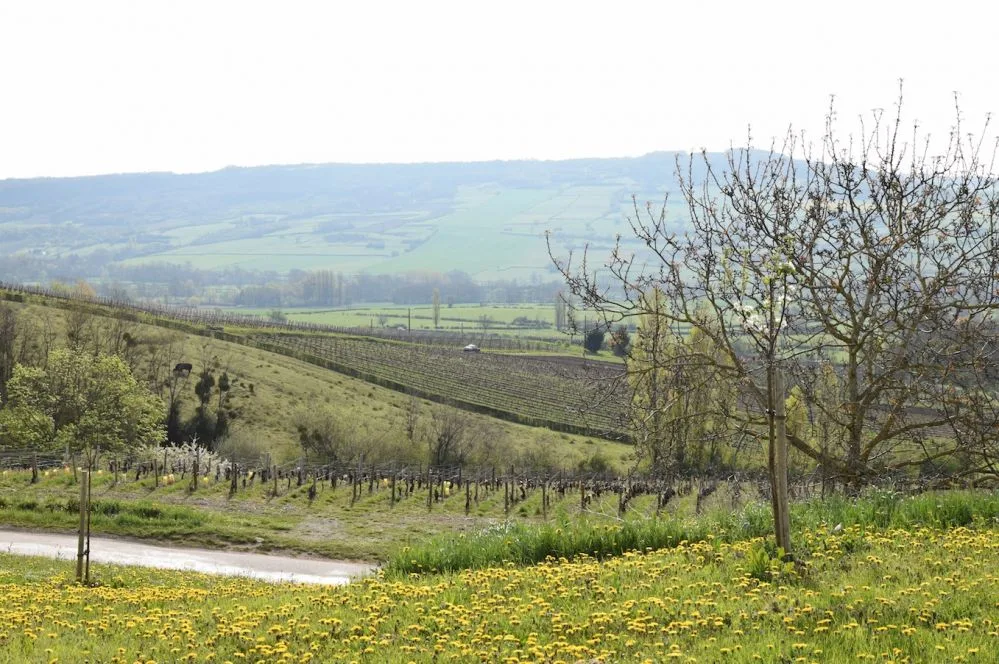
The geographic revision recognizes Terre di Vinci as the 8th subarea within Chianti DOCG. Named after Leonardo da Vinci’s birthplace and childhood home, it is situated in the denomination’s northwestern sector, about 15 miles west of Florence, and comprises Vinci, Cerreto Guidi, Fucecchio and Capraia e Limite.1
Terre di Vinci lies at roughly 490 feet above sea level and has rolling slopes and a mild Mediterranean climate. It joins the 7 existing subareas: Rufina, Colli Fiorentini, Montespertoli, Montalbano, Colli Senesi, Colli Aretini and Colline Pisane.1
Implications for the denomination
The revisions create a route for wineries already producing Chianti to release rosé under the same denomination and give producers in Terre di Vinci a more specific geographic identity. They also offer greater blending flexibility while retaining Sangiovese and Tuscan origin as central elements of Chianti DOCG.1
Because Chianti is widely distributed and closely followed by buyers, retailers and wine educators, the new category may also interest importers seeking to expand their Italian selections. The lower Sangiovese threshold can influence vineyard and cellar choices when cost, style or supply affect blending decisions.1
Sources
Written by the Dionysus editors from the sources above.