Explosion damages Oeno Terra wine merchant’s premises near Béziers
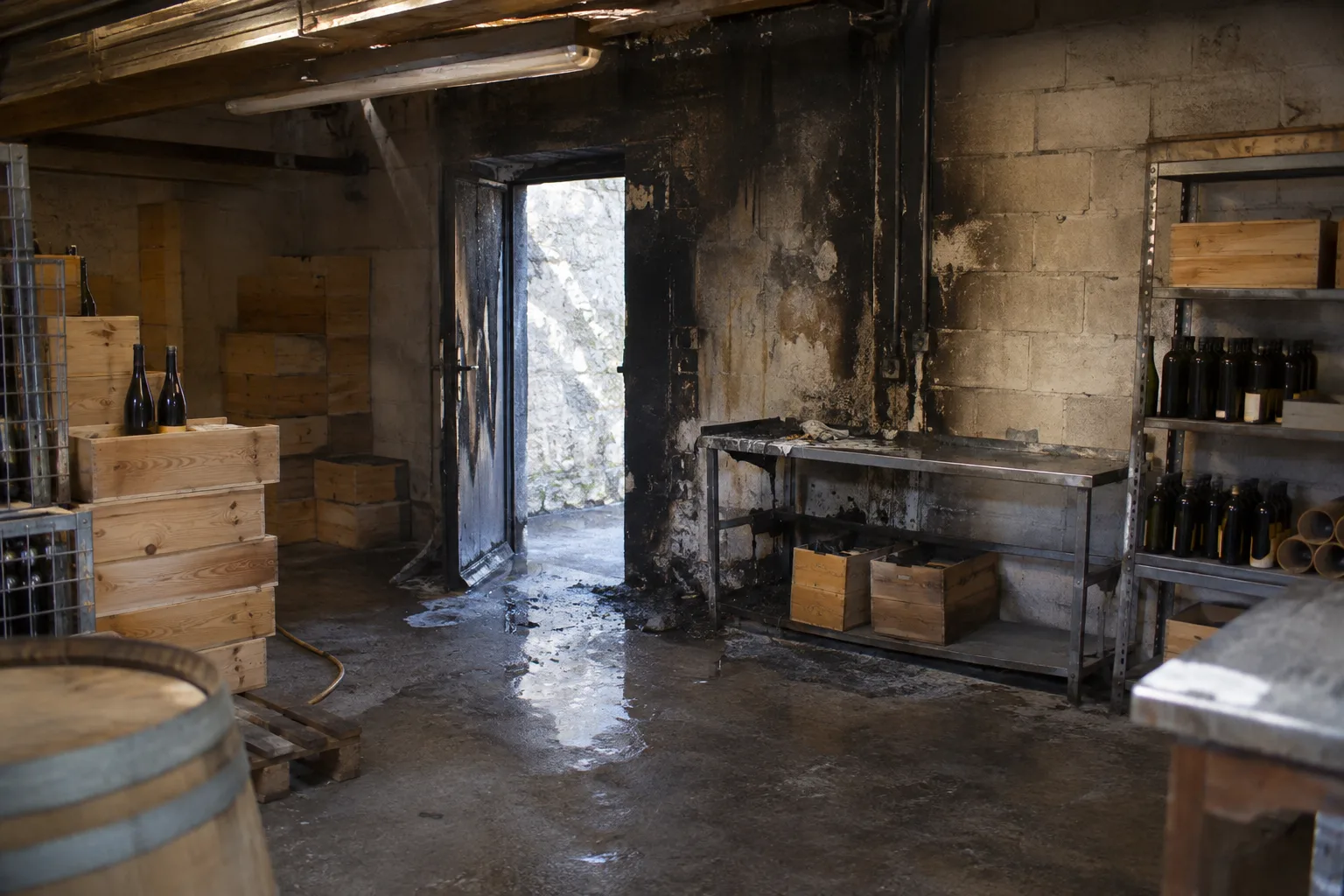
An explosive device targeted wine merchant Oeno Terra in an isolated part of Valros, northeast of Béziers. No one was injured, but the blast started a fire, damaged the premises and destroyed documents. A source close to the investigation said the CRAV had claimed responsibility.
Explosion and fire at Oeno Terra
Concordant sources reported on Monday that an explosive device had struck Oeno Terra, a wine merchant in the Béziers area of Hérault. The incident caused no injuries, but it started a fire and destroyed part of the company’s buildings.1
A source close to the investigation said the CRAV, the Comité régional d'action viticole, had claimed responsibility, confirming a report by Midi Libre. An inscription associated with the claim was found at the scene.1
Extensive damage in Valros
Valros mayor Michel Loup visited the site during the night. He said the blast was heard throughout the village and sent debris 10s of metres into the surrounding area. The explosion breached a wall, while the fire destroyed some documents and scattered others.1
Loup said Oeno Terra had previously received threats, although he had not anticipated an act of this severity. Investigators said the company occupies an isolated site in Valros, northeast of Béziers, and that no witnesses were present. Oeno Terra declined to comment when contacted by AFP.1
Interprofessional price negotiations
The attack occurred during interprofessional negotiations on wine prices between marketers and winegrowers. Jérôme Despey, president of FranceAgriMer’s specialist wine and cider council and vice-president of the FNSEA, said proposals already envisaged lower prices than in 2025.1
Despey linked the wider climate to expressions of anger and despair but said violent acts could not be tolerated.1
A history of sector-related violence
Over recent decades, fires and acts of damage bearing the name of the CRAV or its local offshoots, known as CAV, have occurred in Occitanie during periods of crisis in the wine sector. The groups are described as a radical arm of Languedoc winegrowing.1
Production and market pressures
In Languedoc-Roussillon, vineyard area declined, but production in 2026 rose by 25% from the drought-hit and exceptionally low 2025 harvest. The 2026 volume was also 6% above the 5-year average.1
French wine production has nevertheless followed a downward trend for several years amid a broader industry crisis. The pressures include climatic difficulties, reduced purchasing power, weaker demand for red wine and tariff disputes with China and the United States.1
Sources
Written by the Dionysus editors from the sources above.