INAO approves Cazelles as a complementary geographical designation within Minervois
On 25 November 2026, INAO’s national committee approved Cazelles, in the eastern Minervois, as a complementary geographical designation. The recognition is awaiting publication of the official order.
INAO’s national committee approved the recognition of Cazelles as a complementary geographical designation on 25 November 2026. The area lies at the eastern end of the AOC Minervois, and the decision will become official once the relevant order is published.1
The collective initiative began in 2012 and led to the submission of an application to INAO in 2015. The approval follows nearly 15 years of work by the plateau’s winegrowers.1
A 120-hectare plateau
Cazelles covers about 120 hectares of vines producing appellation wine in the Hérault communes of Agel and Aigues-Vives. A total of 10 wine-growing businesses are involved, including several certified for organic farming.1
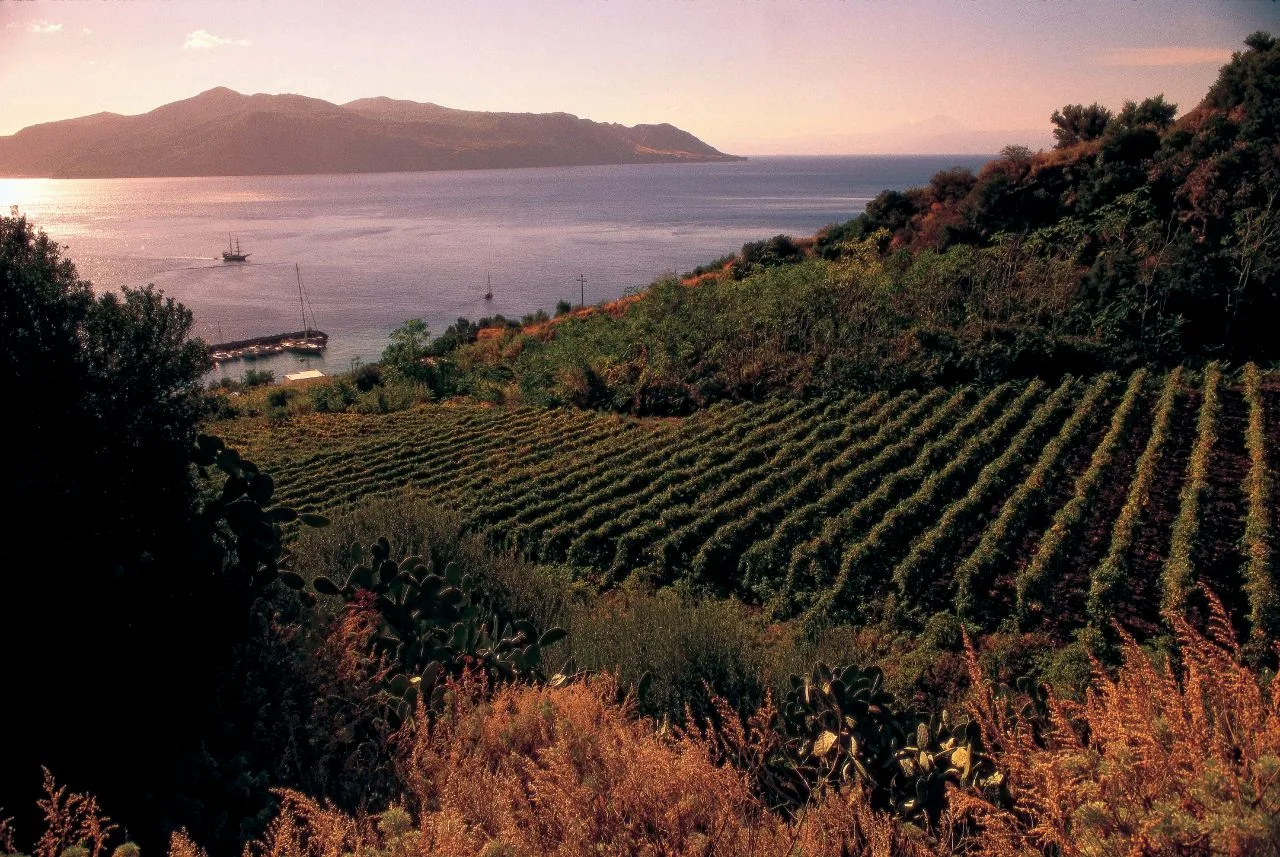
The south-facing plateau stands between 130 and 225 metres above sea level. Its Eocene lacustrine limestone breaks into locally characteristic stones known as “ficats”; this stony cover helps reduce evaporation from the soil, while deeper layers contain organic matter beneficial to the vines. Cool air from the Montagne Noire moderates the Mediterranean influence.1
About 200 “clapàs”—piles created as generations of farmers cleared stones from the plots—occupy nearly 7 hectares of the plateau. Alongside recording the area’s agricultural history, they provide habitats for biodiversity.1
The wines and the growers
According to the source, the plateau’s geology and climate are reflected in red wines marked by black-fruit, spice and garrigue notes, sometimes chalky tannic textures, and freshness that supports balance.1
Nicolas and Olivia Gautran, the 4th generation at the family estate Cailhol Gautran, described the recognition as the outcome of sustained collective work to establish the distinct identity and origin of the area’s wines. Their estate has held organic certification since 2020.1
Minervois refines its geographical map
The recognition forms part of a wider effort to express the diversity within Minervois, an appellation extending for about 40 kilometres. Identifying smaller geographical units is intended to clarify its geological, climatic and viticultural differences.1
La Livinière has already become an appellation in its own right, while La Caunette, Terrasses de l’Argent-Double and Laure also have ambitions for recognition. Cazelles has now passed a decisive approval stage, although publication of the official order remains pending.1
Sources
Written by the Dionysus editors from the sources above.