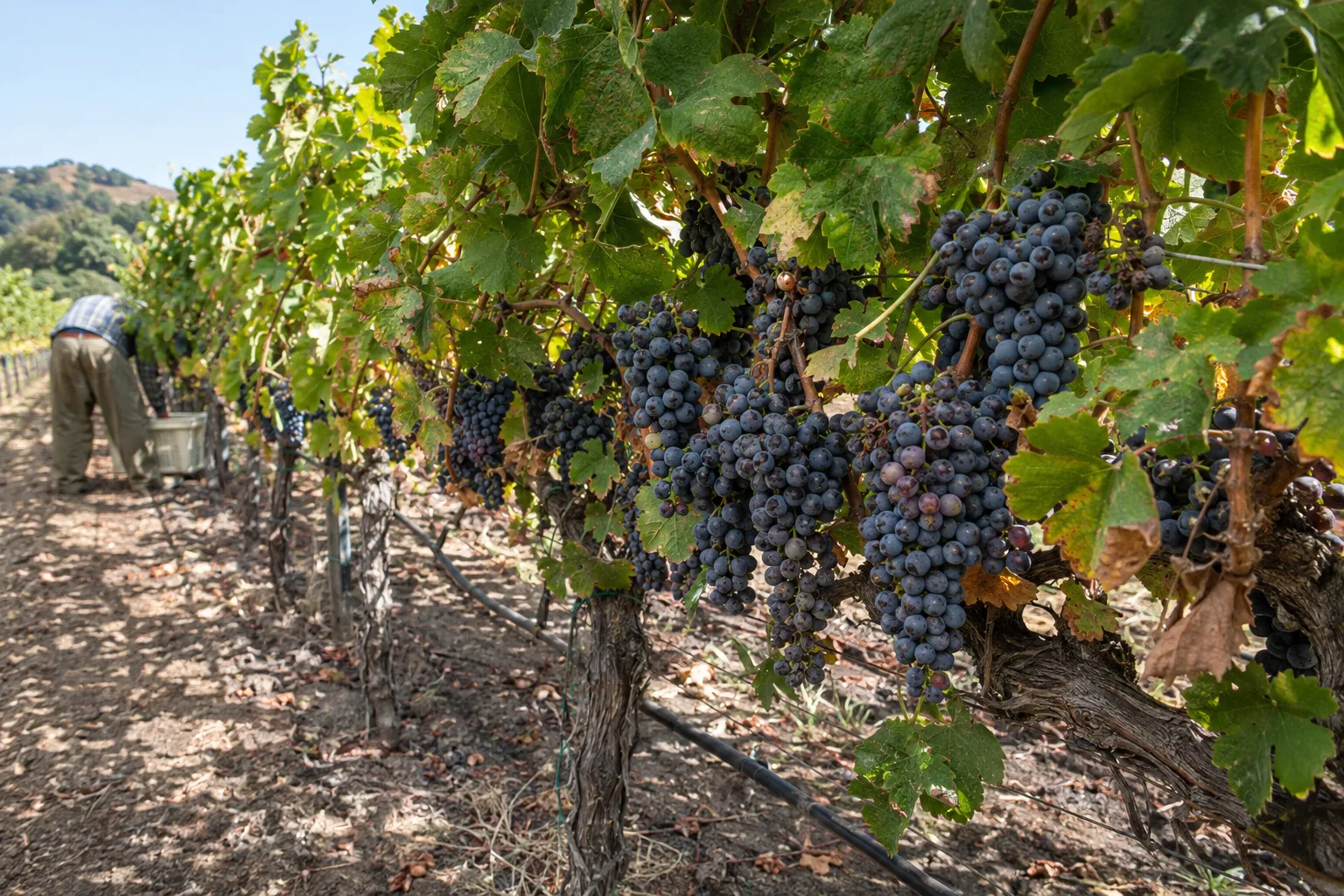
Incavi and Vinyes Domènech join VINEURO biodiversity trials in Montsant
The partners will test cover crops and aromatic and medicinal plants to assess their effects on vines, soil and wines at Vinyes Domènech in Catalonia’s Montsant appellation.
The Institut Català de la Vinya i el Vi (Incavi) and Vinyes Domènech are taking part in VINEURO, a supra-regional operational group studying whether vineyard biodiversity influences wine quality, aroma and sensory characteristics. Catalonia’s agriculture department announced their participation in a statement released on Saturday, 14/11.1
The research and innovation project will examine vineyard and winery practices, including cover crops and the introduction of aromatic and medicinal plants. Its purpose is to produce scientific evidence about how these measures affect vines, soil and the resulting wines.1
Trials in the Montsant appellation
Field trials will take place at Vinyes Domènech in the Montsant appellation, in Capçanes, Tarragona, between the Serra de Llaberia and Montalt mountain areas. Researchers will assess vineyard performance, soil conditions and the finished wines.1
Incavi will apply its expertise in vineyard biodiversity, enological analysis and sensory evaluation to oversee the trials, characterize the wines and evaluate the findings. According to the agriculture department, this work develops knowledge from earlier initiatives, including Life Biodivine and an operational group that studied biodiversity around vineyards and wine quality, and brings it to a national project.1
National partnership and funding
VINEURO also includes ITAGRA.CT, Bodegas Moha of the Rueda appellation, the University of Valladolid, Sociograph Neuromarketing and BIOVEGEN. Together, the participants aim to create tools that support more sustainable production models.1
The initiative operates through the supra-regional operational groups of the European Innovation Partnership for Agricultural Productivity and Sustainability (EIP-Agri). Funding comes through Spain’s 2023–27 Common Agricultural Policy strategic plan, with backing from the Ministry of Agriculture, Fisheries and Food and the European Agricultural Fund for Rural Development.1
Possible value for producers
The project could provide practical, transferable criteria for assessing connections among biodiversity, sustainability and product quality. Such evidence would be relevant to producers seeking to reduce farming’s environmental impact while maintaining grape quality and the sensory identity of their wines.1
If the trials identify consistent effects, their specific findings could help growers and wineries judge whether cover crops or aromatic plantings strengthen vineyard resilience and increase the commercial and sensory value of the wines.1
Sources
Written by the Dionysus editors from the sources above.