Michel Chapoutier calls for a broader base of Hermitage producers
The Hermitage appellation president says vineyard ownership is too concentrated among major houses and wants small parcels or grapes made available to high-quality producers from the Northern Rhône or Burgundy. He also discusses white varieties, winemaking styles, inventories, pricing and organic viticulture.
An appellation event in Lausanne
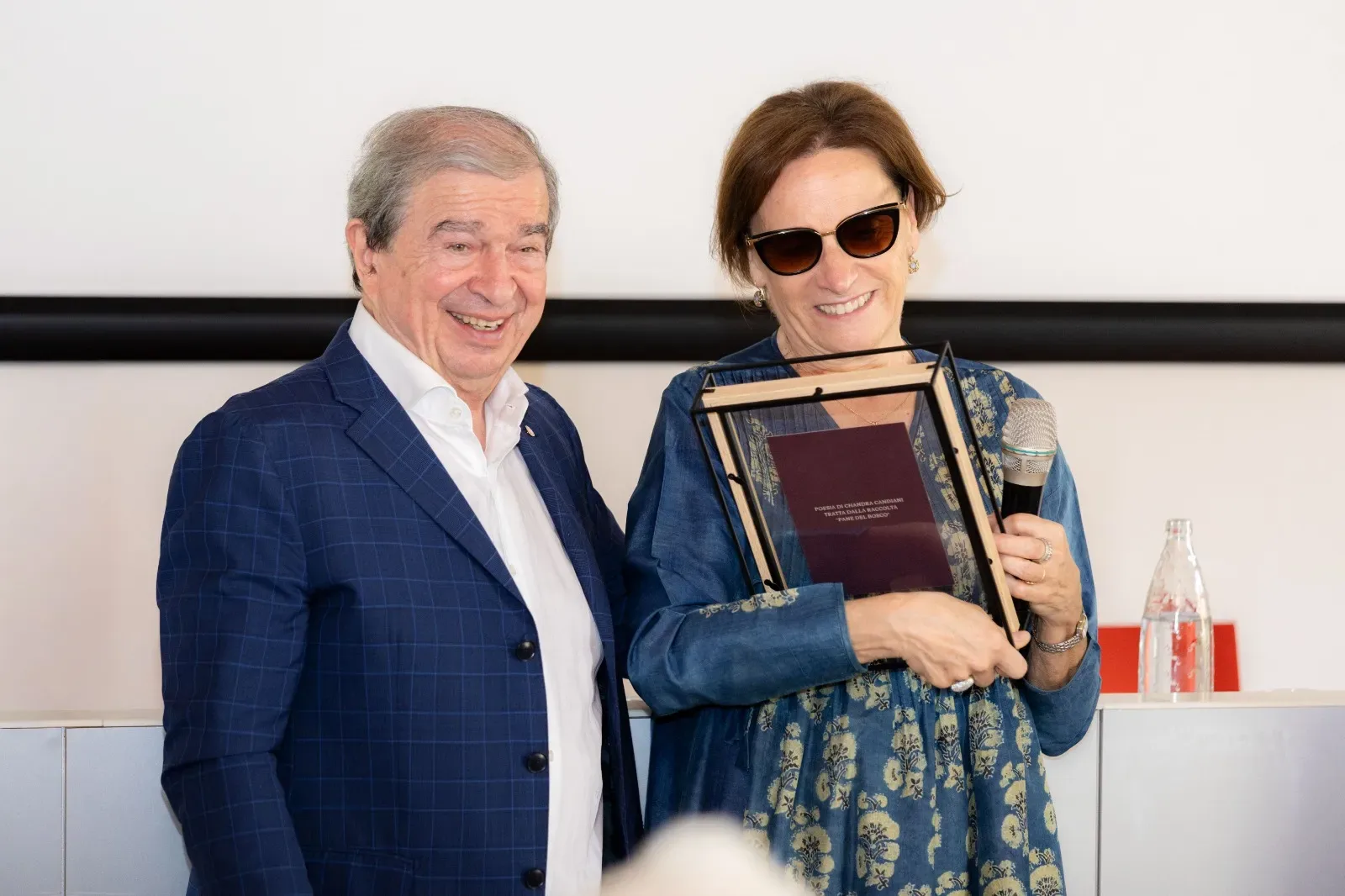
At a recurring tasting of white and red Hermitage wines at the École Hôtelière de Lausanne in Switzerland, 15 operators presented bottles to Swiss wine merchants and sommeliers during a game dinner. The appellation stages every 2nd edition of the event abroad.1
Chapoutier said Switzerland was chosen partly because its position outside the EU makes European promotional support available for the initiative, allowing most appellation growers to participate. He linked the game-dinner format to the historically strong sales of Hermitage’s predominantly structured reds during hunting season. He also argued that hunting helps manage rural land and that declining hunter numbers have increased pressure from deer and wild boar.1
Scale and concentrated ownership
Hermitage combines a small area with an international reputation. It covers 137 hectares, nearly 70% of them devoted to red wine, and produces about 3500–4000 hl annually. Chapoutier contrasted it with neighboring Côte-Rôtie, which, together with Condrieu, covers 500 hectares and has developed through numerous small, quality-focused owners.1
In his view, an appellation with 25 strong marketers can also gain 25 importers in each country. Hermitage instead has too much vineyard land in the hands of major houses: M. Chapoutier, Paul Jaboulet Aîné, Jean-Louis Chave, Delas Frères and Cave de Tain collectively account for nearly 90% of the surface.1
Chapoutier proposed that large owners sell small parcels or grapes to accomplished operators from the Northern Rhône or even Burgundy, giving more producers an opportunity to build demand for the appellation. The obstacle is financial, since vineyard prices can reach €4 million per hectare.1
More white wine and a role in red blends
Chapoutier sees growing demand for white wine, driven particularly by younger consumers who favor wines served cool. He said Hermitage has suitable sedimentary sites for white varieties. He also recalled his great-grandfather Marius’s observation that supply tends to alternate between excess and shortage rather than settle at the required level.1
The Hermitage rules permit red wines to contain up to 15% white varieties, reflecting their historic co-planting on the hill. The practice had largely disappeared when white grapes were scarce, but Chapoutier believes it could now help producers respond to rising alcohol levels and provide another blending adjustment.1
Blending and individual sites
Blending was the original local tradition, and Chapoutier said blind tastings long revealed a producer’s signature more readily than a specific terroir. His experience pioneering parcel selections showed him a pronounced taste difference between wines from granite and sedimentary soils. He therefore does not regard blending as the sole source of complexity and believes Hermitage benefits from both blended and site-specific approaches.1
Marsanne, Roussanne and freshness
Chapoutier strongly favors Marsanne. He noted that Thomas Jefferson’s writings from the 18th century describe a taste for wines around 10 years old and somewhat evolved. Oxidation-prone Roussanne was traditionally used to soften the development of Marsanne, whereas producers now seek greater freshness; Roussanne represents less than 10% of Hermitage plantings.1
Less extraction and larger vessels
According to Chapoutier, more estates are reducing extraction and aging wine in larger containers. M. Chapoutier has gradually moved from 225-litre barrels to 600-litre demi-muids and vessels as large as 1200 litres. He contrasted this with Bordeaux’s continuing reliance on 225-litre barrels, which can leave a stronger oak imprint. Because wealthier classified estates could afford frequent barrel replacement, he said oak and vanillin became associated with luxury, much like cedar in a cigar box.1
Prices, exports and inventories
Hermitage’s capacity to age is an advantage, but it requires producers with enough financial strength to hold wine before sale. Chapoutier described prices as broadly stable or declining slightly. Exports remain central: sales in Asia and the Middle East are not especially difficult, while the United States is more challenging, chiefly because of tariffs.1
Current inventories are substantial, but Chapoutier considers that normal for the appellation because its wines may be kept for 10 years before release.1
Ermitage or Hermitage
Chapoutier said the historic spelling was Ermitage, referring to the hermit who lived on the hill. An H was added in the 19th century to suit English spelling and appeal to what was then the main export market. Both forms are authorized by the appellation rules, and M. Chapoutier reserves the E spelling for cuvées made from vines more than 90 years old.1
The appellation’s ODG spends most of its budget defending the name, while Chapoutier said Crozes-Hermitage contributes €0 to that work, a situation he regards as improper. The organization pursues producers outside the appellation that place Hermitage, with or without the H, on their bottles in ways it considers misleading to consumers.1
Organic farming and plant protection
Chapoutier said 95% of Hermitage estates farm organically. He credited Cave de Tain with helping many local fruit growers move into viticulture and suggested that their concern for produce eaten raw helped foster the area’s organic outlook, in contrast with market gardening around Vienne.1
At the same time, growers face increasing pressure from fungal diseases, including downy mildew and powdery mildew. Although copper is phytotoxic, Chapoutier said it remains necessary. He supports permitting phosphonates, which stimulate plant defenses, and elicitors, signal molecules intended to prepare vines for frost or heat. These substances remain prohibited, but he considers their use ecologically coherent and compatible with the principles of organic and biodynamic farming.1
Sources
Written by the Dionysus editors from the sources above.