Moldovan wine seeks recognition through native grapes in Bordeaux
Maison Tanase presented a selection of Moldovan wines at Bordeaux’s Cité du Vin, arguing that indigenous varieties and a distinct regional identity offer the country its strongest route into a competitive European market.
From Soviet-scale production to European markets
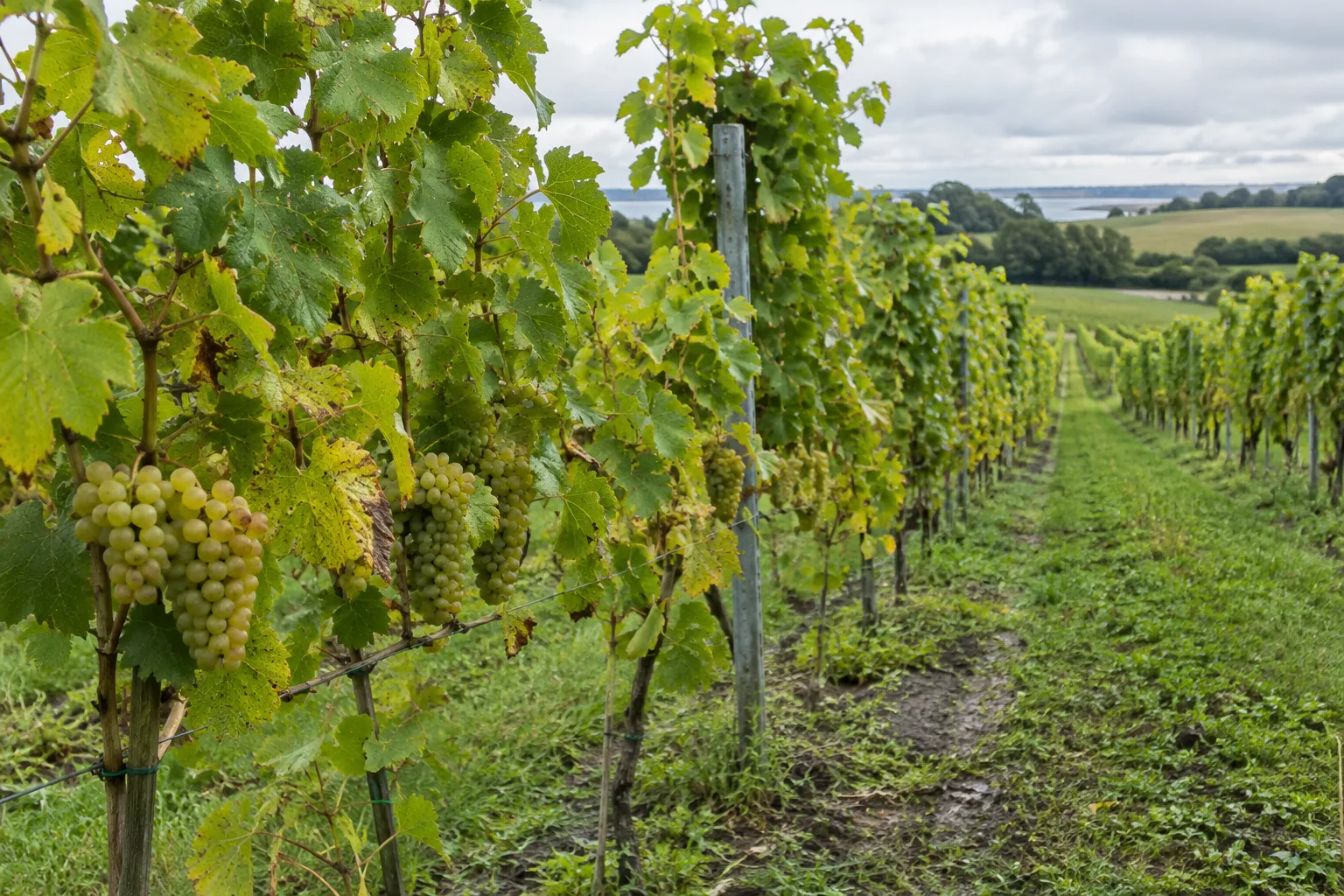
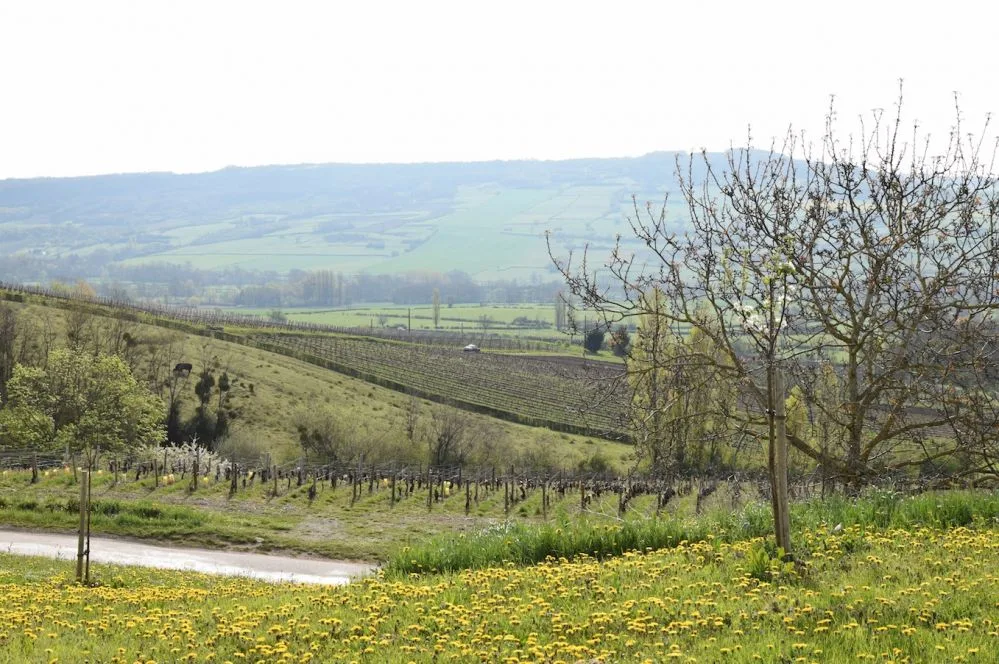
Moldova, between Romania and Ukraine, had 107,000 hectares of vines in 2025—an area comparable with Bordeaux—and vineyards covered 3.1% of its territory. Its continental climate is moderated by Black Sea influences, while varied soils support a long-established wine industry.1
After the Second World War, Moldova became a major Soviet wine producer, with large collective farms focused more on volume than quality. That era nevertheless left assets including the vast underground cellars at Cricova and Mileștii Mici. Independence in 1991 brought land redistribution and privatization, although Russia remained the principal export destination.1
Moscow prohibited Moldovan wine imports in 2006, officially on sanitary grounds. Maison Tanase co-founder Julia Brad characterized the decision as political, and another embargo followed in 2013 as Moldova drew closer to the European Union. Producers responded by seeking other markets, modernizing wineries, renewing vineyards and hiring French and Italian specialists.1
Victor Tanase said wine quality began moving upmarket in the 2010s. The National Office of Vine and Wine and the Wine of Moldova brand supported the transition; roughly a decade later, European countries had progressively replaced Russia among the main markets, and international critics were recognizing the wines’ quality. Consumer awareness, however, remained limited.1
Native varieties as a point of difference
At the Cité du Vin, Julia Brad and Victor Tanase presented wines imported by Maison Tanase, emphasizing local grapes rather than internationally standardized styles. Their commercial proposition is that unfamiliar Moldovan varieties can give drinkers the sense of discovery needed to distinguish the country in a crowded market.1
The tasting began with a Fetească Regală 2025 from a young estate founded in 2018. It was described as fresh, firmly structured and lively, with controlled acidity rather than a restrained personality. Its accessible style was considered suitable for cheese and uncomplicated dishes.1
A Viorica, made from a crossing developed in the late 1960s, provided a marked contrast. Victor Tanase identified strongly floral, Muscat-like and lychee notes, together with good acidity and a mineral sensation. Its exuberant aromas avoided heaviness and appealed to most participants.1
Among the reds, Rară Neagră 2023 showed delicacy, red fruit and moderate tannins, reflecting a regional style intended for drinkability rather than lengthy ageing. In the wine poured, however, a vegetal element disrupted the redcurrant character; this was attributed more to winemaking than to the variety itself.1
Fetească Neagră was darker, more structured and more tannic, with greater substance. Brad contrasted the delicacy of Rară Neagră with the breadth of Fetească Neagră, whose evident tannins remained supple. Priced at €13–15, the two reds represented complementary expressions of Moldova’s vineyards.1
Purcari combines international technique with Moldovan character
The second part of the tasting focused on Purcari, one of Moldova’s best-known estates. Its wines were presented as examples of how international techniques can be combined with regional varieties.1
Freedom Blend 2023 was poured first. The symbolically charged cuvée was created in 2014 following Russia’s annexation of Crimea and is supported by a distinctive political and historical narrative.1
Negru de Purcari, a historic blend of Cabernet Sauvignon, Saperavi and Rară Neagră, followed. After 12–18 months in barrels, it was praised for suppleness and balance: Cabernet Sauvignon appeared in a softened form, with moderate extraction, restrained oak, juicy texture and sustained red fruit. The wine prioritized harmony over power, a profile considered relevant to both consumers and restaurateurs.1
This combination suggests a possible direction for premium Moldovan reds: retaining the technical precision learned from established European winemaking traditions while asserting a regional signature. Greater recognition and visibility are still required.1
Quality has advanced faster than recognition
Despite success in international competitions, Moldovan wine still has little recognition in France and lacks the clear consumer reference points enjoyed by Rioja or Chianti. Brad said a wine must combine quality, attractive presentation and affordability—the three pillars of Maison Tanase’s approach.1
Local-variety wines at €13–15 lower the barrier to experimentation, while blends priced at €18–20 face stronger competition from elsewhere in Europe. Specialist wine merchants and restaurants are seen as important intermediaries because they can explain unfamiliar grapes and introduce the wines through food pairings.1
Over the past 20 years, Moldova has substantially transformed its wine sector, but it must now define its commercial identity. Competing principally as a source of good Cabernet Sauvignon at a lower price than French wine is unlikely to be sufficient. Distinctive grapes, varied terroirs, recognized technical expertise and accessible prices provide a stronger foundation for moving Moldovan bottles from curiosities to deliberate consumer choices in Europe.1
Sources
Written by the Dionysus editors from the sources above.