Neiker leads Spain-France trials of disease-resistant, drought-tolerant grapevines
The TRANSFERES project will test new, improved, traditional and lesser-used grape varieties across wine regions in Spain and France, assessing fungal-disease resistance, drought tolerance, environmental impact, winemaking quality and prospects for commercial adoption.
A cross-border response to vineyard pressures
Neiker, a technology center in Spain’s Basque Country, announced on November 23, 2026, that it is leading TRANSFERES, a cross-border research project with France. The initiative will test grapevines resistant to fungal diseases and more tolerant of drought as wine regions contend with rising temperatures, increasingly irregular rainfall and greater disease pressure.1
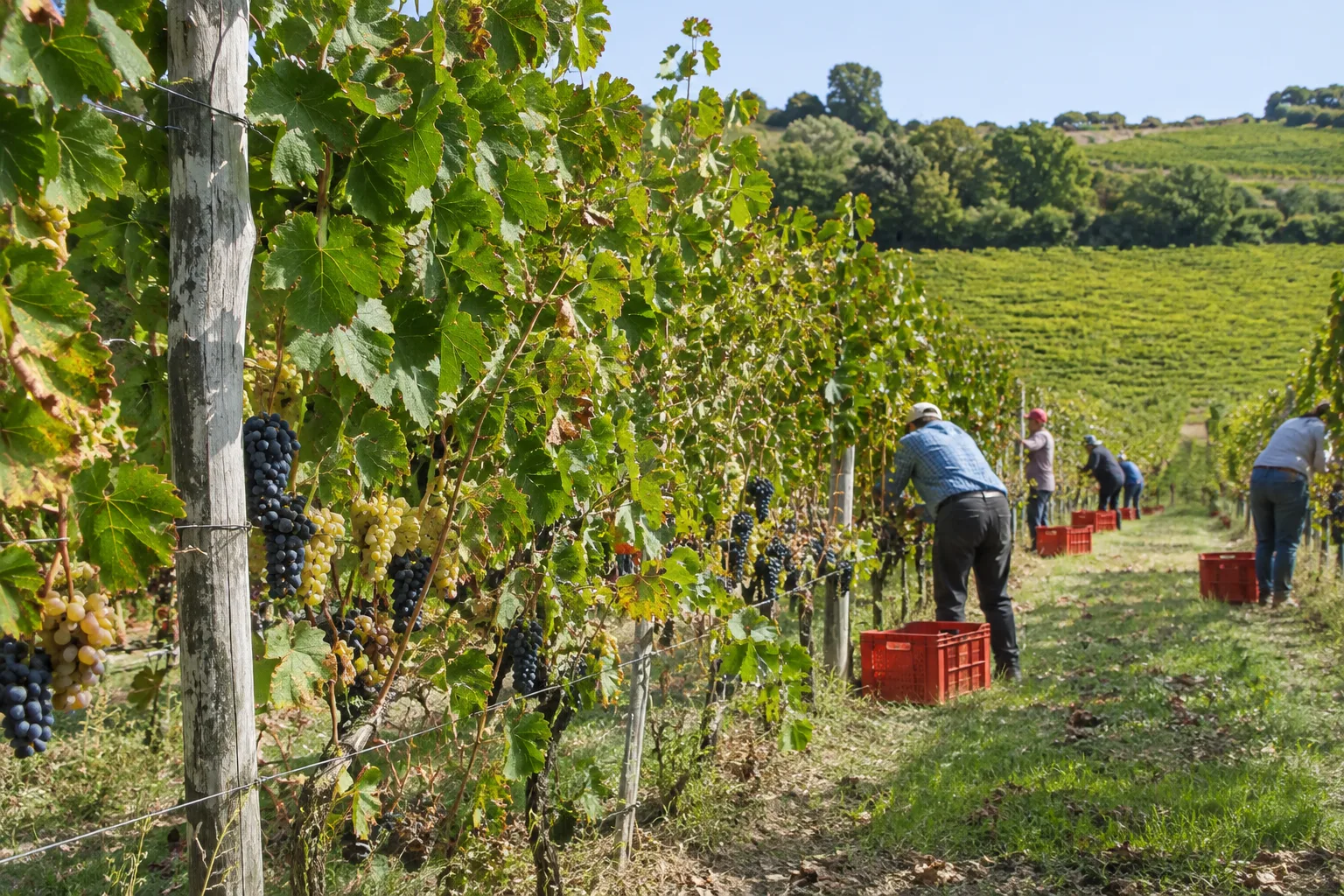
Trials in wine-producing areas of Spain and France will cover new and lesser-used varieties. Researchers will examine agronomic performance, plant health, environmental effects and the grapes’ suitability for quality winemaking, while also studying perceptions among producers, regulators and consumers that could influence market acceptance.1
Disease control and the 70% question
The project addresses the need to adapt vineyards to climate change while reducing crop-protection products. Downy mildew and powdery mildew remain major vineyard threats, and changing weather can alter their spread. The work also takes place against the European Union’s Farm to Fork target of reducing pesticide use and risk by 50% by 2030.1
Information released about TRANSFERES indicates that disease-resistant varieties could reduce plant-protection treatments by as much as 70%. Researchers will determine whether that potential is sustained across different climates, soils and production systems, since a variety’s agronomic and commercial performance in one region may not be reproduced elsewhere.1
Resistance, drought tolerance and wine quality
Project coordinator Ana Díez, a researcher in Neiker’s Department of Plant Production and Protection, said the varieties must be understood under the participating regions’ different climatic and soil conditions before wider introduction into production. The resulting evidence is intended to help growers assess suitability and support adoption in vineyards.1
TRANSFERES will study both improved varieties and traditional varieties that are not widely planted. Alongside fungal resistance, it will investigate whether resistant material combined with traditional Mediterranean grape types can produce plant material with greater drought tolerance. The intended outcome is vines that require fewer treatments and cope better with water stress without sacrificing wine quality.1
Researchers will measure vine responses to several forms of environmental stress and assess the grapes’ enological quality. This will help wineries judge whether the plant material can suit established wine styles, appellation rules and consumer expectations. The project’s backers regard wine quality as a determining factor in whether the varieties can enter regional production and the market.1
Experience shared between France and Spain
France brings greater experience with resistant grape varieties, including some already used in commercial wine production. This is expected to help Spanish participants understand technical performance as well as the regulatory and practical questions involved in planting the vines and marketing their wines.1
Spanish trials under different climatic and soil conditions will, in turn, provide French partners with further evidence on how the vines adapt to other production environments. This reciprocal testing is a central feature of the cross-border project.1
From field results to adoption
TRANSFERES plans demonstration events, cross-border meetings and information sessions for regulators, growers and technical personnel. It will also prepare technical documents, publications and outreach materials, working with appellation bodies, cooperatives, wineries and research organizations so the results remain useful after the project concludes.1
Public perception will also be evaluated because commercial adoption depends on more than disease resistance and yield. Wineries need evidence that buyers will accept wines made from unfamiliar or newly bred grapes, while growers must establish whether the varieties comply with local production rules and fit the intended market position.1
If the trials are favorable, reduced reliance on fungicides could lower vineyard costs and environmental pressure, while improved drought tolerance could help stabilize grape production during hotter, drier seasons. The decisive test will be whether resilience can be combined with enological performance and the continuity and quality of grape supply required by wine producers.1
Sources
Written by the Dionysus editors from the sources above.