San Pedro Carménère 2023 earns 97 points and Best in Show at DWWA 2026
San Pedro’s 1865 Selected Vineyards Las Lagunas Carmenère 2023 from Colchagua received 97 points and Best in Show at the Decanter World Wine Awards 2026, leading a Decanter selection of 15 award-winning, Carménère-dominant Chilean wines.
The rediscovery of Carménère
On 24 November 1994, French vine specialist Jean-Michel Boursiquot visited Chile’s Maipo Valley while in Santiago for a symposium. His hosts presented vines they considered Merlot, but their bright-orange young leaves and flowers with twisted stamens led him to identify Carménère. Until then, he had encountered the variety only in a French research collection.1
The finding showed that much of Chile’s supposed Merlot was Carménère. Although some wineries initially retained the familiar Merlot designation, others adopted the correct name, and Carménère eventually became closely identified with Chile’s wine industry.1
The date of the discovery is now observed annually as International Carménère Day. Carménère ranks among Chile’s most extensively planted grapes after surviving there for more than 1 century without being recognized under its own name.1
International Carménère Day
Wines of Chile established Carménère Day in 2014 for the 20th anniversary of Boursiquot’s identification. Its inaugural celebration featured a live online tasting; within 1 year, participants from Asia, Europe and the Americas were taking part.1
The annual program includes vineyard tastings in Chile and events organized internationally by embassies, importers and restaurants. Producers in places including California and South Africa also participate, while drinkers share bottles, tasting observations and pairings under #CarménèreDay. In the US, the date falls close to Thanksgiving, when the grape’s peppery character and suitability for food make it an option for the holiday meal.1
From Bordeaux to Chile
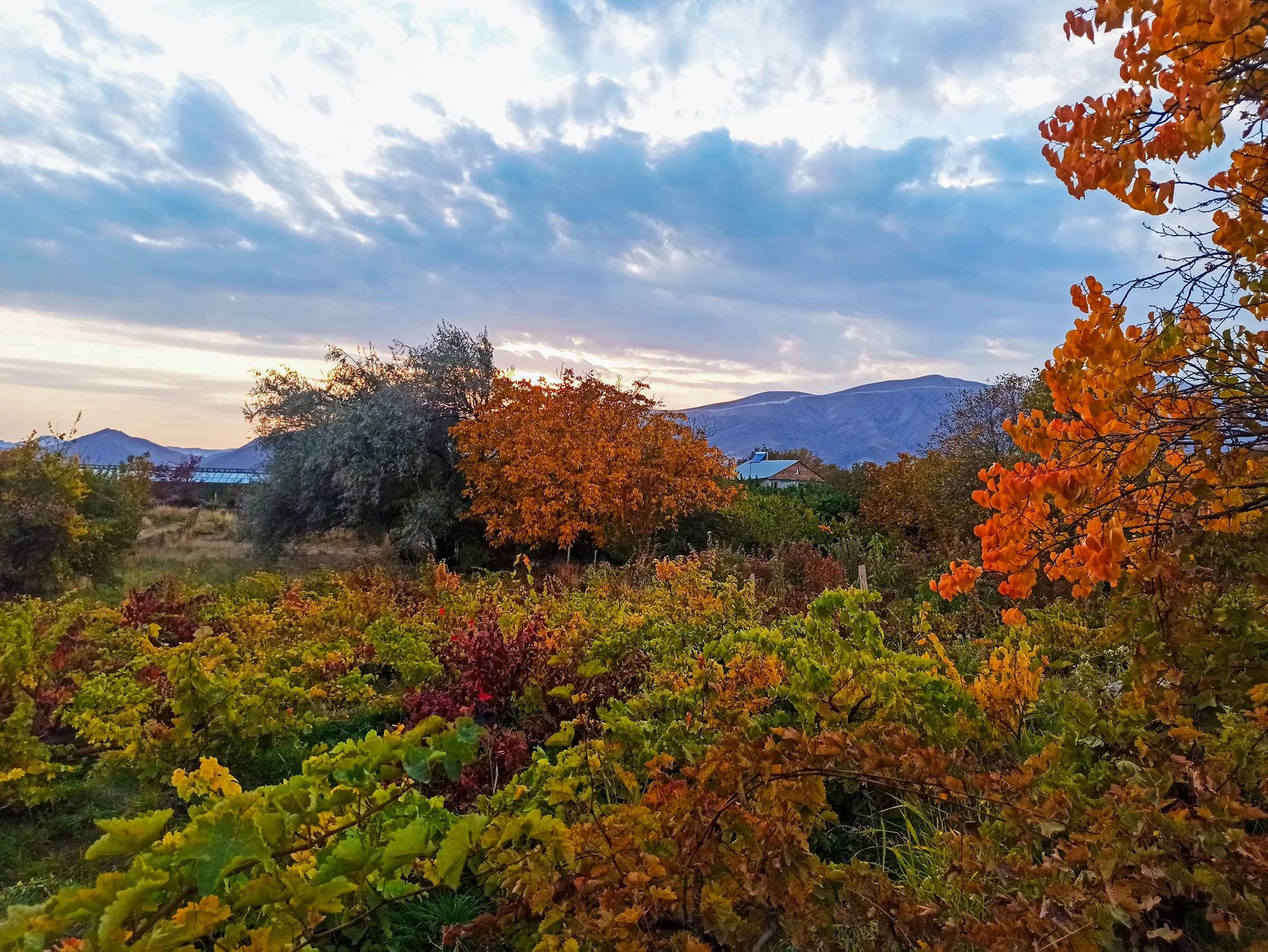
Carménère takes its name from “carmin,” the French word for crimson, reflecting the red color of its autumn leaves. It belongs to Bordeaux’s 6 classic red varieties with Cabernet Sauvignon, Merlot, Cabernet Franc, Malbec and Petit Verdot, and was widely cultivated in the Médoc and Graves during the early 19th century.1
Oidium damaged Carménère in the 1850s, followed by the phylloxera outbreak that devastated French vineyards from the 1860s. Bordeaux growers largely excluded it when replanting because vines were scarce, the grape ripened late and damp springs could impede fruit set. Only scattered plantings remained in its French homeland.1
Chilean landowners had imported Bordeaux cuttings in the 1850s, before phylloxera struck, and Carménère arrived among them without being distinguished from Merlot. The Andes, Pacific Ocean and Atacama Desert helped shield Chilean vineyards from phylloxera. For 140 years, growers treated the late-ripening vines as Merlot, despite wines showing a more savory and spicy profile. DNA analysis later confirmed Boursiquot’s 1994 identification.1
Growing regions and international identity
Warm, extended autumns allow Carménère to ripen successfully in Chile, particularly in the Colchagua Valley—including the horseshoe-shaped Apalta Valley—and Peumo in Cachapoal. The resulting wines can combine mature dark fruit with green peppercorn, paprika and dark-chocolate characters.1
Misidentification also occurred elsewhere. Some northern Italian vines labeled Cabernet Franc proved to be Carménère, while China’s widely planted Cabernet Gernischt has been identified as the same variety, making China one of its largest growers even though the Carménère name rarely appears on labels there. Small parcels also survive at several Bordeaux estates.1
Style, food and drinking window
Carménère is typically medium- to full-bodied. Common fruit characters include black plum, blackberry and black cherry, joined by green peppercorn, paprika, roasted red pepper, dark chocolate and tobacco. Besides Colchagua, Cachapoal and Maipo in Chile, important areas include Veneto and Friuli in Italy; China has substantial plantings under the Cabernet Gernischt name. The variety may appeal to drinkers of Cabernet Franc, Merlot or Malbec.1
Suggested pairings include grilled or barbecued meat, beef empanadas, roast pork, mushroom risotto, tomato-based pasta and smoked cheese. Most Carménère is considered ready between 3 and 8 years after its vintage, whereas leading Apalta bottlings can develop for 10 years or longer.1
Best in Show: San Pedro
San Pedro, 1865 Selected Vineyards Las Lagunas Carmenère, Colchagua 2023 received Best in Show and 97 points, with 14% alcohol. It became Chile’s 15th Best in Show at DWWA and the 4th achieved by a varietal Carménère; no pure Chilean Cabernet had yet entered the competition’s Top 50. The dark, glossy wine was judged a strong contemporary expression of the grape, bringing rose florals into its fruit and creating pronounced palate tension. Ripe tannin gives gentle support without dominating, while acidity lifts the fruit. Cocoa returns in an extended aftertaste that retains unexpected energy.1
Gold awards
Baron Philippe De Rothschild, Mapu Tierra Sagrada Carmenere, Maule 2024 earned Value Gold and 95 points, with 14% alcohol. Charcuterie, fruit reminiscent of wild hedgerows, dark spice and violet appear over carefully judged oak. The profile is clearly delineated, with rounded tannin and an herbal edge to the acidity.1
Montes, Purple Angel Carmenère-Petit Verdot, Colchagua 2022 won Gold and 95 points, with 14.5% alcohol. Blackberry, cherry and plum aromas meet vanilla, coffee and chocolate in a polished framework with sleek tannins. Its style is emphatically rich and powerful.1
Undurraga, Extinto Carménère, Cachapoal 2024 received Gold and 95 points, with 14% alcohol. Ripe berries and gentle floral tones surround an energetic savory core, accompanied by earth and grilled red pepper. The wine moves easily across the palate, combining fine texture with sustained length.1
Silver awards: 94 and 93 points
Baron Philippe De Rothschild, Escudo Rojo Origine Carmenere, Colchagua 2025 received Silver and 94 points, with 14% alcohol. Blackberry, cedar, pepper, violet and wild herbs shape the aroma. The palate is full, smooth and silky, with a chocolate character.1
Santa Ema, Amplus One Carmenere, Peumo, Cachapoal 2023 received Silver and 94 points, with 14% alcohol. Ripe strawberry and cherry lead the aroma, accompanied by welcoming herbal and spice tones. The wine is polished, and its concentration is carried with grace.1
Casas Patronales, Leal Single Vineyard Carménère, Cauquenes 2023 received Silver and 93 points, with 14% alcohol. Blueberry rises from an expansive aromatic profile alongside flowers, garrigue and candied accents. Fine-grained tannins underpin a well-defined structure.1
Silver awards: Peumo and Cachapoal
Terrunyo, Carmenere, Peumo, Cachapoal 2024 received Silver and 93 points, with 14.5% alcohol. Supple woodland berries and cocoa give the wine its fruit-led identity. Toasted flavors mark the palate, while the assertive presentation remains refined and exact.1
Undurraga, T.H. Carménère, Peumo, Cachapoal 2024 received Silver and 93 points, with 14% alcohol. Its restrained aromatic range covers rosehip, black tea, sweet paprika and abundant ripe fruit. Firm tannins and vivid acidity form the structure.1
Cono Sur, 20 Barrels Carmenere, Peumo, Cachapoal 2022 received Silver and 92 points, with 13.5% alcohol. The wine has an inky appearance and a brooding aroma of black fruit with savory undertones. Integrated tannins, a firm frame and fresh acidity define the palate.1
Silver awards: 3 regional expressions
Indómita, The Co-operative Irresistible Carménère, Maipó Valley 2024 earned Value Silver and 92 points, with 13.5% alcohol. Spice, cocoa, red plum and blackcurrant form the aromatic profile. Spice continues on the palate, accompanied by marked freshness.1
Quinta Las Cabras, Barrel Reserve Carmenère, Peumo, Cachapoal 2024 received Silver and 92 points, with 14% alcohol. Forest floor, boldo and smoked tea give the nose an earthy cast. The palate is savory, fluid in texture and refreshed by acidity.1
Terranoble, CA1 Andes Carmenere, Colchagua 2022 received Silver and 92 points, with 14% alcohol. Smoked paprika accompanies ripe plum, blackberry and cherry aromas. Its opulent style unfolds through multiple flavor layers.1
Silver awards from Maipó Valley
Ventisquero, Grey Single Block Carménère, Maipó Valley 2023 received Silver and 92 points, with 13.5% alcohol. Mint and flowers lift an aromatic combination of blackberry, chocolate and smoked paprika. Juiciness gives it immediate drinkability.1
Viña Tarapacá, Gran Reserva Etiqueta Negra Carmenere, Maipó Valley 2024 received Silver and 92 points, with 14% alcohol. Sage, violet, black pepper and red cherry make up its fragrant nose, followed by a notably fluid palate.1
Sources
Written by the Dionysus editors from the sources above.