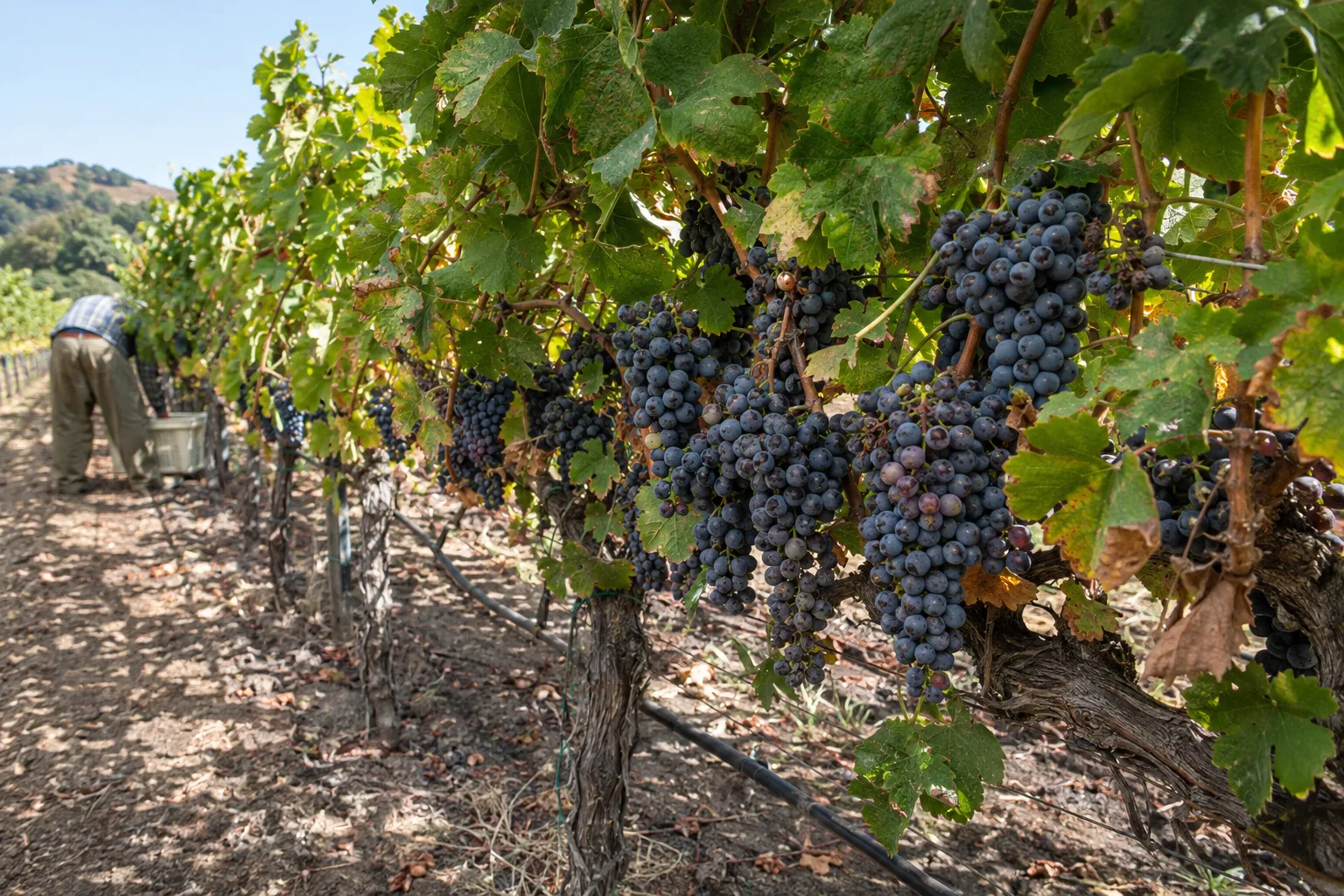
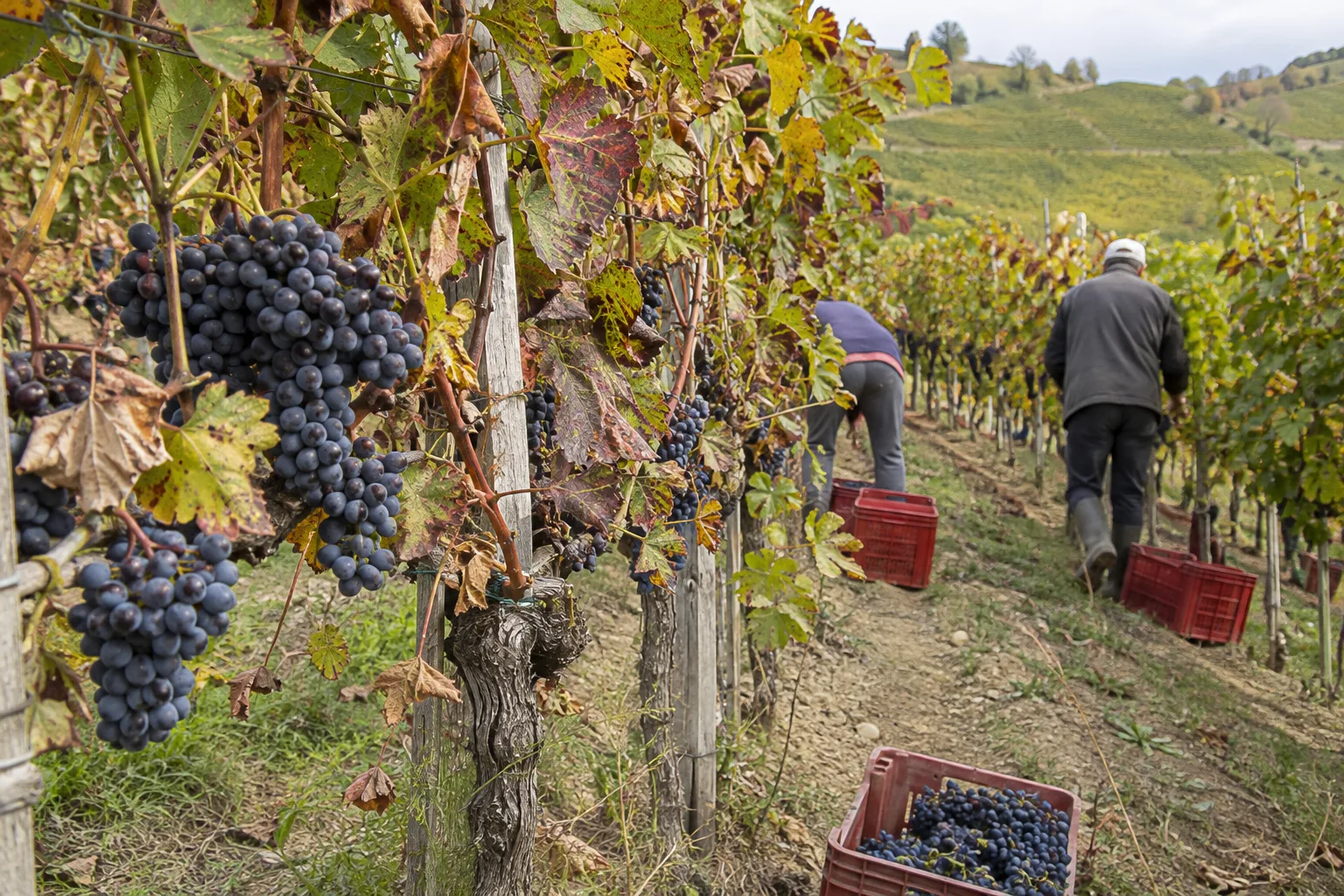
Tedeschi reports lower yields and optimal phenolic ripeness in Valpolicella’s 2026 harvest
The family-run Valpolicella winery began picking on September 7, earlier than average, after a season shaped by intense summer heat, August rain and cooler nights. It has not quantified the decline in production, and its assessment remains preliminary while young wines develop and part of the crop undergoes drying.
A smaller crop with promising maturity
Tedeschi concluded its 2026 Valpolicella harvest with lower grape yields but encouraging indications of quality. The winery did not quantify the production decline or specify which vineyards or varieties were most affected.1
Harvesting started on September 7, earlier than the estate’s average but not exceptionally so. Enologist Riccardo Tedeschi said the season did not follow a straightforward progression in which heat continually accelerated ripening: periods of intense heat sometimes slowed maturation and altered expectations formed earlier in the summer.1
August weather and hillside sites
According to the producer, August rainfall followed by cooler nighttime temperatures was decisive in helping the grapes attain optimal phenolic ripeness. This maturity concerns compounds including anthocyanins and tannins, which influence the color, texture and aging potential of red wines.1
The winery said its higher hillside vineyards reinforced that effect because temperatures there can moderate more rapidly after warm days. Riccardo Tedeschi, who said he prefers to assess a vintage only after picking is complete, characterized the result as reduced quantity combined with, above all, optimal phenolic maturation.1
Comparison with 2022 and initial aromas
The wines in the cellar appear likely to have substantial structure and, in some respects, recall the 2022 vintage, which Tedeschi associates with age-worthy reds. The comparison is provisional because the wines are still in their initial stages of production.1
The estate’s early aromatic assessment emphasizes cherry and black cherry more than currant, accompanied by violet and a perceptible but restrained spicy character. These impressions may change during fermentation, aging and blending.1
Drying and vinification under way
Part of the crop is undergoing post-harvest drying, the process used for Amarone, while other lots are proceeding through early vinification. Valpolicella production relies principally on Corvina, Corvinone and Rondinella for styles ranging from fresh reds to Amarone, but Tedeschi did not identify the individual varieties in its assessment of the yield reduction.1
Grapes selected for drying are now being monitored, while the estate is evaluating how the remaining fruit performs during fermentation and early aging. A fuller judgment of the vintage will therefore depend on vinification and, for some wines, extended maturation.1
Adapting to less predictable seasons
Tedeschi placed the harvest within a recent pattern of warmer growing seasons in Italy, less distinct transitions among spring, summer and autumn, and weather events capable of rapidly changing vineyard development. It said these conditions make close observation of individual parcels increasingly important because exposure, elevation and soil can produce different responses to heat and rain within the same appellation.1
In Valpolicella’s sharply varied hillside terrain, the 2026 season demonstrated how individual sites can influence ripening speed and the balance between sugar accumulation and phenolic maturity. The practical response is to determine picking dates through repeated checks of separate vineyard blocks rather than applying one harvest date across the estate.1
The winery is led by siblings Antonietta, Sabrina and Riccardo Tedeschi together with Enrico, Antonietta’s son and a representative of the next generation. The family said the season highlighted the importance of altitude, local knowledge and flexibility as climatic conditions become harder to predict from year to year.1
Sources
Written by the Dionysus editors from the sources above.