Tedeschi reports lower yields and strong potential from Valpolicella’s 2026 harvest
The Valpolicella producer began picking on 7 September, earlier than average, and says August rain and cooler nights helped the grapes achieve optimal phenolic ripeness despite reduced yields.
Tedeschi’s initial assessment of the 2026 Valpolicella harvest combines a smaller grape crop with promising indicators for wine quality. The historic family winery is led by siblings Antonietta, Sabrina and Riccardo Tedeschi alongside Enrico, Antonietta’s son and a member of the new generation.1
The winery places the vintage within a climate marked by higher temperatures, less clearly separated seasons and weather events that are changing growing conditions across Italian wine regions. Riccardo Tedeschi, the estate’s enologist, said he prefers to evaluate a harvest from its results rather than make predictions while work is still under way.1
The growing season and harvest
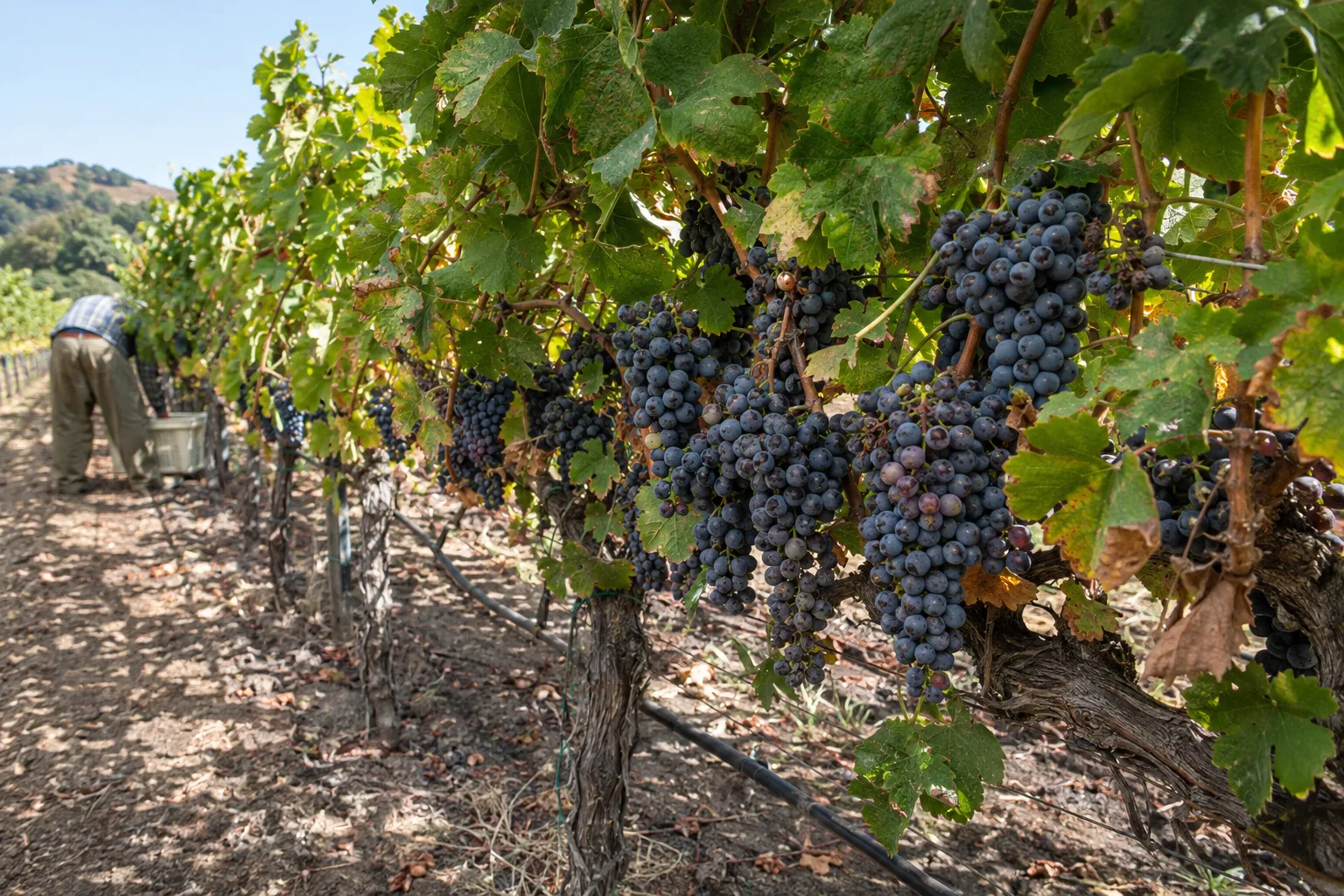
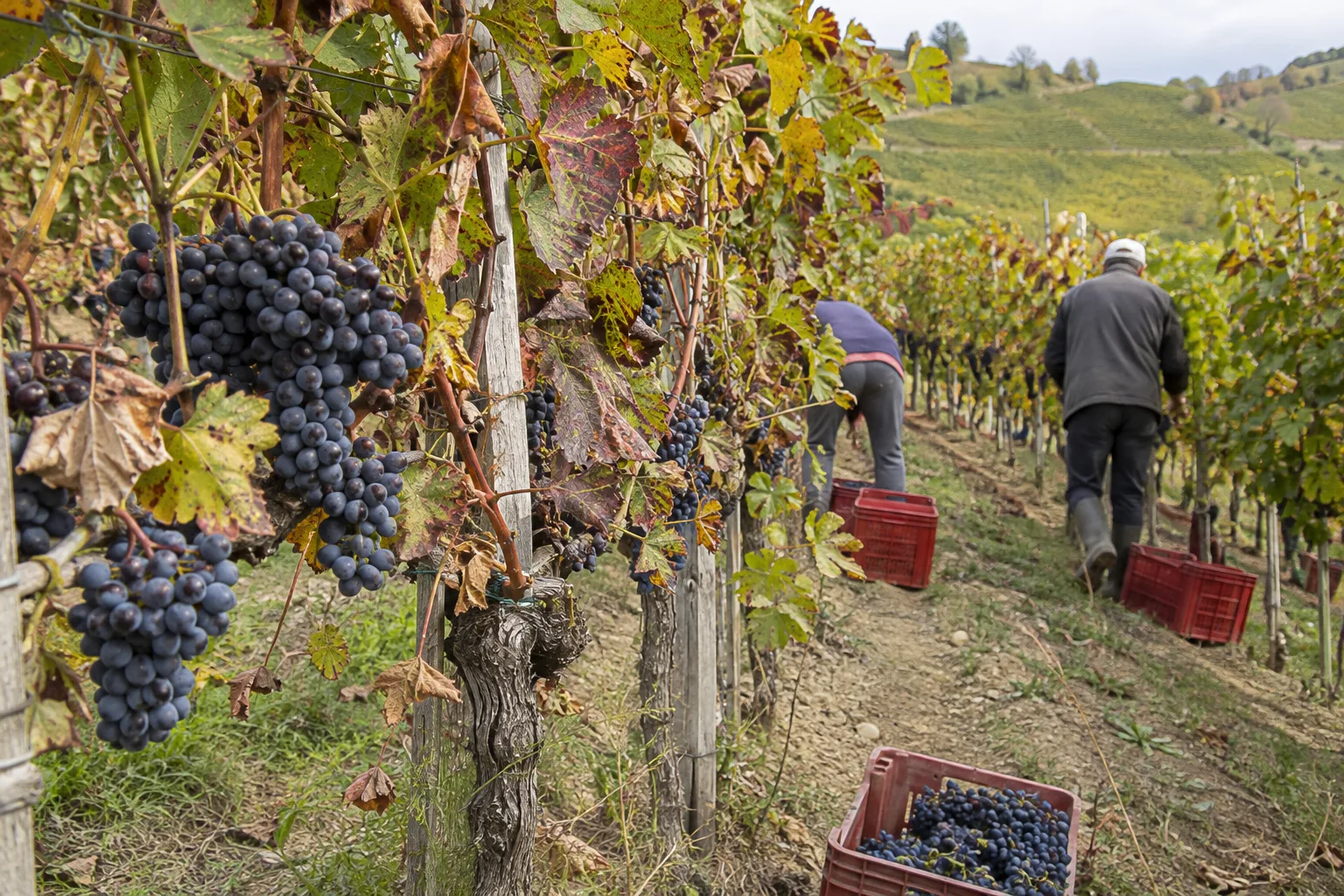
Harvest began on 7 September 2026, earlier than average but without the substantial shift in timing that high summer temperatures might have suggested. According to the estate, periods of intense heat sometimes slowed development instead of continuously accelerating ripening, changing its early expectations for the picking schedule.1
August rain followed by cool nights proved more important to the final development of the grapes. Tedeschi reports optimal phenolic ripeness and substantial accumulation of anthocyanins and tannins, compounds that contribute to the color, structure and capacity of red wines to evolve.1
Riccardo Tedeschi said the cool post-rain nights, together with the winery’s vineyards on elevated hillsides, supported a slower and more complete ripening process. He characterized 2026 as a vintage defined by reduced quantity and, above all, optimal phenolic maturity.1
Early indications for the wines
The winery expects red wines with structure, depth and significant aging potential, drawing a comparison with the 2022 vintage. Its early aromatic assessment emphasizes cherry and black cherry, with less pronounced currant, while violet appears in the floral register alongside a noticeable but delicate spice character.1
Tedeschi also identifies differences among individual parcels as an important feature of 2026. The estate says knowledge of how each Valpolicella vineyard responds to weather has become increasingly important as conditions grow less predictable, while vineyard altitude and close observation of each season remain decisive factors.1
Work continues in the cellar
With picking completed, attention turns to winemaking, grape drying and maturation. Those stages will determine how the lower-yielding 2026 crop develops and whether its reported phenolic maturity becomes the structured, long-lived Valpolicella reds anticipated by the producer.1
Sources
Written by the Dionysus editors from the sources above.