Tuscany plans wine-sector task force as Valdarno producers face structural pressure
The regional working group will bring together the wine sector to develop shared strategic measures covering financial strain, market positioning, climate adaptation, investment and new markets.
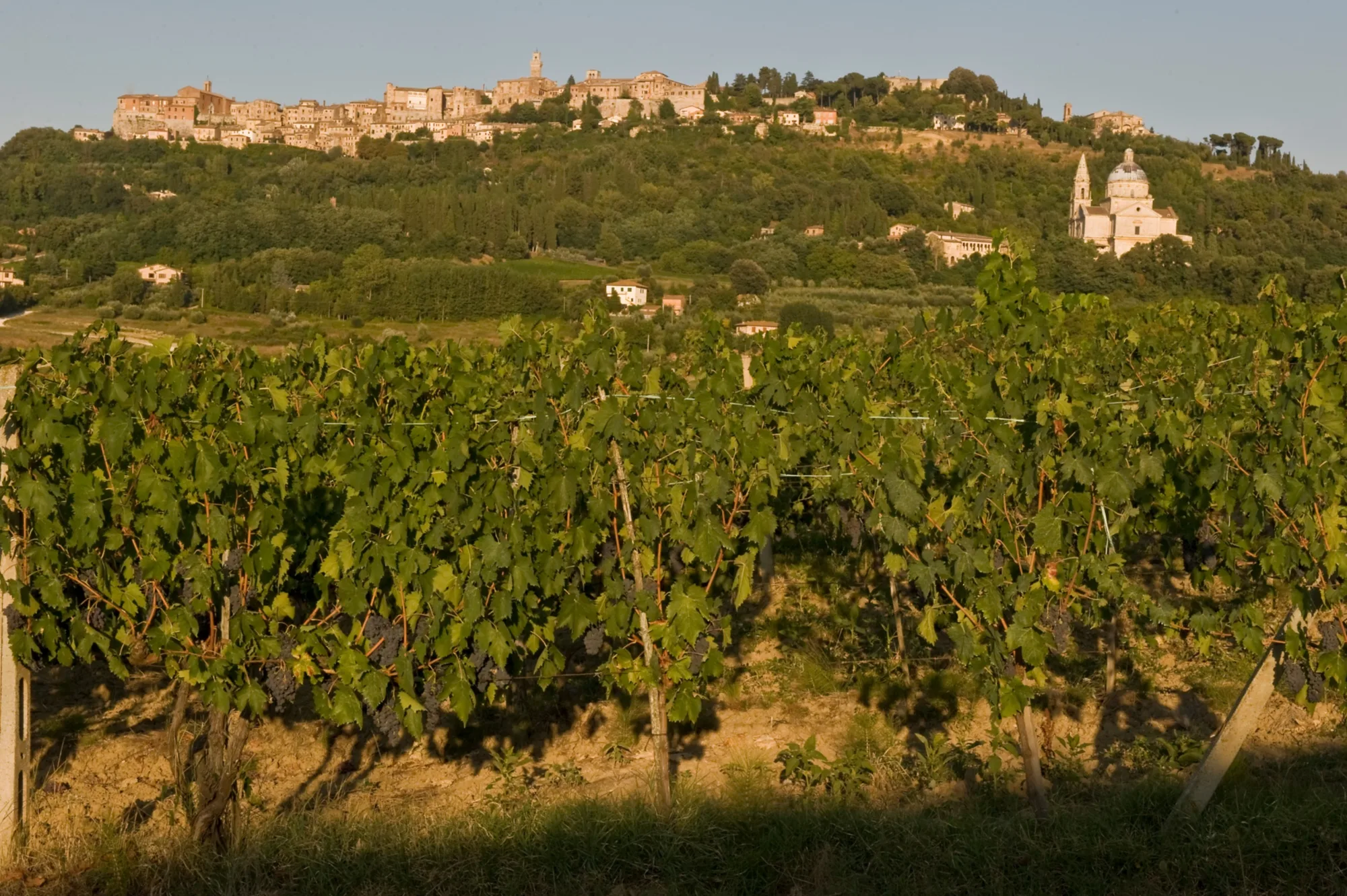
The Tuscany regional government announced on Thursday, 5 November that it would create a regional wine-industry task force. The decision comes as producers in Valdarno contend with higher production costs, lower selling prices and weaker demand for some wines.1
The announcement was made during a meeting at Figline city hall attended by Tuscany agriculture official Leonardo Marras, representatives of municipalities in the Aretine and Florentine parts of Valdarno, wine producers and trade associations. The Rural and Organic District of Valdarno organized the discussion and presented local concerns to the regional authorities amid growing pressure on farms and wineries.1
A structural crisis
Marras described the global wine-sector downturn as a prolonged and difficult structural crisis, with still red wines under particular pressure. That category remains important to Tuscany’s identity and production. He said the working group would include representatives from across the sector and prepare a common platform of strategic action.1
Its remit is expected to cover urgent difficulties as well as longer-term questions about the industry’s future. Marras identified possible support for businesses facing the most severe financial pressure and a wider reconsideration of Tuscan wine’s market positioning as consumption changes and margins tighten.1
The concerns presented in Valdarno included rising input costs alongside declining market prices. The regional response treats these pressures as more than a temporary contraction and anticipates broader changes in the production, marketing and sale of some wines.1
Research, investment and new demand
Marras said repositioning the sector would require research, adaptation to climate change and new investment. In his account, investment should extend beyond vineyards and cellars to promotion and the search for new markets, combining help for immediate pressures with efforts to develop demand outside established channels.1
Because Tuscany is among Italy’s most prominent wine-producing regions, choices concerning assistance, market strategy and product positioning may also affect importers, distributors and other wine-trade businesses if the task force produces new policies or coordinated promotional initiatives.1
Valdarno seeks a role
Michele Rossi, president of the Rural and Organic District of Valdarno, said the meeting allowed local businesses to explain their everyday difficulties directly to the regional government. He identified the wine crisis as a major concern both for companies in the area and for Tuscany as a whole, citing the combined impact of higher costs and falling prices.1
Rossi said the district was prepared to connect local producers with the regional body once it was formally established. He presented the planned task force as an opportunity for closer cooperation between the region and Valdarno while businesses seek practical assistance and a clearer long-term direction.1
Support from 10 municipalities
According to Rossi, 10 municipalities adopted motions through their councils and executive bodies in support of the wine sector and delivered the documents directly to Marras. He said the initiative demonstrated unity across political divisions and the administrative boundary between the Florentine and Aretine parts of Valdarno.1
The regional initiative is not yet a detailed rescue package, and officials gave no timeline for the task force’s work at the meeting. Its planned creation nevertheless marks a coordinated regional response to a prolonged downturn, changing consumption and the wine industry’s need to adjust to a different market environment.1
Sources
Written by the Dionysus editors from the sources above.