UC Davis tests detection, barriers and zeolites against smoke-tainted wine
Researchers at the UC Davis Department of Viticulture and Enology are developing faster grape screening, protective berry coatings and selective wine purification as California’s wine sector confronts wildfire smoke exposure.
Wildfire losses and the chemistry of smoke taint
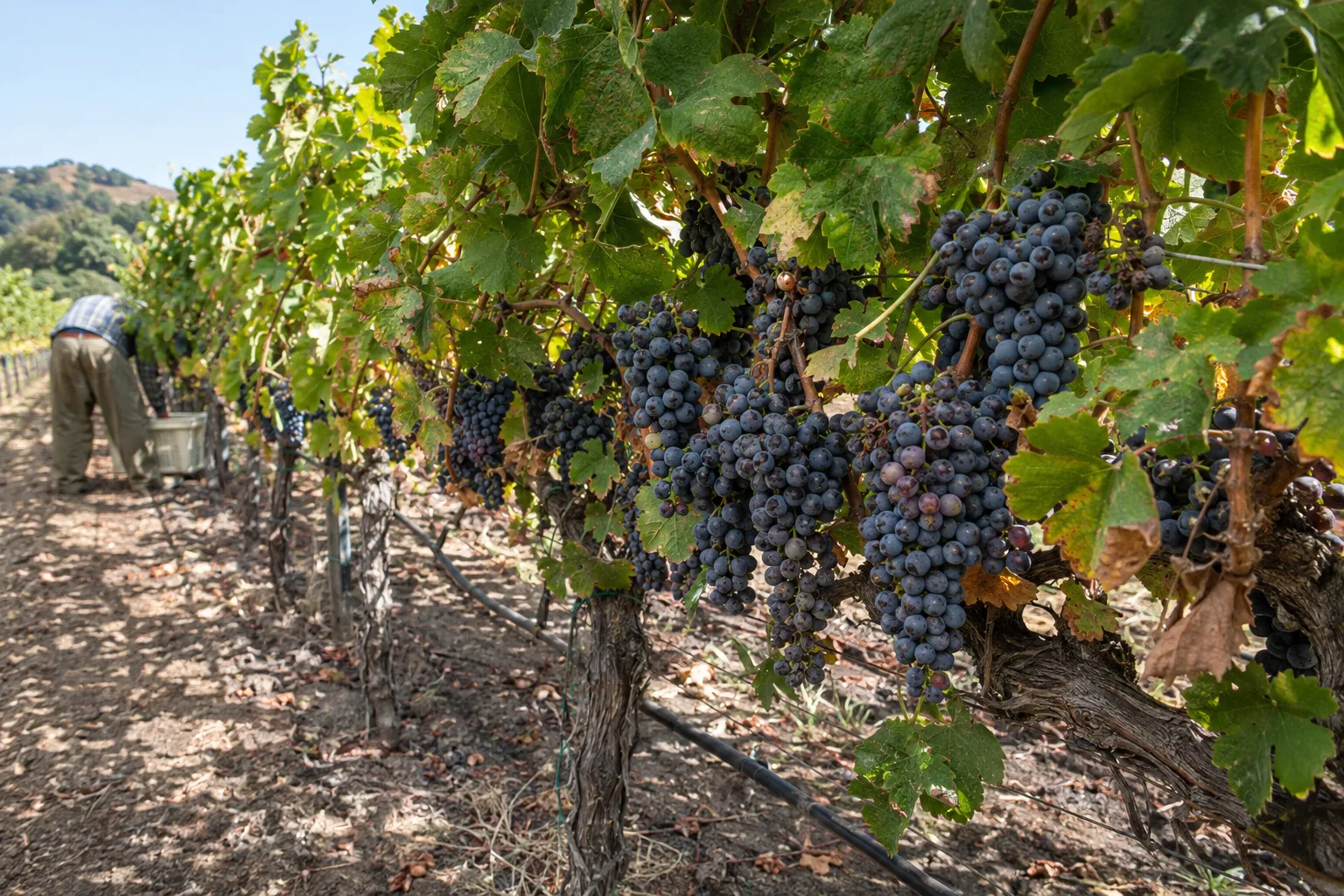
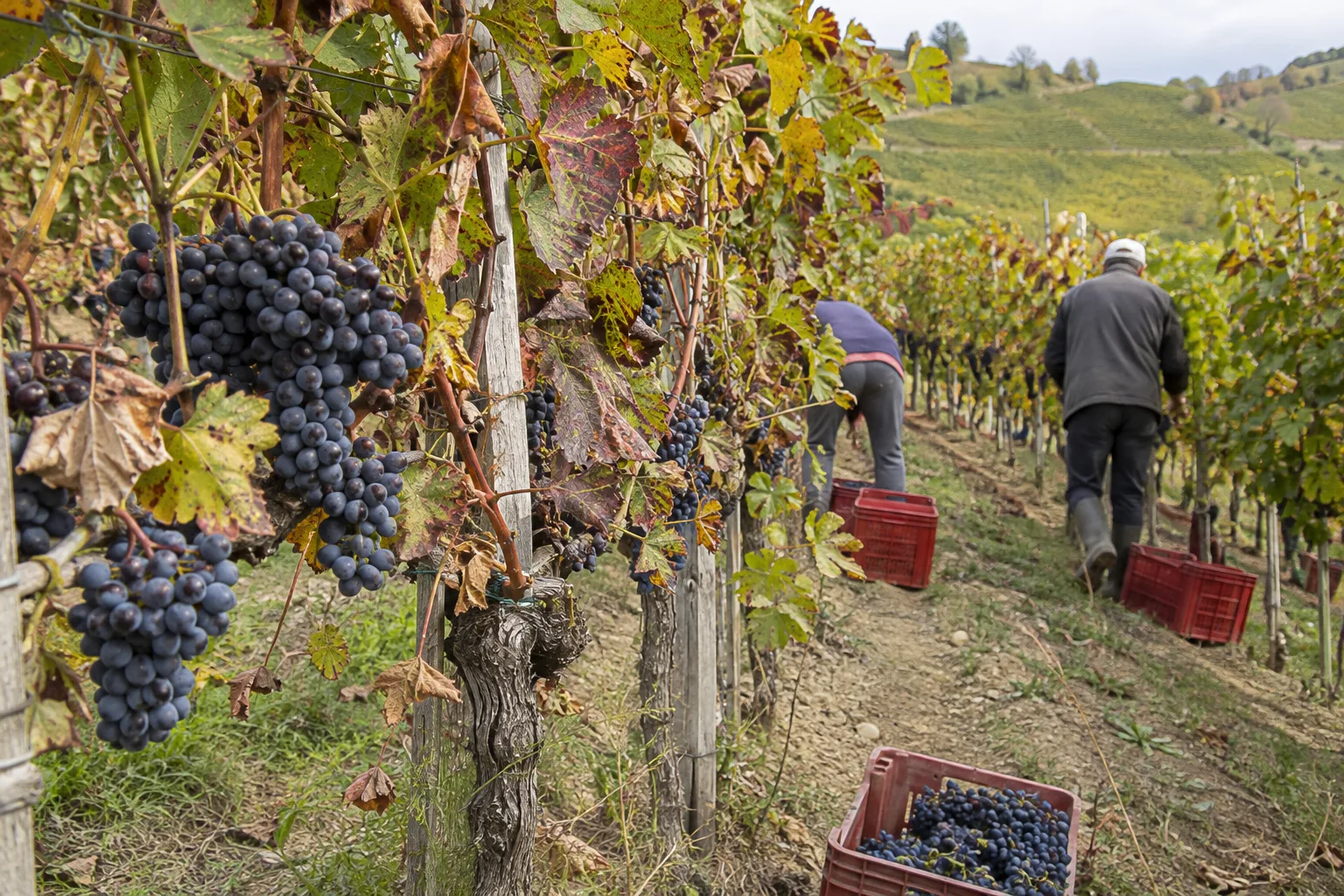
California’s grape industry was valued at $5.21 billion by the California Department of Food and Agriculture in 2025. UC Davis researchers are studying ways to protect it as wildfires become more frequent and severe. Arran Rumbaugh, assistant professor of cooperative extension in enology, said the 2020 fires and vineyard smoke exposure caused $3.7 billion in losses to California’s wine and grape industries, while grapes worth about $600 million went unharvested.1
When plant matter burns, it releases volatile phenols including guaiacol and 4-methylguaiacol. Grape skins absorb these compounds, which bind to sugars inside the fruit and form water-soluble conjugates known as glycosides. Fermentation can break down the glycosides, releasing smoky aromas and producing the unpleasant ashy flavors associated with smoke taint.1
Faster detection and protective coatings
Rumbaugh works with atmospheric chemists, plant biologists and sensory scientists to assess smoke risk quickly, connect grape chemistry with sensory effects in finished wine and devise ways to limit damage to quality. The aim is to give growers and winemakers better information for decisions about harvest timing, abandoning exposed fruit and adapting winemaking.1
Her laboratory is developing a portable screening method intended to identify smoke exposure in grapes more quickly than the costly, slow laboratory tests currently available to growers. Rumbaugh is also collaborating with other UC Davis researchers on barrier sprays that coat grape berries; the coatings are being evaluated in controlled smoke chambers to determine whether they can block smoke compounds from entering the fruit.1
Research once concentrated mainly on guaiacol, but investigators have since identified a more complex mixture of compounds responsible for ashy flavors. Some effects may not emerge until months after bottling, allowing smoke taint to escape early detection and increasing the need for treatments that can act directly on wine.1
Selective purification with Zeolite Y
During the summer preceding the article’s publication on November 12, 2026, third-year chemical engineering student Anvi Gore worked with chemical engineering Ph.D. candidate Connor Patton on selectively extracting smoke compounds from wine without stripping away desirable sensory qualities. Conventional treatments such as activated carbon can also remove wanted flavor compounds, so they tested porous crystalline materials called zeolites.1
Zeolites are already authorized by the International Organisation of Vine and Wine for treating cork taint. Gore and Patton obtained promising preliminary results with Zeolite Y, a microporous material commonly used as a catalyst. Gore said its pore size of 0.7–0.8 nanometers appeared suitable for adsorbing free volatile phenols while limiting adsorption of desirable compounds.1
The Zeolite Y findings had not been published at the time of reporting and form only one part of the UC Davis department’s broader work on preventing smoke exposure from spoiling wine.1
Federal support for smoke research
The UC Davis projects sit within a wider effort by scientists and winemakers to improve wines affected by smoke. Since 2020, the United States Department of Agriculture has directed about $5 million of its $27 million annual grape-research budget to smoke-exposure studies, with UC Davis serving as a major center for the continuing work.1
Sources
Written by the Dionysus editors from the sources above.