VitiBot fleet passes 216 autonomous vineyard robots
The electric machines developed in Reims are moving beyond the start-up phase, with Bakus S and Bakus L robots now deployed in French wine regions including the Médoc, Champagne and Cognac.
From start-up to industrial distribution
VitiBot’s driverless, blue electric machines are now commercially available and industrially produced rather than experimental, according to David Causse, president of SDF France, whose group owns the VitiBot subsidiary. More than 216 robots are in operation, and the fleet continues to grow.1
Designed by VitiBot in Reims, the machine became part of SDF after the family-owned agricultural-equipment group acquired the company in 2022. SDF has specialized in farm machinery since 1927 and owns brands including Deutz-Fahr, SAME and Lamborghini Trattori. Since 2011, it has also owned Cognac-based harvesting-machine manufacturer Grégoire.1
SDF France now distributes both Grégoire and VitiBot. Causse said this organization is intended to give winegrowers access to the SDF group’s range of expertise while retaining specialist distribution networks and local support.1
Deployments across French vineyards
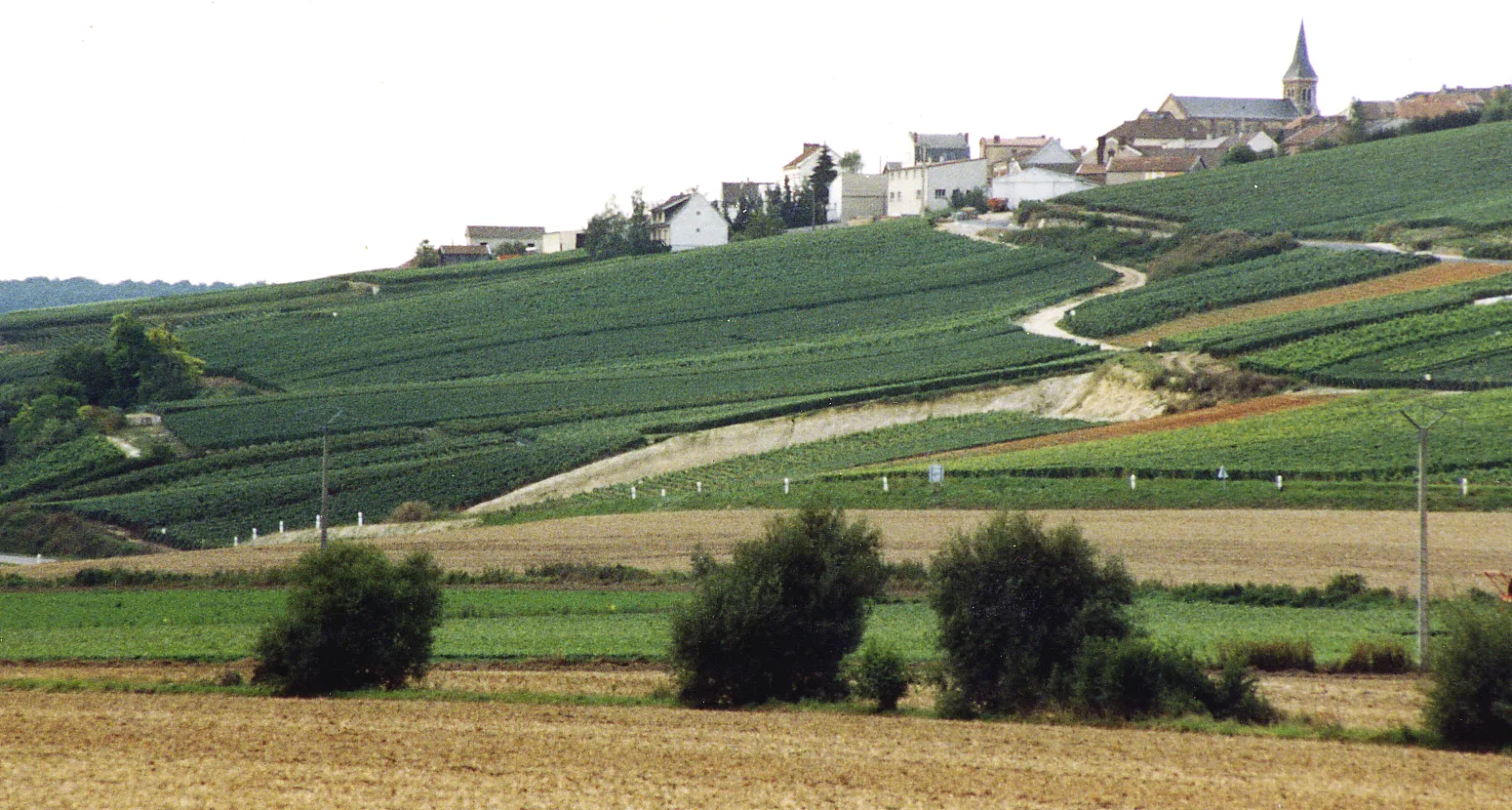
The autonomous machines have been seen in the Médoc at Château Beychevelle and Château Pichon Comtesse, in Pommery’s Champagne vineyards, and in the Cognac area. Deployments there include the Renaudin agricultural school in Petite-Champagne and Martell’s vineyards in Grande-Champagne. The report says the first users appear satisfied.1
Bakus S and Bakus L
VitiBot currently offers two models. Bakus S is intended for narrow vineyards such as those in Champagne and Bordeaux, while Bakus L is designed for wider vineyard layouts such as those found around Cognac. After parcels are mapped, GPS antennas and an application enable the machine to perform its work autonomously.1
Initial compatible implements included under-vine tools, mowers and vine trimmers. The range has since expanded to weeding equipment and a shear trimmer combined with an under-vine tool. A VitiBot engineer said operation is quick to learn and intuitive, but profitability depends on enabling the robot to carry out multiple tasks.1
Price, subscription and operating case
A VitiBot costs about €205,000 with its charger and implements and comes with a five-year warranty; rental is also available. Monitoring requires an annual subscription of roughly €5,000.1
The robots average about 10 hours of operating time. Their relatively low weight and tires are intended to limit soil compaction, while their ability to work throughout vineyards is meant to reduce reliance on tractors and tractor drivers. The VitiBot team said the economic case requires large vineyard areas, but added that the robot can enter steep places inaccessible to tractors and help address labor shortages.1
Sources
Written by the Dionysus editors from the sources above.