WSU study questions varietal differences in winegrape drought response
A 2-year study of 30 winegrape varieties found broadly similar physiological responses to reduced water, suggesting that soil conditions and canopy size may be more useful for irrigation planning than general varietal drought-tolerance labels.
Similar responses across 30 varieties
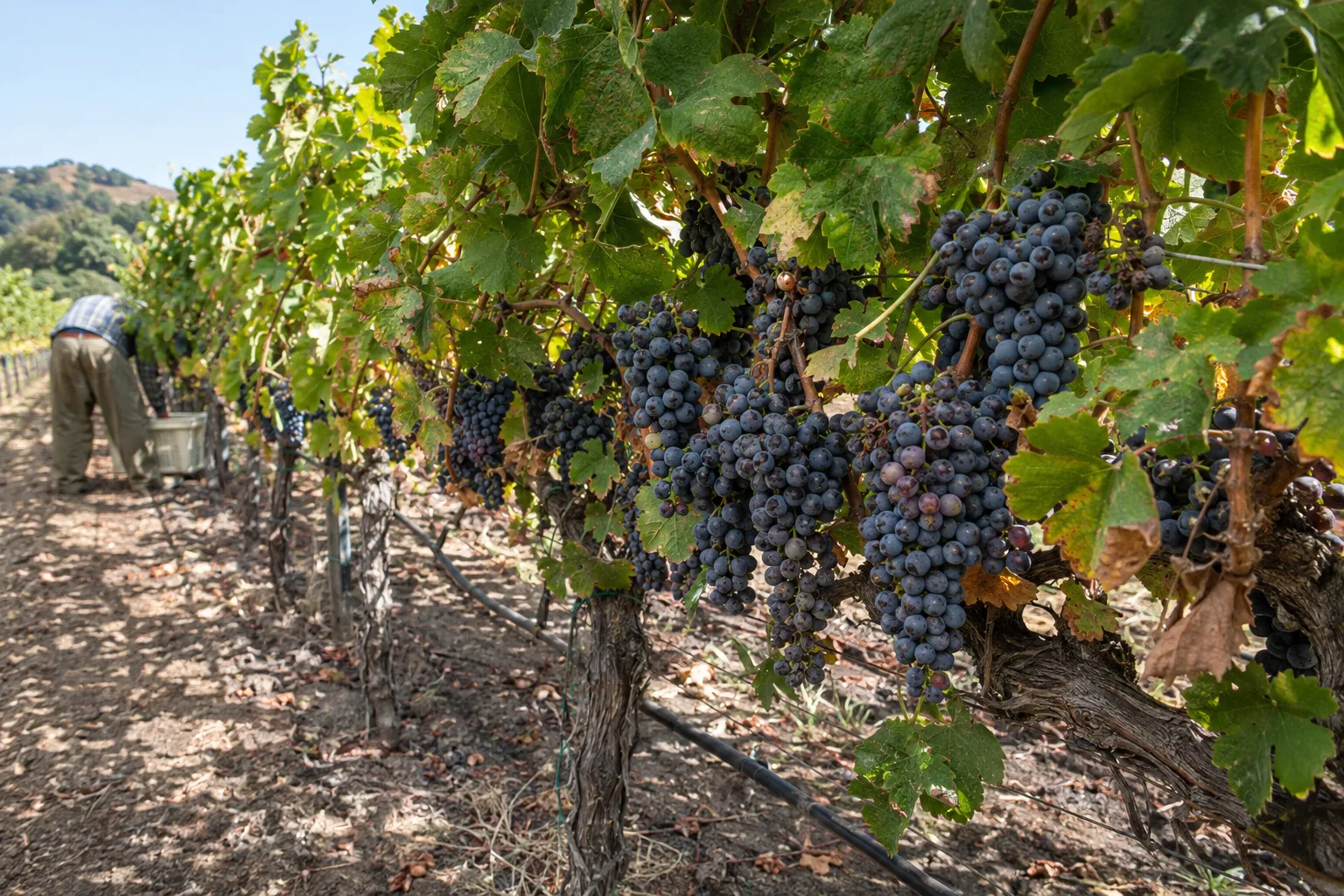
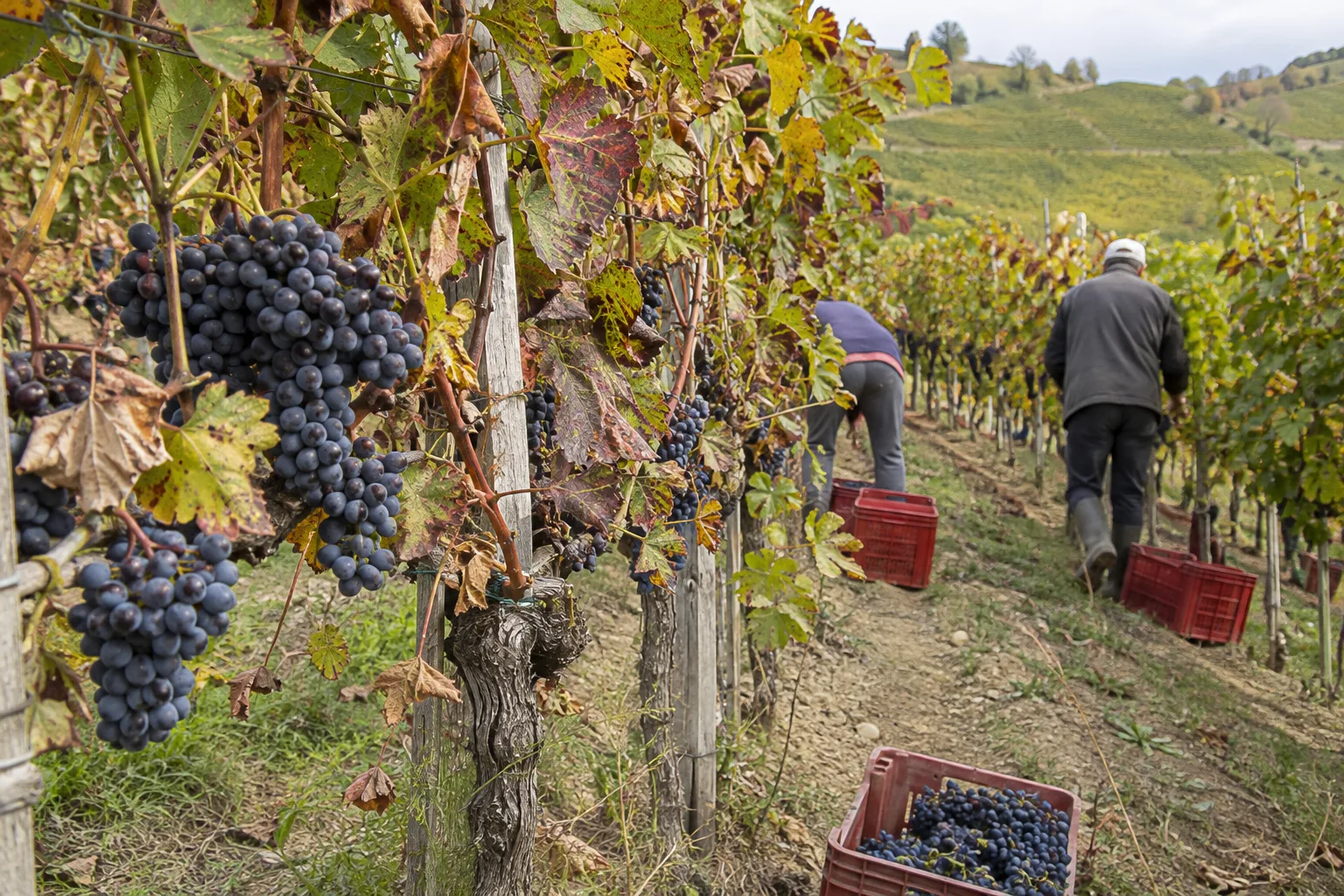
Washington State University researchers monitored 30 winegrape varieties in 1 vineyard for 2 years, measuring their physiological responses when water was reduced. The varieties generally reacted similarly under drought conditions, without the clear differences needed to support firm rankings of varietal drought tolerance.1
The results do not mean that every variety is identical. They show that, at the studied vineyard during the 2-year period, the measured responses were similar enough to cast doubt on broad classifications that present some varieties as consistently more drought tolerant than others.1
Soil and canopy move to the foreground
The study instead identifies soil conditions and leaf area, or canopy mass, as important influences on vine performance during water stress. Soil type affects the water available to roots, while the amount of foliage affects water loss through transpiration.1
If the pattern is confirmed at additional sites and over more seasons, irrigation planning could place greater weight on local soils, vine growth and direct field measurements. Managers could tailor decisions to soil differences among individual vineyard blocks and to canopy management rather than assuming that a particular variety will always require less water.1
Implications for vineyard water management
Wine producers rely on dependable grape yields and fruit quality while also facing pressure to reduce water use. The research suggests that more precise irrigation could save water by using detailed knowledge of vineyard soils and vine growth instead of depending mainly on traditional varietal labels; it does not establish that such savings would preserve yields or fruit quality.1
The findings are relevant as higher temperatures and increasingly variable rainfall affect agriculture. They add to efforts to improve water-use efficiency in winegrape production and may inform costs and long-term winery planning in dry regions, although confirmation across more locations and seasons remains necessary.1
Sources
Written by the Dionysus editors from the sources above.