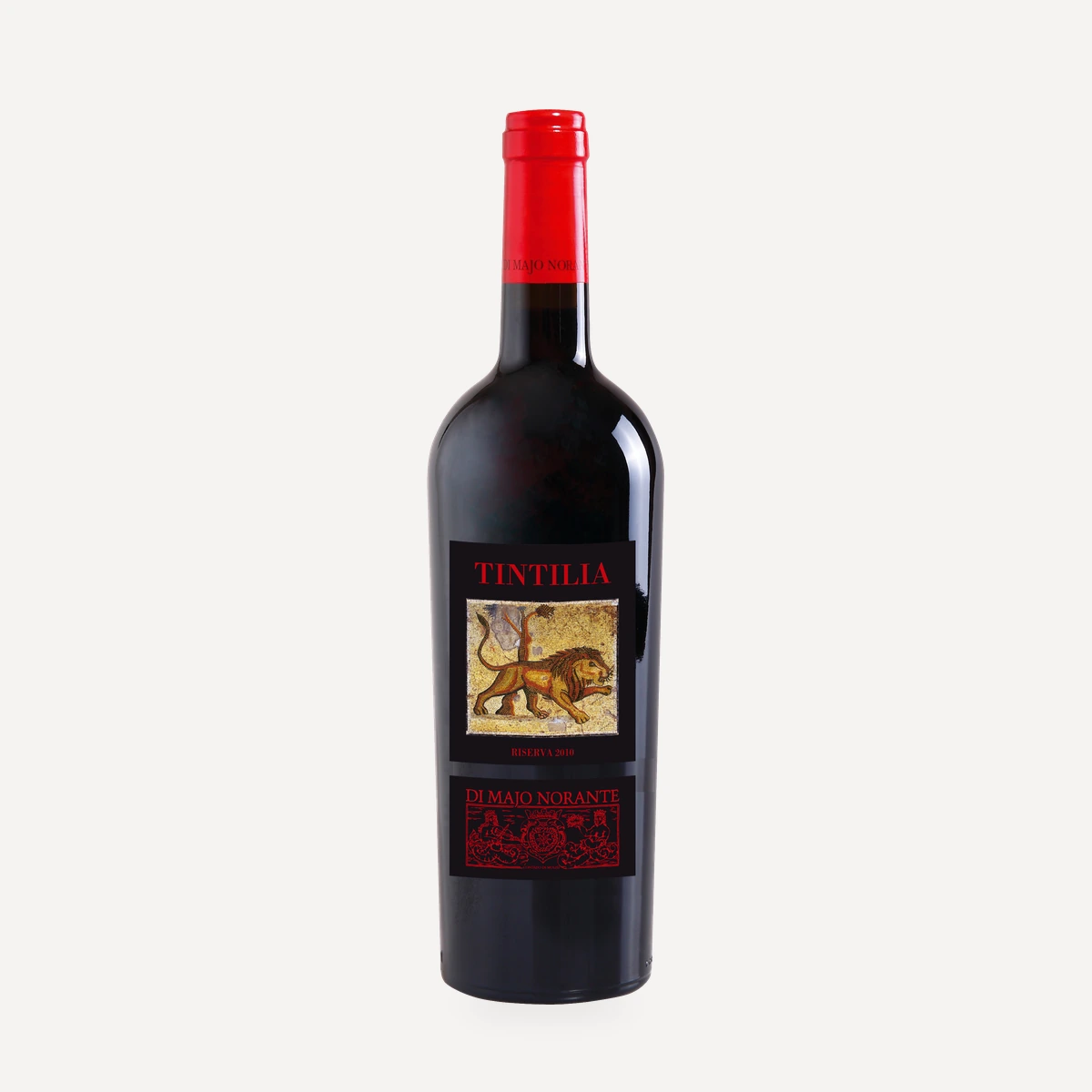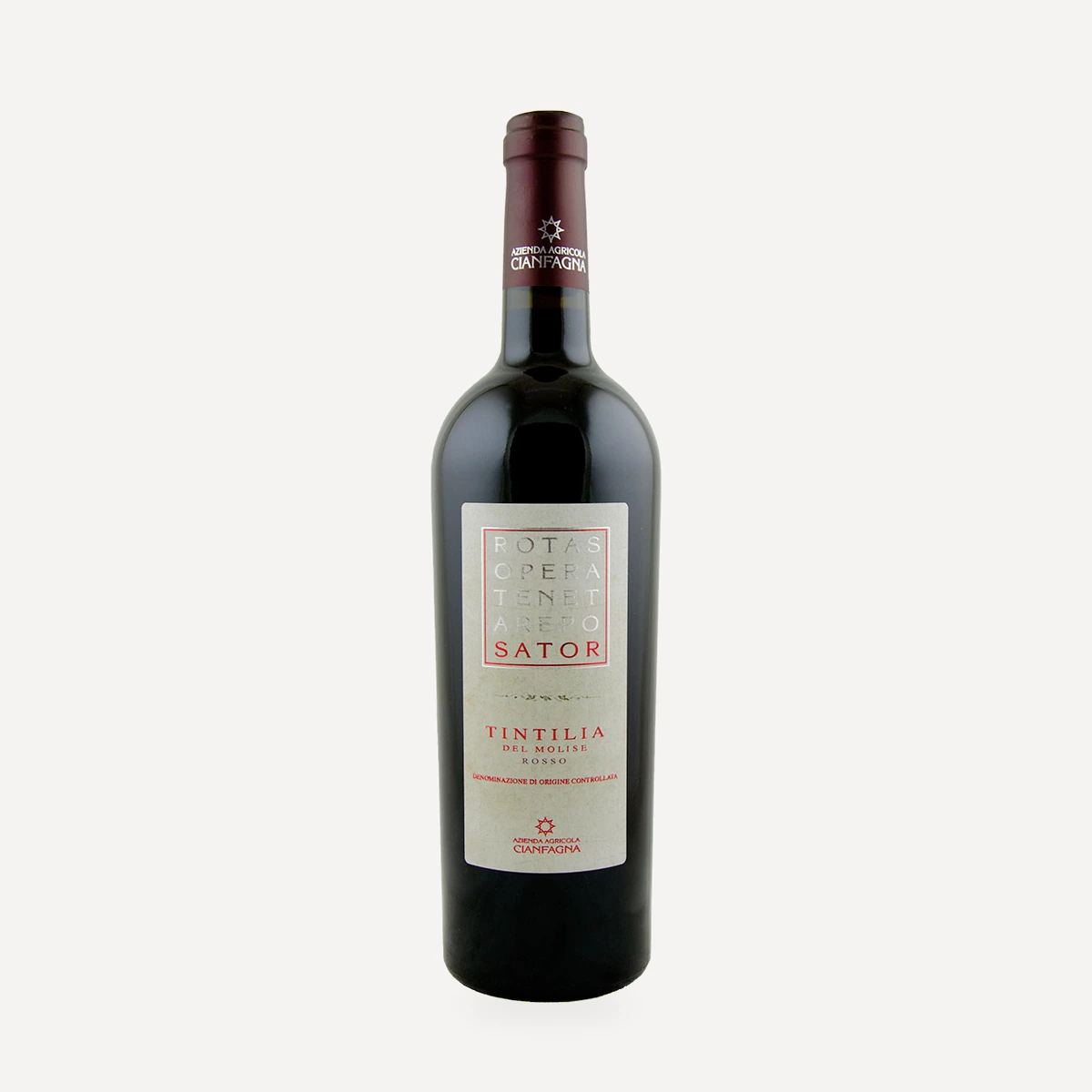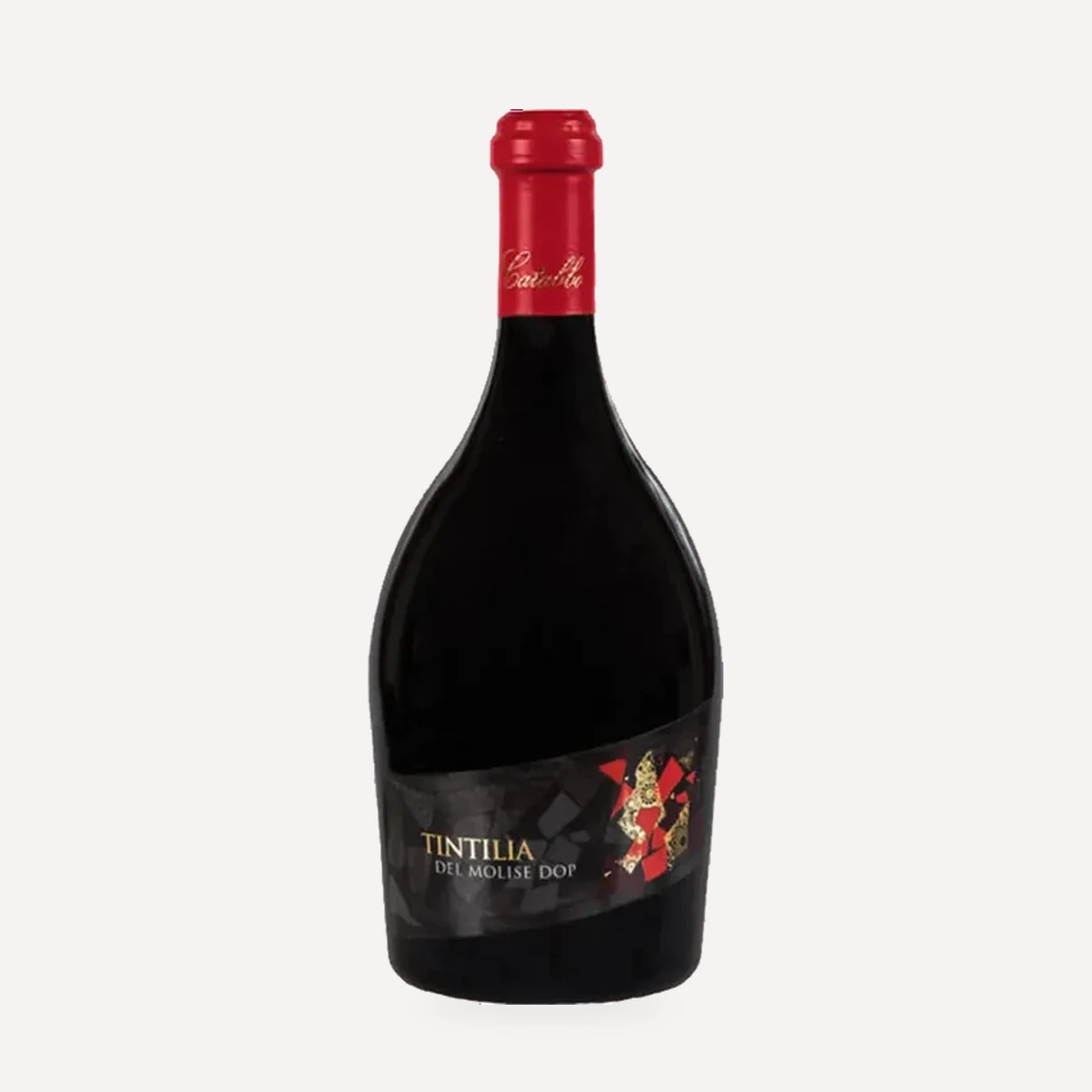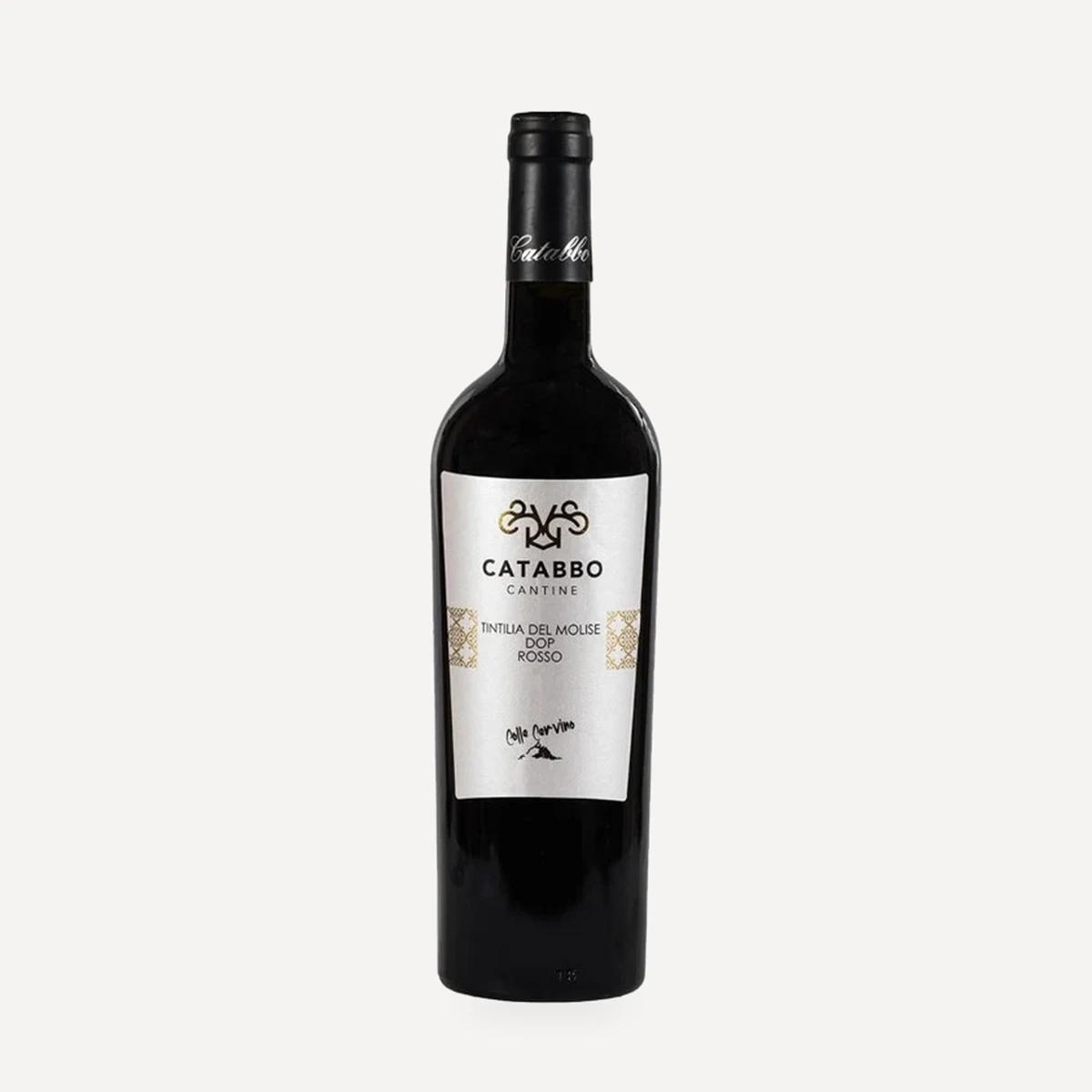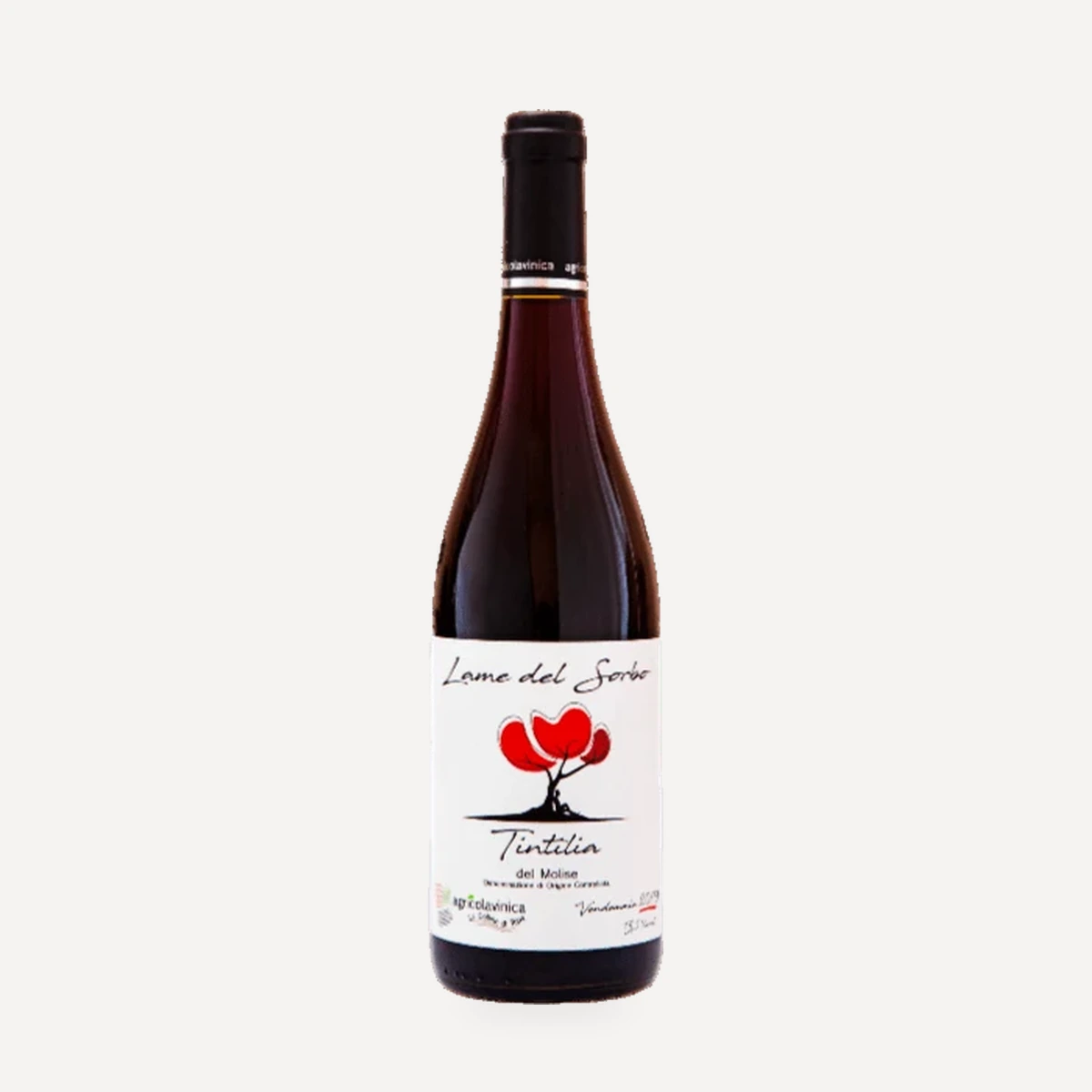
About this wine
Vineyard and terroir
The Tintilia comes from an 11 ha vineyard at Lame, on the hills of Ripalimosani. The west-facing site lies at 600 metres above sea level and has clay and limestone soils. The vines were planted in 2009 at a low density of 3,500 vines per hectare and are Guyot-trained. Rootstocks are 1103 P, CFC 60/30 and VCR 119 LU. Yield is 6,000 kg per hectare.
Grapes
100% Tintilia. The variety has small, loosely packed bunches rich in anthocyanins and produces moderately firm tannins. Tintilia had already been grown at Lame del Sorbo for more than 80 years.
Vinification
The grapes are harvested manually during the first ten days of October. Fermentation begins spontaneously with indigenous yeasts in stainless steel, accompanied by approximately 15 days of maceration.
Ageing
Approximately 48 months in stainless steel, followed by maturation in bottle.
Technical data
Alcohol: 13.5% vol. Production: 6,918 bottles.
Tasting profile
Bright ruby red. Sweet fruit aromas of strawberry jam and plums are joined by characteristic spicy notes. The palate is fresh and lively, with soft tannins and an aromatic-herb accent.
Serving and pairing
Serve at 18 °C. The 2021 product page presents it as a young, fresh and lively wine suitable throughout a meal.
Label / history
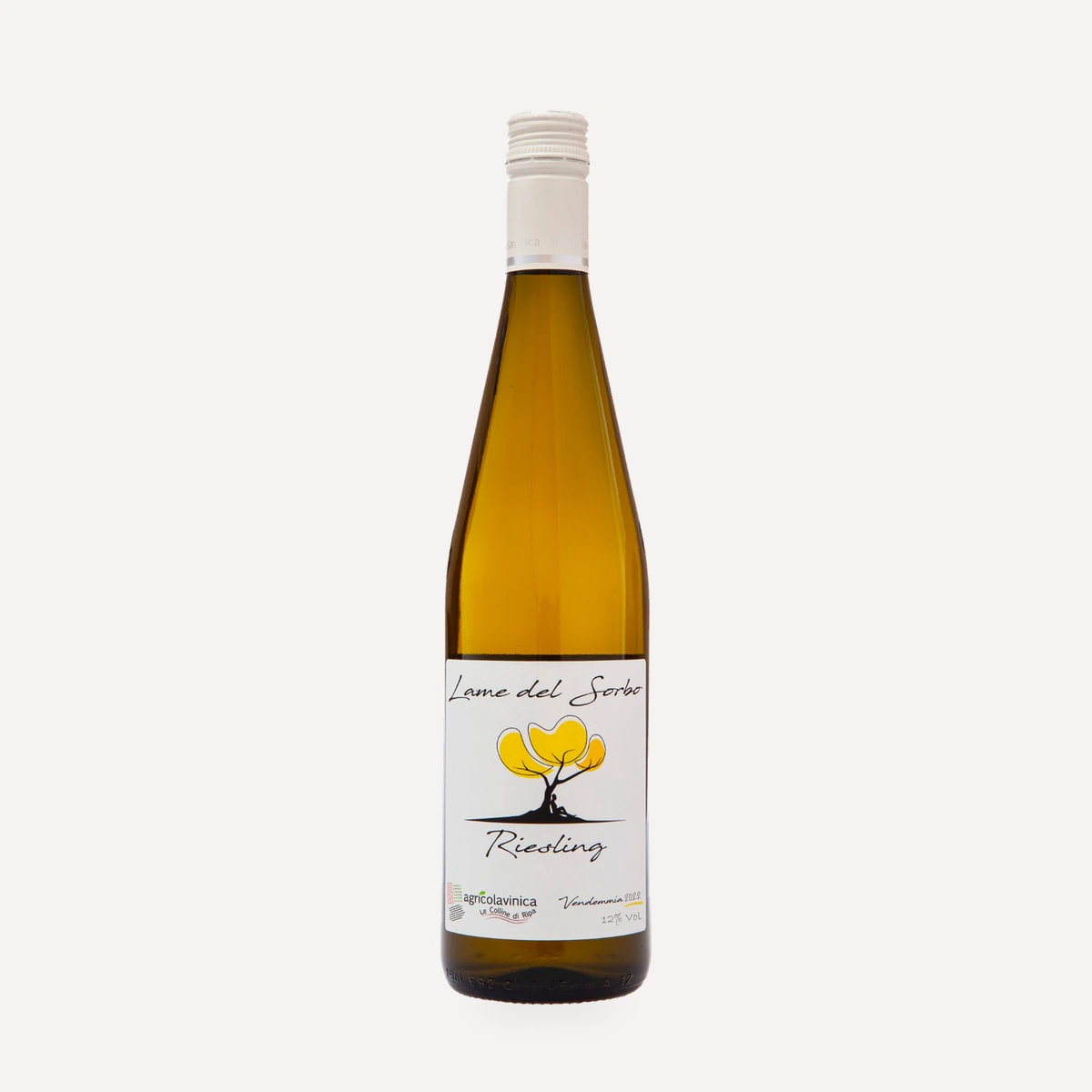
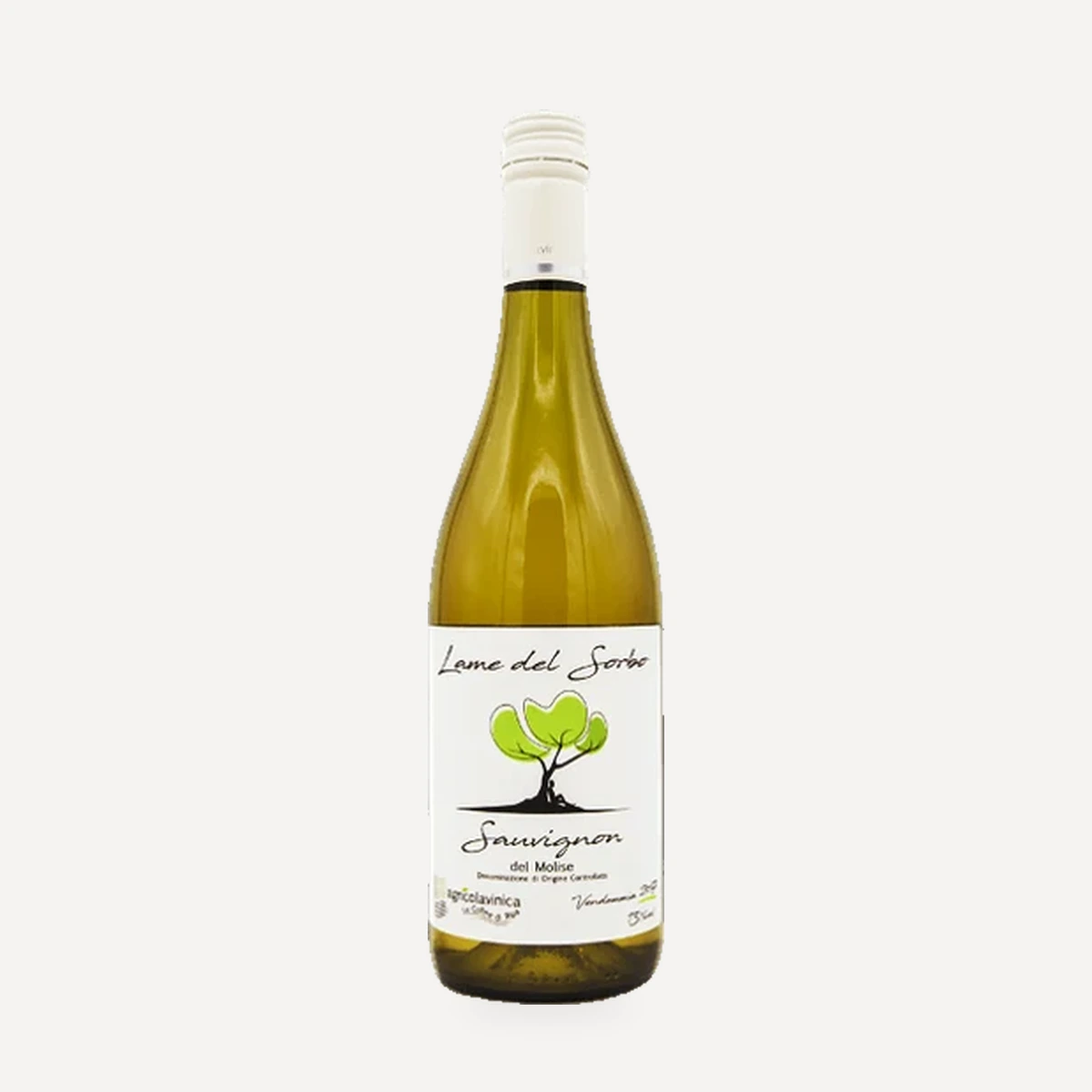
The name comes from a centuries-old rowan tree overlooking the vineyards at Lame, on the hills of Ripalimosani. The name Tintilia first appeared in an 1810 manuscript of the Società di Agricoltura di Campobasso.