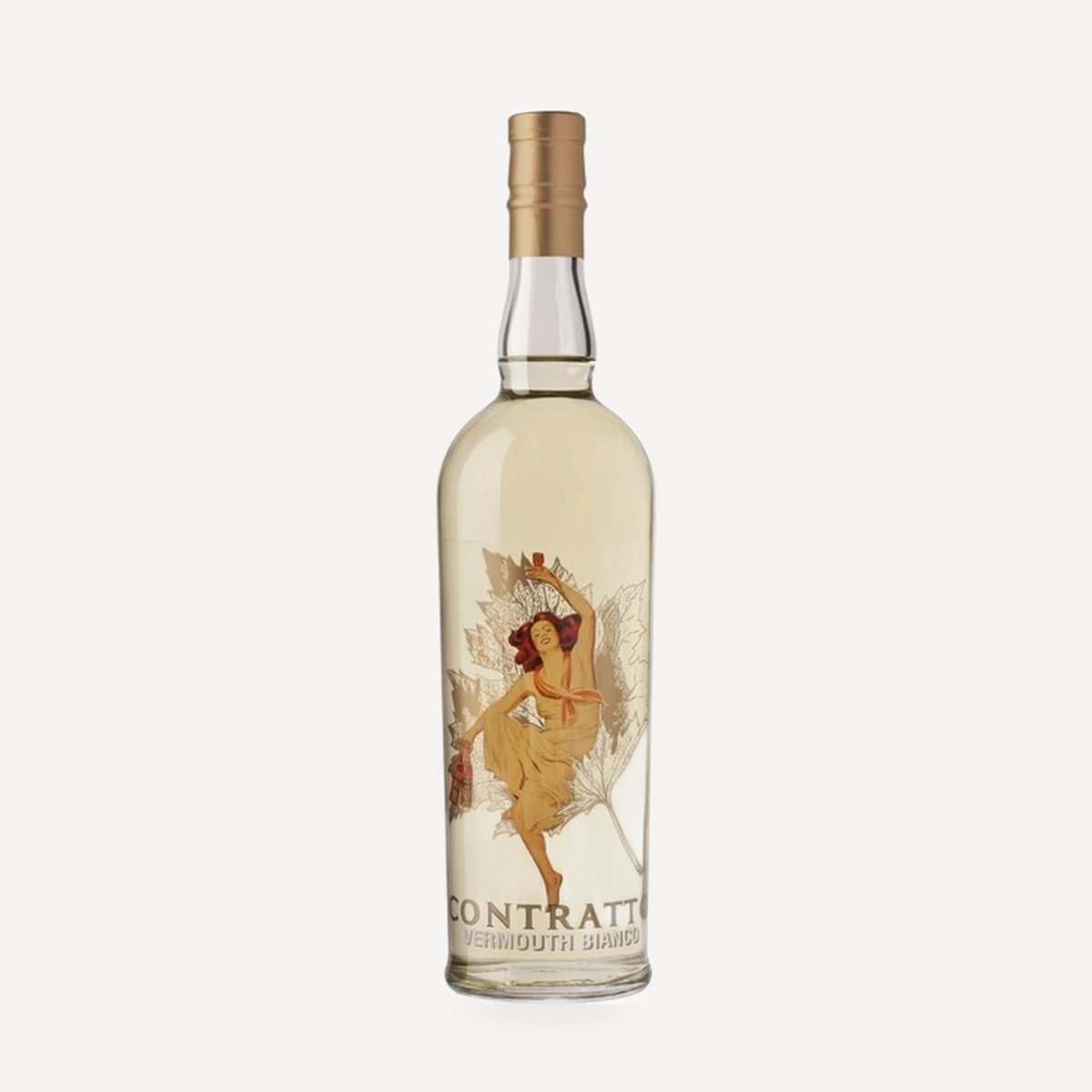
About this wine
Vinification
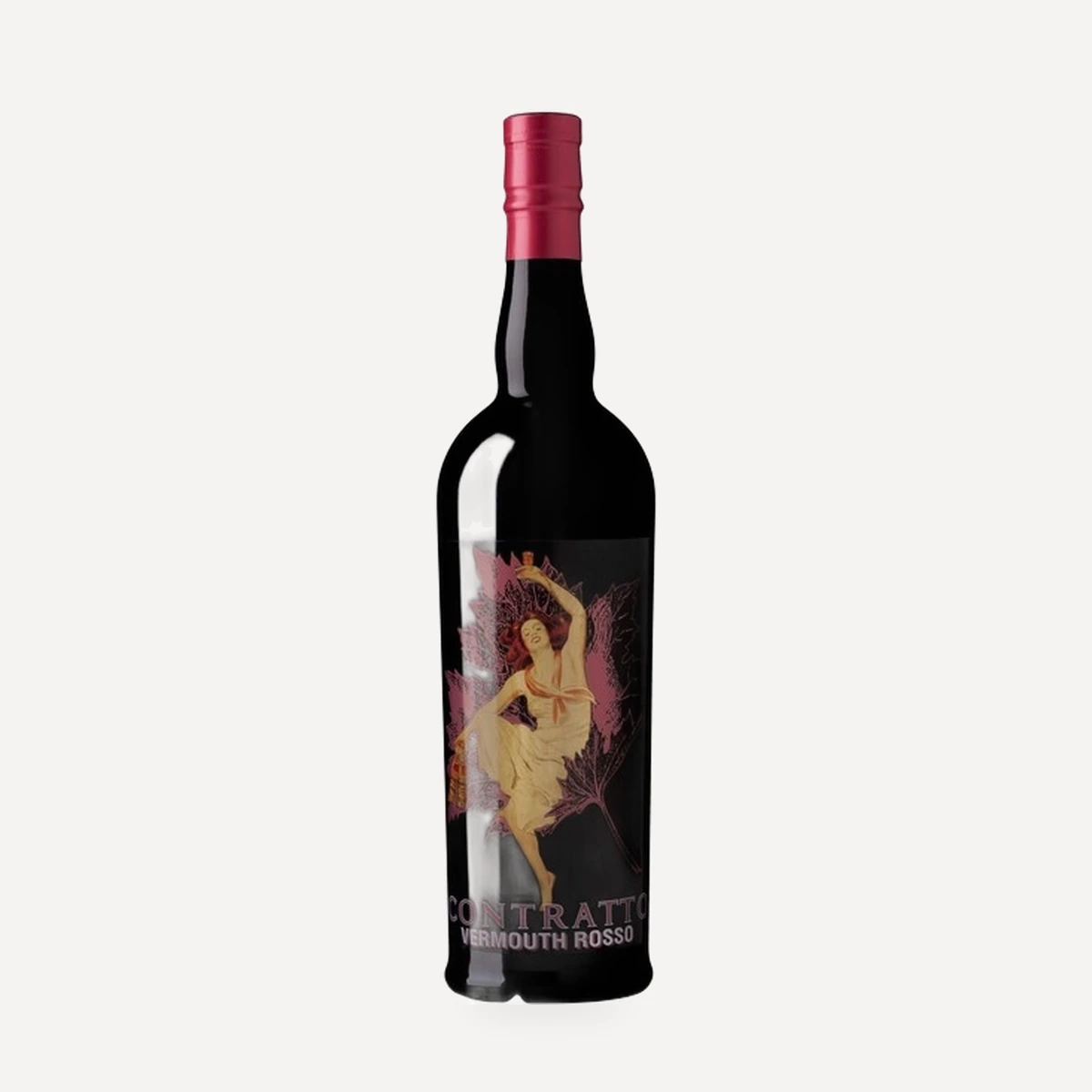
A white-wine base is infused with 30–50 natural herbs, spices, roots and seeds, then fortified with Italian brandy. Traditional cold maceration is used. Publicly disclosed botanicals include hawthorn flowers and leaves, coriander seeds, marjoram leaves, bay leaves, chamomile flowers, aloe juice, cinnamon, mint leaves, ginger root, nutmeg, gentian-root and nettle-leaf tinctures, sweet orange peel, juniper, rhubarb root, hibiscus flowers, lemon zest, elderflowers, liquorice root and sandalwood; the remaining ingredients are secret.
Tasting profile
Complex and balanced, with Asian medicinal-herb and Italian-spice notes alongside fresh citrus and a pleasant bitterness.
Serving and pairing
In recent decades, vermouth has been used mainly in cocktails. It may also be served over ice with a slice of lemon or orange, or as an aperitif mixed with sparkling wine or carbonated water.
Label / history
The first recipe dates from 1890, when herbs and spices were used to mask vermouth flavours or signs of oxidation. Production increased during the 1920s, although oxidized wine was still widely used as a base. The recipes were subsequently updated to give the vermouth a fresher character. Its popularity declined considerably after the Second World War, while remaining widespread in Europe and overseas. The present range combines traditional methods with a modern approach.