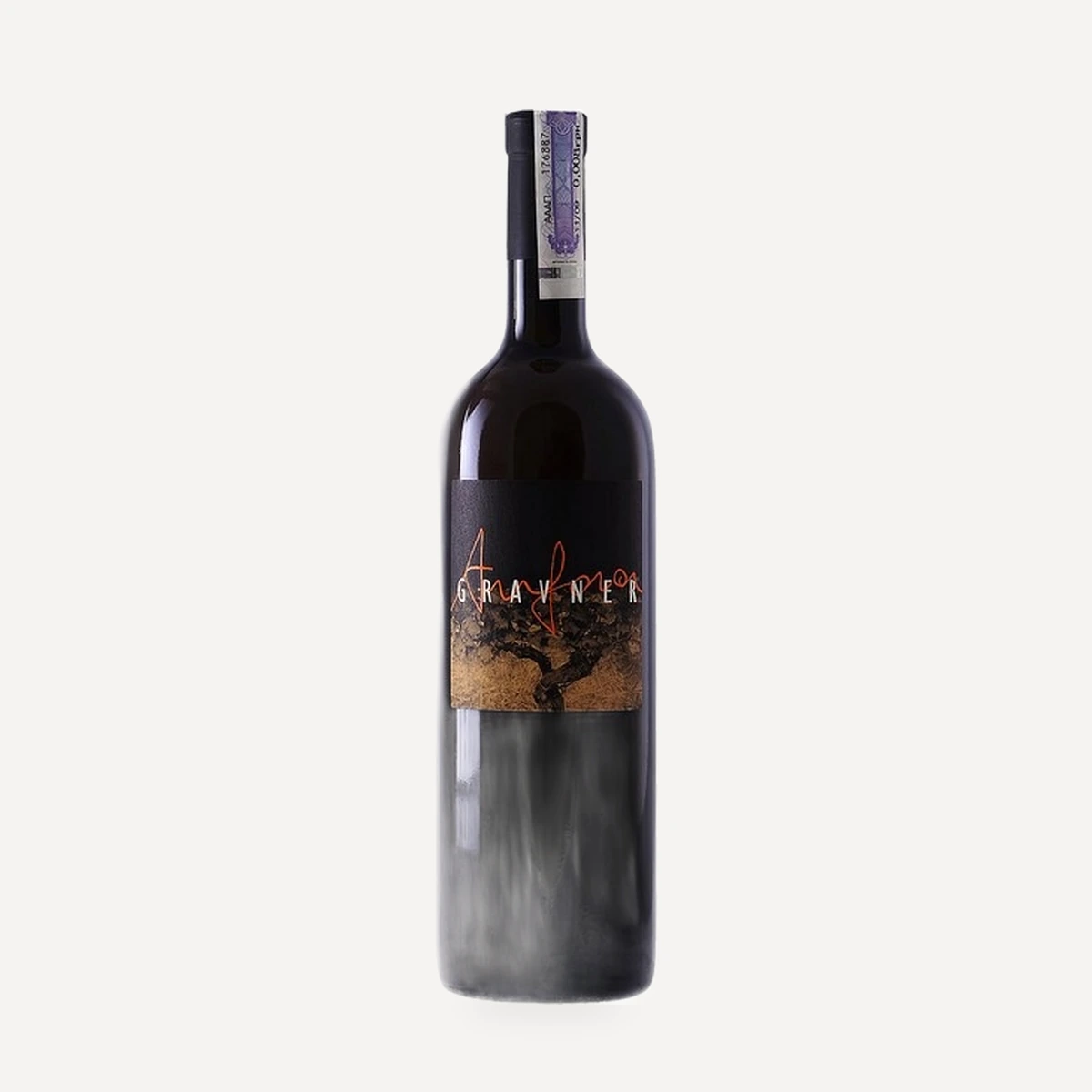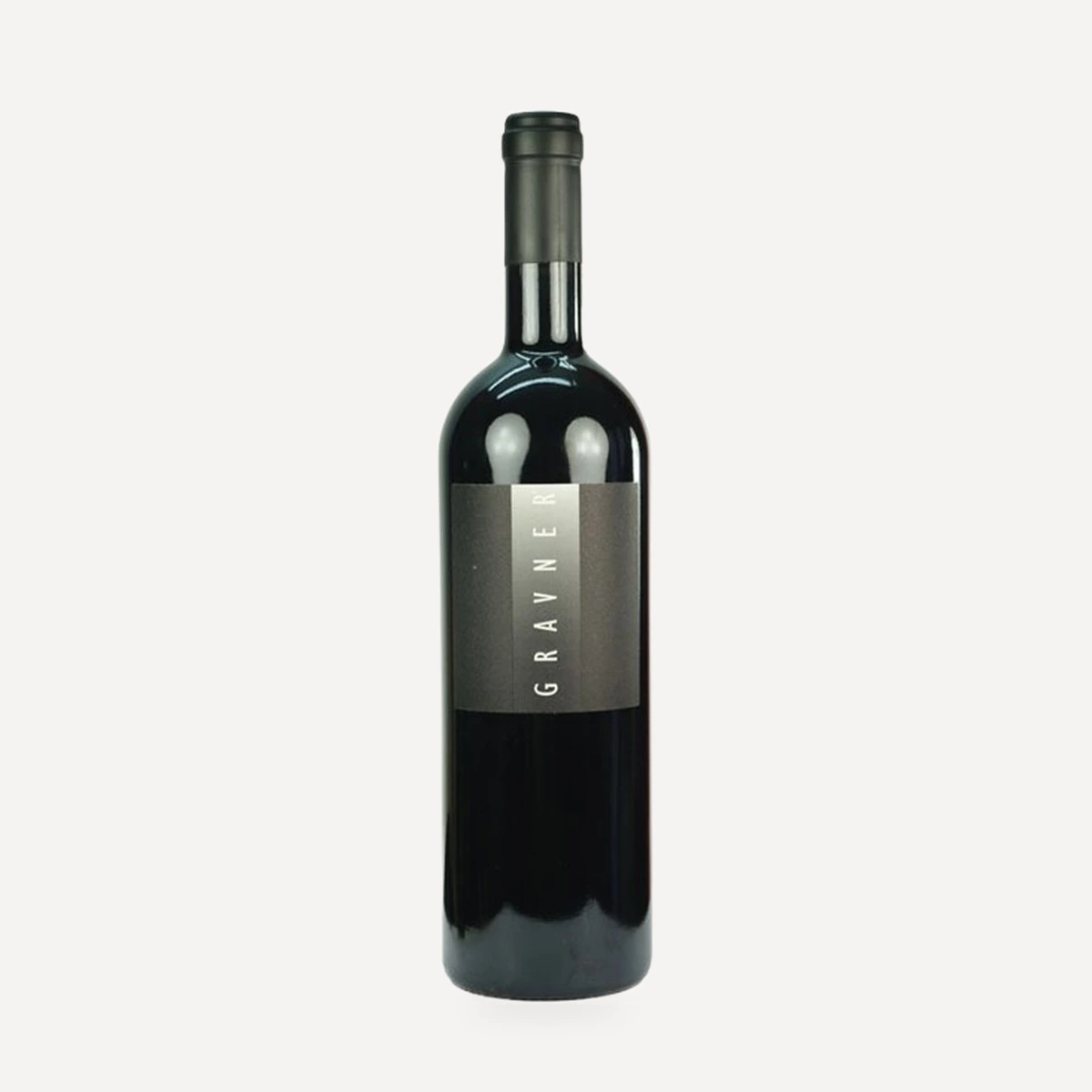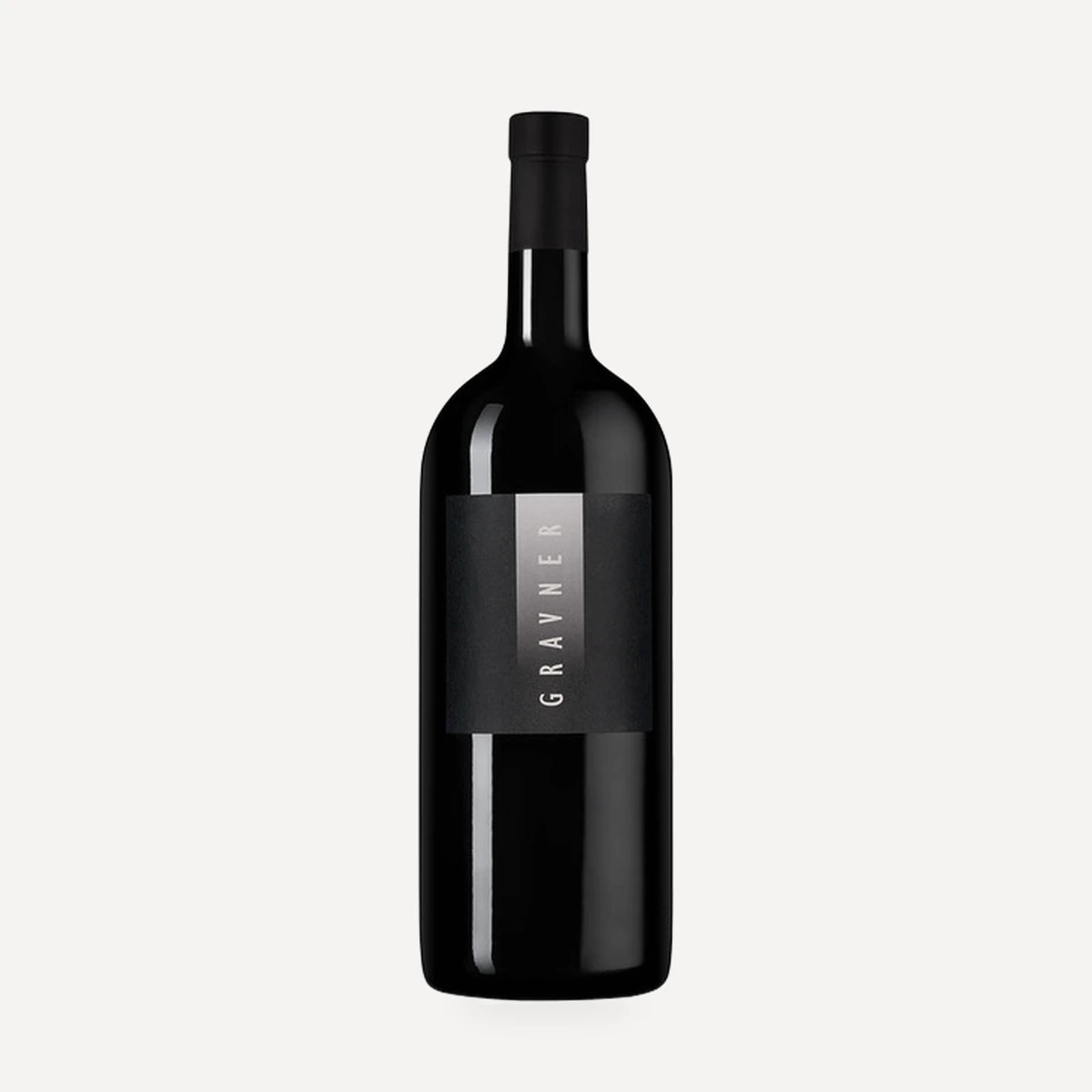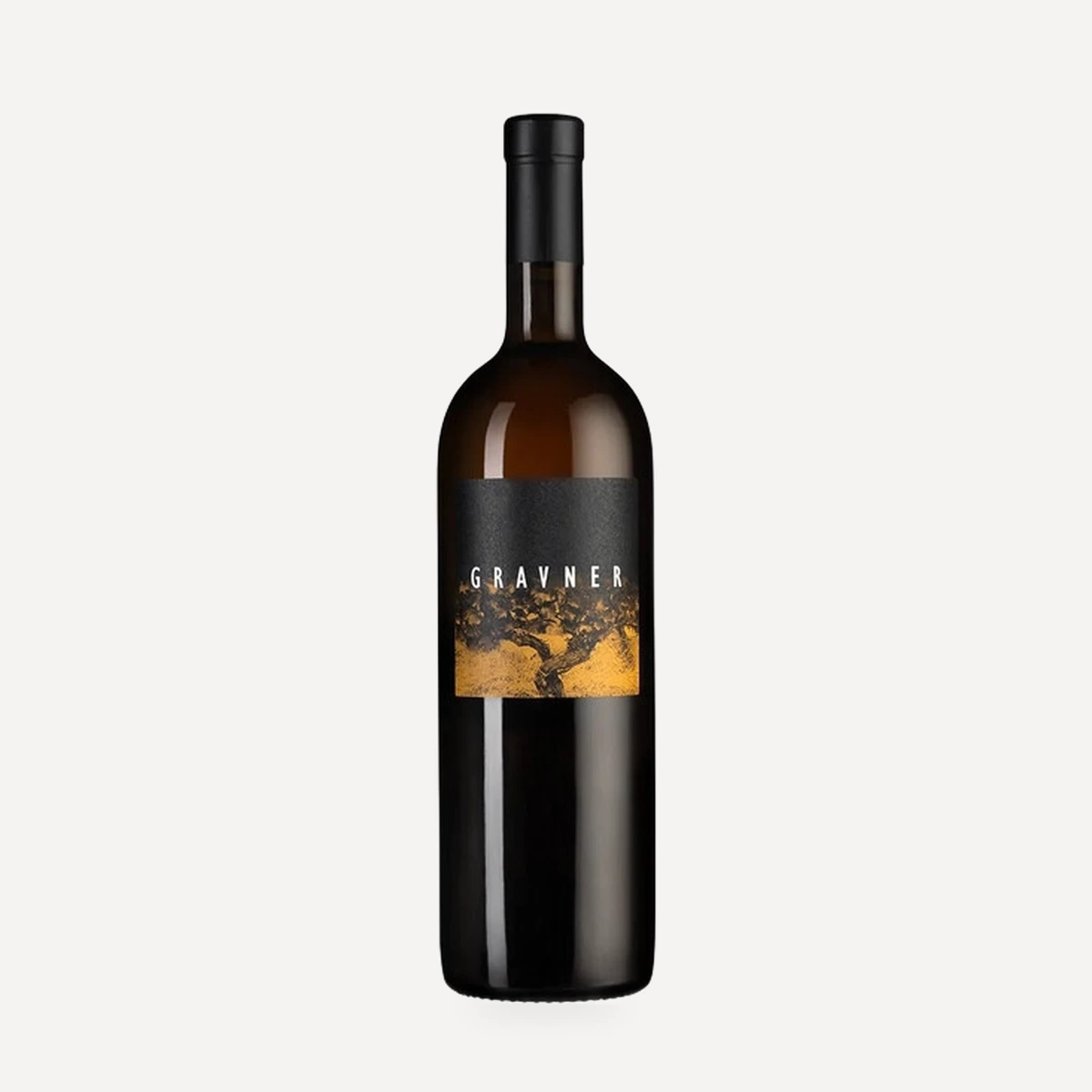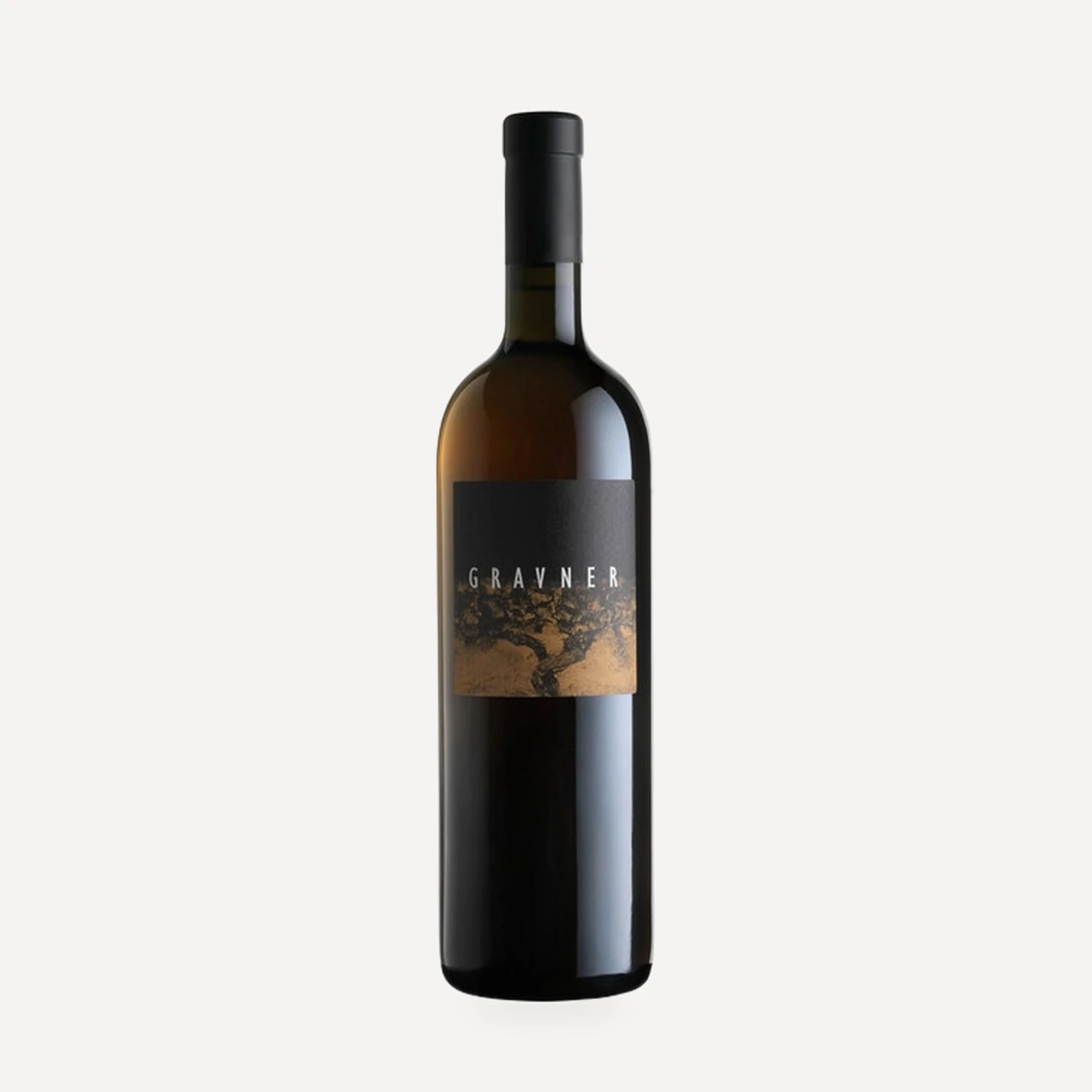
About this wine
Vineyard and terroir
The vines grow on clay-marl and sandy limestone soils, with a planting density of 4,000–9,000 vines per hectare.
Vinification
The grapes are harvested by hand from late September to early October, and each variety is vinified separately. Fermentation and extended skin contact take place without temperature control in beeswax-lined Georgian terracotta amphorae buried up to their necks in the ground. The surrounding earth naturally regulates the temperature, and fermentation relies entirely on native yeasts. After pressing, the wine is bottled without fining or filtration.
Ageing
After pressing, the wine remains in amphorae for approximately five months and then matures in oak barrels for five years.
Tasting profile
The winemaking method preserves fruity aromas and flavours.
Label / history
Josko Gravner began working in the vineyards with his father, Josef, at the age of 14 and devoted himself fully to viticulture and winemaking after leaving school. His approach is based on minimal intervention and an awareness of the environmental damage caused by human activity. Following continued experimentation and research into natural winemaking, he decided to replace wooden and steel vats used for maceration and ageing with Georgian terracotta amphorae. This approach followed his study of the winemaking history and traditions of the ancient Greeks and Romans.