History
Giancarlo Ageno and the estate’s origins
La Stoppa was founded in the second half of the nineteenth century by lawyer Giancarlo Ageno. He recognized the site’s aptitude for viticulture and began producing wines with names such as Bordò, Bordò bianco and Pinò. The property was historically divided into two distinct bodies called Stoppa and Macchiona. The latter name also belonged to a farmhouse surrounded by vineyards planted with the traditional red varieties of the Colli Piacentini.
Ageno’s records included the notation “Costa Bosco. Bianche diverse. Malvasia,” identifying a Malvasia di Candia Aromatica vineyard at the boundary between hillside and woodland. His work also included wines labelled Bordeaux or Bordò, based on Merlot and the estate’s other historic Bordeaux varieties.
The Pantaleoni family
In 1973 Raffaele Pantaleoni purchased La Stoppa, bringing the estate into the Pantaleoni family. Cabernet Sauvignon was subsequently planted and added to Ageno’s historic red blend, which was renamed Stoppa. The first vintage of Macchiona also dates to 1973.
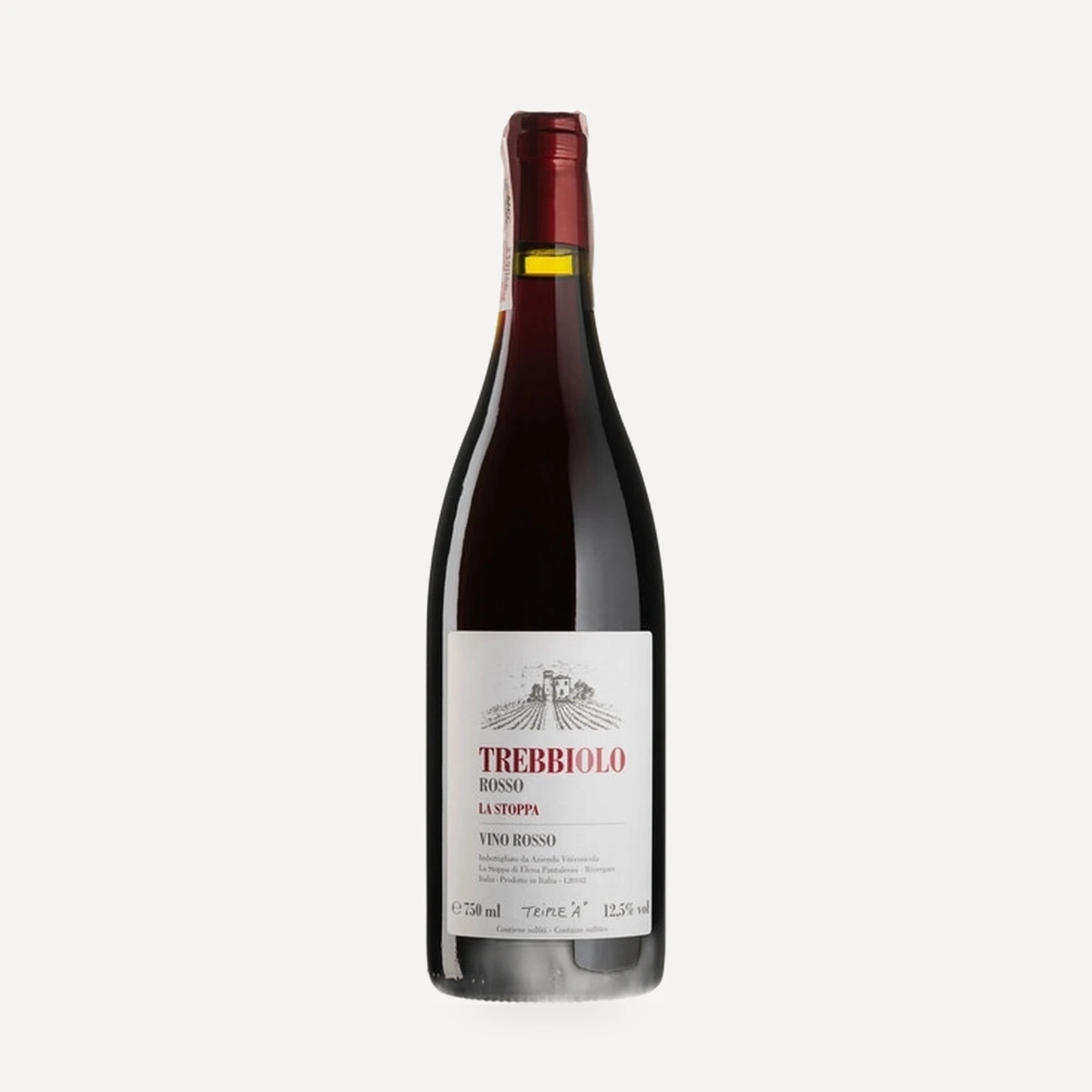
The portfolio subsequently developed through the first releases of Trebbiolo in 1988, Buca delle Canne in 1989 and Camporomano in 1990. Vino del Volta followed in 1995, taking its name from a vineyard named for Signor Volta, the sharecropper who had cultivated it for many years.
Elena Pantaleoni and the vineyard-led transition
Elena Pantaleoni inherited the estate and has led it since the mid-1990s, working alongside Giulio Armani. She redirected attention toward the vineyards and organic cultivation, regarding herself as a temporary custodian of vines capable of outliving her. This period also brought an increased emphasis on local varieties: Barbera and Croatina among the reds and Malvasia di Candia Aromatica among the whites.
Ageno, the estate’s long-macerated dry white named in honour of Giancarlo Ageno, was first produced in 2002. In 2006 the Stoppa red was discontinued, Cabernet Sauvignon was uprooted and the estate returned to the earlier blend based on Merlot and the remaining historic Bordeaux varieties. That blend reappeared as Riostoppa with the 2014 vintage; its name refers to one of the small waterways crossing the property.
In 2018 the estate began selecting Barbera bunches that naturally ripen early and shrivel on the vine in poorer vineyard soils, collecting them in several passes for the perpetual oxidative wine Scolmo. Costabosco debuted with the 2024 vintage, reviving the place recorded in Ageno’s notes and focusing on Malvasia grown where hillside and woodland meet.
Terroir
La Stoppa lies at Rivergaro in Emilia-Romagna’s province of Piacenza. Its vineyards extend through Val Trebbiola, near the Trebbia River. The 58-hectare property comprises 30 hectares of vines and 28 hectares of woodland or land left to nature.
The growing environment is hot, dry and sunny. Vineyard soils are poor, naturally restricting yields, and are described as clay-silt. Vine age further contributes to low production. The estate’s hills provide conditions in which Barbera ripens fully while retaining the acidity needed for ageing.
Variation exists within the property. Younger and lower-lying vineyards supply fruit for earlier-drinking wines, while older vines and the finest fruit are reserved for wines intended to age. In some poorer Barbera soils, bunches ripen early and begin to shrivel naturally on the vine. At Costa Bosco, a Malvasia site on the boundary between hill and woodland, filtered light and the proximity of trees create a distinct ripening rhythm.
Winemaking
The vineyards are managed under certified organic farming, with certification by Suolo e Salute. Spontaneous vegetation is retained between the rows. The vines receive no fertilizer or herbicide, while protection is limited to sulfur and copper treatments.
All principal vineyard operations are manual: pruning, tying, removal of non-fruit-bearing shoots, trimming and harvest. This allows close control over the work and fruit selection. The vines are encouraged to grow with a high degree of autonomy rather than being pushed through fertilization.
Fruit allocation begins in the vineyard. Grapes from younger vines and lower sites go to earlier-drinking wines, while the best fruit and grapes from older vines are selected for longer-lived wines. Certain naturally shrivelled Barbera bunches are gathered in several passes through the rows. Rare botrytised Semillon berries are likewise selected only in suitable vintages.
The organic decision forms part of Elena Pantaleoni’s broader commitment to preserve the living environment rather than impose upon it. The property’s 28 hectares of woodland or uncultivated natural land surround and complement its 30 hectares of vines.
Fresh grapes are destemmed and vinified in stainless-steel or cement tanks. Fermentations begin spontaneously through indigenous yeasts and proceed at ambient cellar temperature. The cellar follows a minimal-intervention approach, relying on time and the grapes’ own microbiology rather than added fermentation agents.
Macerations are generally long, with the aim of extracting fully from the fruit while retaining the identity of each vintage. The broader range uses steel and cement for fermentation and maturation, large wooden vats, Slavonian oak barrels and, for certain wines, used French oak barriques. Wines intended for ageing spend about two years in large Slavonian oak, or otherwise undergo extended maturation in wooden vats and barrels, followed by prolonged bottle ageing.
No sulfur dioxide is added during fermentation, and the long-aged wines described individually are bottled without filtration or added sulfur dioxide. Minimal handling preserves the wine’s material and can leave a natural deposit. Wood ageing is considered particularly important for fruit grown in the estate’s hot, dry climate because it permits slow, natural maturation; subsequent bottle ageing allows the components to integrate and the wine to express its place of origin.
Philosophy
Elena Pantaleoni’s central premise is that wine begins in the vineyard. Her energy is therefore directed toward caring for and improving the vines, while cellar work remains deliberately restrained.
She describes her position as temporary stewardship: vines may outlive the person responsible for them, so preserving the environment takes precedence over imposing a predetermined model on nature. Organic agriculture is the starting point for an approach founded on respect for living systems.
“Respect” encompasses responsibility, ethics and awareness. It extends to Elena’s parents, whose ambition created the estate she inherited; to grapes transformed through spontaneous fermentation, time and patience; to directly employed collaborators; to suppliers chosen among artisans who preserve inherited practical knowledge; and to customers through prices intended to remain fair while covering costs, investment and continuing projects.
Wine quality is not treated as an absolute hierarchy. Each wine must be understood through its terroir, vintage and grape variety, and each has its own identity and appropriate context. The estate recognizes that its site is suitable for certain kinds of wine rather than every possible style. Vintage distinctions are preserved through spontaneous fermentation, long maceration and patient ageing.
Knowledge-sharing is also part of this outlook. Elena exchanges experience with visitors, colleagues, annual harvest interns and winegrowers abroad, treating culture as something that grows through being shared. Hospitality follows the same principle, welcoming guests into the estate and the surrounding landscape in a familial setting.
Wines
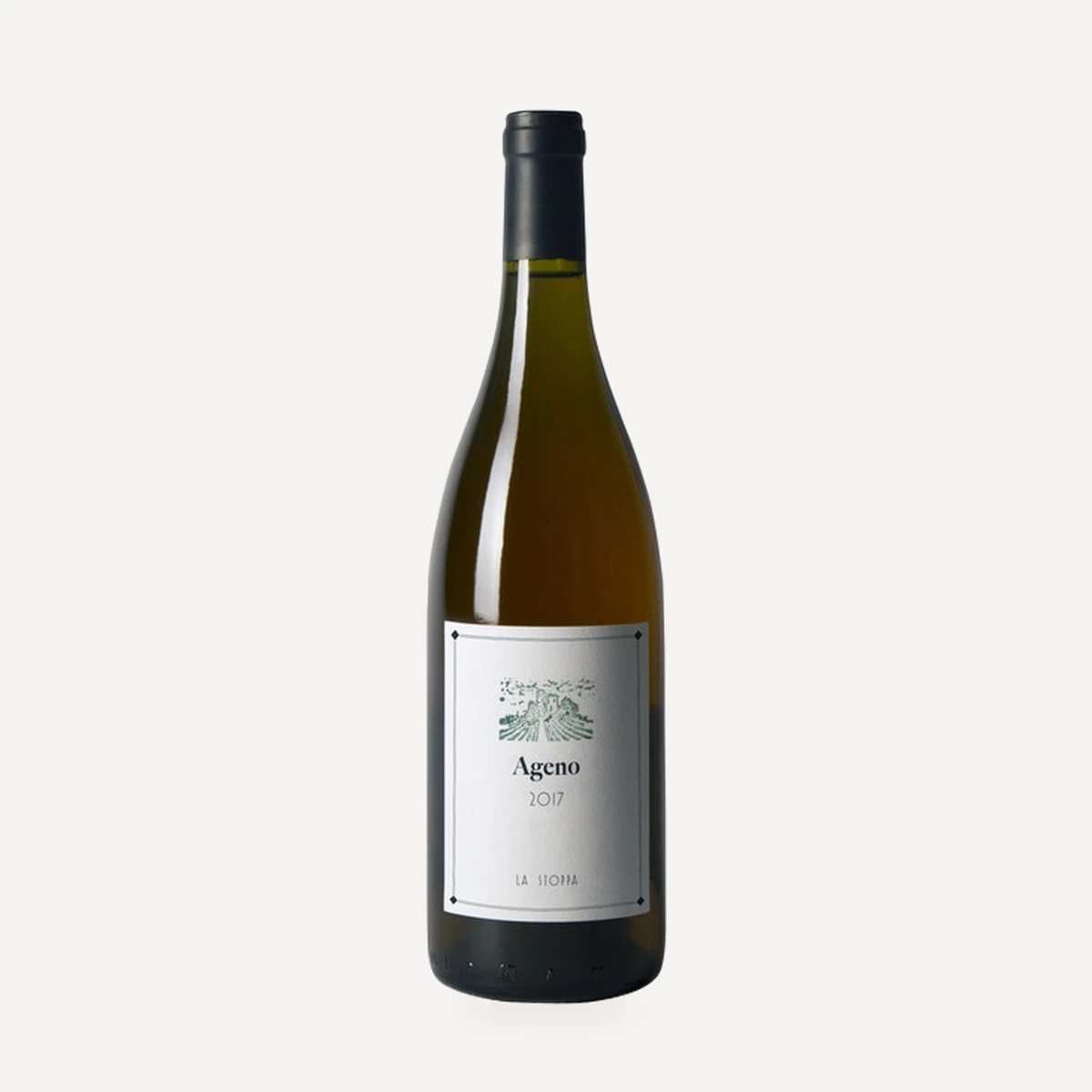
Ageno Emilia IGT
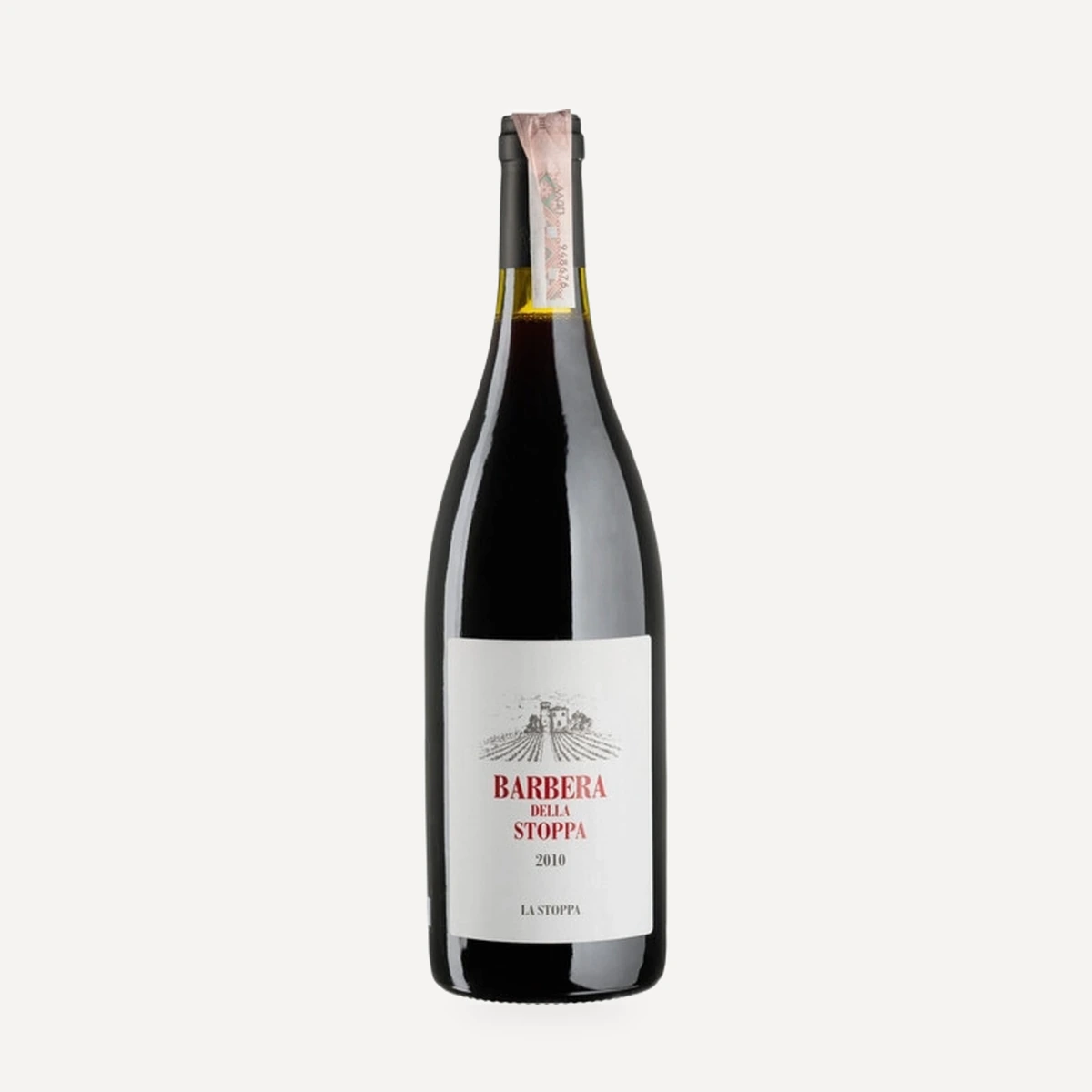
Barbera della Stoppa Emilia IGT
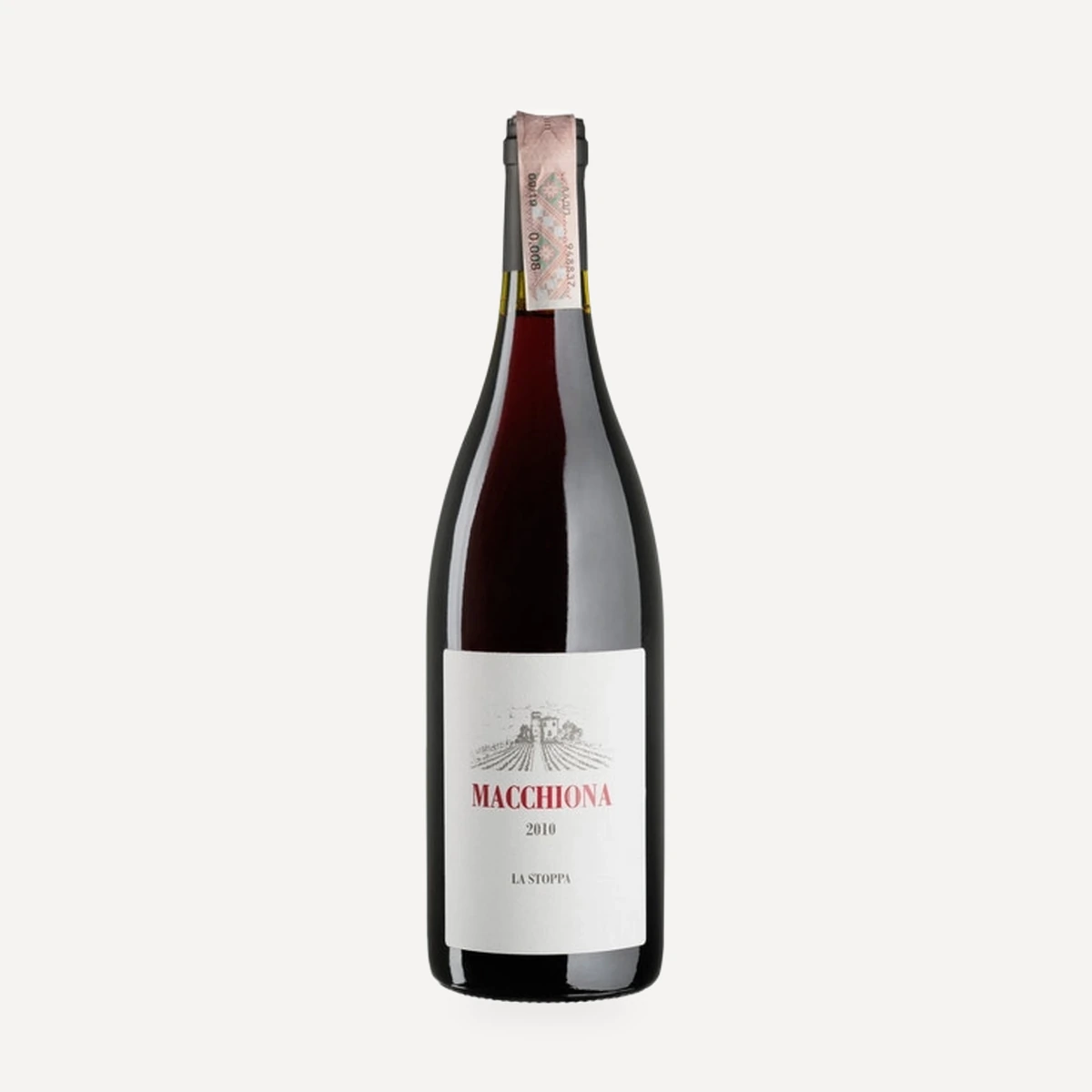
Macchiona Emilia IGT