About this wine
Vineyard and terroir
The fruit comes from San Lorenzo and Corona in Gorizia, from vineyards on a calcareous gravel plateau at 45–60 m. The vines are more than 30 years old and are managed under sustainability principles with low-impact crop-protection products. Planting density is 5,200–5,600 vines/ha; the 2017 technical sheet specifies Guyot training and a yield of 50 hl/ha.
Grapes
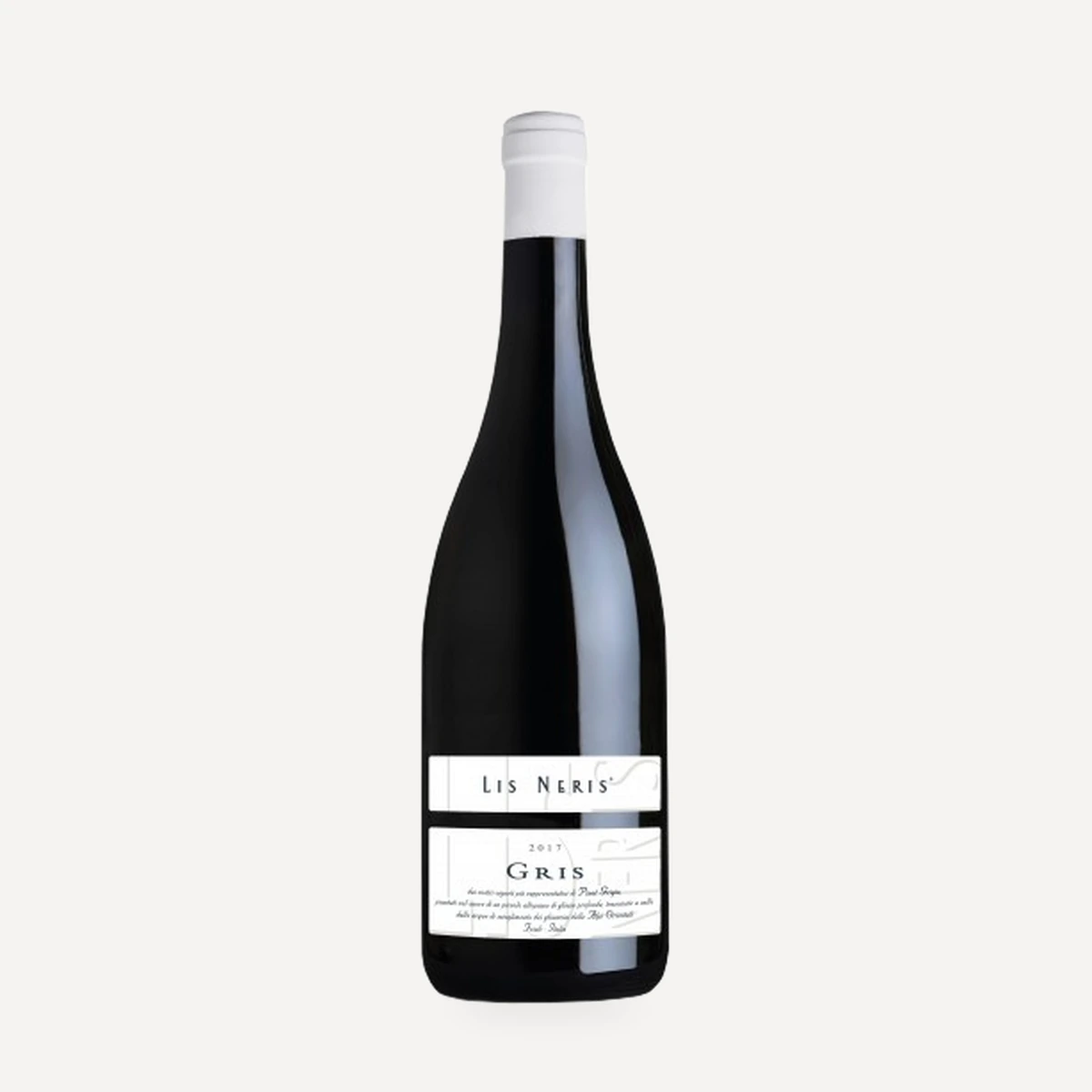
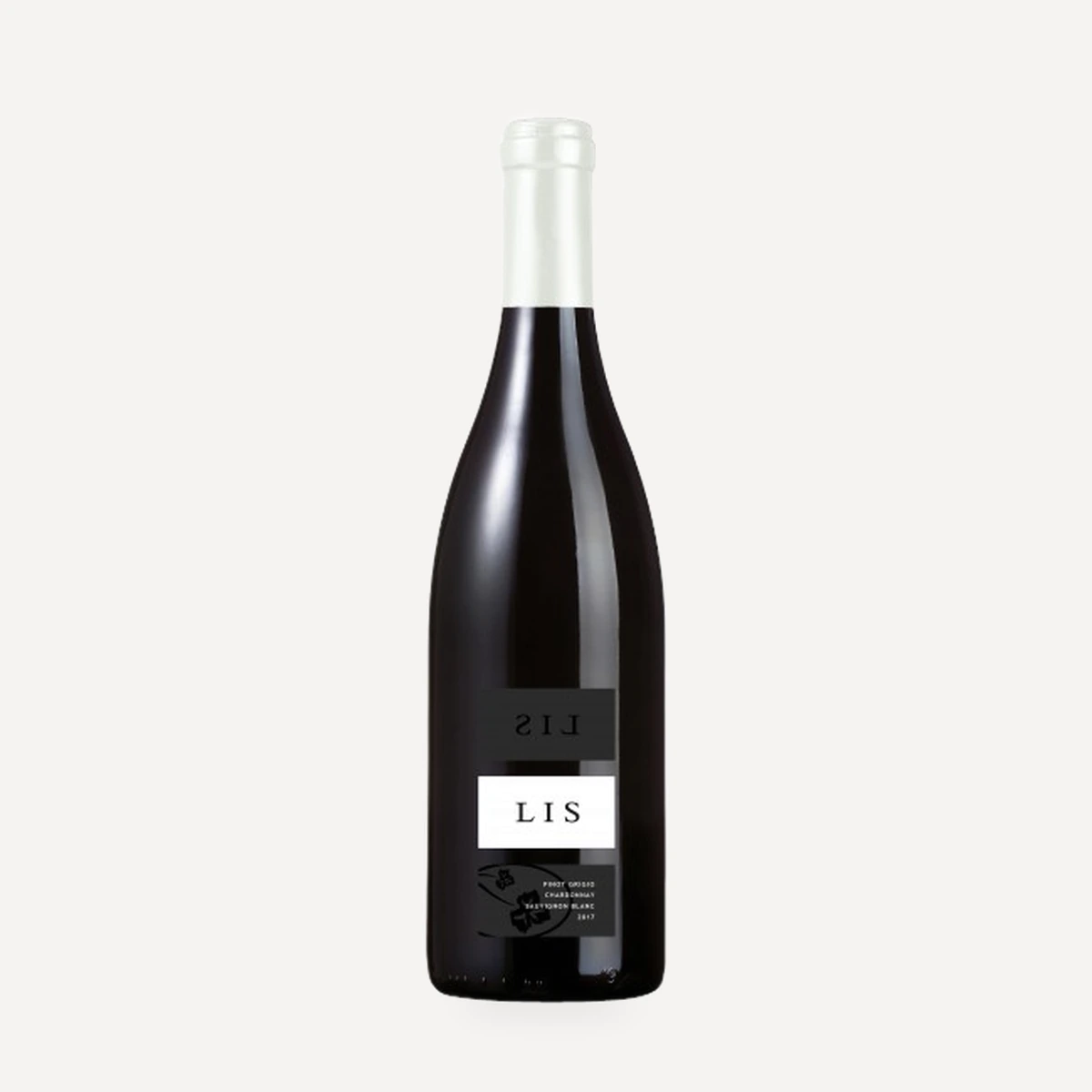
Pinot Grigio, Traminer and Riesling. Pinot Grigio supplies structure, breadth, softness and warmth; Traminer shapes the aromatic character; Riesling supports acidity and adds complexity to the palate. The 2017 sheet names the aromatic variety more specifically as Gewürztraminer.
Vinification
Harvest is late and performed by hand with careful bunch selection. Fermentation takes place in 500-litre French oak barrels. The wine matures in those barrels on fine lees for 11 months with frequent bâtonnage. After blending, it undergoes an extended period in stainless steel, followed by bottling and bottle maturation. For 2017, the combined stainless-steel and bottle phase lasted 25–27 months.
Technical data
The 2017 wine was DOC Friuli Isonzo, with 14% alcohol, average production of 10,000 bottles and an ageing potential of 20 years.
Tasting profile
An enveloping, full and complex white. Late-picked Pinot Grigio and Gewürztraminer contribute intense floral aromas that move into spice, while Riesling brings a long, savoury finish and balances the wine with acidity. Caveau maturation accentuates spicy, balsamic and saline dimensions.
Serving and pairing
Serve at 11°C. Pair with spiced finger food, Asian cuisine or Gorgonzola; it can also be served on its own for contemplative drinking.
Vintage notes
The 2017 season began unevenly but finished with a well-paced harvest, producing stimulating wines with a distinctly cool-toned character.
Label / history
Only a limited number of bottles from selected vintages are retained in the family cellar under optimal conditions and later released as Caveau wines.