About this wine
Vineyard and terroir
The Guyot-trained vines average 20 years of age and are planted at approximately 5,000 vines per hectare. Vineyard management follows a certified sustainable system designed to reduce environmental impact. Caranto predominates in the deep soils: a loamy-sandy clay of fluvio-glacial origin with abundant limestone and minerals and strong resilience to water stress.
Grapes
Ultimo is made exclusively from Manzoni Bianco, a grape associated with the Treviso area. Its naturally lively acidity provides a counterpoint to the enveloping sweetness of the passito.
Vinification
The grapes are carefully selected and harvested by hand between late August and early September. They are then dried naturally before fermentation in French oak barriques.
Ageing
The wine matures in French oak barriques and subsequently spends at least one year in bottle.
Technical data
2019 vintage. IGT Trevenezie. Alcohol: 14.00% vol. Available in 0.375 L and 0.75 L bottles.
Tasting profile
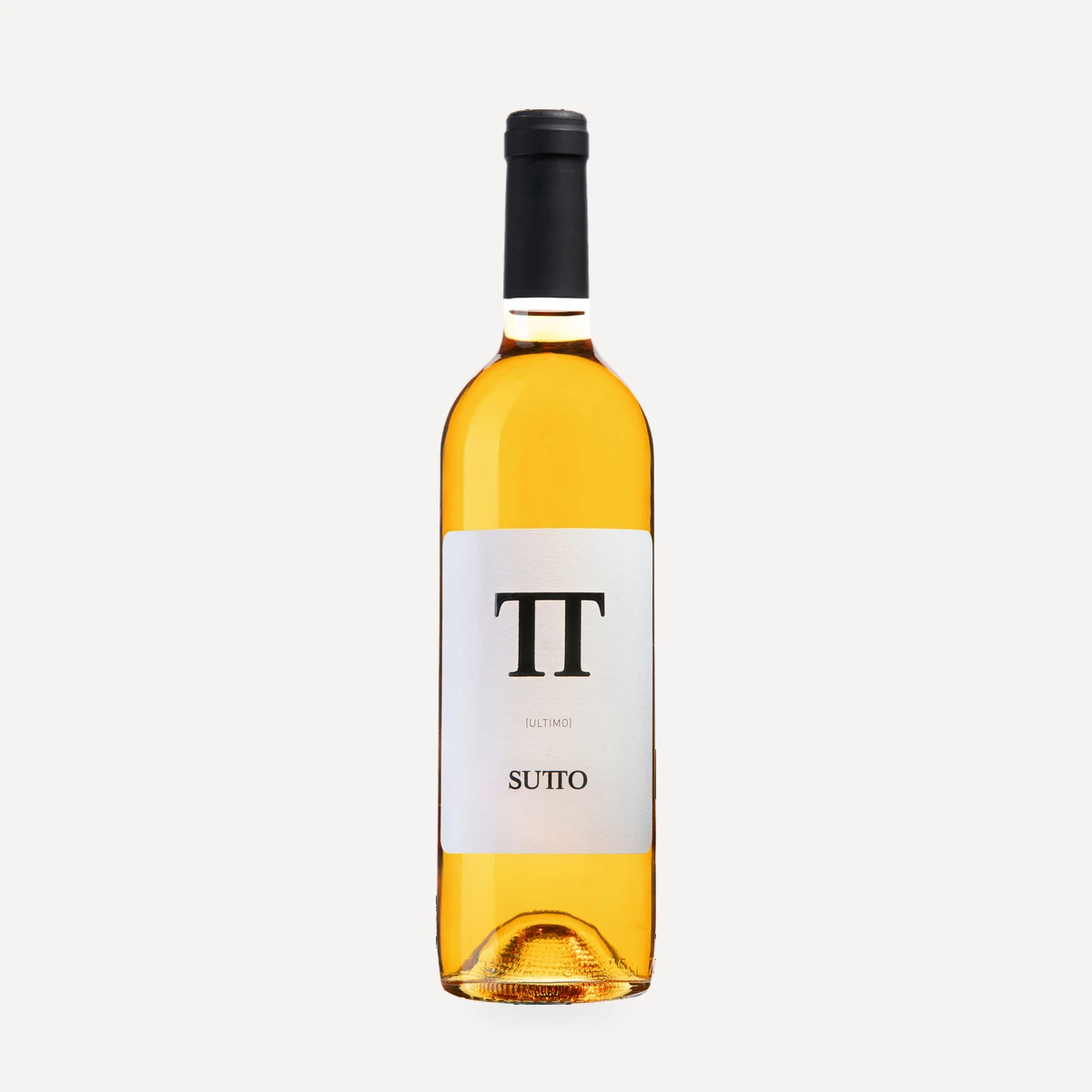
Antique gold in colour. The aroma combines candied fruit, particularly apricot, with honey, vanilla and nuances of oriental and Mediterranean spices. The palate is sweet and delicate, offering dried fruit, toasted bread and honey alongside a spicy accent. Natural acidity balances the sweetness and contributes to the wine’s overall harmony.
Serving and pairing
Serve cool at 12–14°C. Pair with flavourful, spicy or blue cheeses, dry pastries, and desserts containing generous amounts of candied fruit.
Vintage notes
The published release is the 2019 vintage. With appropriate cellaring, it is intended to develop over many years.