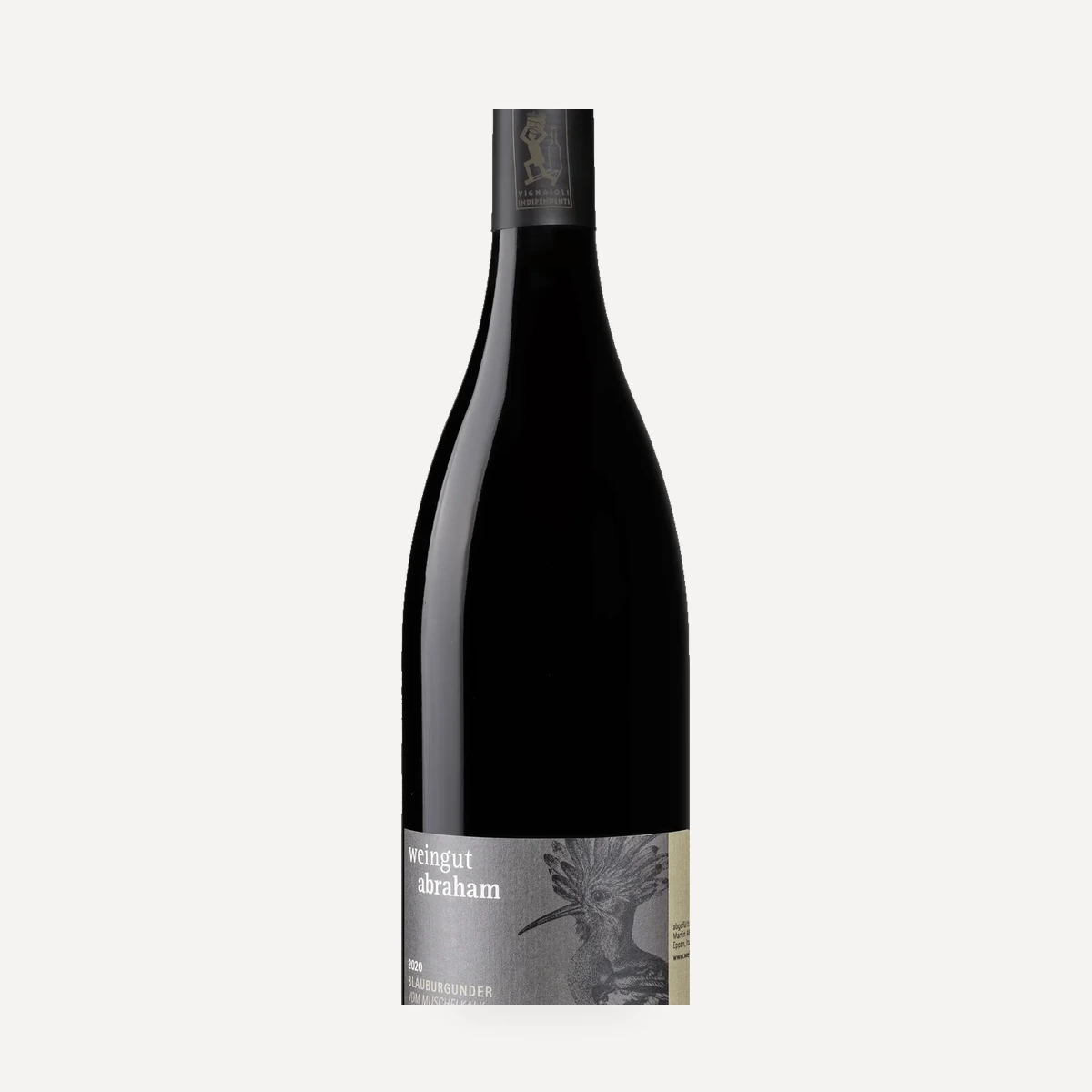
About this wine
Vineyard and terroir
The fruit comes from Gfillberg, the estate’s highest vineyard site, on Appiano Mountain below the Mendel Mountains at approximately 600 m. The airy, sunlit slopes promote full ripening. This is a geological fault zone where deep porphyry and dolomitic-rock subsoil with clay sediments meets gravelly, calcareous and loamy alluvial material interspersed with shell limestone. The vines are more than 25 years old, trained to Guyot and cropped at 45 hl/ha. Different small-berried French clones were planted to broaden aromatic diversity. Vineyard work includes organic crop protection, green manure, careful leaf management and wrapping rather than cutting the shoots.
Grapes
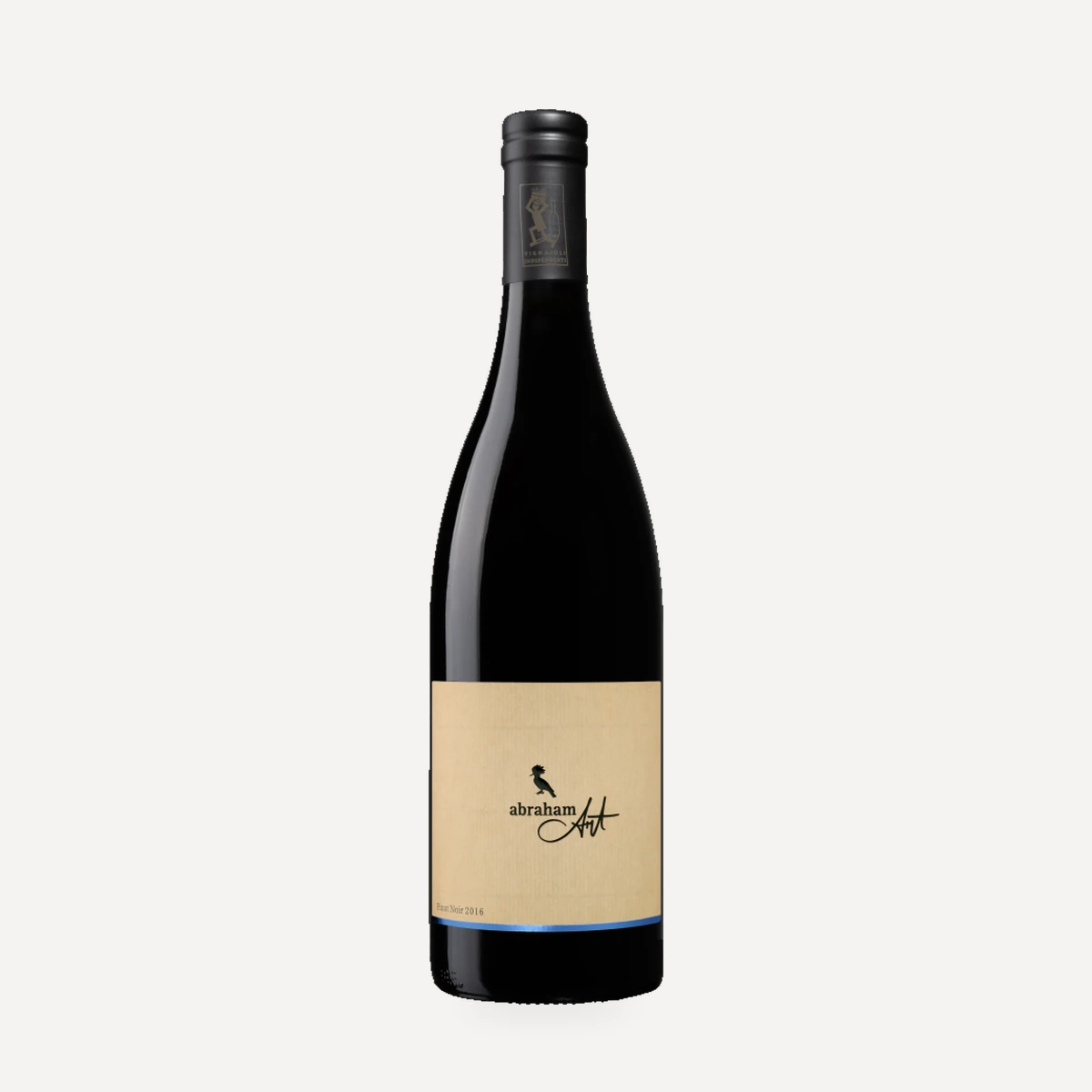
100% Pinot Noir.
Vinification
Harvest timing is decided by tasting the ripening grapes daily. The 2022 fruit was picked early and selectively by hand, destemmed and moved by gravity into a 2,000 L fermentation vat. Following several days of pre-fermentation, spontaneous fermentation proceeded with natural yeasts and whole berries. Maceration lasted about three weeks with gentle manual punch-downs. The wine was then softly pressed and clarified naturally by sedimentation. No additives or flavour enhancers are used.
Ageing
Approximately 15 months in new and used 500 L oak barrels. Bottling took place in July 2024, with 2,500 bottles produced.
Technical data
The 2022 has 13% alcohol, less than 1.0 g/L residual sugar and 4.6 g/L total acidity.
Tasting profile
Ruby red in colour. The complex bouquet evokes raspberries, black cherries in syrup and cranberries. Vigorous and well structured, it combines natural tannins with freshness, savoury character and pleasant fruit, followed by a persistent, elegant finish.
Serving and pairing
Serve at 16°C in Burgundy glasses after allowing time for oxygenation. Particularly suited to roasted or grilled red meat, game and spicy cheeses.
Vintage notes
A dry, mild winter in 2022 was followed by a cool, frost-free spring and an exceptionally sunny, warm May that prompted early flowering. Record heat and drought reduced disease pressure but placed some vines under water stress; targeted irrigation prevented drought damage. Harvest began in mid-September, yielding ripe, healthy grapes with slightly lower acidity.
Label / history
Pinot Noir has been cultivated by the family since the generation of the owners’ great-grandfather, within an Appiano tradition of Burgundy varieties extending for more than 150 years. Beginning with the 2020 vintage, wines from the different calcareous soils have been vinified separately to express their origins more distinctly.