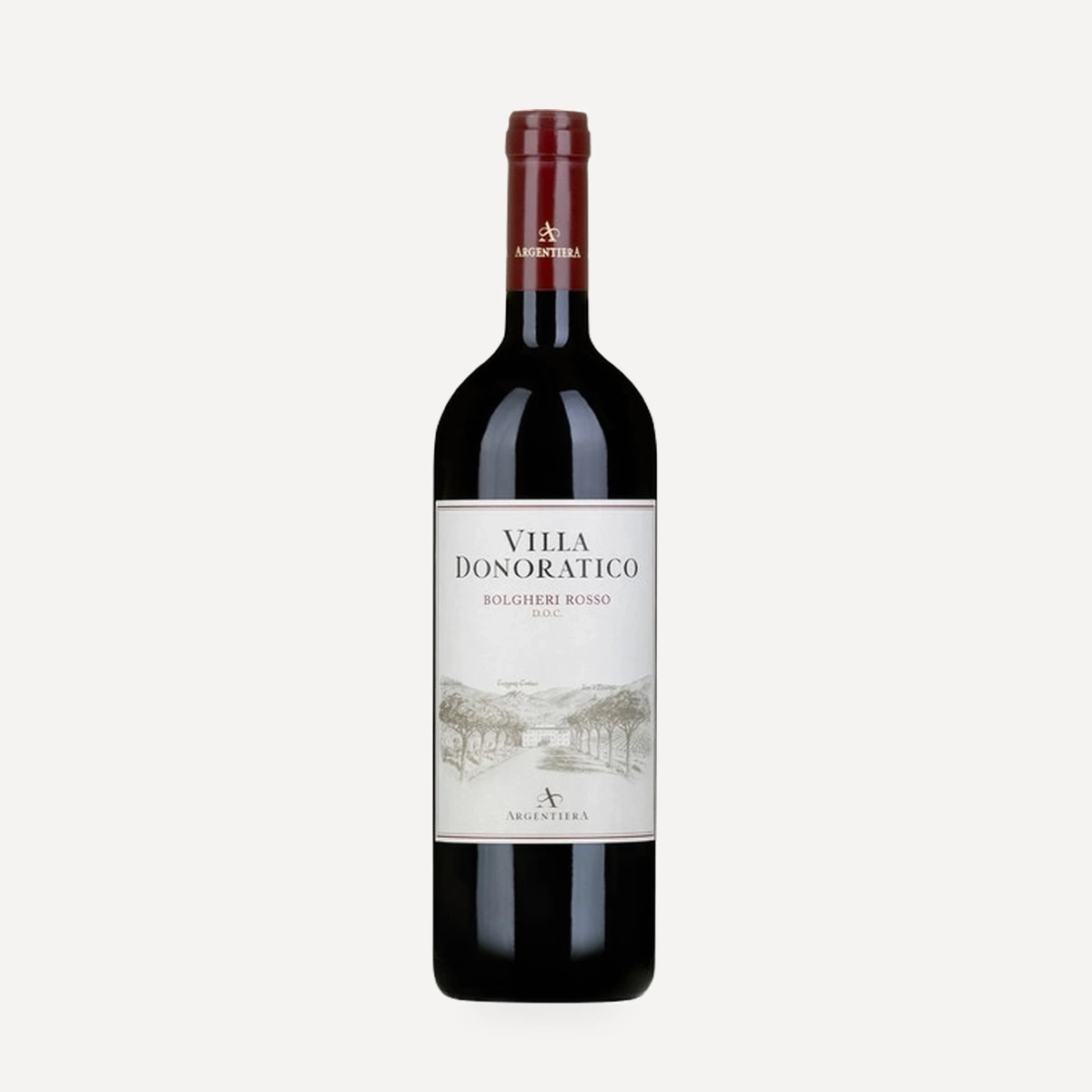
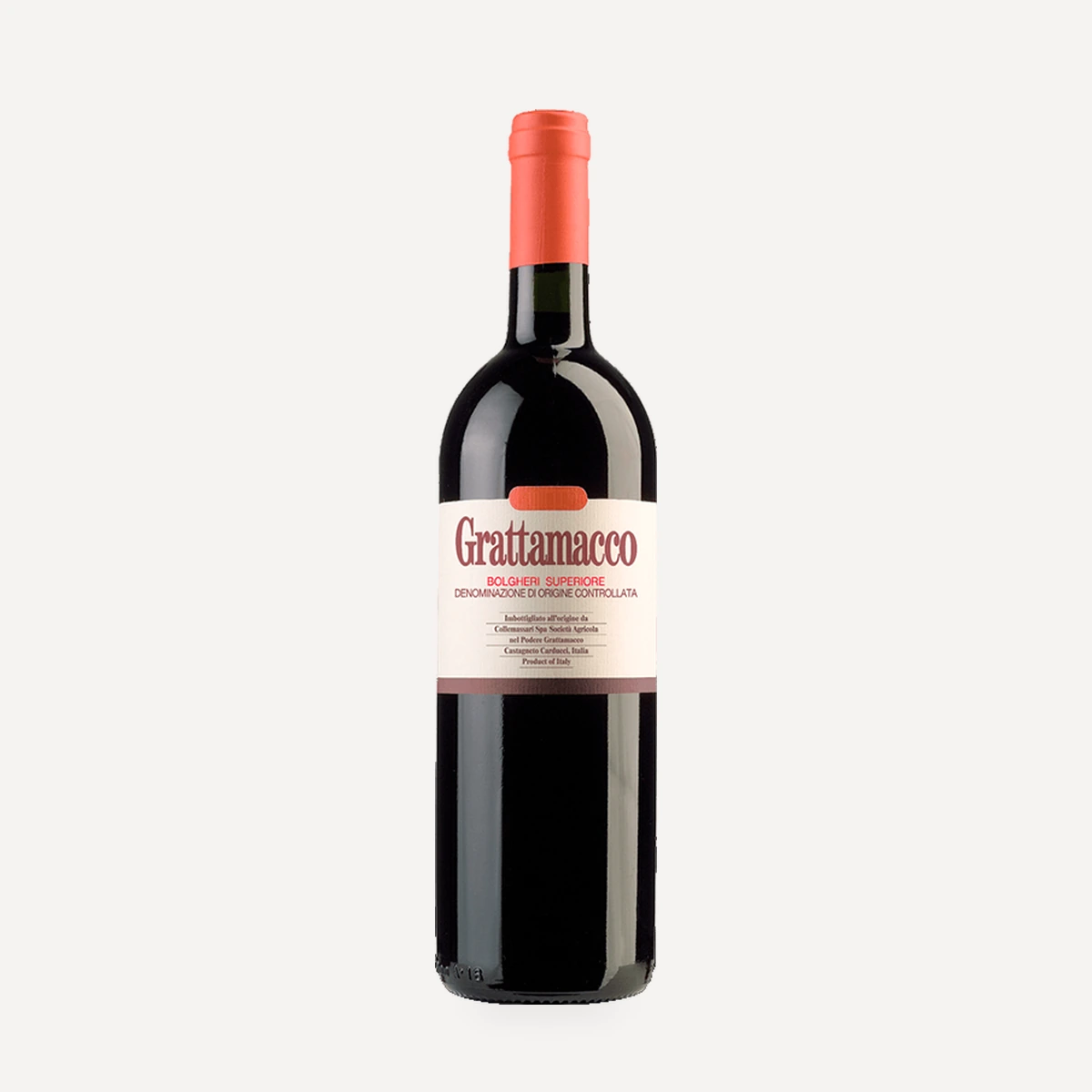
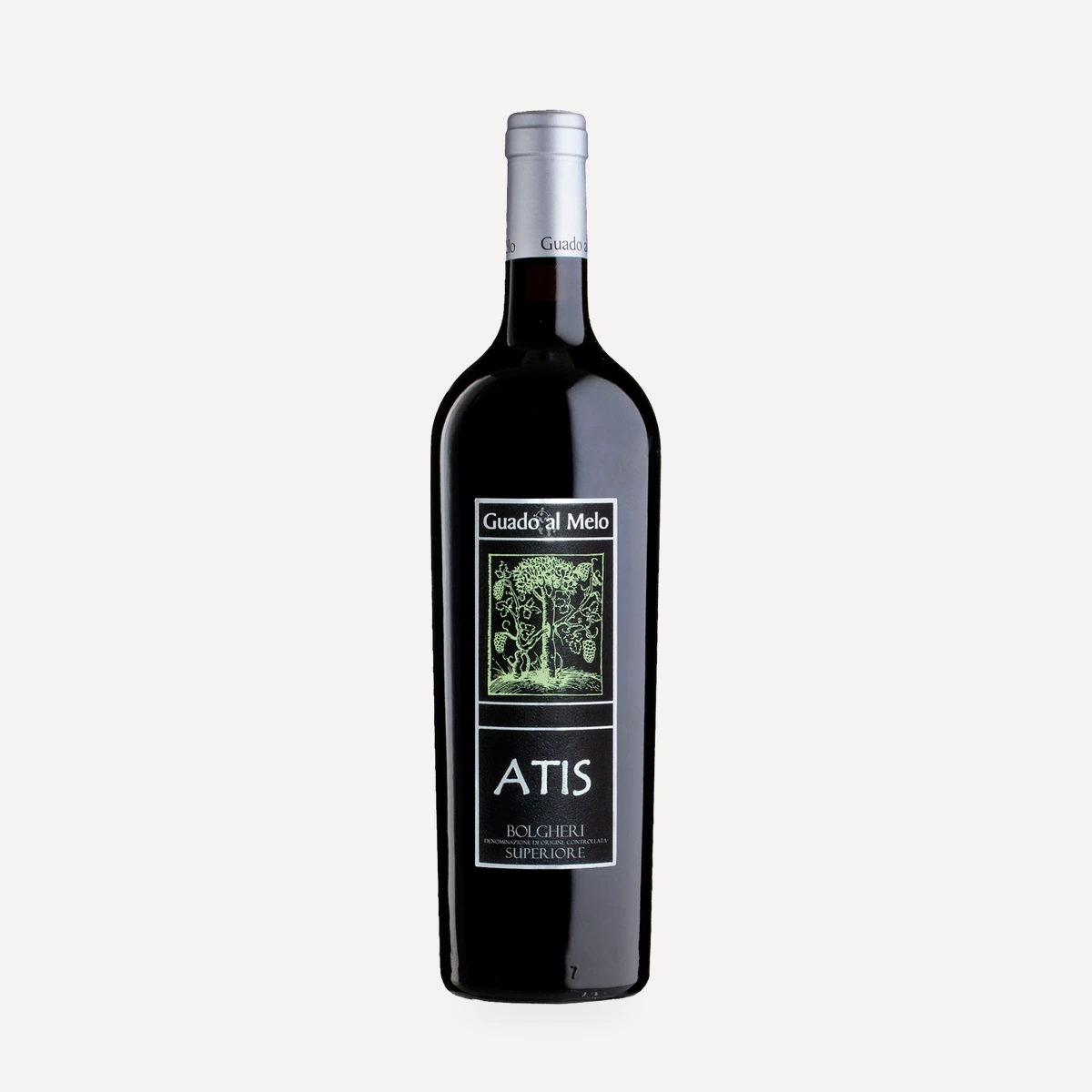
Questo vino
Vineyard and terroir
Matarocchio was conceived as the expression of one grape variety and one vineyard parcel at Tenuta Guado al Tasso. The estate lies in Bolgheri on the Upper Maremma coast, approximately 100 km southwest of Florence. Its vineyards occupy a plain enclosed by hills, a formation known as the Bolgheri amphitheatre. Proximity to the sea creates a mild climate, with persistent breezes moderating summer heat and winter cold.
Grapes
100% Cabernet Franc.
Vinification
The 2022 Cabernet Franc was picked by hand from September 14 to 21. Each berry was carefully selected, followed by gentle crushing. Alcoholic fermentation and maceration took place in stainless-steel tanks for 25 days at a controlled temperature of 28 °C. The wine was then transferred to second- and third-fill French oak barriques for malolactic fermentation.
Ageing
The wine matured for 18 months in new French oak barriques. Following tastings, the best barrels were selected and blended. Matarocchio then rested in bottle for more than one year before release.
Tasting profile
The 2022 is deep ruby red. White pepper leads the aromatic profile, accompanied by sage, juniper, tobacco leaf, blackcurrant and violet. The palate is enveloping, intense and deep, with sweet, silky tannins, poised balance and a persistent finish. It is already approachable while retaining excellent ageing potential.
Vintage notes
The 2022 season was dry from late winter through much of summer, advancing budbreak, flowering, fruit set and veraison. Rain from mid-August supported the crucial final stage of ripening. The dry conditions preserved berry health and reduced both vegetative growth and berry size; the August rain helped restore balance among sugar, acidity and fruit maturity while maintaining pronounced varietal aromas.