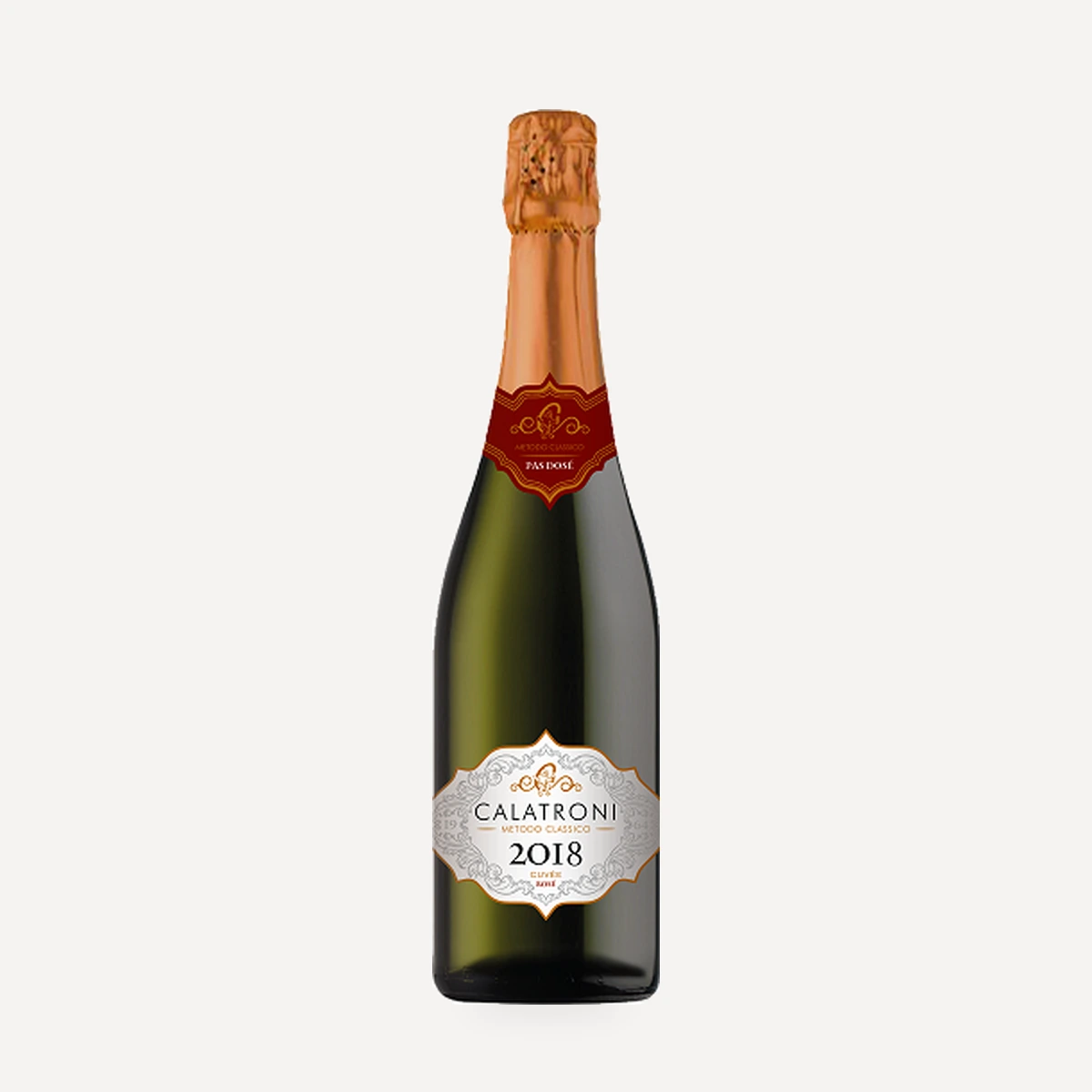
Questo vino
Vineyard and terroir
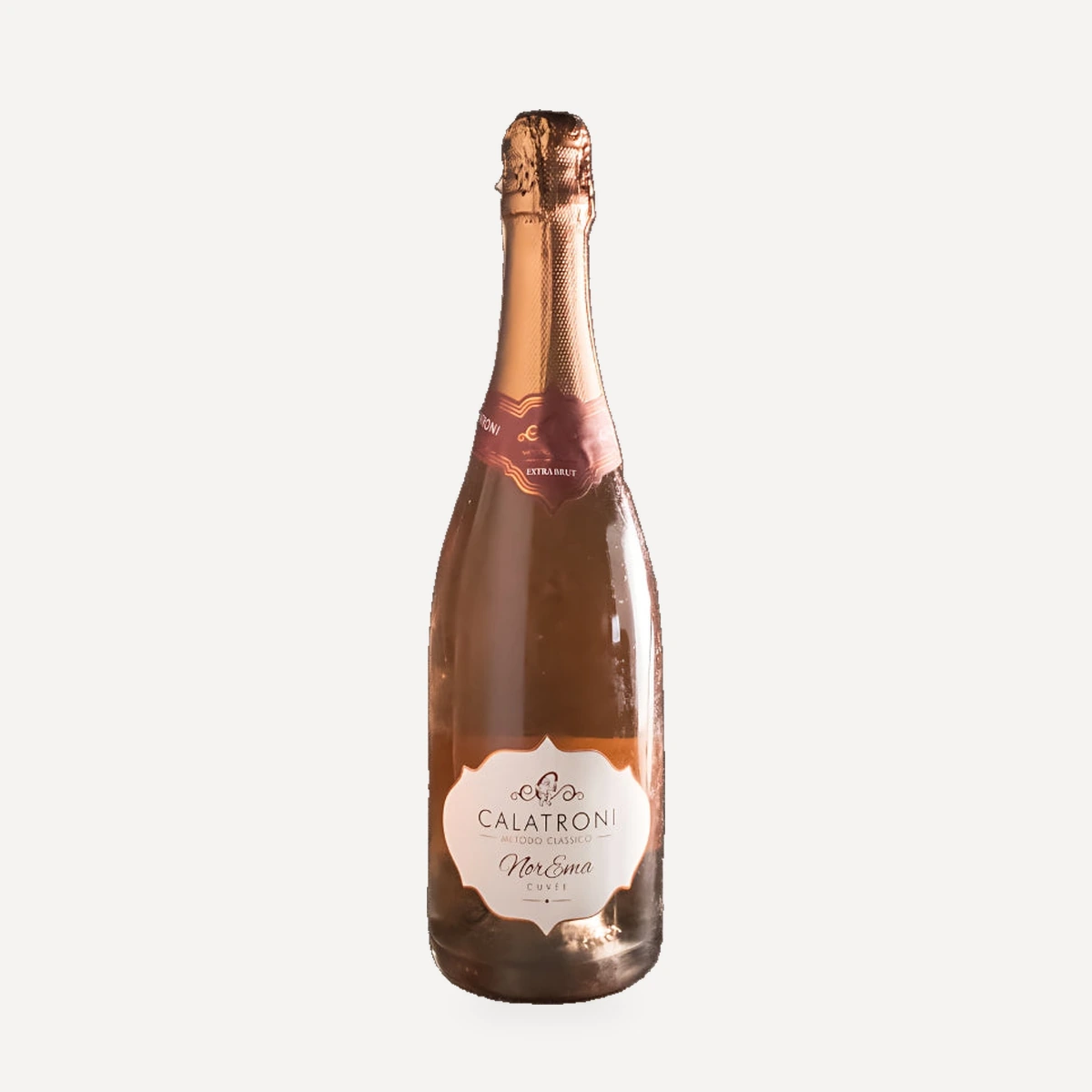
The base wine is assembled from Pinot Nero grown in the estate’s highest vineyards, selected for their acidity. The 2017 technical data describe a cuvée of vineyards planted with Italian and French clones at 300 m AMSL. The vines average 40 years of age and are trained on vertical trellises with Guyot pruning, at 4,000–4,500 vines per hectare. Their north and north-west exposures combine with mixed stone-and-limestone soils.
Grapes
100% Pinot Nero. The grapes are harvested by hand into crates.
Vinification
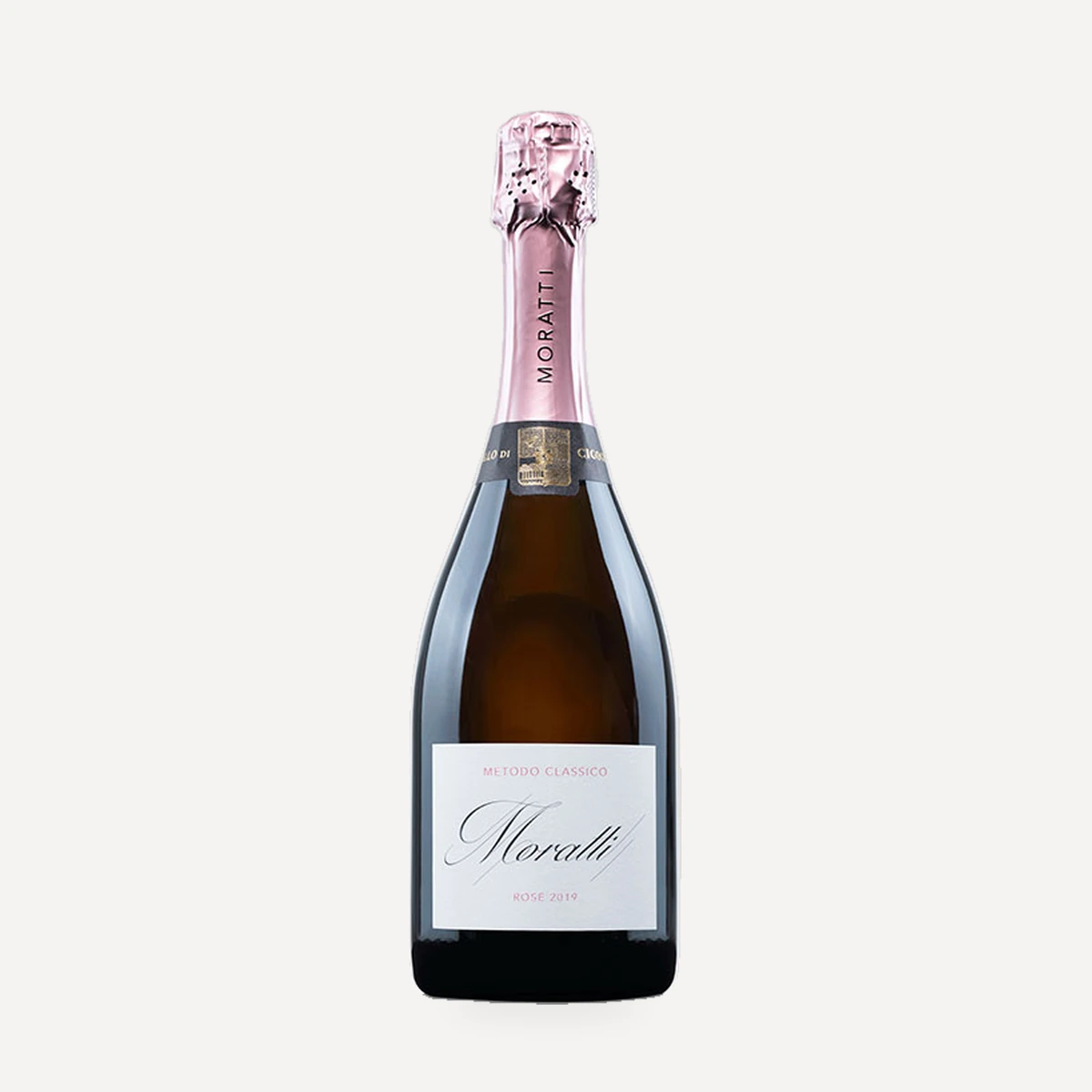
Direct pressing and draining of the juice produce the pale rosé colour. Following the first fermentation, the base wine is bottled in spring for the traditional-method second fermentation.
Ageing
The wine remains on its lees in bottle for approximately 70 months. Bottles are stacked in a temperature-controlled environment, and disgorgement à la glace takes place at the estate. No dosage is added.
Technical data
The 2017 wine has 12.5% alcohol, 7 g/L total acidity, pH 3.01, 1 g/L total sugar and 22 g/L total dry extract.
Tasting profile
Pale onion-skin pink with a fine, persistent perlage. The complex bouquet combines the evolved character of Pinot Nero with balsamic and spicy notes, baked pastry and herbs. The palate is intense and layered, retaining incisive acidity and finishing with a marked saline quality. Long lees ageing contributes suggestions of panettone and liquorice.
Serving and pairing
Serve at 6–8 °C. It can accompany meat and fish dishes, including slow-cooked meat and furred game. Oysters and raw fish provide a contrasting pairing, while the wine also has sufficient complexity to be enjoyed on its own.