Storia
The sharecropping generations
The Calatroni family's connection with viticulture in Valle Versa predates the modern estate. Several generations worked the Casa Bella property as mezzadri: sharecroppers who paid the landowner half of the vineyard's produce. Pinot Nero was already among the vines cultivated there.
At the end of January 1943, Luigi Calatroni was among the soldiers awaiting repatriation from the Russian campaign. He needed to return to his native municipality to sign the sharecropping contract handed down within the family. Travelling on foot, clandestine trains, carts and other improvised transport, he crossed half of Europe in about two months. He became known locally as Vigiö d’la Cà Bela.
1964: ownership of Casa Bella
On 11 November 1964, Luigi signed the contract transferring the Casa Bella land from the Vecchietti family to him. The purchase followed the end of his sharecropping agreement and transformed land that the family had long worked for others into its own agricultural holding. Luigi began bottling under the Calatroni name, with a Pinot Nero vineyard forming part of the estate's origins.
The property subsequently expanded and developed under Luigi's successors, Fausto and Marisa Calatroni. Its early commercial production concentrated on traditional local wines based on Croatina and Barbera.
Expansion and the third generation
In the early 1990s, the family acquired vineyards from the Fioravanti family. These holdings later became associated with the estate's Pinot Nero Fioravanti.
Cristian and Stefano Calatroni assumed leadership in 2002, representing the third generation of the winery. Their parents Fausto and Marisa continued to support the business. The brothers progressively increased the importance of Pinot Nero, using it for red wine and, above all, white and rosé Metodo Classico sparkling wines. Cristian introduced new technology, Austrian-oak barrels and revised production protocols while developing increasingly precise, vineyard-specific selections.
Cristian also maintained a separate collaborative project begun with friends Erik Dogliotti, Paolo Stella and Federico Scarzello, whom he met at the Scuola Enologica di Alba. Their shared interest in Metodo Classico led in 2000 to a Nebbiolo sparkling wine made by the four partners under the name ERPACRIFE, formed from the first syllables of their names.
Metodo Classico and organic certification
The 2008 harvest produced Calatroni's first commercial vintage of Metodo Classico. Its intended style was established from the beginning: clearly defined, fresh and mineral sparkling wines expressing Pinot Nero, individual soils and the character of each vintage.
The vineyard operation became certified organic with the 2019 vintage. Fioravanti was the first estate bottling to display the organic-certification logo that year. Organic management subsequently became part of a broader programme covering environmental, food and social sustainability.
The contemporary estate
Calatroni now cultivates more than 25 hectares and produces about 100,000 bottles of Metodo Classico, all under Oltrepò Pavese Metodo Classico DOCG. Five Pinot Nero vineyards in Montecalvo Versiggia, Santa Maria della Versa and Rocca de’ Giorgi contribute to the sparkling-wine programme. Each is vinified separately before being retained as a cru or assembled into a cuvée.
Hospitality has become a second branch of the family business, encompassing guided visits, tastings, meals, vineyard activities and accommodation.
In 2023, the family marked the estate's 60th-anniversary period together with representatives of its eighth agricultural generation. Two wines based on Pinot Nero and Riesling Renano were created for the occasion under Viticoltori in Montecalvo, the name of an earlier Calatroni label. Nora, Emma and Michele represent that eighth generation.
Terroir
Calatroni's vineyards lie in the upper Valle Versa sector of Oltrepò Pavese. The modern Metodo Classico programme draws on five Pinot Nero vineyards distributed among Montecalvo Versiggia, Santa Maria della Versa and Rocca de’ Giorgi. The sites differ in altitude, aspect and soil texture, allowing each parcel to contribute a distinct base wine.
The estate's currently described sites extend from approximately 280 metres at Campo Dottore to 540 metres at Poggio dei Duca. Predominantly northern, north-eastern and north-western exposures help preserve acidity. Pronounced day-to-night temperature changes are especially important in the highest and most historic Pinot Nero sites, supporting complete ripening while retaining freshness and ageing capacity.
Calcareous material is a recurring feature. Campo Dottore combines stone and abundant limestone; Riva Rinetti has calcareous-clay soil; Poggio dei Duca is calcareous and chalky; the NorEma source vineyards occupy a slope covered with white stones. Calatroni connects the mineral character and firm acidity of its wines with these soils and the elevation of the vineyards.
Poggio dei Duca is the highest parcel and has a steep gradient, a north to north-west aspect and broad diurnal variation. Riva Rinetti is a comparatively young, purpose-designed planting. Campo Dottore benefits from limestone-rich soil and strong temperature variation even in dry years. The upper Valle Versa reaches elevations of about 550 metres and is the core of the estate's Pinot Nero-for-sparkling project.
Vinificazione
Calatroni farms more than 25 hectares organically and has held organic certification since the 2019 vintage. Vineyard treatments use permitted non-synthetic products, while nutrition is based on organic fertilisers.
Green manure is used to sustain biodiversity and soil health. Permanent or managed grass cover protects and consolidates the soil. Weather stations guide the timing and quantity of treatments, reducing unnecessary inputs. Rainwater is collected for vineyard applications to limit the use of other water resources.
The Pinot Nero used for Metodo Classico is harvested manually into 20 kg crates. Picking dates are determined separately for each vineyard according to its technological ripeness. The small containers limit bunch compaction and overheating and help prevent deterioration before processing.
Riva Rinetti exemplifies the estate's newer vineyard design: locally studied Pinot Nero propagation material, selected rootstocks and site-specific agronomy were combined to express the place through the fruit. At Campo Dottore, two picking passes at different ripeness levels can be used to build the acidity and concentration needed for extended ageing.
Parcel-by-parcel work
The five Pinot Nero vineyards used for Metodo Classico are harvested and vinified separately. This preserves the identity of vineyard and vintage for single-site releases and provides distinct components for balanced cuvées.
Metodo Classico
Whole bunches intended for sparkling wine are hand-picked into 20 kg crates and gently pressed at low yield; individual technical protocols specify pressing at approximately 1 bar. Primary fermentation commonly takes place in stainless steel. For cuvées, the separately made base wines are assembled annually and bottled for secondary fermentation, generally in April or May.
The natural second fermentation occurs in bottle. Time on the lees varies by selection: at least 36 months for the principal Pinot Nero cuvée and at least 48 months for the two highlighted single-vineyard wines, Poggio dei Duca and Riva Rinetti. Bottles mature in temperature-controlled storage. Disgorging à la glace is carried out at the estate. Riva Rinetti is topped only with base wine from the same vintage; the principal cuvée's expedition liqueur likewise contains base wine from its own harvest.
The rosé method used for NorEma obtains its pale colour through juice run-off in the press, without continued skin-and-must contact during alcoholic fermentation. Austrian-oak barrels and newer cellar protocols also form part of Cristian Calatroni's production work.
Still wines
For Pinot Nero from the highest historic sites, malolactic fermentation and six months of maturation take place in Austrian oak, followed by another six months in bottle. Fioravanti fruit is crushed within one hour of picking and macerates for about ten days; the first three days are held below 3 °C.
Campo Dottore Riesling is softly pressed, fermented at 16 °C for three weeks, and matured in stainless steel for five months with frequent bâtonnage before about one month in bottle. Its Riserva is also made entirely in steel and then rests for at least two years in bottle.
The cellar is energy self-sufficient through photovoltaic generation. Agricultural by-products are directed to further uses, including pomace sent for grappa distillation.
Filosofia
Calatroni's production philosophy is expressed through the linked ideas of tradition, experience and a sustained pursuit of quality. The third generation combines inherited vineyard knowledge with contemporary agronomy and cellar technology rather than treating tradition and innovation as opposites.
Pinot Nero is central to this approach. Cristian Calatroni regards Metodo Classico as the variety's fullest expression in Oltrepò Pavese. The intended style emphasises clarity, freshness and minerality while retaining the identity of the grape, the soil and the individual vintage. Separate vinification is therefore used to protect parcel character, whether a base wine becomes a vineyard-designated bottling or part of a cuvée.
The family presents environmental, social and food sustainability as connected responsibilities. Organic farming, renewable energy, reduced packaging, water conservation, local sourcing, waste reduction and collaboration with neighbouring producers are treated as parts of the same operating model. Hospitality extends that outlook by introducing visitors to the landscape, local food culture and the family's agricultural history.
Vini
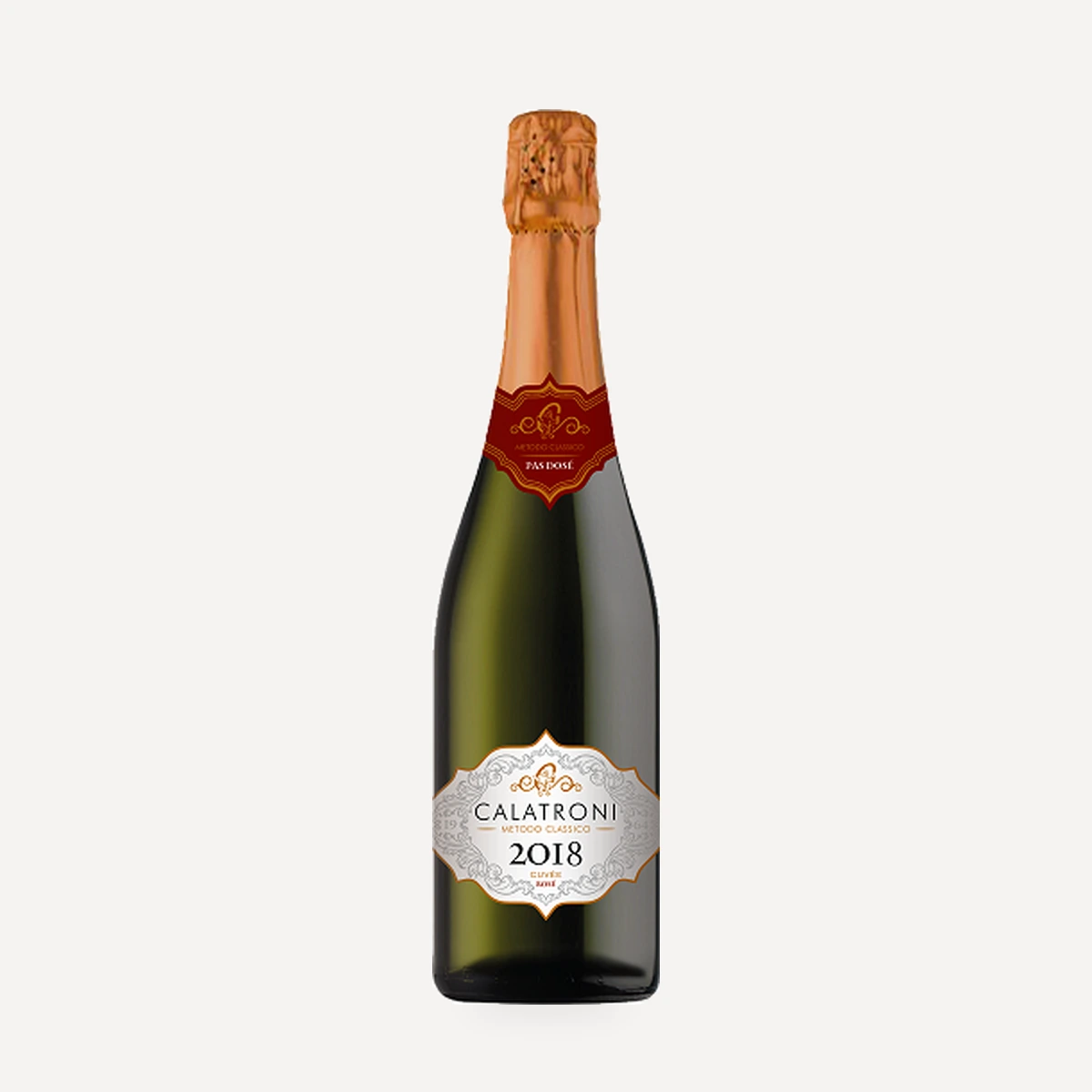
Cuvée Rosé Pas Dosé
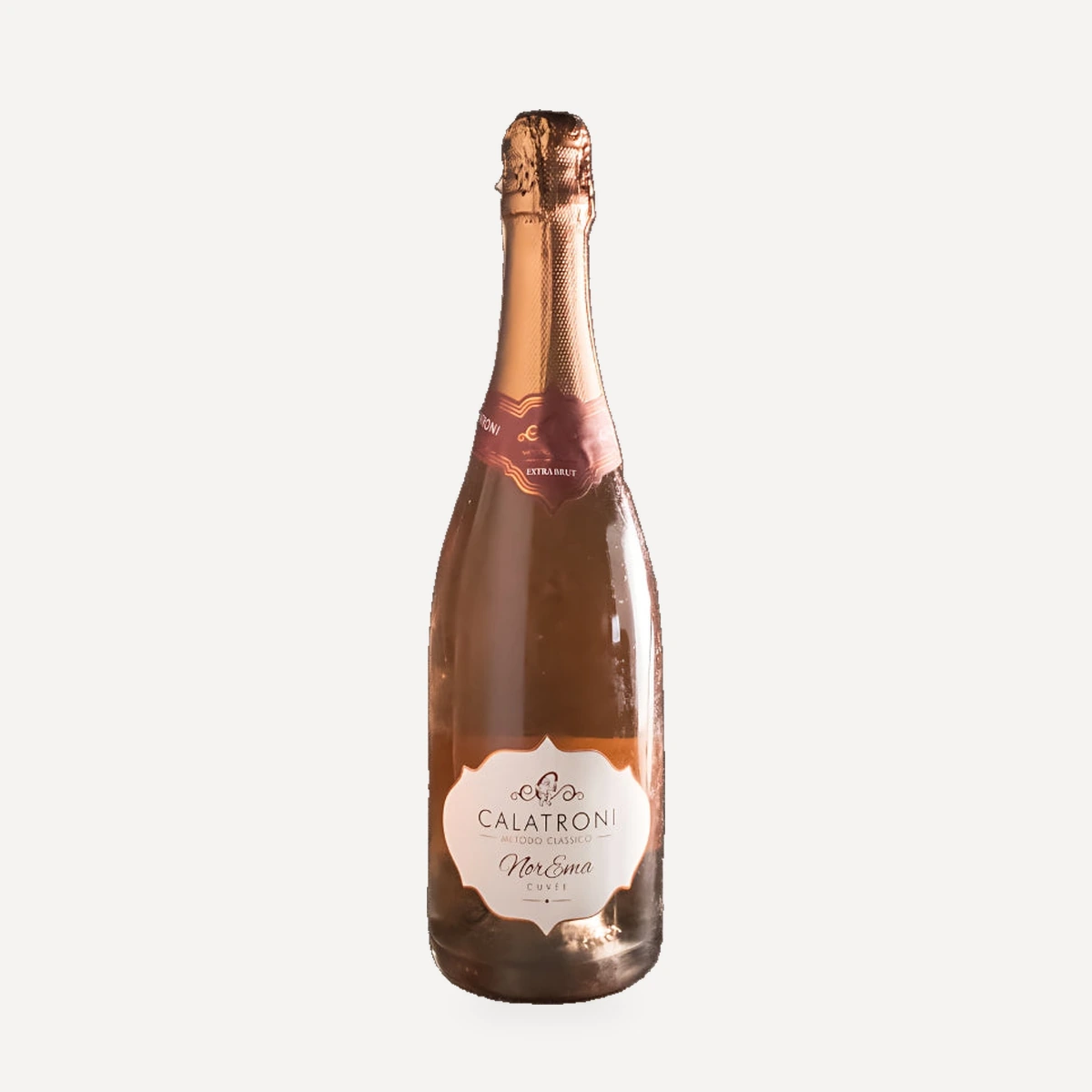
NorEma Rosé Extra Brut
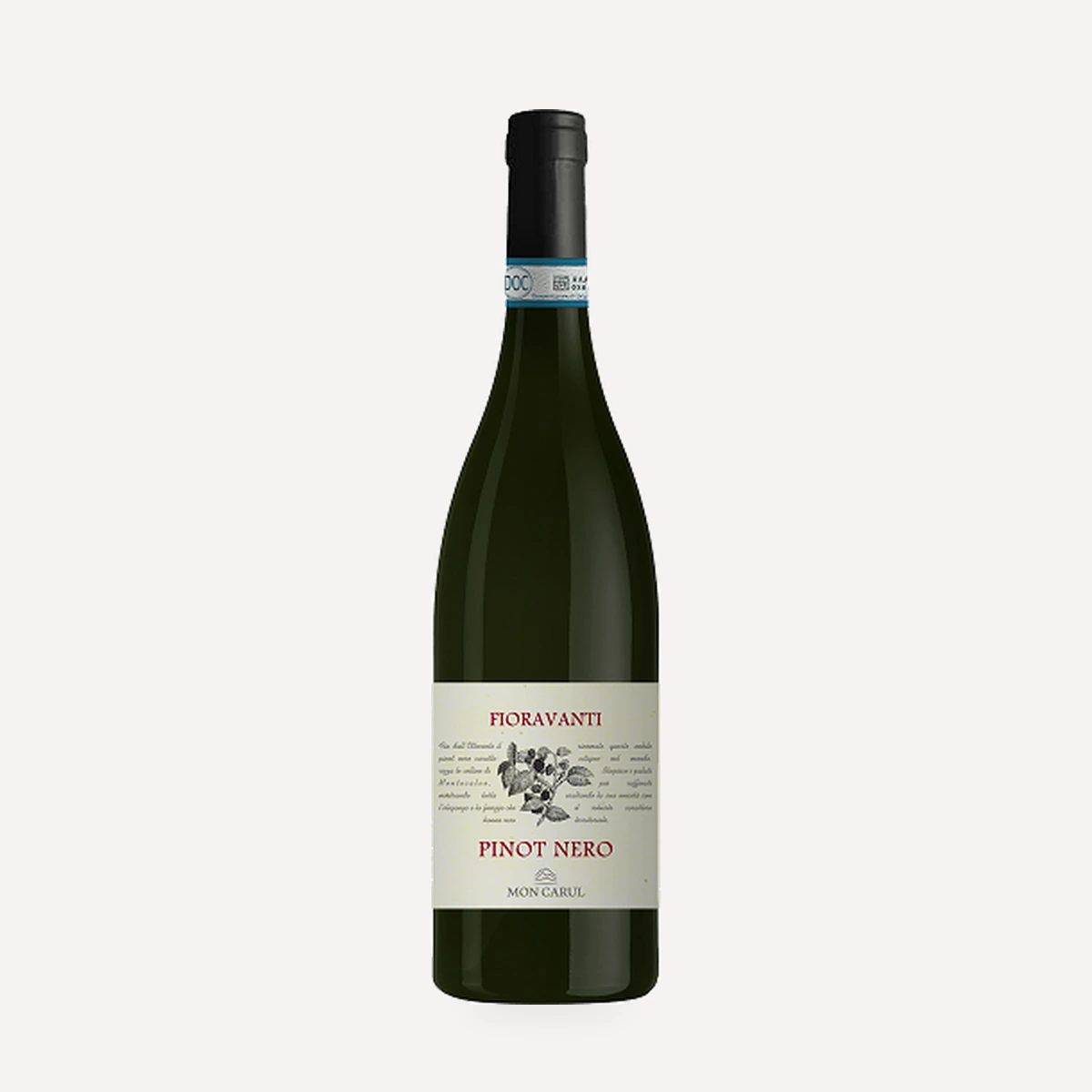
Pinot Nero Fioravanti
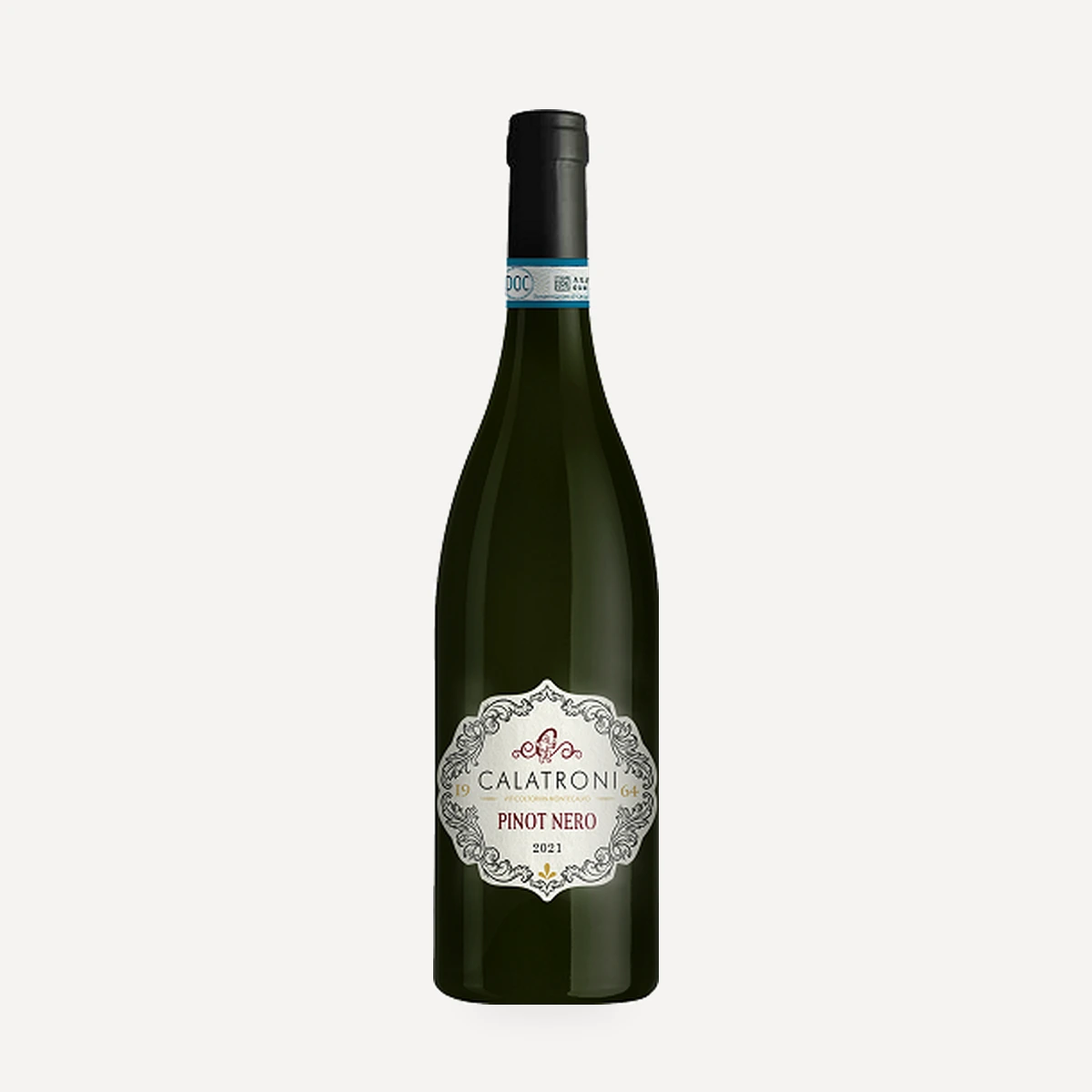
Pinot Nero Viticoltori in Montecalvo
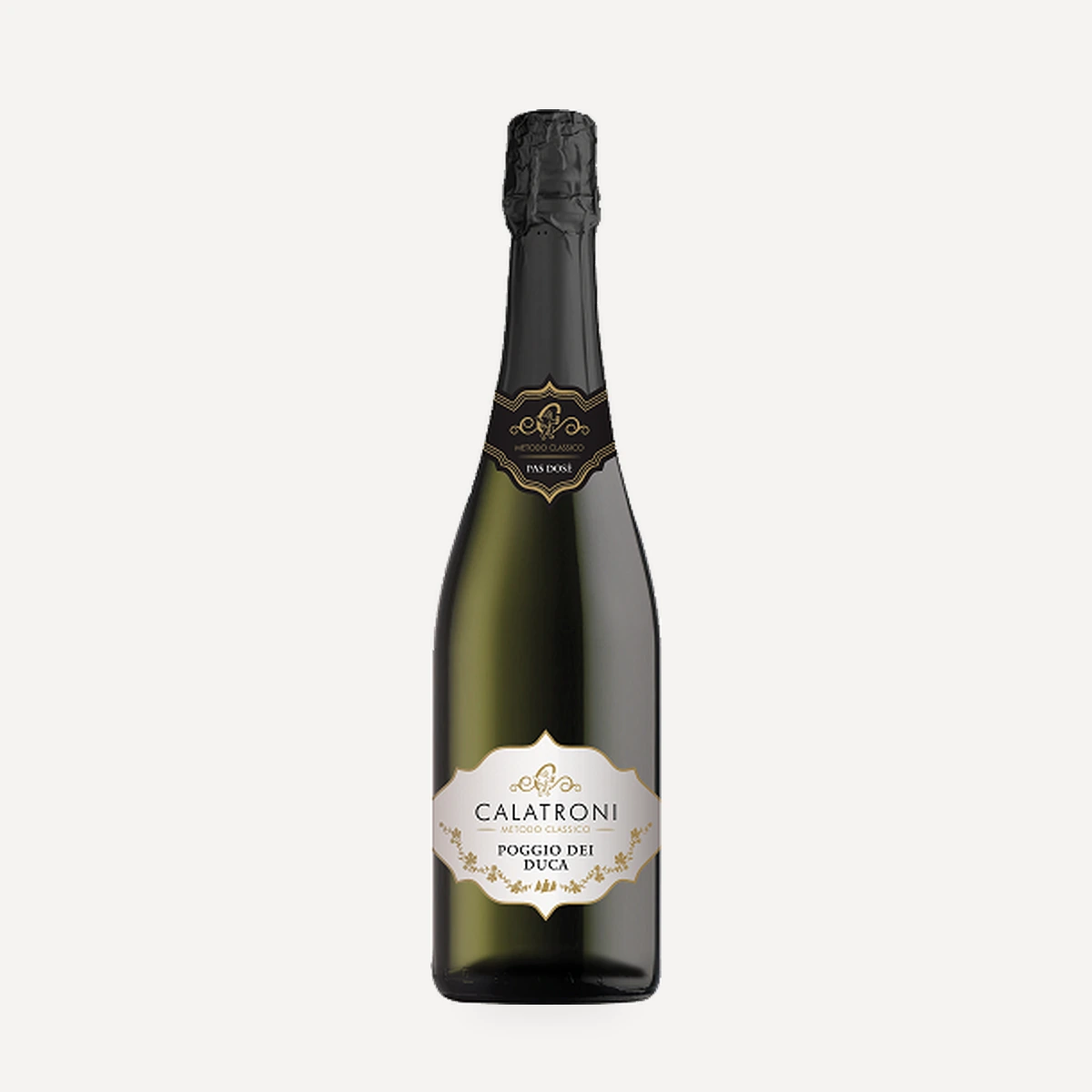
Poggio dei Duca Pas Dosé
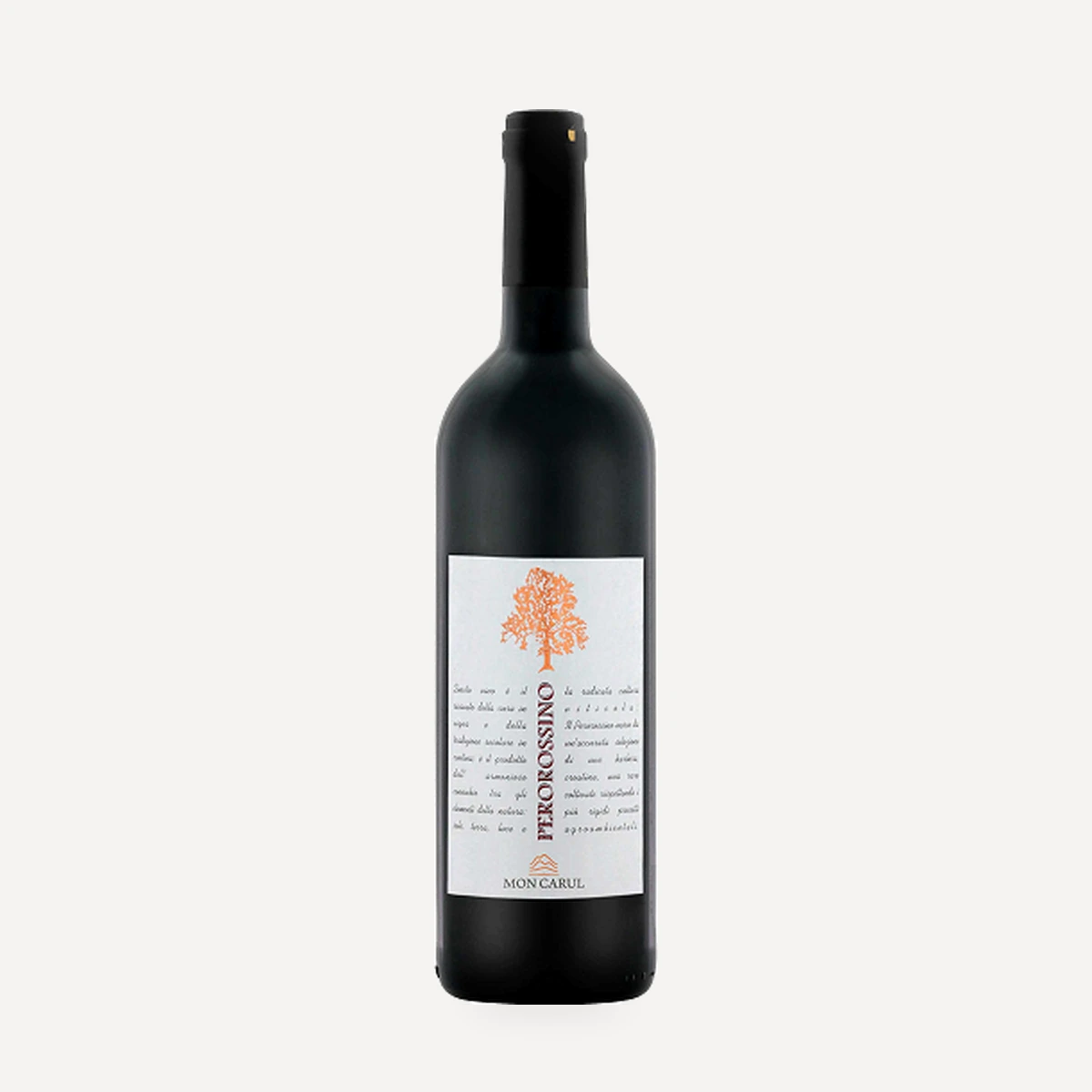
Rosso Perorossino
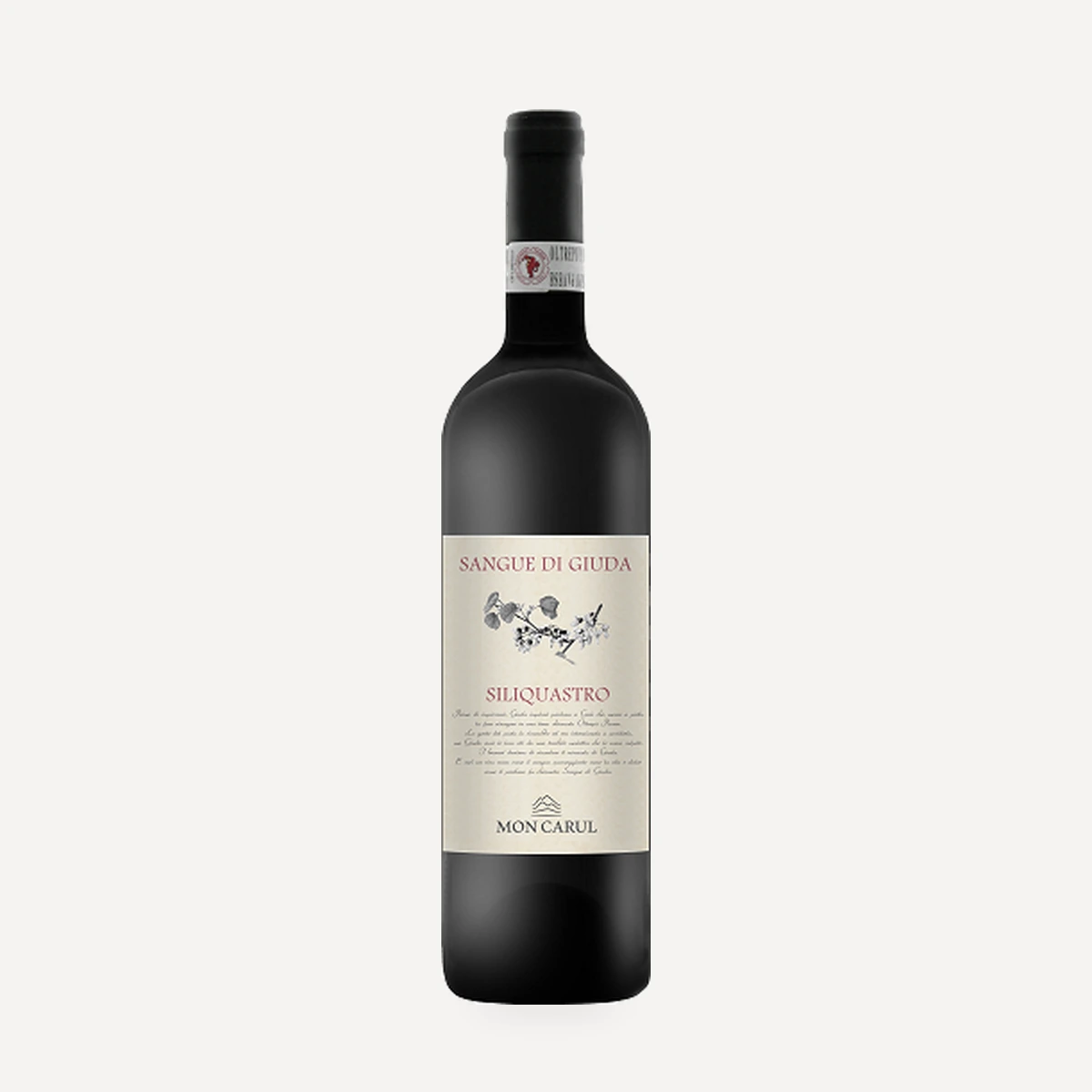
Sangue di Giuda Siliquastro