Questo vino
Vineyard and terroir
The 2020 fruit came from the estate vineyards and an old vineyard at Allegracore in the municipality of Randazzo. The espalier-trained Allegracore parcel stands at 700 metres on Etna’s northern slope and is tended according to older local farming practices. The traditional alberello-trained estate vineyards are planted at 6,000 vines per hectare on volcanic soil. These sea-facing terraces occupy Etna’s eastern to northeastern slope at approximately 450 metres.
Spontaneous ground cover is selectively mown, and sheep graze from October through February. Estate-made compost is applied every two years. Green pruning is conducted without bunch thinning.
Grapes
Blend proportions vary by vintage. Latest published vintage (2020): 50% Nerello Mascalese and 50% Nerello Cappuccio.
Vinification
The 2020 harvest took place in early November. The two grape components were handled as separate lots, undergoing spontaneous fermentation and skin maceration in buried 500-litre amphorae. The wine was neither filtered nor clarified.
Ageing
The separate 2020 lots initially matured for ten months in buried 500-litre amphorae and tonneaux. The wine then spent another six months in a 1,000-litre cocciopesto amphora.
Technical data
2020: 1,600 bottles; yield 5,000 kg; 11.93% alcohol; total acidity 6.9 g/L; pH 3.94; total/free sulphur dioxide 29/10 mg/L.
Vintage notes
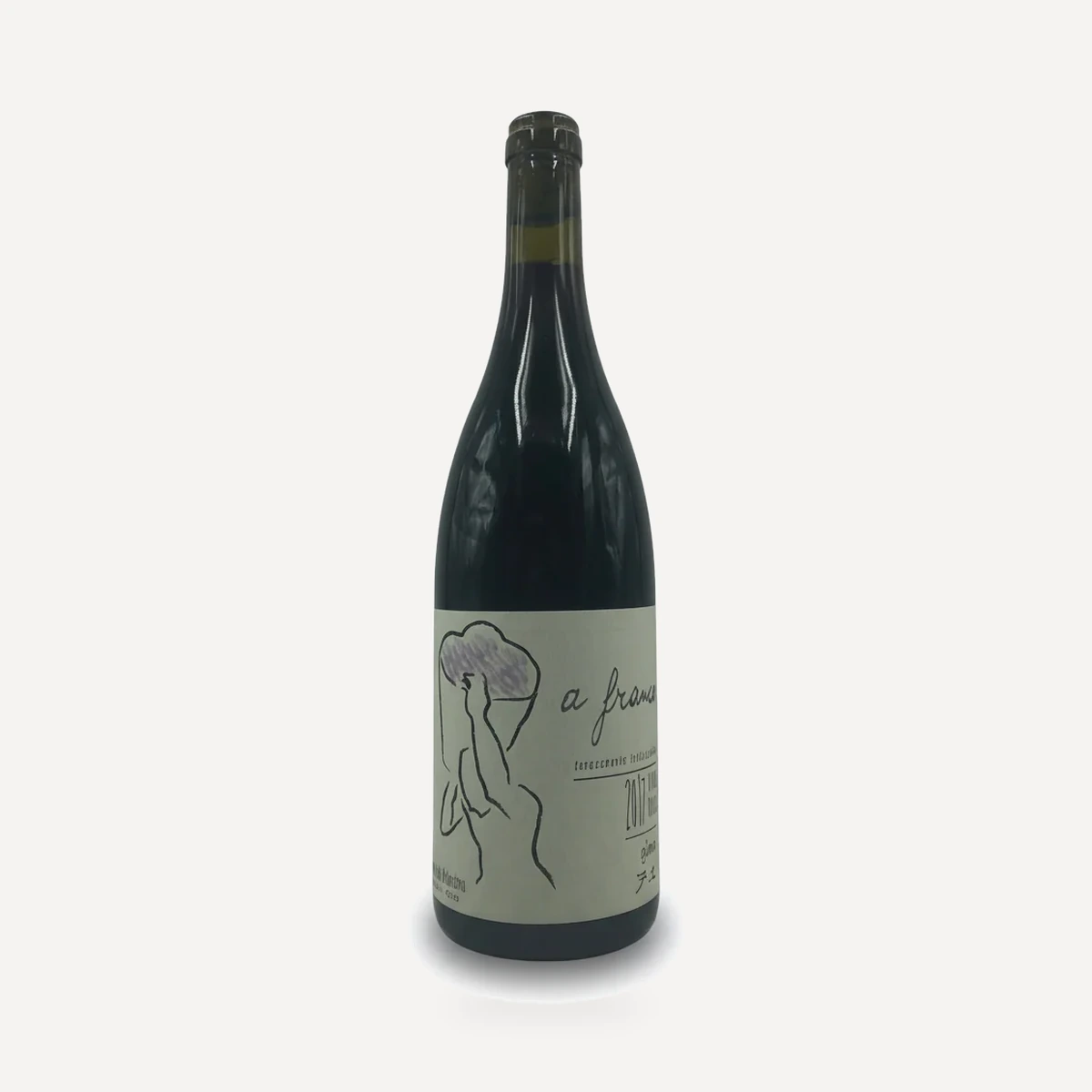
No diEGO was made in 2018 because of insufficient phenolic ripeness. The 2017 wine underwent a 17-day skin maceration in a conventional amphora and approximately nine months of maturation in an egg-shaped amphora.