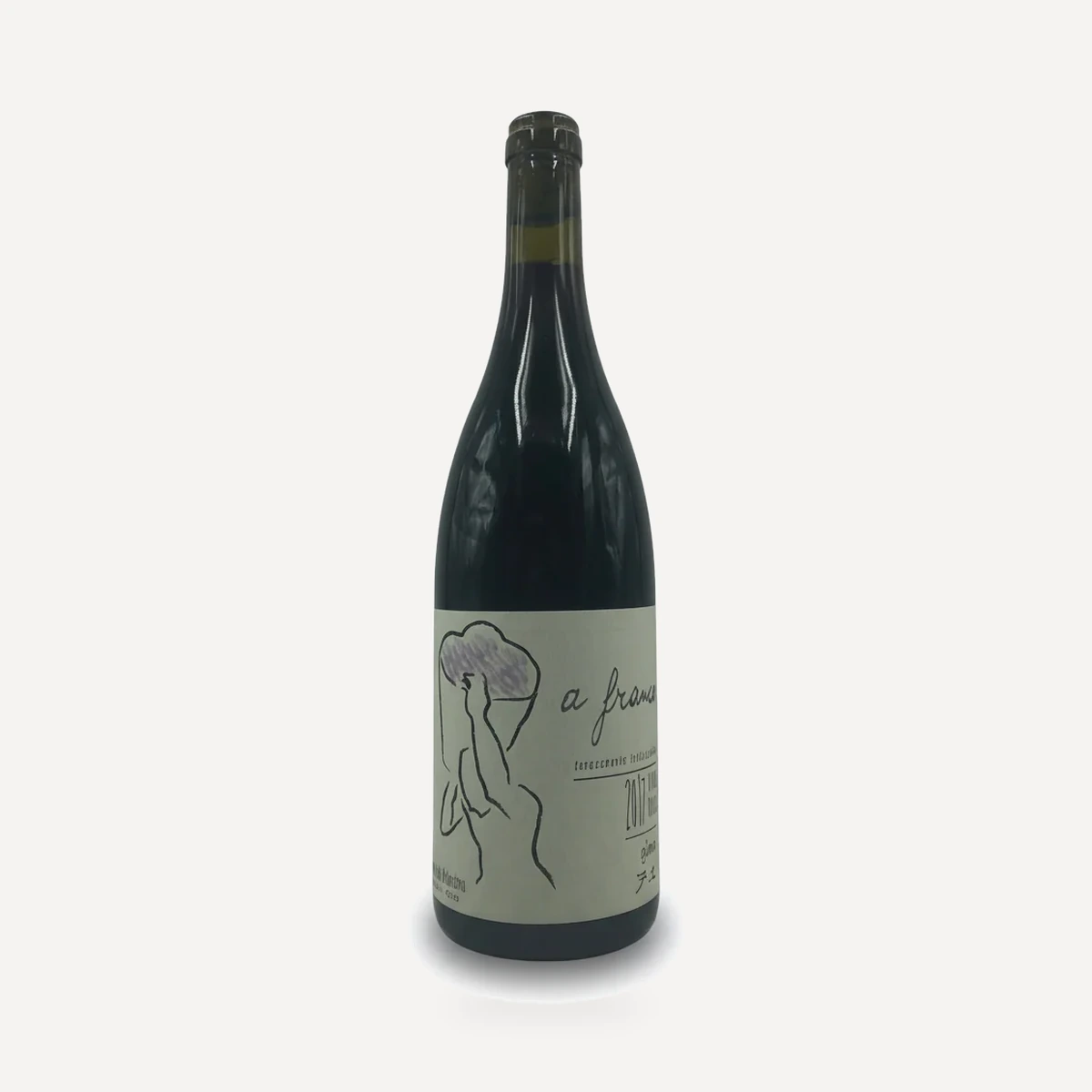
Storia
Earlier winegrowing history
The property occupies terraces on Etna’s Ionian side where vines were cultivated in antiquity. The surviving winery buildings include four palmenti—traditional Etna vinification structures—and three farmhouses. The cellar now used for winemaking is housed in a palmento dating from the early nineteenth century.
Until the first half of the twentieth century, the land formed part of one of the largest wine estates in the Etna area. It was subsequently abandoned after the Second World War. By the beginning of the present project, the old winery had been unused for more than 30 years, while the terraces and buildings had been overtaken by brambles and deterioration.
2005–2011: acquisition, recovery and first production
The land was purchased in 2005. Recovery began as a gradual effort to reclaim the terraces from abandonment, restore the former winegrowing landscape and rebuild a biodiverse agricultural ecosystem. The team explored regenerative agriculture, permaculture and biodynamic techniques while reintroducing vines and numerous fruit crops. The historic buildings were renovated with material-recovery techniques and bio-architectural solutions so that they could support the wider agricultural project.
The first vineyard replanting followed in 2008, with Nerello Mascalese and Carricante. A second replanting in 2009 introduced further Nerello Mascalese together with Nerello Cappuccio. Renovation of the ancient palmento began in 2010. In 2011 the project completed its first production: 500 bottles intended for internal use.
2014–2018: vineyard management, first releases and amphorae
A shredder arrived in 2014, making the management of permanent ground cover more practical. An agreement for controlled grazing followed in 2015, linking the vineyard to a neighbouring shepherd and adding another circular relationship to the farm economy.
Malandrino, a pure Nerello Mascalese, debuted in 2016. In 2017 the team met Leonardo of Artenova, after which natural terracotta amphorae entered the cellar. The 2017 season brought an ideal spring followed by a very hot, dry summer and a rainless harvest. Picking was advanced by ten days on the evidence of sugar and acidity measurements. The maceration technique trialled in 2016 was repeated; although it initially appeared to extract excessive phenolics, the wines subsequently developed very well with age.
The 2018 season combined an ideal spring and temperate summer with rain in late August and September. Limited phenolic ripeness led the cellar to abandon the plan developed from the previous vintage and not produce diEGO. Red and white grapes were collected in two separate harvests, fermentation began in steel and continued in amphora, and the vintage produced Angelica, the cellar’s first skin-macerated Carricante.
2019–2022: production cellar and technical development
In 2019 renovation began on the “small” palmento, the first step towards creating the production cellar. That season, temperatures fell sharply at the end of May—far enough for skiing to resume on Etna—and vine growth did not restart until late June. Delayed technological ripening and weak phenolic development prompted an extended, highly selective harvest. Around 40 micro-harvests were conducted almost daily from late September into early November, separating grapes by zone, ripeness, health and variety.
In 2020 the cellar opened its facilities to other small winemakers, developing new working relationships. Climatic stress weakened the estate vines, with powdery mildew and poor ripening particularly affecting Nerello Cappuccio. Some fruit was therefore purchased from small natural-wine growers on Etna’s southern side, providing an opportunity to work with other expressions of the volcanic territory.
Cocciopesto vessels and buried Georgian qvevri arrived in 2021. A pneumatic press and peristaltic pump were also introduced, marking a significant technical development in production. The 2021 summer was hot and dry, reaching 49°C, while frequent Etna eruptions deposited ash, sand and lapilli. Fine volcanic ash had an antifungal effect, allowing sulfur use to be reduced to a single treatment; the fruit achieved strong phenolic ripeness, retained satisfactory acidity and remained very healthy.
Lupo Cappuccio, a pure Nerello Cappuccio, debuted in 2022. The season was persistently hot, though without the previous year’s 49°C extreme, and no rain fell from early May until October. Irregular vine stress and weak phenolic ripeness in individual plants led to earlier picking, repeated selective harvests and differentiated vinification paths designed to offer more options at blending.
2023–2024: fire and recovery
On 25 July 2023, two major fires struck the farm. The flames burned much of the old citrus grove and crossed the entire vineyard. During 2024 the team waited for post-fire regrowth before determining how many vines had survived.
Terroir
Cantina del Malandrino lies in the territory of Mascali on Etna’s eastern to north-eastern side, overlooking the Ionian coast between Catania and Taormina. The vineyards occupy narrow, ventilated terraces at approximately 400–500 metres above sea level and extend around an old crater. Their exposure receives the early light of dawn but loses direct light relatively quickly at sunset.
The terraces are supported by old dry-stone walls. Their orientation towards the valley channels the maritime breeze back through the vineyard. Etna itself shelters the site from the area’s occasional winter frosts. The meeting of mountain and sea produces a slightly humid microclimate that can tend towards subtropical conditions and is rarely very cold, supporting notably lush vegetation.
The vines root in an ancient lava flow associated with the 1928 eruption that covered the former centre of Mascali. The volcanic ground is free-draining and rich in stones and minerals. The combination of volcanic soil, maritime air, exposure and altitude shapes the estate’s agricultural environment.
Vinificazione
The estate vineyard is cultivated organically and integrated with the other crops and uncultivated areas of the farm. Its management combines permanent spontaneous ground cover, selective mowing and controlled sheep grazing. Grazing generally takes place through the cooler part of the year, recorded as October to February or March, and reduces reliance on mechanical mowing.
Soil disturbance is limited to green-manure and fertilisation work. Fertility comes exclusively from self-produced compost, made in cooperation with a neighbouring shepherd; earlier vineyard records describe a biennial compost application. The broader system has drawn on regenerative agriculture, permaculture and biodynamic techniques while rebuilding a biodiverse environment from formerly overgrown land.
Seasonal work has included winter pruning and fertilisation, replacement of missing vines and decayed stakes, spring soil work where required, late-spring mowing, June tying and earthing-up around younger vines, followed by leaf and bunch thinning at the beginning of August. Other vintage records describe green pruning without bunch thinning, reflecting adaptation to the season and vineyard section.
Sulfur is used only when required and has been reduced to a minimum; copper is avoided. In 2021, naturally deposited volcanic ash provided sufficient antifungal effect for the vineyard to receive only one sulfur treatment. Harvesting is selective and can be divided into numerous micro-harvests according to zone, variety, physiological condition, health and ripeness. In 2019 this approach resulted in about 40 separate picks from late September to early November.
Winemaking takes place in a restored Etna palmento dating from the early nineteenth century. A smaller palmento began conversion into the production cellar in 2019. Since 2020 the space has also welcomed other small winemakers.
Diego adapts the process to the condition of the vineyard at the end of each ripening cycle. Grapes may be collected through multiple micro-harvests and undergo progressively extended macerations. Maceration and fermentation vessels include natural, unglazed terracotta amphorae, cocciopesto vats and buried Georgian qvevri. Steel tanks, tonneaux and acacia barrels are also used where the development of a particular lot calls for them. A pneumatic press and peristaltic pump were introduced in 2021.
Fermentations are spontaneous. Historical lots have included foot crushing, manual destemming, open fermentation in cocciopesto, direct pressing, short macerations of about four or five days, longer macerations of at least 15 days, and progressive macerations assembled from successive micro-harvests. The porosity of unglazed amphorae provides gentle micro-oxygenation.
Vessel selection and élevage are decided through tasting rather than a fixed formula. Terracotta and cocciopesto amphorae are central to maturation, while steel, tonneaux and acacia barrels may be used alone or in sequence. Diego generally favours single-variety wines as a way of exploring each grape. For blends, he normally waits for at least one year of maturation, prepares several trial assemblies in 5-litre bottles and allows them to rest for about a month before choosing the preferred combination.
The wines are neither filtered nor clarified. Sulfur additions are kept to a minimum and made only when considered necessary at bottling.
Filosofia
The project treats the vineyard and cellar as one component of a larger agricultural ecosystem rather than an isolated production unit. Its central ideas are biodiversity, multifunctionality, self-production and circular relationships with neighbouring activities. Agriculture is understood as a means of protecting the environment and landscape while creating social value and continuous employment.
In the cellar, observation and patience take precedence over a predetermined recipe. Diego combines empirical experience with scientific knowledge, changing harvest timing, maceration and vessel choice according to what the vineyard delivers in each season. The aim is to accompany the fruit’s development rather than impose a standardised outcome.
Single-variety wines are preferred when they make it possible to investigate the expression of an individual grape. Blends are developed slowly through tasting and trial assemblies. The cellar defines its desired wines as natural, sincere and capable of conveying both place and vintage, with amphorae, spontaneous fermentation and restrained additions serving that objective.
The wider Bagol’Area project seeks a balance of mutual support and adaptation with the land. Cooperation, sharing, care and responsible hospitality are treated as extensions of the agricultural work.
Vini
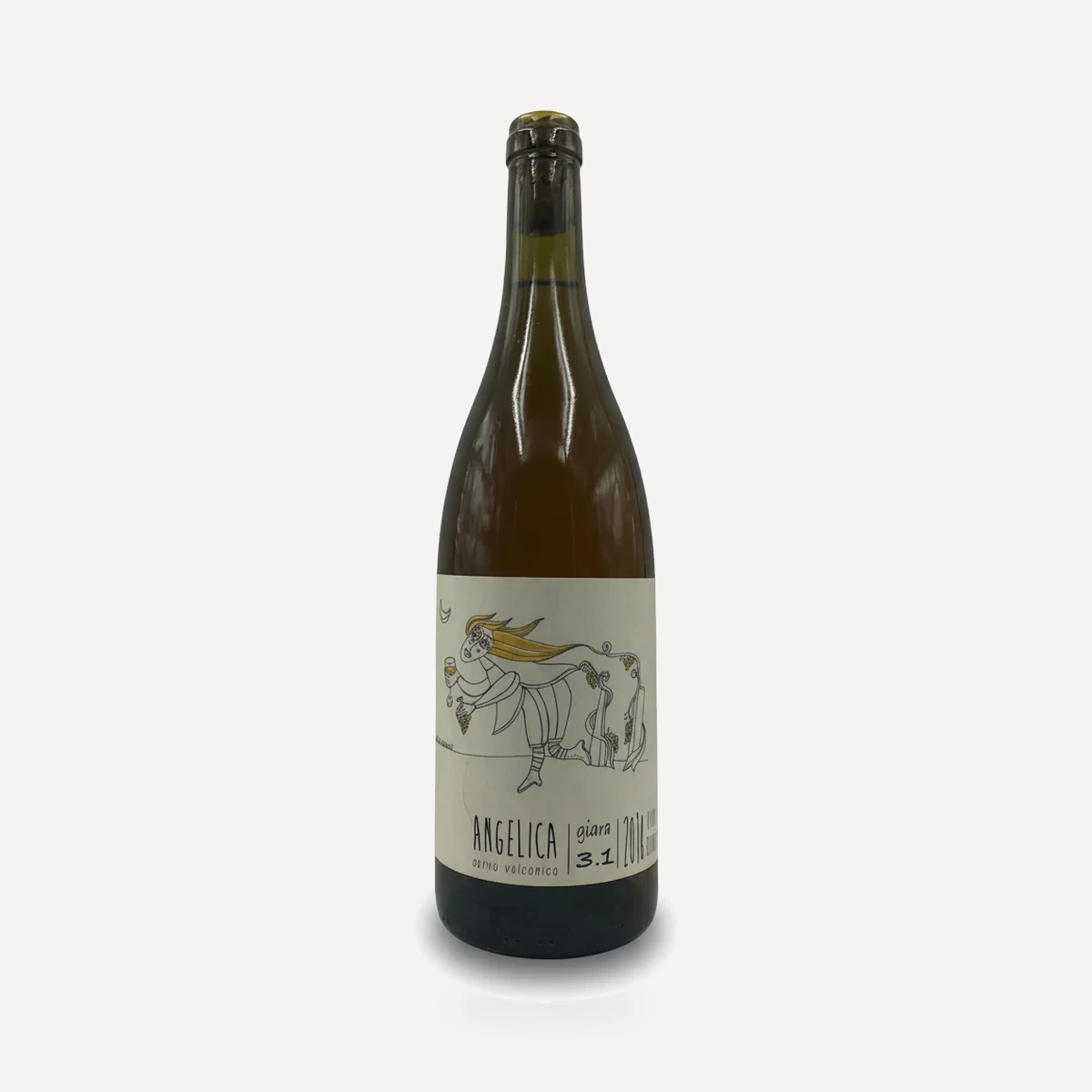
Angelica
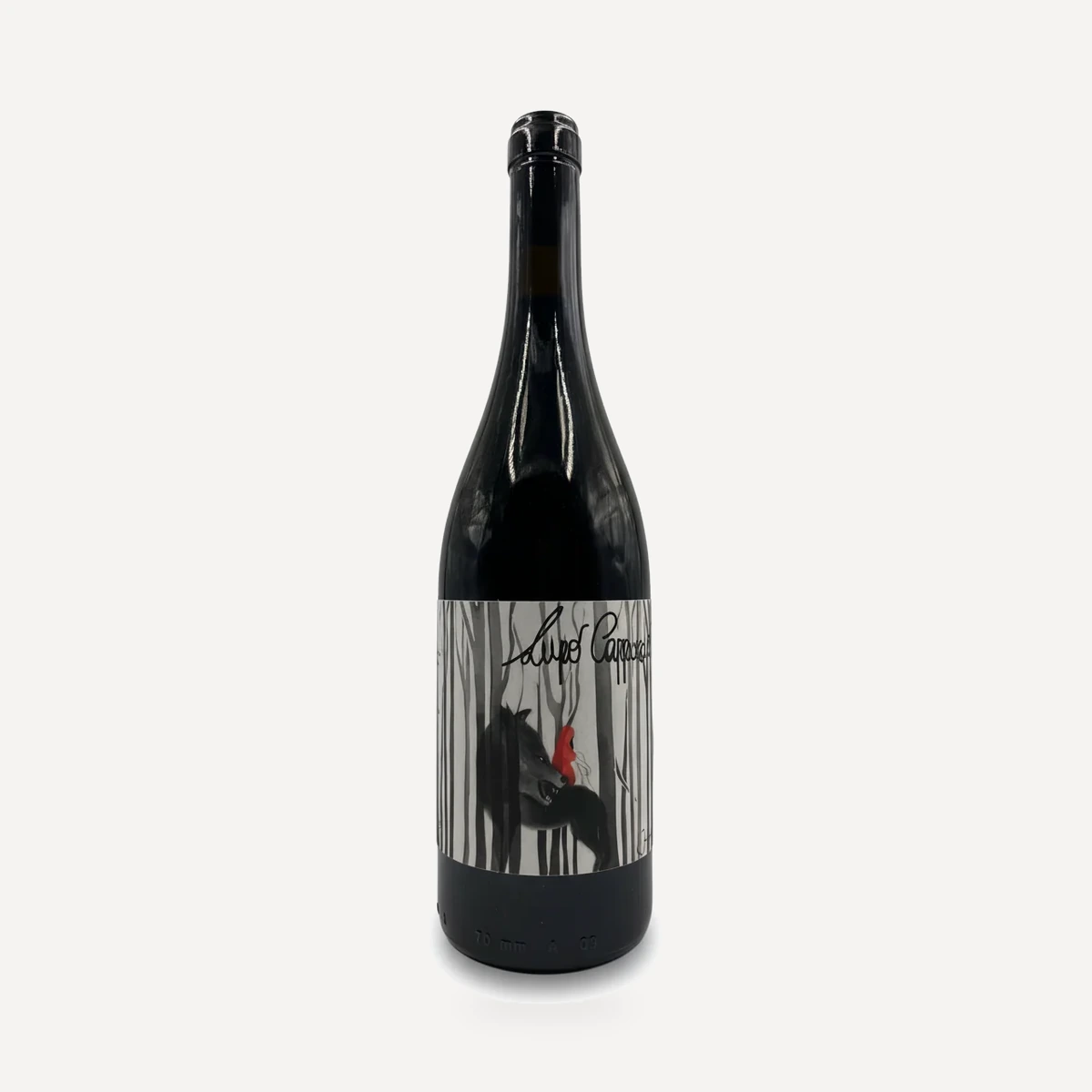
Lupo Cappuccio
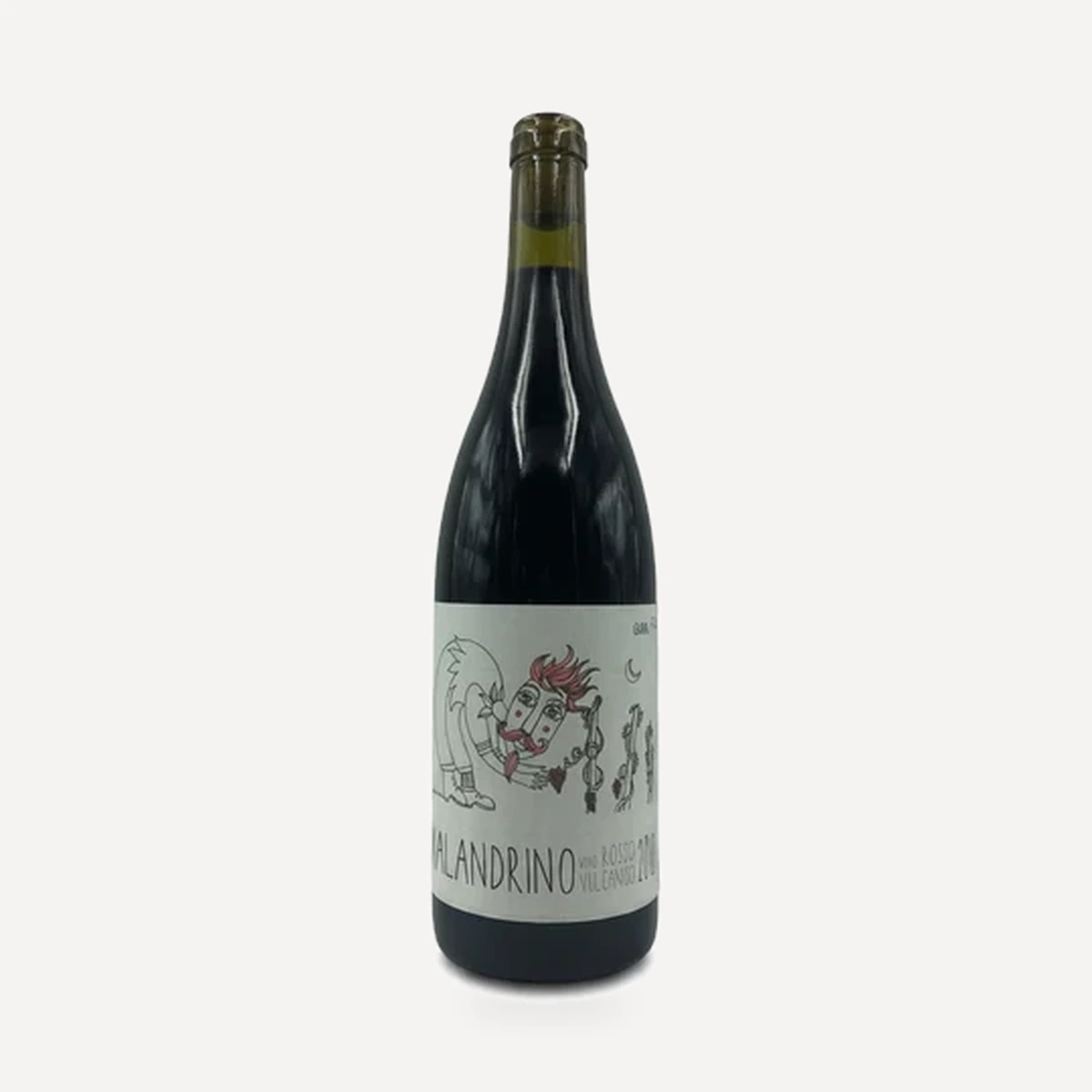
Malandrino