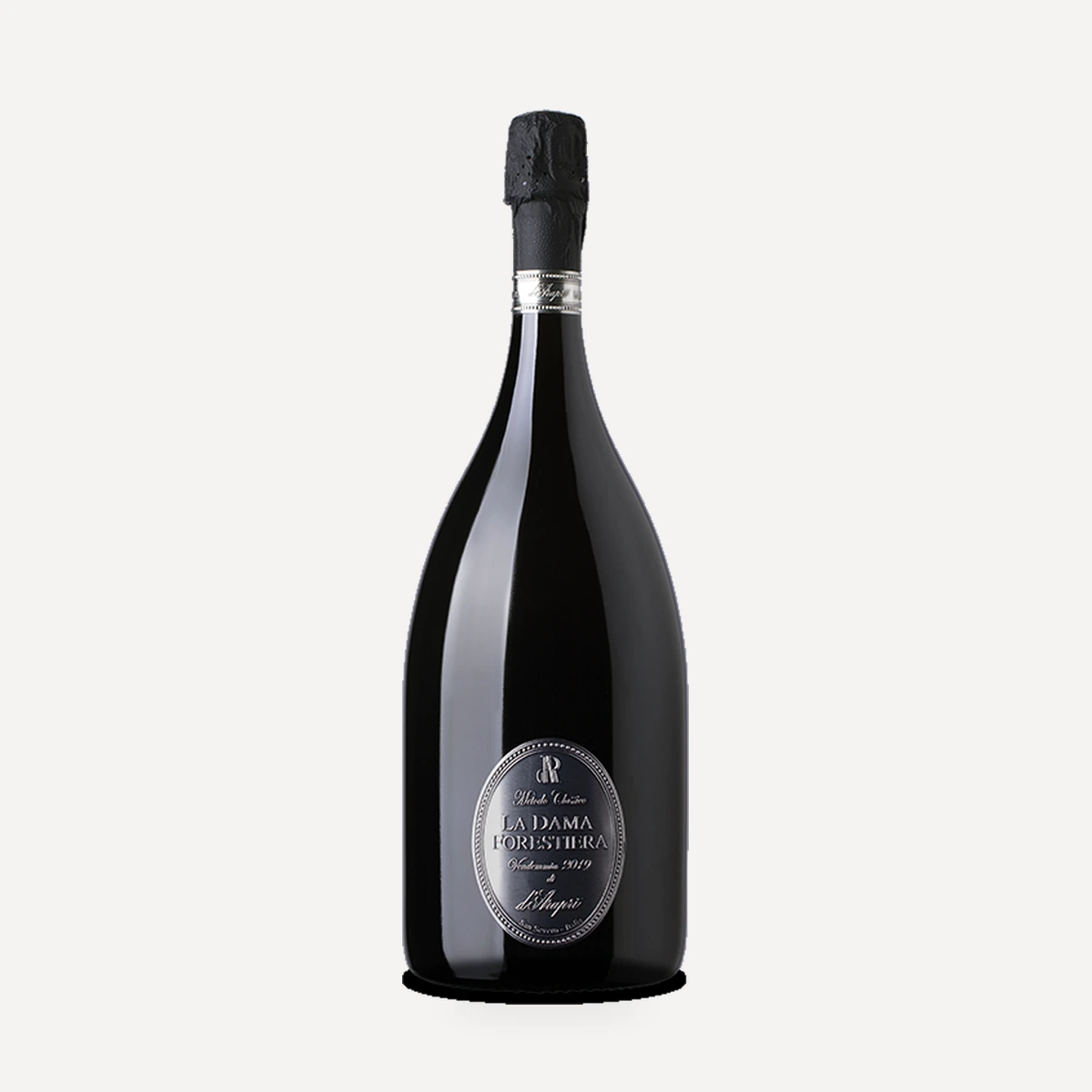
Questo vino
Vineyard and terroir
The grapes come from estate vineyards in Contrada Cotinone and Contrada San Matteo at San Severo, associated with areas of approximately 2 and 12 hectares. The vineyards lie on gently sloping clay-limestone soils at 80–100 m above sea level and face south to south-west. Vines are trained to Pergola pugliese at a density of 2,000 plants per hectare. Yields are 100–120 q/ha, approximately 3–4 kg per vine.
Grapes
Montepulciano and Pinot Nero from estate vineyards. These black grapes are vinified as white wine, using only the first-pressing must.
Vinification
Pinot Nero is harvested in late August and Montepulciano in mid-September, with manual picking and grape selection. Only first-pressing must is used. After secondary fermentation, the wine matures slowly on the lees in the cool, quiet and subdued light of the historic underground cellars in central San Severo. Manual à la glace disgorgement takes place without dosage syrup.
Ageing
The technical specifications give a minimum of 48 months on the lees, while the introductory description says the Magnum bottles mature for at least five years. Approximately three months of post-disgorgement ageing precede release.
Technical data
Nature. Dosage: 0 g/L. Released exclusively in 1.5 L Magnum bottles.
Tasting profile
Golden yellow with a very dense stream of small bubbles. The complex, elegant bouquet combines mature aromas with a spicy component. The palate is generous and full, with good body, structure and notable length.
Serving and pairing
Designed for flavourful dishes such as prawns wrapped in vine leaves with curried potatoes. Mediterranean specialities and simple bread with tomato are also suggested.
Vintage notes
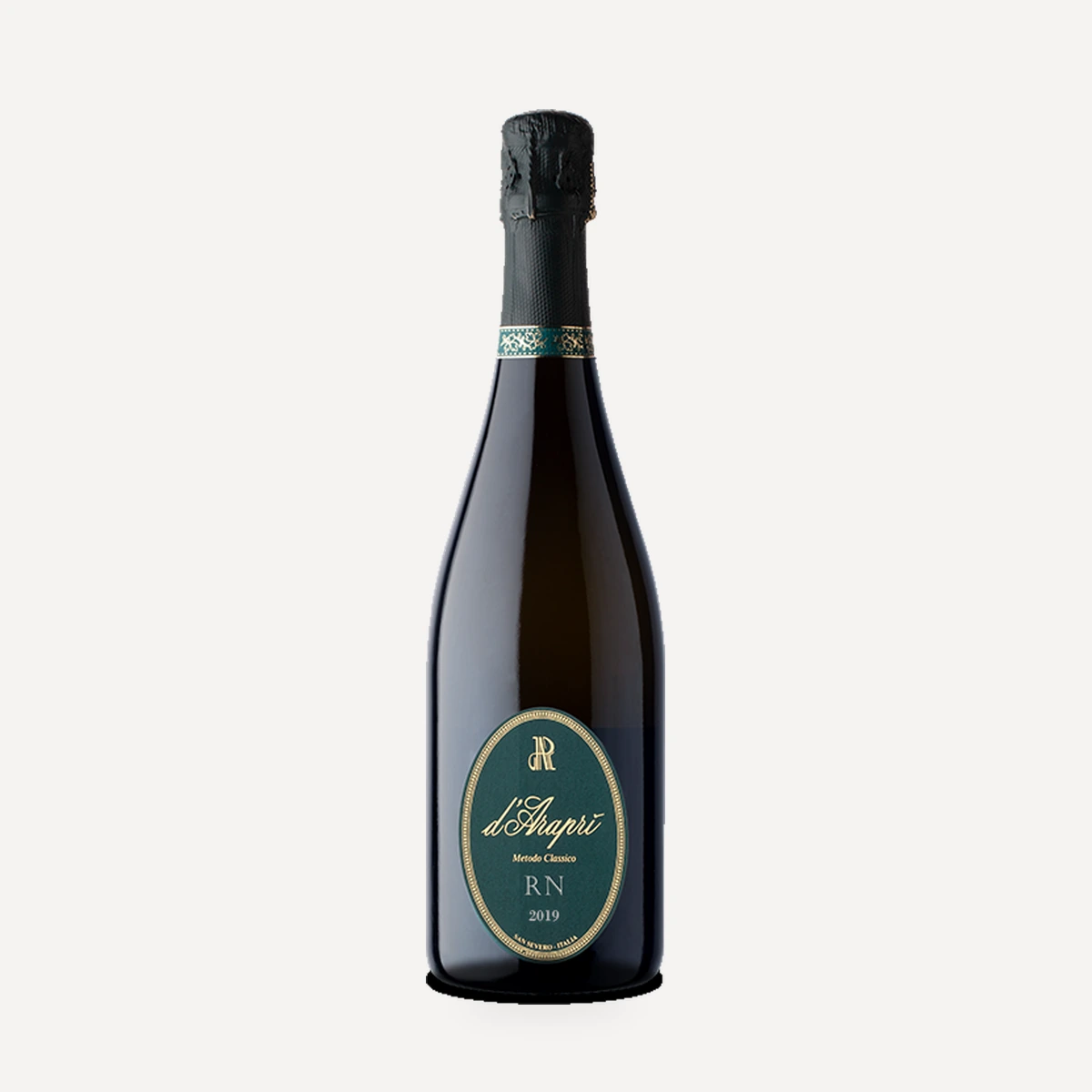
The current release is 2020. The linked technical sheet describes the 2019 release.
Label / history
The cuvée honours Elisa Croghan, the English gentlewoman who managed the large estate of Michele di Sangro, the last Prince of San Severo, in the late nineteenth century. After the prince bequeathed the estate to the city, the territory became one of Italy’s largest vineyards. Croghan entered Capitanata history as “La Dama Forestiera,” the name later used by writer Nino Casiglio for a novel.