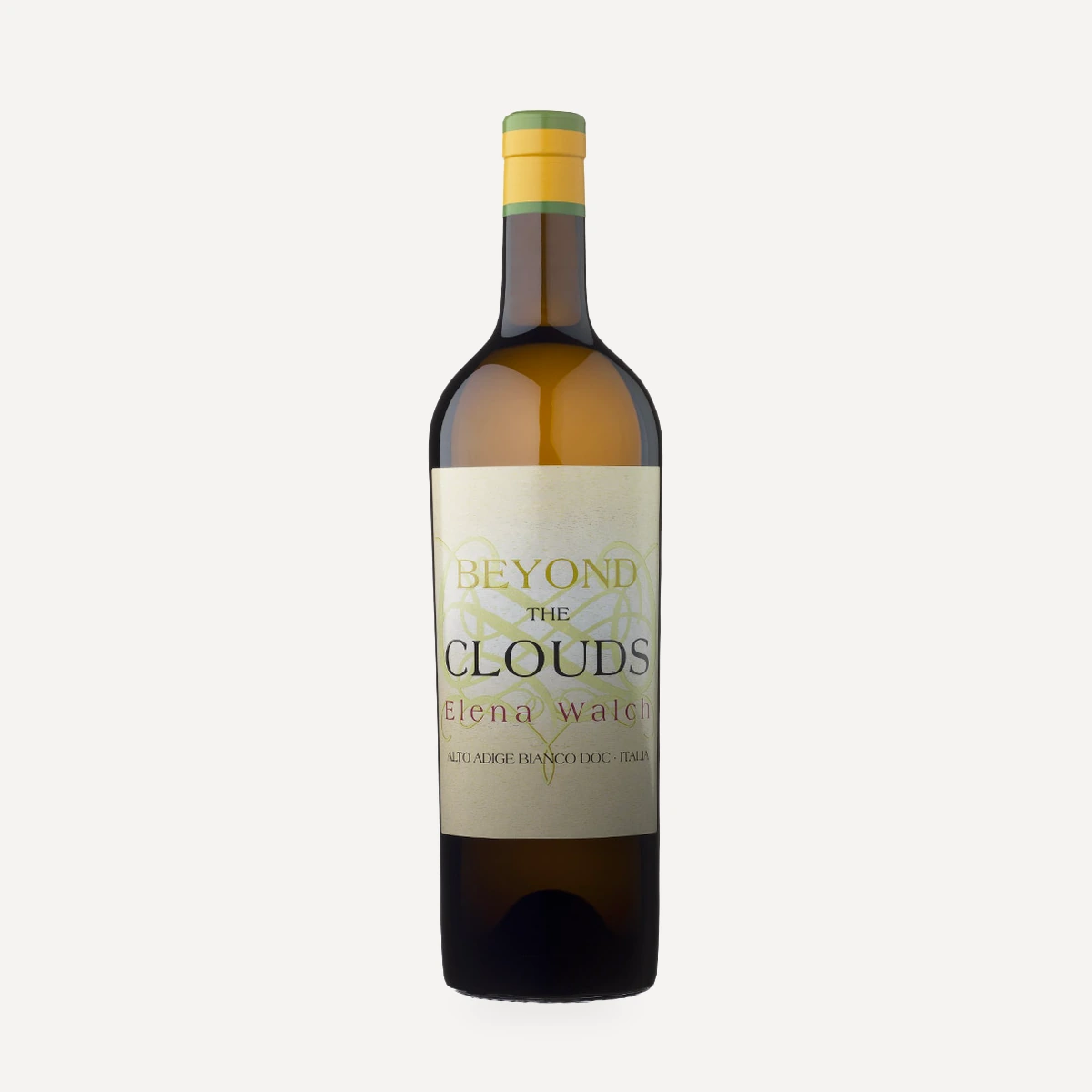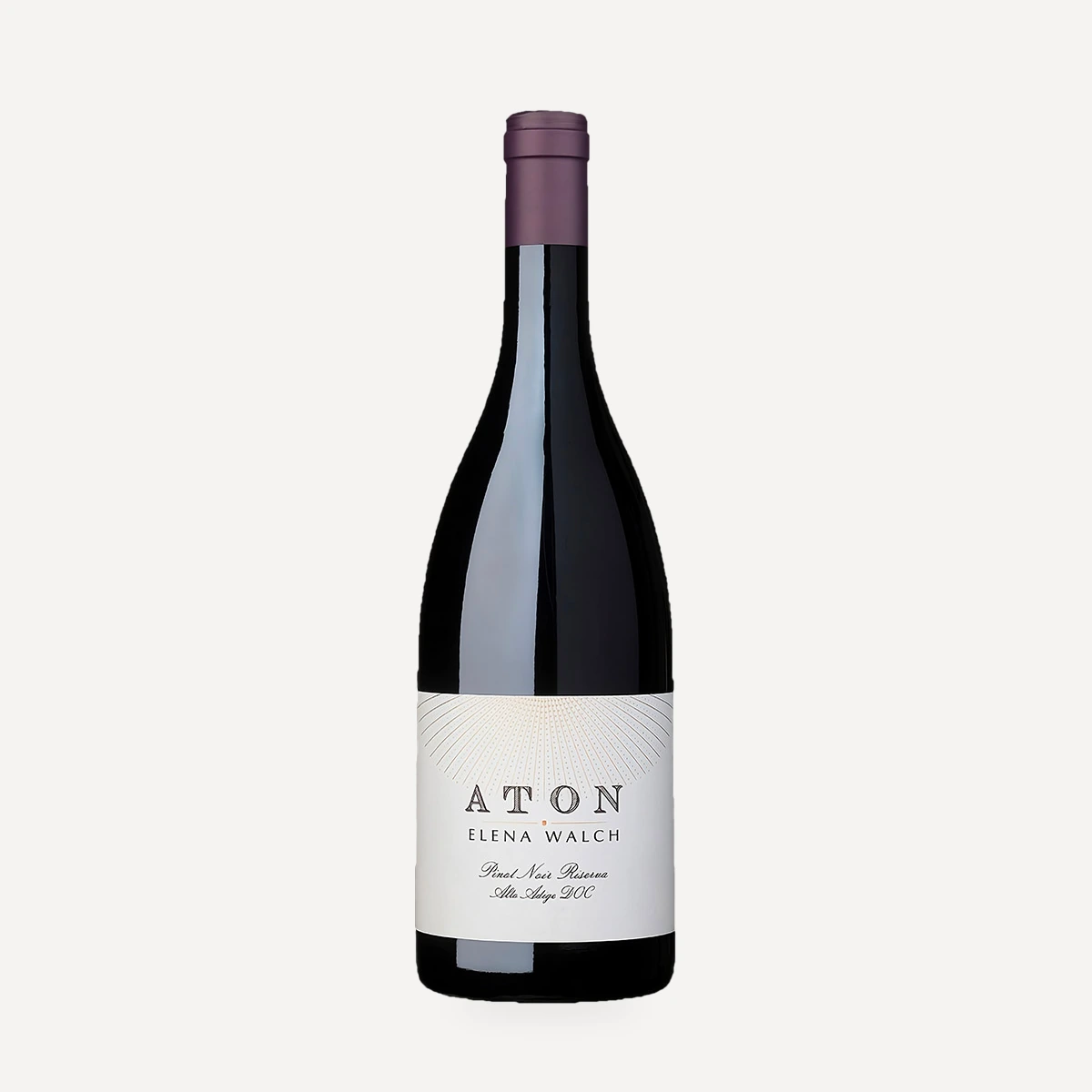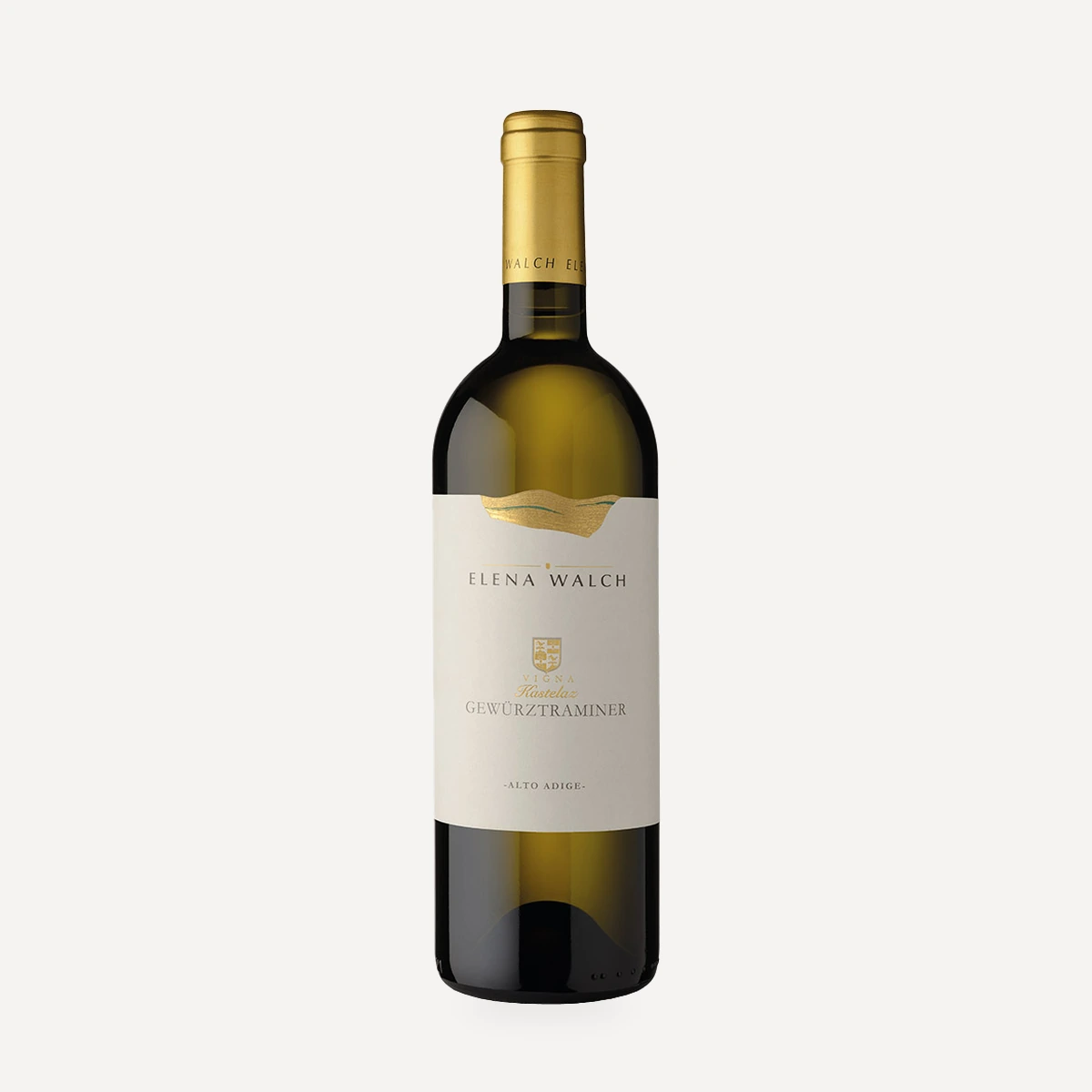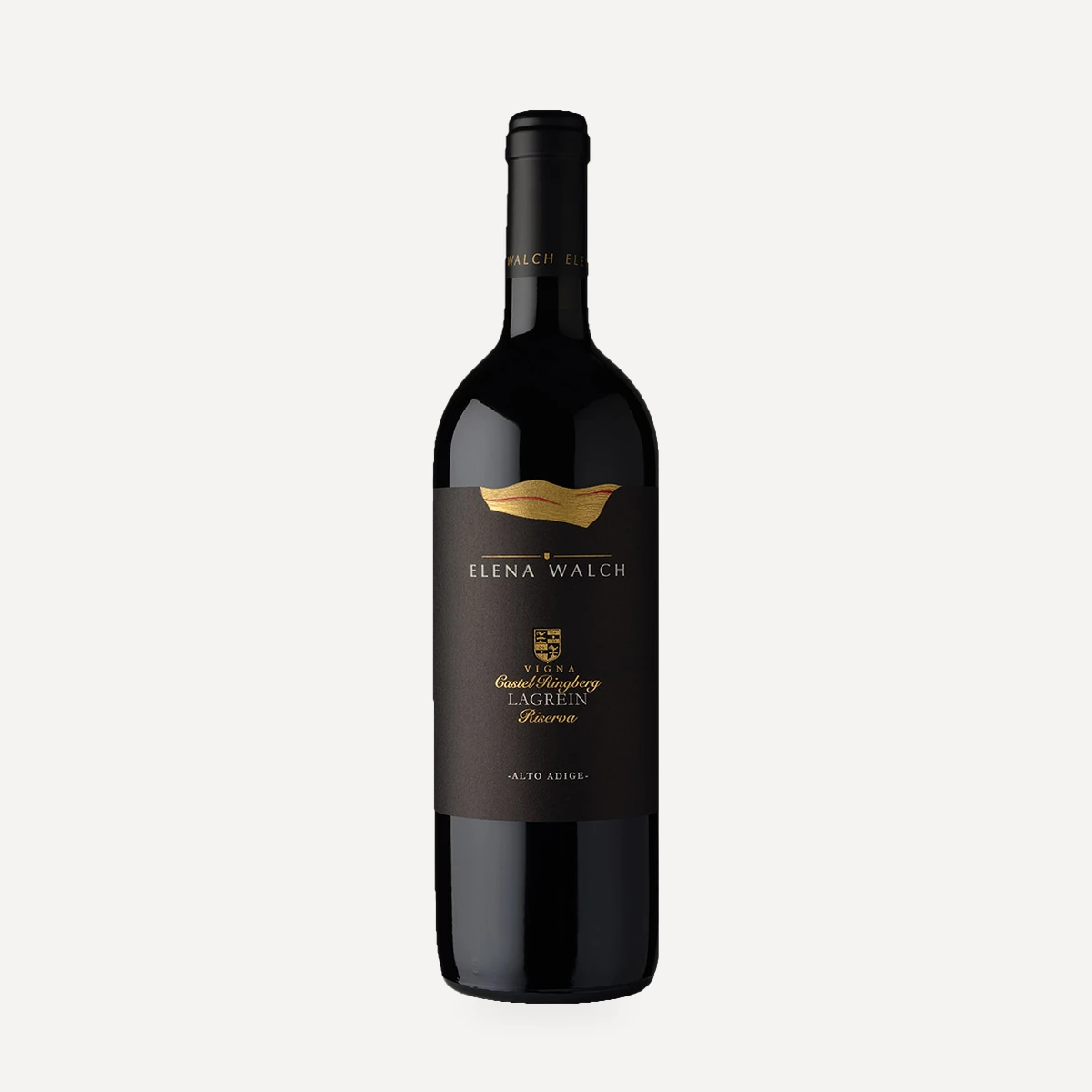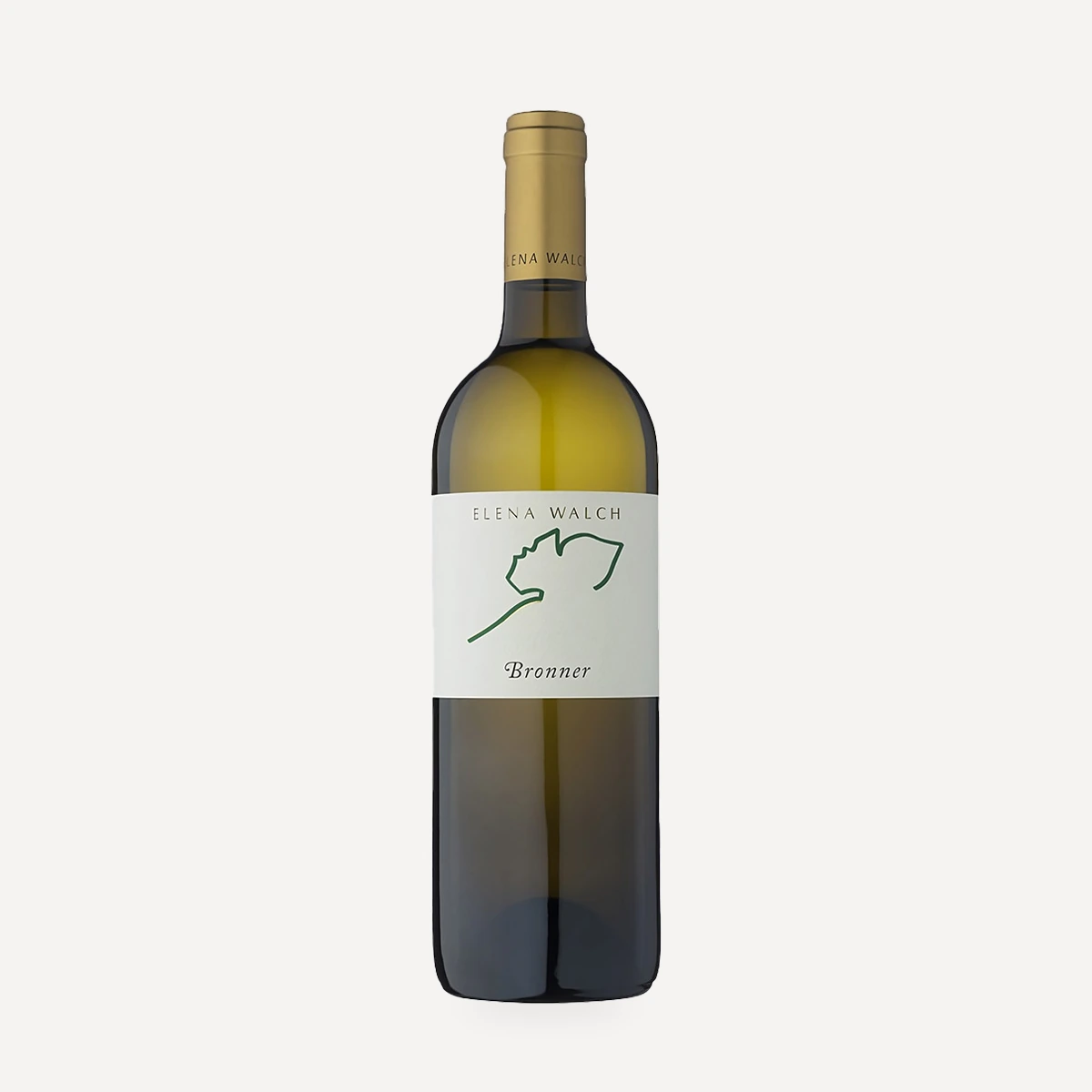
Questo vino
Vineyard and terroir
Bronner is a fungus-resistant PIWI variety. Its resistance allows vineyard treatments against fungal disease to be reduced to a minimum. The vineyards combine Mediterranean warmth with cool winds from the surrounding mountains, contributing freshness and tension.
Grapes
100% Bronner. The variety arose from a cross involving Vitis vinifera and the resistant Asian species Vitis amurensis: Merzling—derived from Riesling and Pinot Grigio—was crossed with Zarya Severa and Saint Laurent.
Vinification
The grapes are carefully pressed after harvest. The fresh must undergoes static clarification at low temperature, followed by gentle fermentation with selected yeast in stainless-steel tanks at a controlled 20°C.
Ageing
The young wine matures for six months in stainless steel on its fine lees.
Technical data
The 2024 technical data are 12.50% alcohol, 5.9 g/L total acidity and 4.2 g/L residual sugar. The available format is 0.75 L, and the projected ageing window is 2–4 years.
Tasting profile
Clear, deep straw yellow with faint green reflections. Complex, intense aromas of apple, ripe pear and white peach are joined by spicy herbs and thyme. The palate is youthful, fresh, mineral and juicy, with a fruit-driven texture and an invigorating finish.
Serving and pairing
Serve at 12–14°C. Suitable as an aperitif or an informal glass, and with pasta, fish dishes and particularly freshwater fish.
Vintage notes
The 2024 growing season began with an unsettled, rainy spring around flowering, followed by a cool start to summer that demanded additional vineyard attention. July and August were dry and sunny, with high midsummer temperatures supporting even ripening and balanced pH, acidity and sugar. Yields were smaller, while grape quality was excellent.