Storia
Medieval origins of Kastelaz
The documented wine history of the Kastelaz hill reaches back to 1214, when Bishop Friedrich von Wangen authorized the construction of a wine cellar at the vineyard’s highest point. A former castle, the Castellaccio, provided the origin of the modern name “Kastelaz.” Tramin itself is historically associated with Gewürztraminer, whose presence in the village is recorded as early as the Middle Ages.
Castel Ringberg and the historic cellars
The Habsburg dynasty built Castel Ringberg above Lake Caldaro in 1620. The estate’s principal cellar in Tramin began its history approximately 300 years ago. Built largely from natural stone and mostly underground, it was subsequently enlarged and modernized while retaining its historic fabric.
A second cellar was constructed at Castel Ringberg approximately 140 years ago, specifically for wine storage. The Walch family acquired Castel Ringberg and its vineyards about a century ago. The property includes a contiguous 20-hectare vineyard, while the old estate cellar opposite the castle entrance remained empty after the acquisition and gradually fell into disuse. The Kastelaz hill has likewise belonged to the family for more than a century.
Elena Walch and a new direction
Elena Walch was born and raised in Milan, studied architecture in Venice and moved to Bolzano after marrying Werner Walch, a member of an established Tramin wine family. Approaching the inherited enterprise without conventional assumptions, she introduced modern ideas, placed greater emphasis on lot selection, terroir and sustainable manual work, and became closely associated with the modernization of Alto Adige wine production.
She made the relationship between individual vineyard origins and wine identity central to the estate. Vigna Castel Ringberg in Caldaro and Vigna Kastelaz in Tramin became the principal expressions of that approach. Elena also concentrated on Gewürztraminer, researching the soils and microclimates capable of expressing the variety’s different facets and promoting its historical connection with Tramin.
In 1997, Gewürztraminer Kastelaz received its first Tre Bicchieri from Gambero Rosso. The same publication subsequently applied the sobriquet “Queen of Gewürztraminer” to Elena Walch.
Modernization of production
From the 2015 harvest, a new fermentation cellar in Tramin introduced gravity-fed reception and whole-berry handling. Grapes could be conveyed gently from a sensitive reception point by belt and small cuvons into small conical fermenters. The investment was intended particularly to improve the estate’s leading red wines while aligning cellar operations with its sustainability goals.
Sustainable management was progressively extended across the business from more than fifteen years before the current presentation of the estate. A formal carbon-footprint analysis was completed in 2022. It identified bottle manufacture and transport as an important source of emissions and informed the subsequent adoption of a 395 g bottle for the Selezione range.
Fifth-generation management and Castel Ringberg renewal
Julia and Karoline Walch, Elena and Werner’s daughters, studied viticulture and oenology in Burgundy, Bordeaux and Adelaide. They subsequently assumed management as the family’s fifth generation. Their program emphasizes higher-altitude vineyards, longer maturation, extension of the Vigna principle, uncompromising sustainability and the combination of precise manual work with modern technology.
The historic cellar at Castel Ringberg was completely restored under Elena Walch’s architectural direction. Its underground position provides largely natural cooling, while a copper-coloured, honeycomb-shaped corten-steel lining protects the barrel vault from vineyard moisture. French and Austrian wooden barrels were installed in two rows. A small plot of the fungus-resistant Souvignier Gris was planted around the entrance.
Beginning with the 2022 vintage, white wines from Vigna Castel Ringberg were matured in this restored cellar at their vineyard of origin.
Sustainability certification and geographical recognition
In 2024, the Ministry of Environment and Energy Security awarded Elena Walch the VIVA certification for sustainability in the Italian wine sector.
The additional geographical units Tramin-Söll, Tramin-St. Jakob, Tramin-Plon and Tramin-Rungg were formally approved in November 2024 for Gewürztraminer. Elena Walch had worked for years toward recognition of these Tramin cultivation zones. With the 2024 vintage, Concerto Grosso became the estate’s first wine to carry the Tramin-Söll designation.
Recognition of the next generation
On 2 March 2026, Elena Walch announced its appearance on the cover of Wine Spectator’s April 2026 issue devoted to generational change in Italian wine families. It was the first Alto Adige estate to appear on the magazine’s cover.
Terroir
Altitudinal and geological range
The estate’s vineyards extend through an elevation range of almost 800 m, from Klughammer at 230 m beside Lake Caldaro to Aldein at 950 m. The portfolio encompasses warm, sunlit sites, rocky terraces, rolling slopes and cool high-altitude vineyards with short, intense summers.
Vigna Castel Ringberg
Vigna Castel Ringberg occupies 20 contiguous hectares above Lake Caldaro at 330–400 m, with alternating moderate and steep slopes and a south-eastern orientation. It lies at a geological junction formed by dolomite, limestone debris, ancient Adige River gravel and morainic deposits.
The western edge meets the dolomitic Mendola ridge. Its steeper slopes contain approximately 30,000-year-old glacial gravel deposited by the Adige River in the Ice Age, providing strong aeration around the roots. Higher layers alternate old limestone derived from the Mendola escarpment with localized moraine containing rocks transported by glaciers from the upper Val Venosta. The central and southern areas are dominated by light, sometimes reddish limestone-derived soils.
Lake Caldaro moderates the site, while cool evening air and pronounced day–night temperature changes preserve freshness. The strong southerly afternoon wind known as the Ora dries the grapes. The site is exposed to generally strong winds.
Vigna Kastelaz
Vigna Kastelaz rises immediately above Tramin at 330–380 m. The post-glacial hill has a pyramidal form, an entirely southern orientation and an incline exceeding 63%. Its narrow terraces consist of layered, loose limestone mixed with sand and hard rocks including granite and porphyry.
The fully southern exposure provides warm, sunny conditions during the day. Strong late-afternoon winds and cool mountain air in the evening produce marked day–night temperature differences. The combination of exposure, slope, terraces and cool nights supports Gewürztraminer and Merlot at deliberately low yields.
Tramin Gewürztraminer sites
The estate’s Gewürztraminer vineyards around Tramin include calcareous soils on steep Dolomitic slopes. At medium elevations of roughly 350–500 m, western exposures experience strong temperature variation: sunny, warm autumn days alternate with cold nights as mountain winds descend into the valley, helping preserve grape acidity. The Tramin-Söll site used for Concerto Grosso lies at 430 m, faces south-east and has clay over porphyry bedrock.
Smaller vineyards
The other named sites broaden the geological range from quartz porphyrite, sandy porphyry and raw rock to limestone, clay, calcareous gravel, moraine and humus-rich deposits. Their elevations run from 230 to 950 m, allowing the estate to work with both warm lakeside conditions and cool mountain environments.
Vinificazione
Soil fertility and ground cover
Legumes are sown to maintain fertility, expand rooting space and encourage faster, deeper root growth. Their roots loosen the soil and contribute oxygen, nitrogen and other nutrients while increasing organic matter and insect diversity. Permanent grassing provides further nutrition. Grass between the rows is alternately rolled instead of uniformly cut; this green cover moderates water balance, protects the ground against drought and creates a warm, moist habitat for insects and small animals. Rows are also mulched alternately to maintain long-term fertility.
The estate makes its own compost at Castel Ringberg to increase humus and stimulate microbiological activity. Weeds around vine trunks are removed mechanically, and no herbicides are used.
Water, vine health and disease prevention
Only water-saving drip irrigation is used. Several vineyard weather stations and soil probes continuously assess vine water requirements so that irrigation is applied only when needed. Weather and infection-monitoring systems guide preventive rather than curative interventions. Canopies are defoliated to improve ventilation and reduce fungal-disease pressure.
The estate grows the disease-resistant PIWI varieties Bronner and Souvignier Gris. A Souvignier Gris plot surrounds the restored Castel Ringberg cellar entrance.
Biodiversity
Dry-stone walls, hedges and cypress trees are preserved as shelter for snakes, lizards, birds and other small animals. Fruit trees are planted strategically, and insect hotels support pollination of surrounding trees. More than 7 ha of forest are held by the estate, with attention to tree-species diversity in and around the vineyards.
Pruning, yields and harvest
Pruning follows the gentle Simonit & Sirch method. Cuts respect natural lignification, avoid large wounds and preserve continuity in the sap channels, supporting healthier, longer-lived vines. Vigna Kastelaz is cultivated at extremely low yields; Vigna Castel Ringberg likewise employs deliberately restrained production. All grapes are harvested by hand.
Historic cellar in Tramin
The principal cellar dates back approximately 300 years. It is built largely from natural stone and lies mostly underground, providing substantial natural cooling and reducing energy demand. The complex has been repeatedly expanded and modernized while retaining its historic structure.
Gravity-fed fermentation cellar
Since the 2015 harvest, grape reception and movement have relied on gravity wherever possible. A sensitive receiving station, conveyor belts and small cuvons carry grapes gently to small conical fermentation tanks. The system was designed for careful handling of intact berries and especially for improving the quality of the estate’s principal red wines. Gravity is also used to decant or move grapes and must elsewhere in the cellar.
Castel Ringberg estate cellar
An approximately 140-year-old cellar opposite Castel Ringberg was restored and completely modernized after having stood empty for about a century. It extends into the steep vineyard, allowing largely natural underground cooling. A copper-coloured, honeycomb-shaped corten-steel shell protects the barrel vault from moisture from the vineyard above. French and Austrian wooden barrels are arranged in two rows. From the 2022 vintage, white wines from Vigna Castel Ringberg have matured in this cellar at their place of origin.
Yeast-selection research
In collaboration with the Edmund Mach Foundation / San Michele all’Adige, the estate began selecting native yeast strains from Sauvignon and Lagrein grown at Castel Ringberg and Gewürztraminer from Kastelaz. Approximately 100 morphologically distinct samples were collected. Organisms outside the desired species were eliminated, and pure strains were stored in a synthetic medium at −80°C.
The remaining strains underwent physiological testing for tolerance to high alcohol, low pH and fermentation-start speed. Strains demonstrating strong oenological aptitude can be isolated and propagated as estate-specific starters for later harvests, reducing reliance on industrial selected yeasts and strengthening the connection between fermentation and vineyard origin.
Resources and materials
A photovoltaic installation covers 60% of electricity consumption. A water-recycling system reuses cooling water for park irrigation and cellar cleaning, reducing water consumption by almost 50%. Barrels and barriques are sourced from FSC-certified forests. Every bottle can be traced to its vineyard origin through its lot number.
Filosofia
The family’s central principle is that wine should be an individual expression of its soil, climate and vineyard work. Vigna Castel Ringberg and Vigna Kastelaz embody this focus on precisely delimited origins, distinctive geology, microclimate, altitude, exposure, slope and meticulous manual cultivation.
Julia and Karoline Walch frame their approach as progress without losing the estate’s roots. Their program combines precise manual work and lot selection with modern technology, experimentation and longer maturation. It also extends cultivation toward higher elevations and seeks to broaden the Vigna principle.
Sustainability is treated as a long-term learning process rather than a fixed collection of rules. Karoline links wine quality to careful cultivation and balance in nature. Julia’s objective is to return to the vineyard what is taken from it, intervene as little as possible and allow natural systems to perform as much of the work as possible, ultimately creating a largely autonomous cycle.
The stated environmental goal is to pass the estate to future generations in at least as good a condition while keeping wine quality at the forefront. Vineyard resilience, the capacity of vines to develop their own defences, biodiversity, healthy sap flow and long-term soil fertility are regarded as foundations of durable wine quality.
Vini
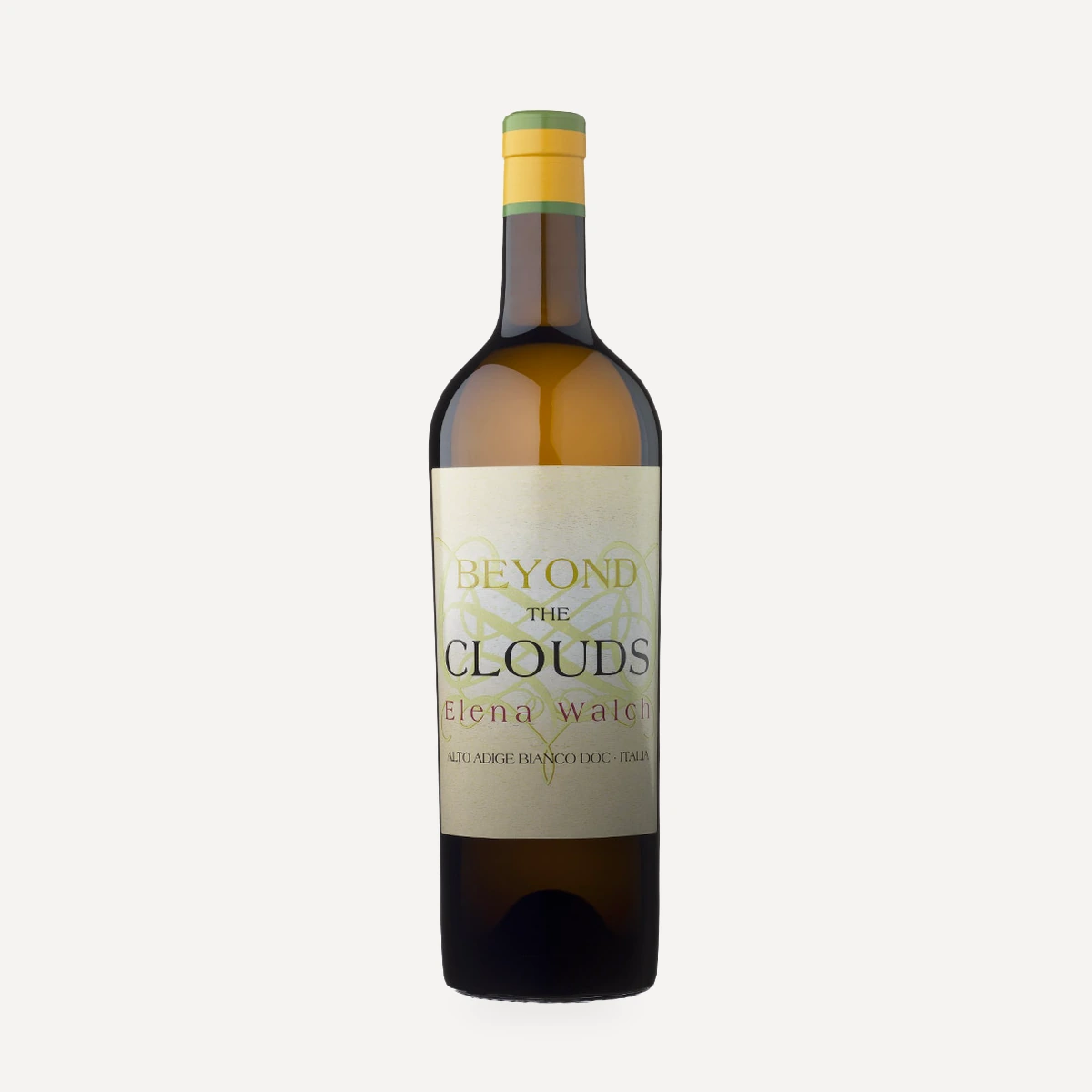
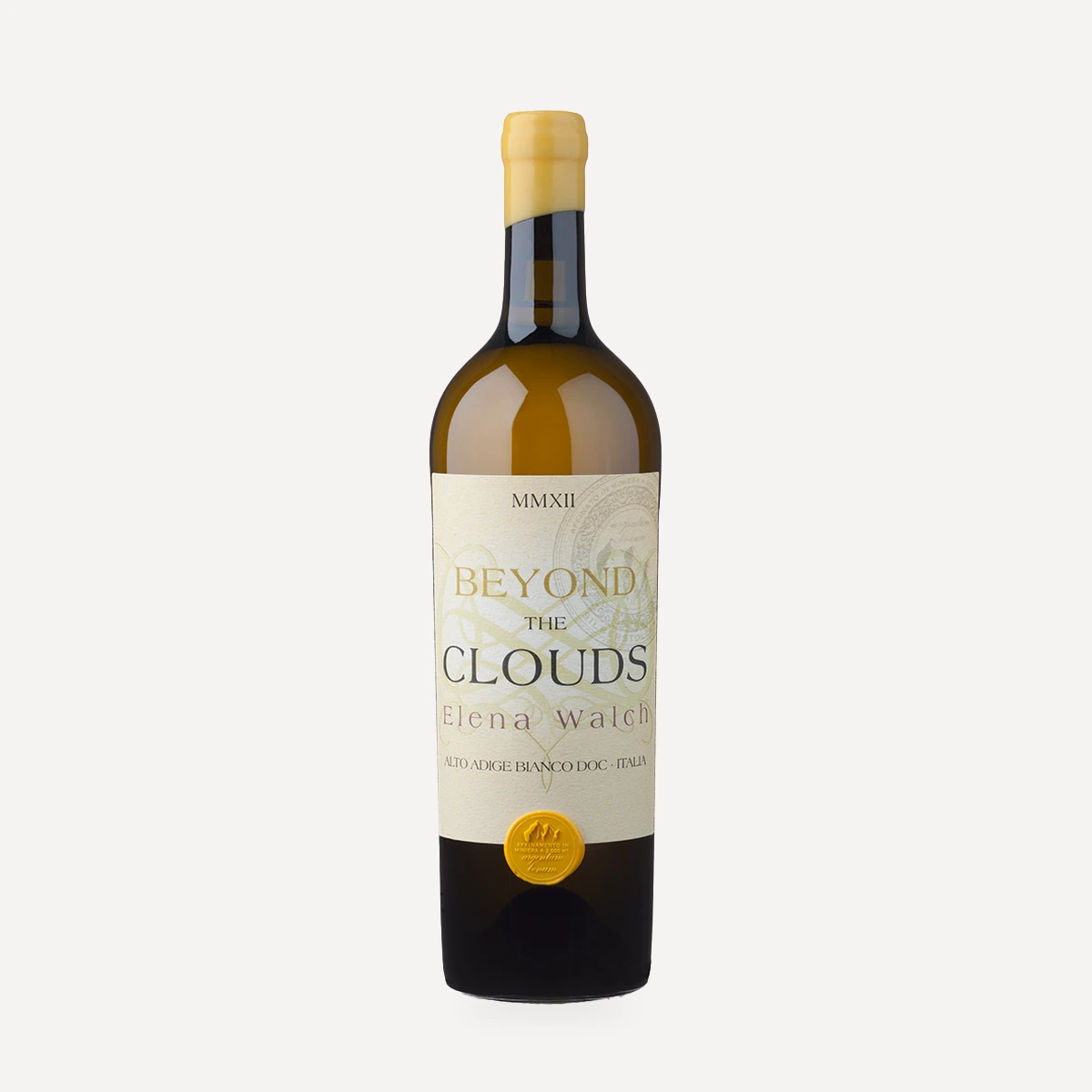
Grande Cuvée Beyond the Clouds Bianco Alto Adige DOC
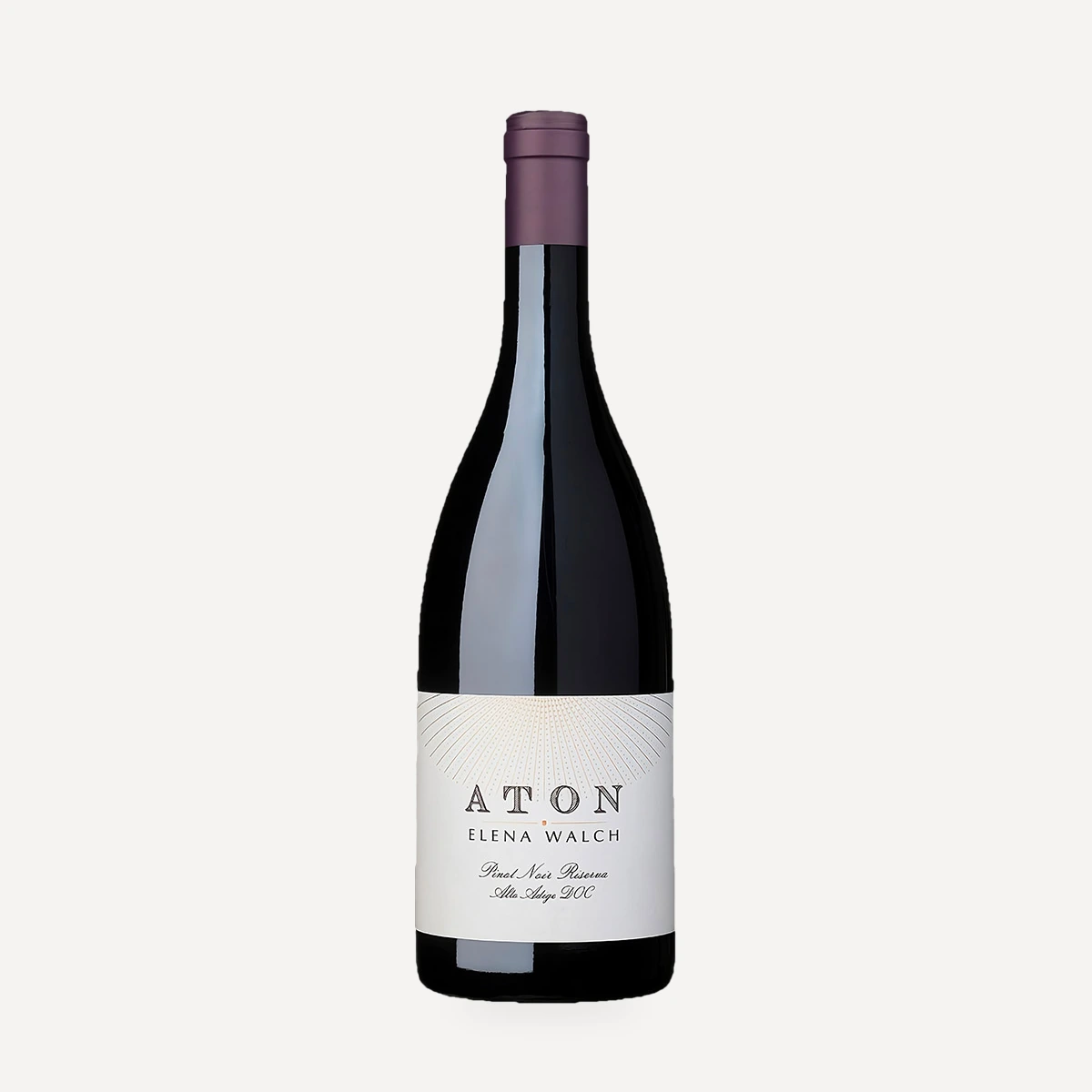
Pinot Noir Aton Riserva Alto Adige DOC
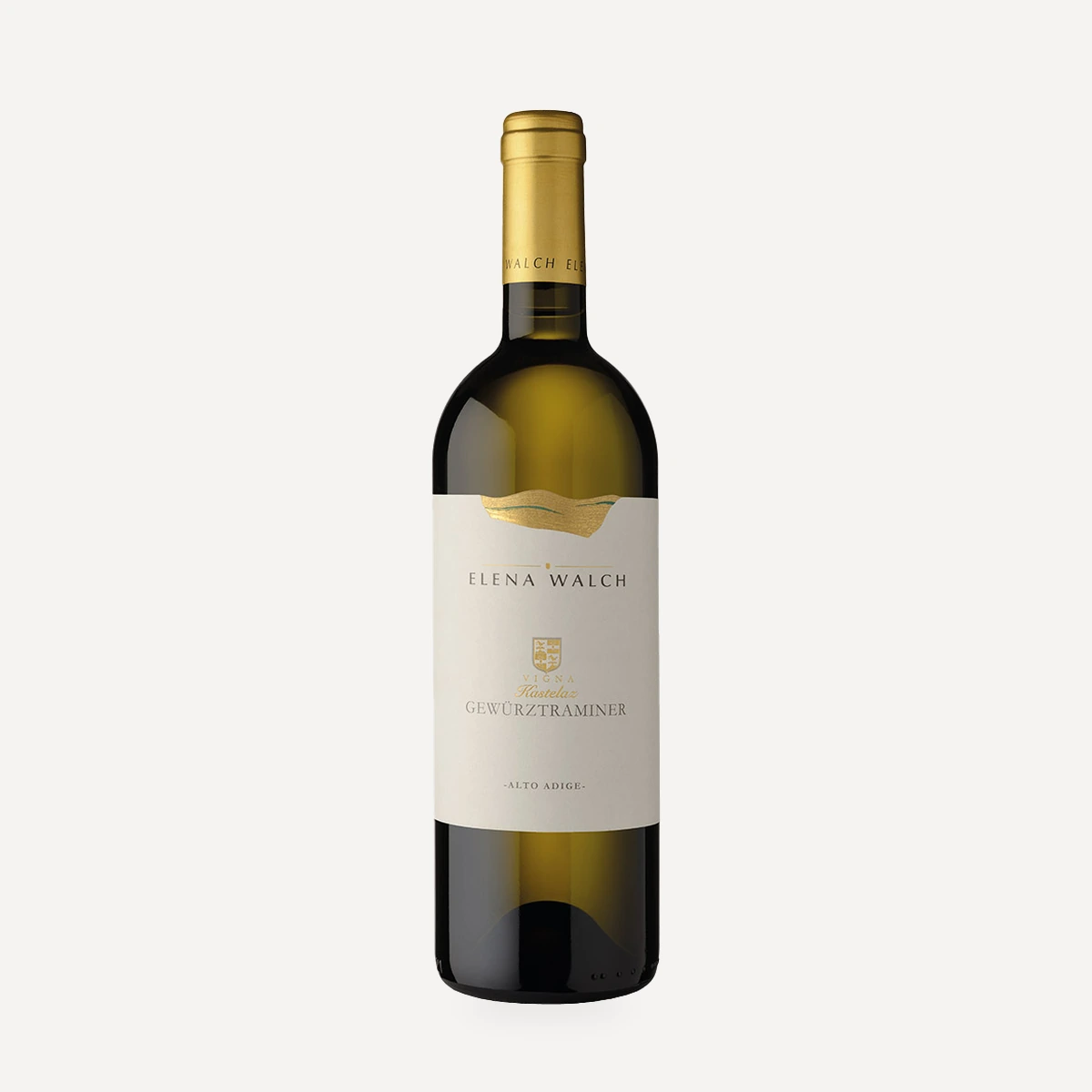
Gewürztraminer Vigna KastelazAlto Adige DOC
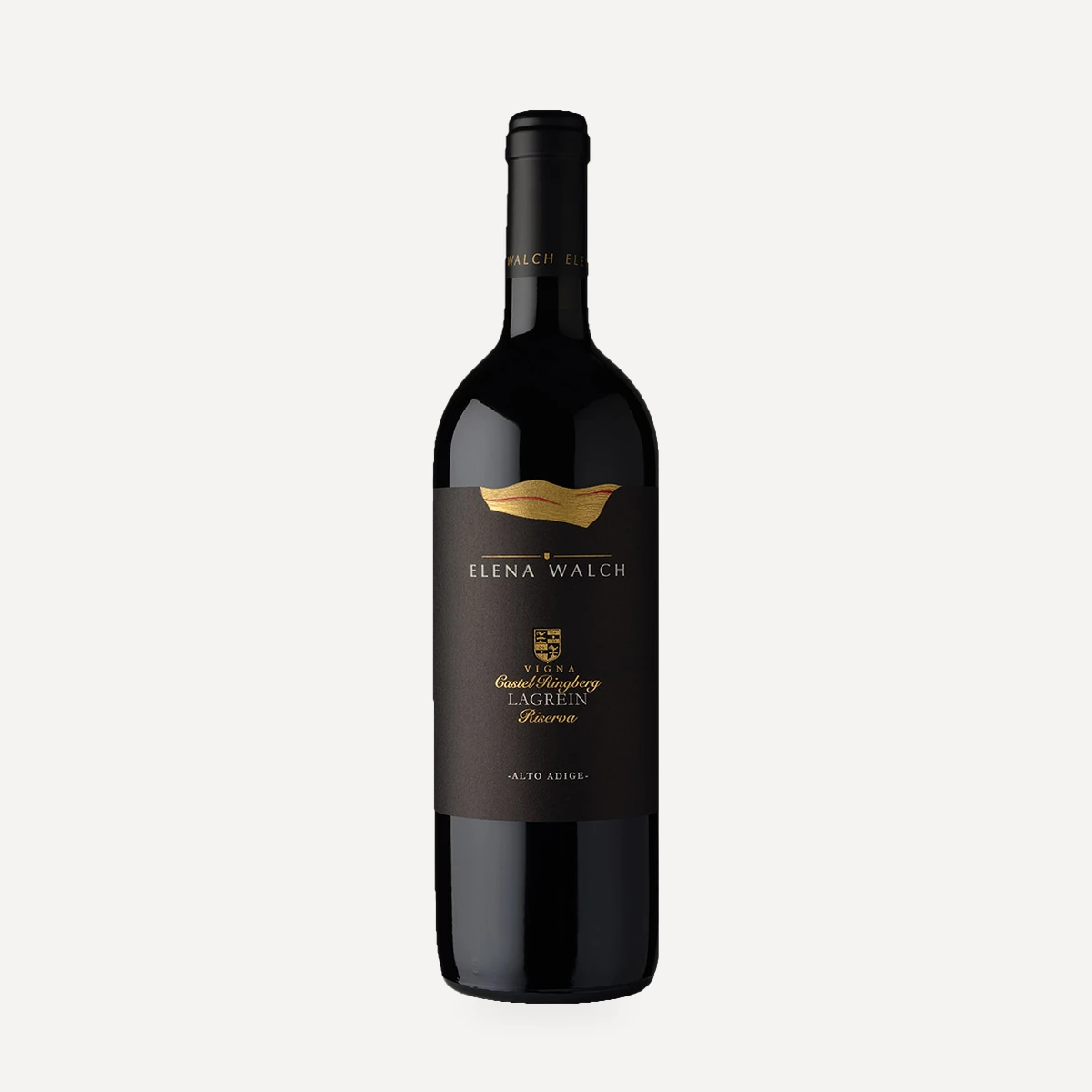
Lagrein Riserva Vigna Castel RingbergAlto Adige DOC
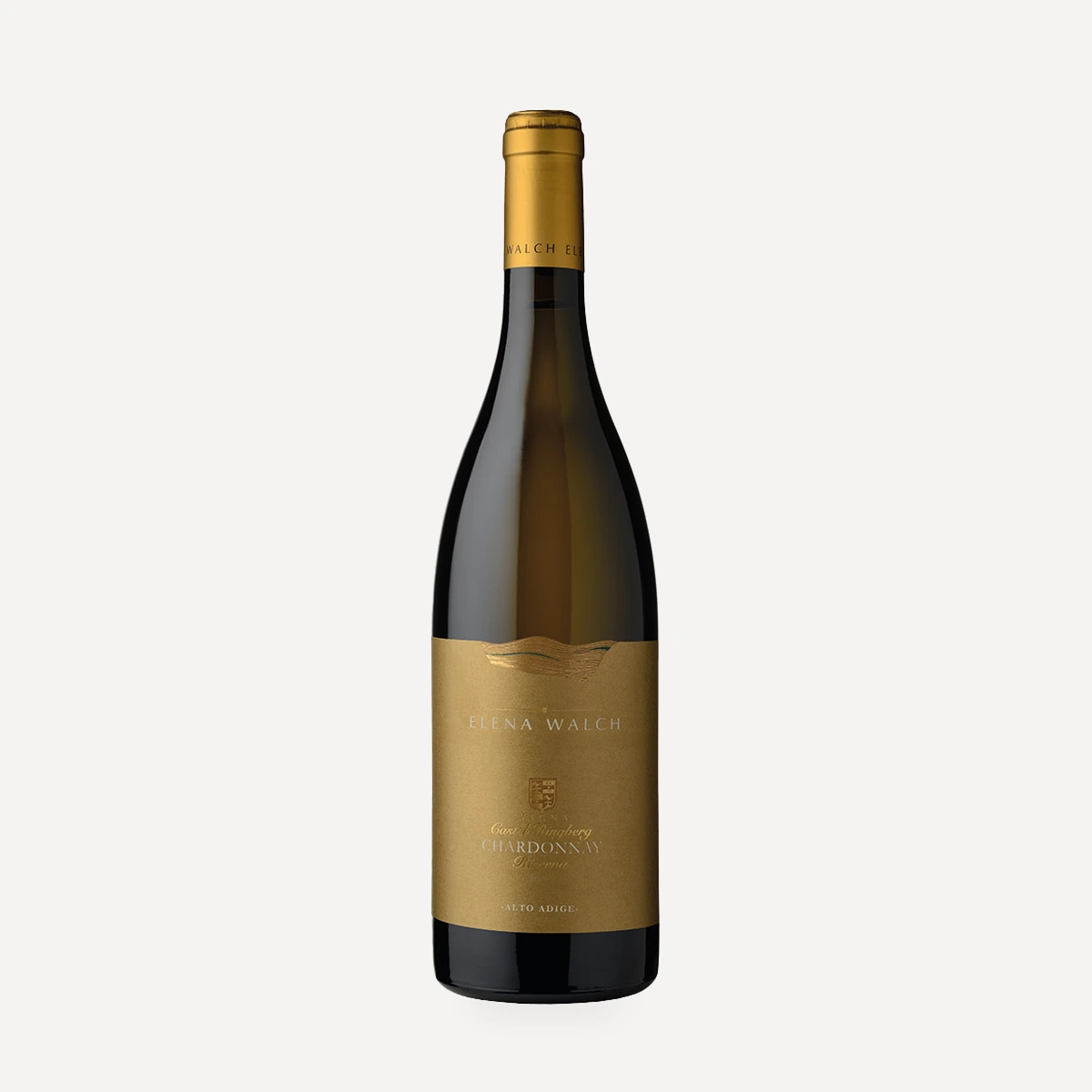
Chardonnay Riserva Vigna Castel RingbergAlto Adige DOC
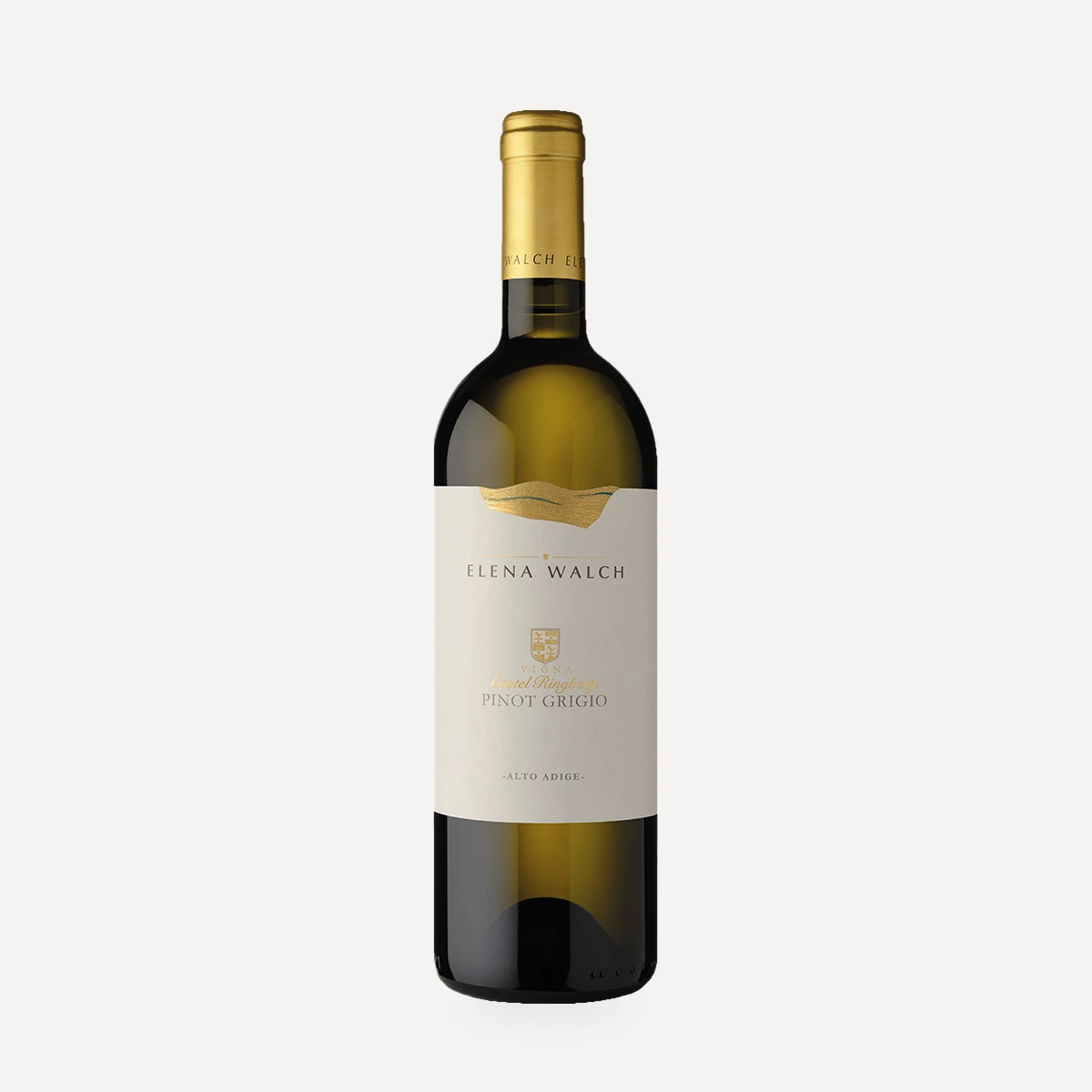
Pinot Grigio Vigna Castel RingbergAlto Adige DOC
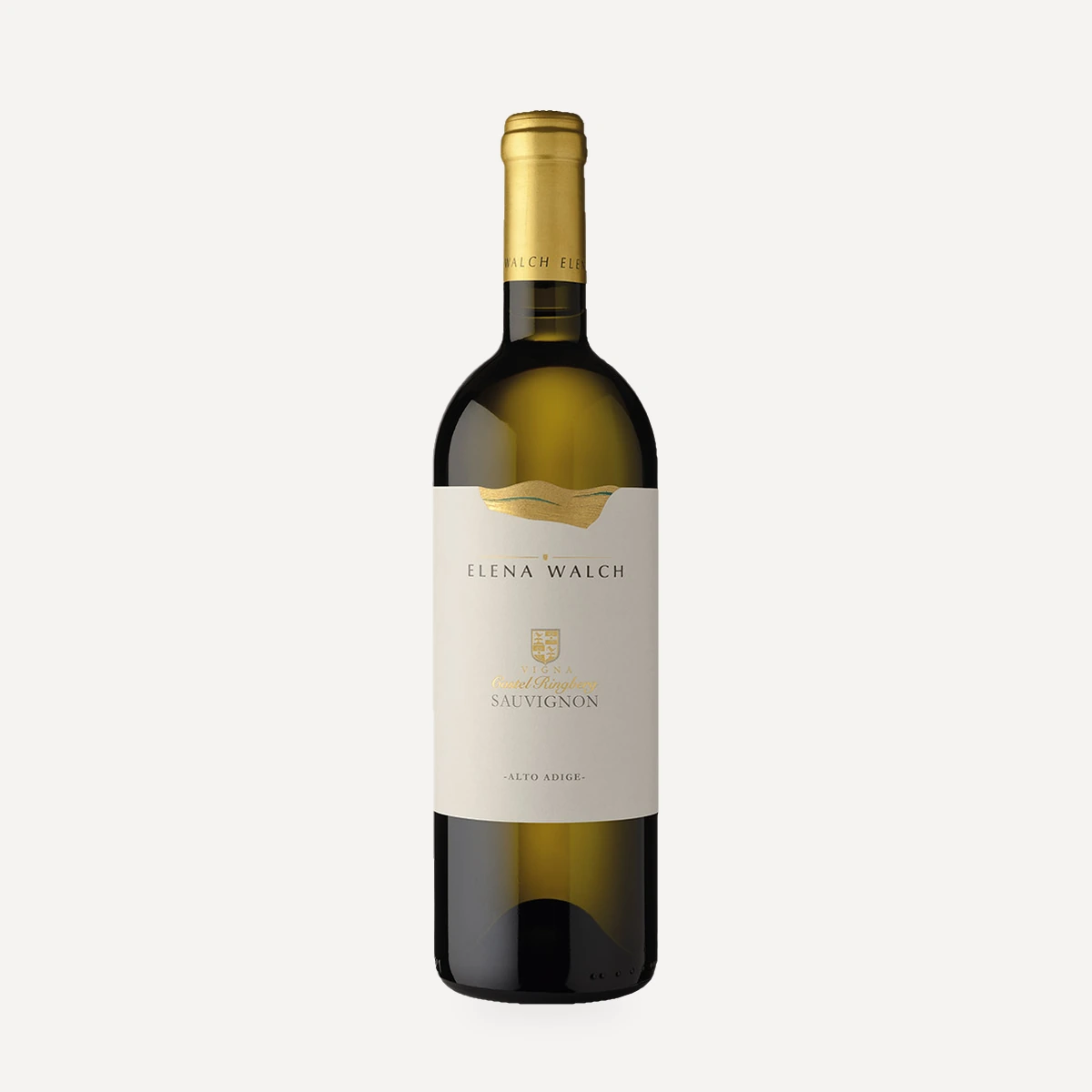
Sauvignon Vigna Castel RingbergAlto Adige DOC
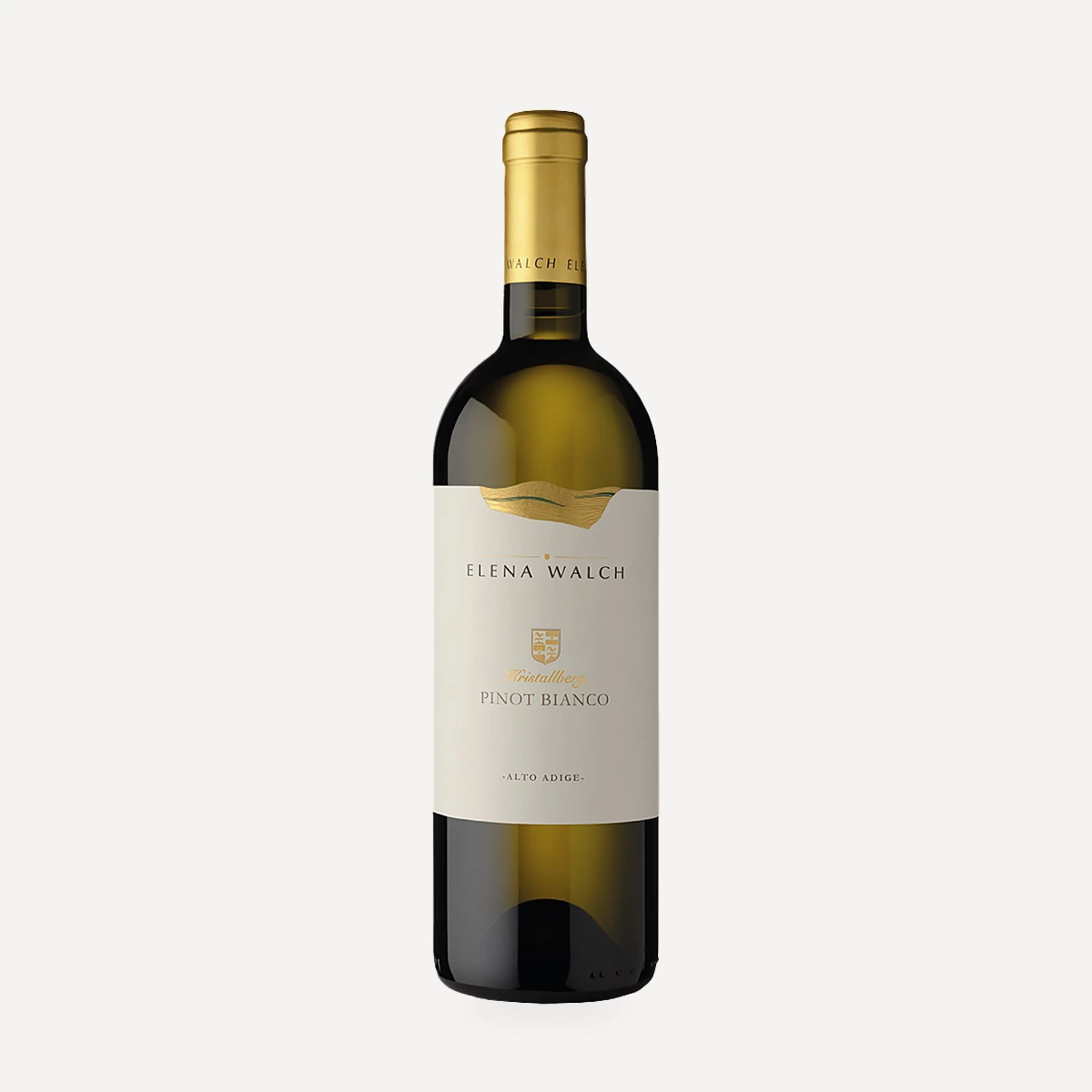
Pinot Bianco KristallbergAlto Adige DOC
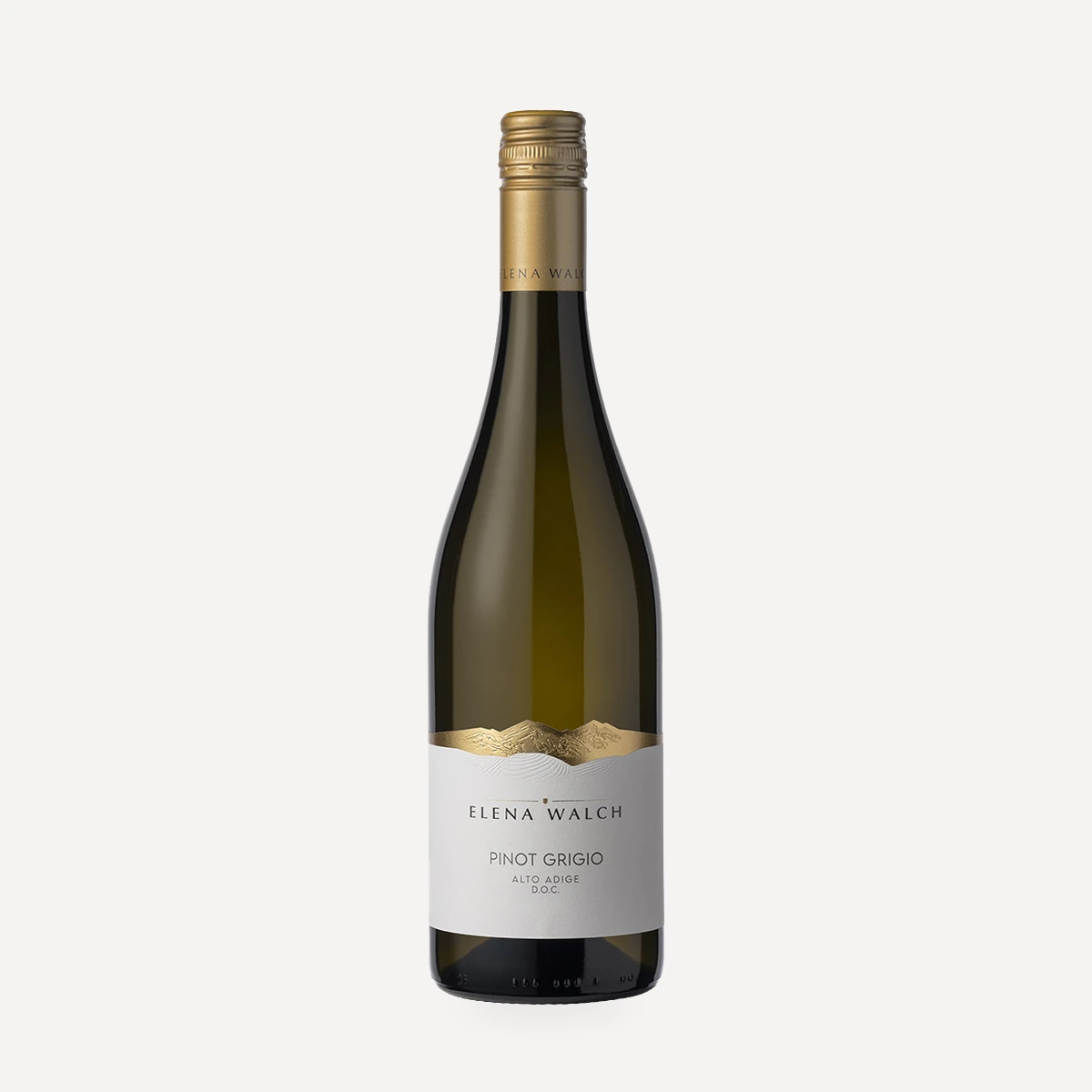
Pinot Grigio Alto Adige DOC
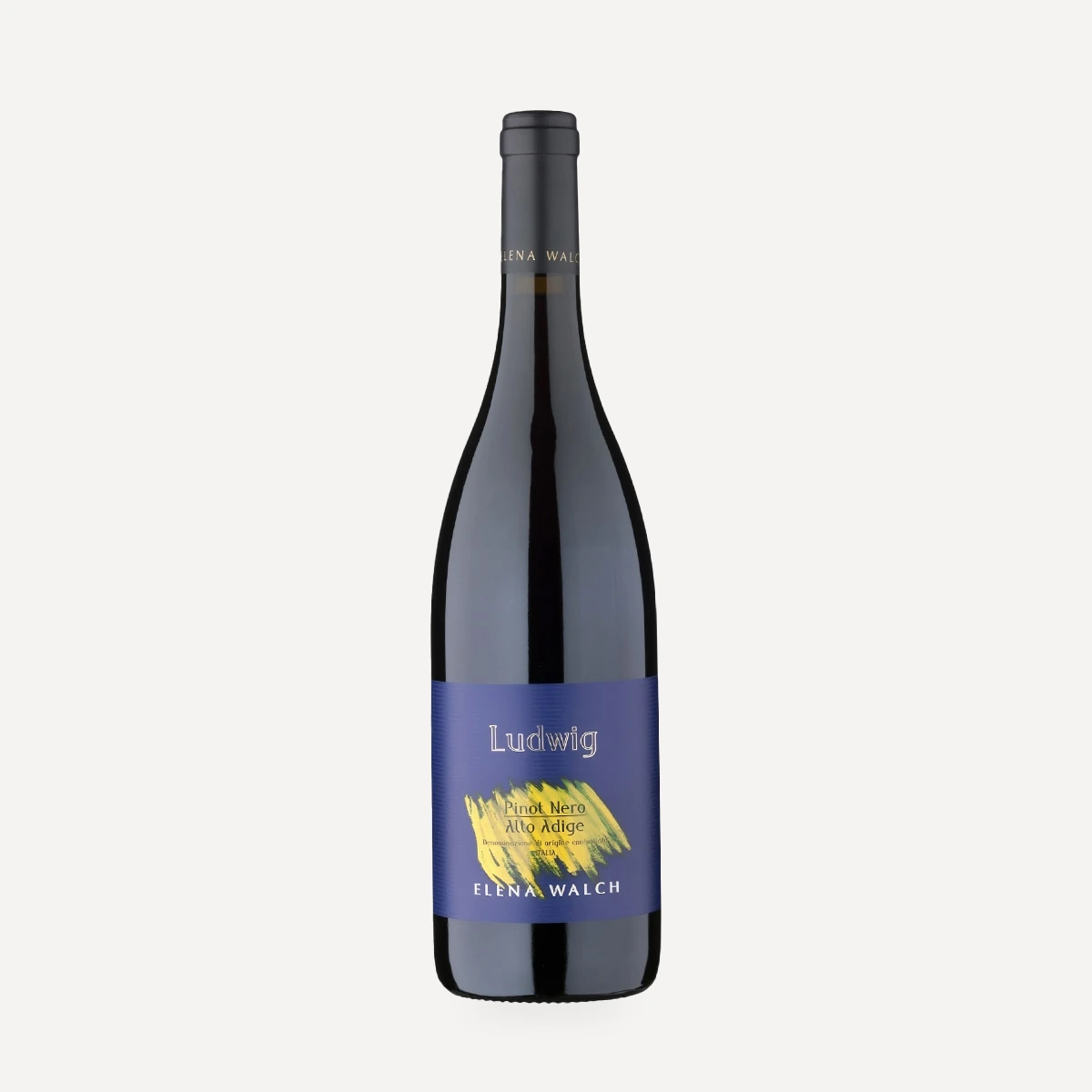
Pinot Nero LudwigAlto Adige DOC
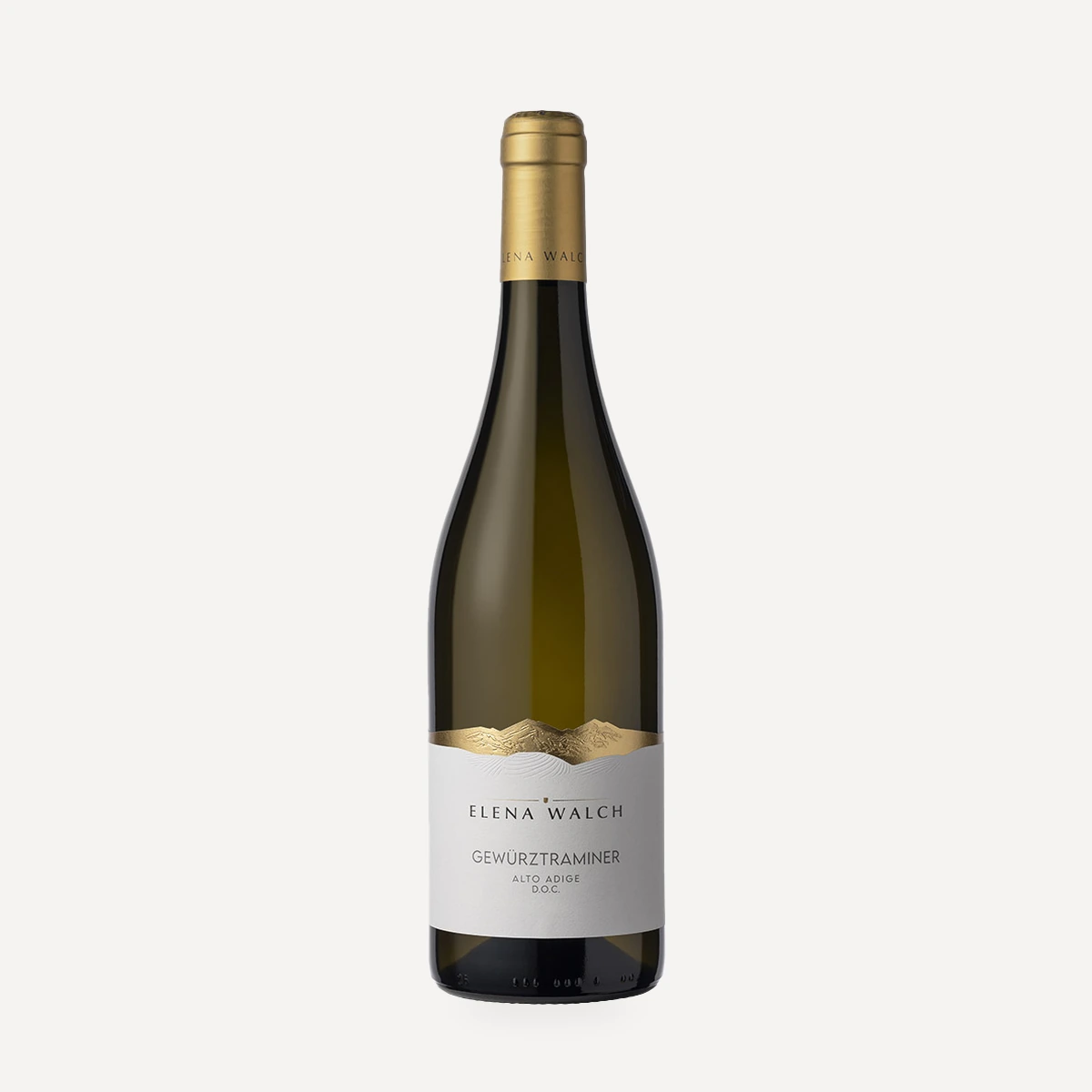
Gewürztraminer Alto Adige DOC
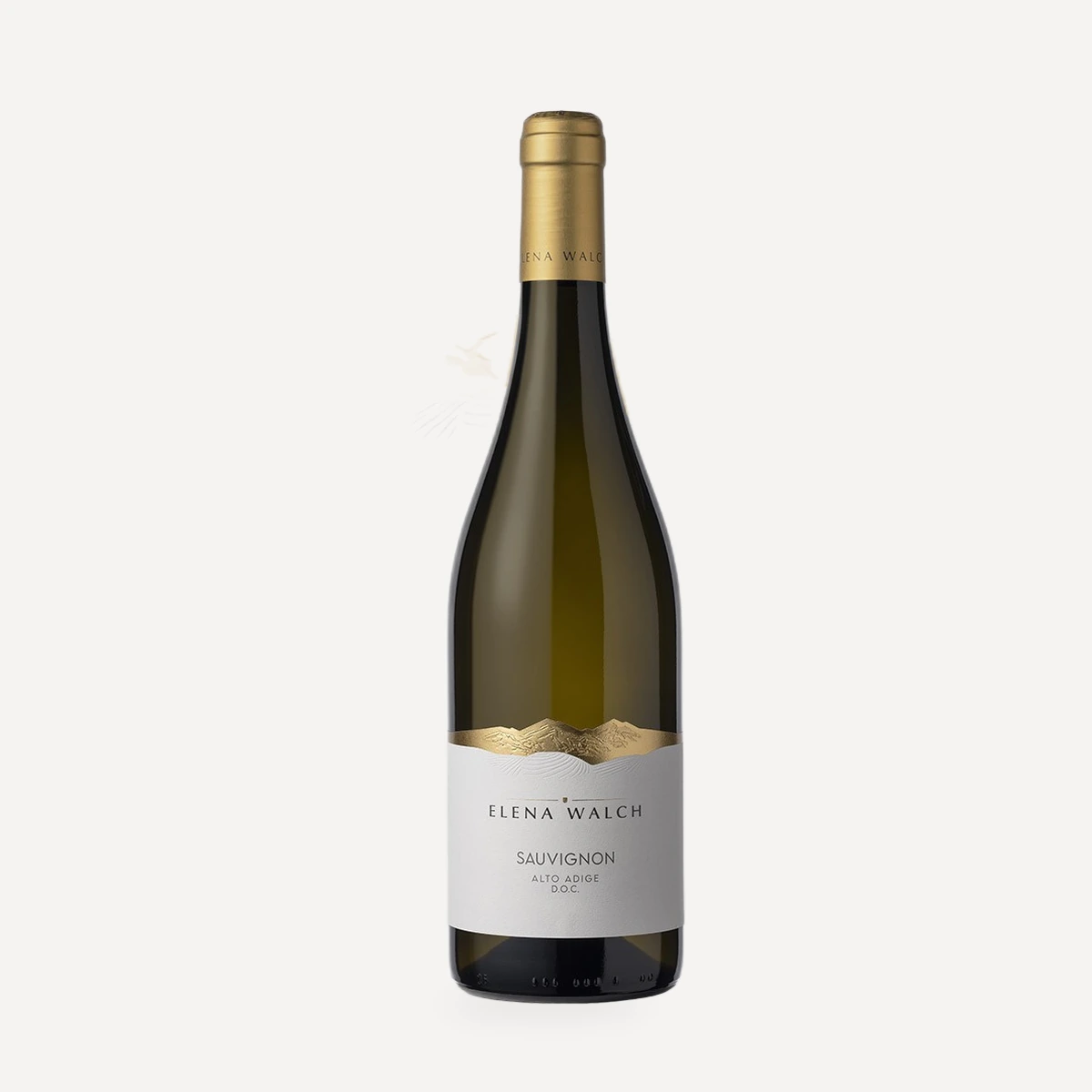
Sauvignon Alto Adige DOC
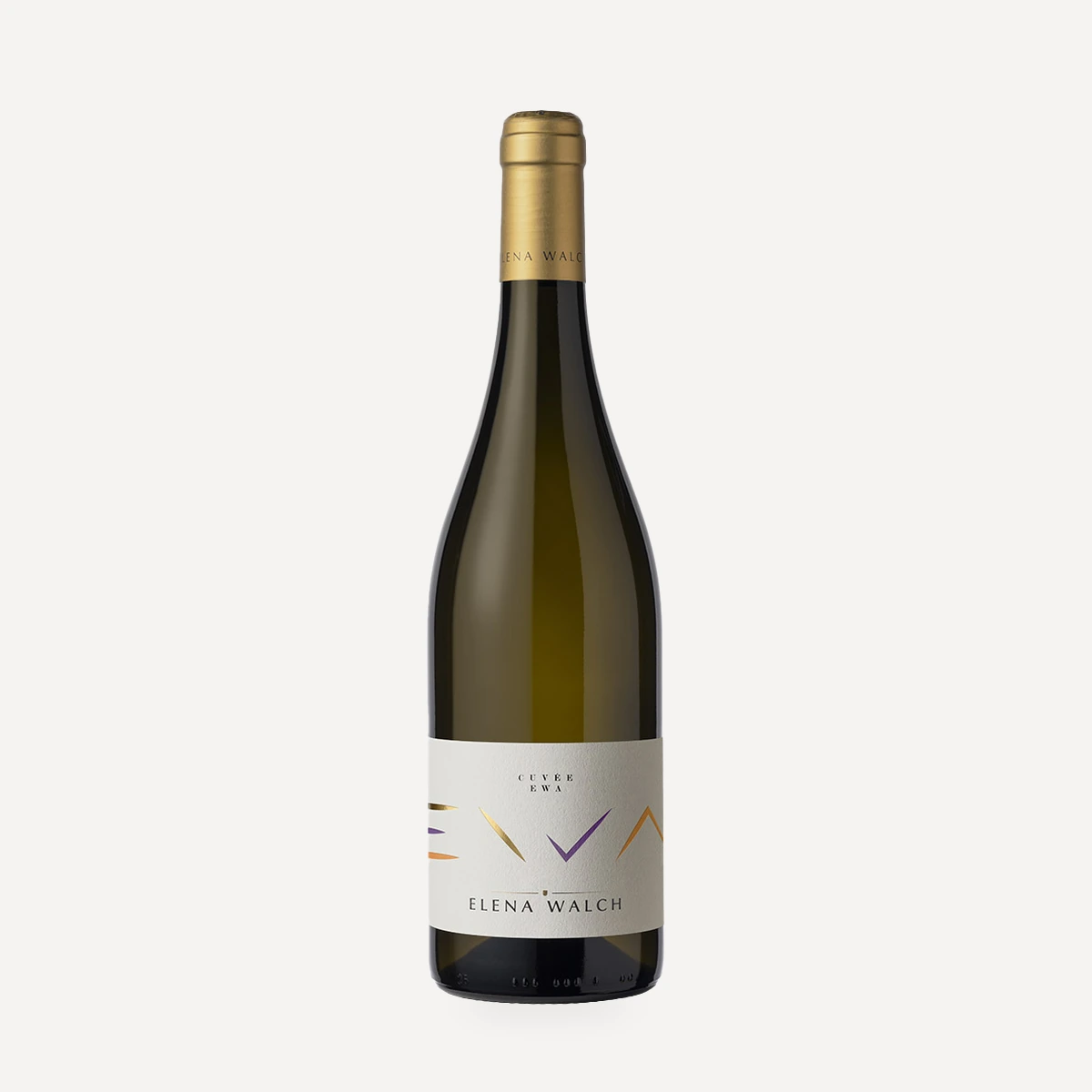
EWA Cuvée Vino Bianco d'Italia
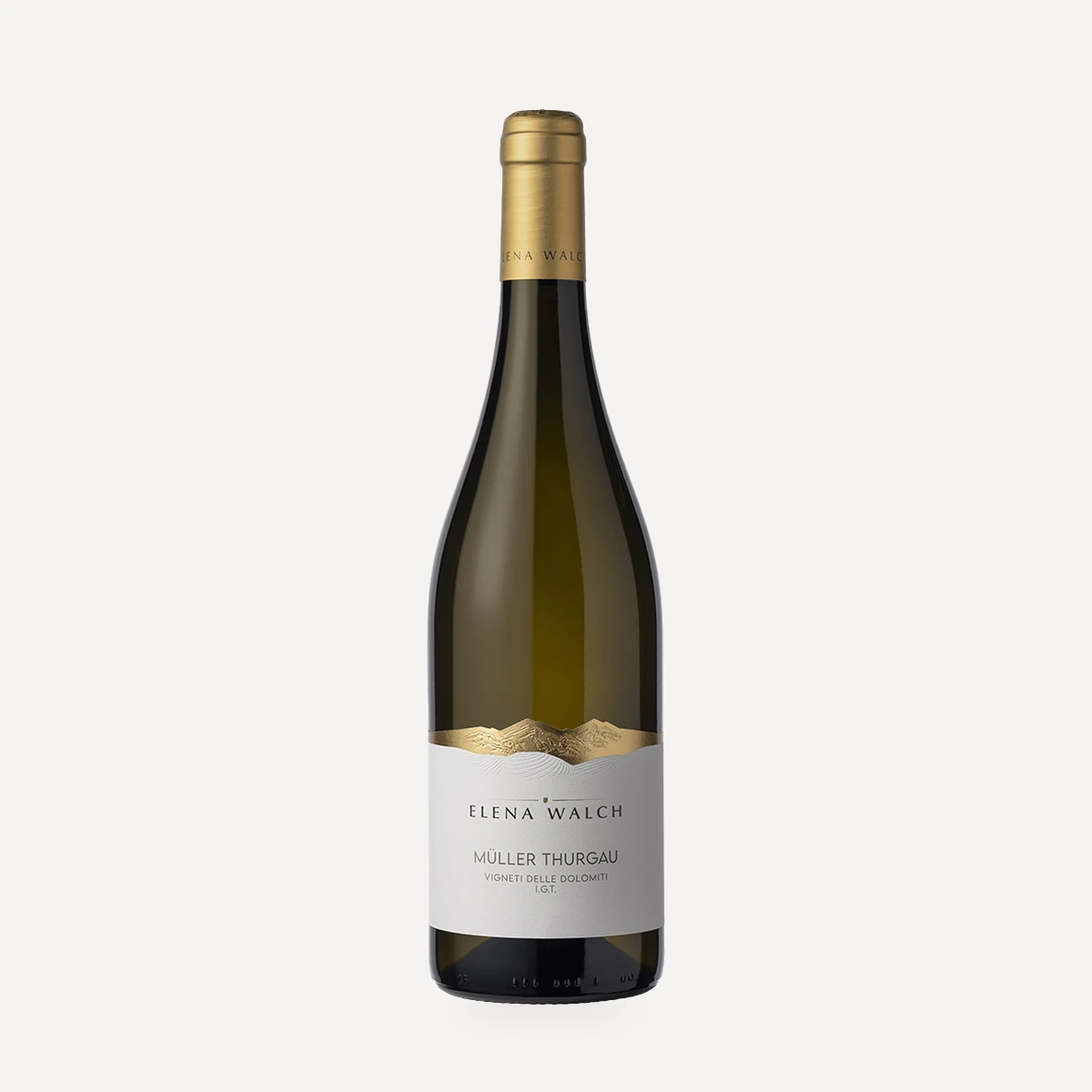
Müller Thurgau Vigneti delle Dolomiti IGT
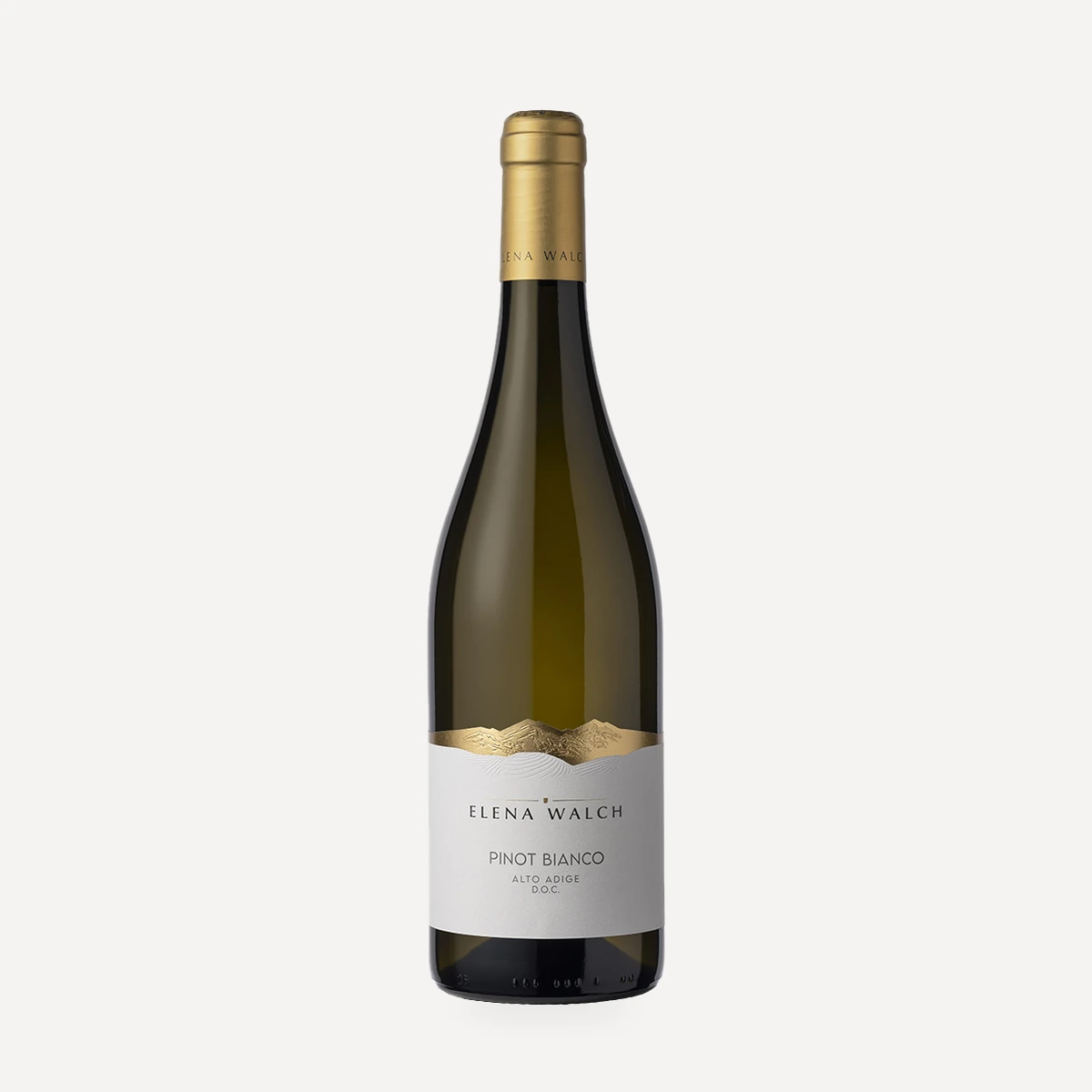
Pinot Bianco Alto Adige DOC
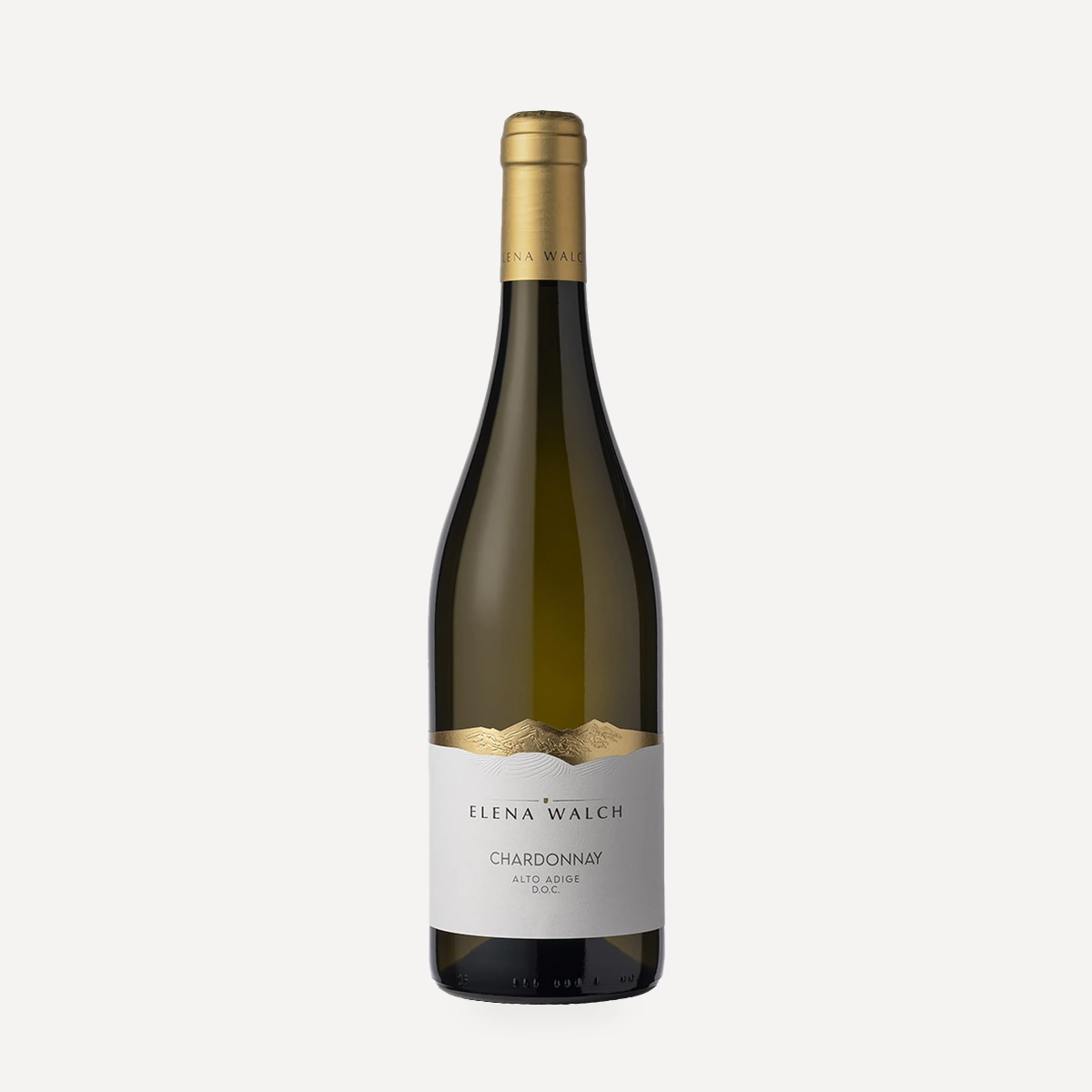
Chardonnay Alto Adige DOC
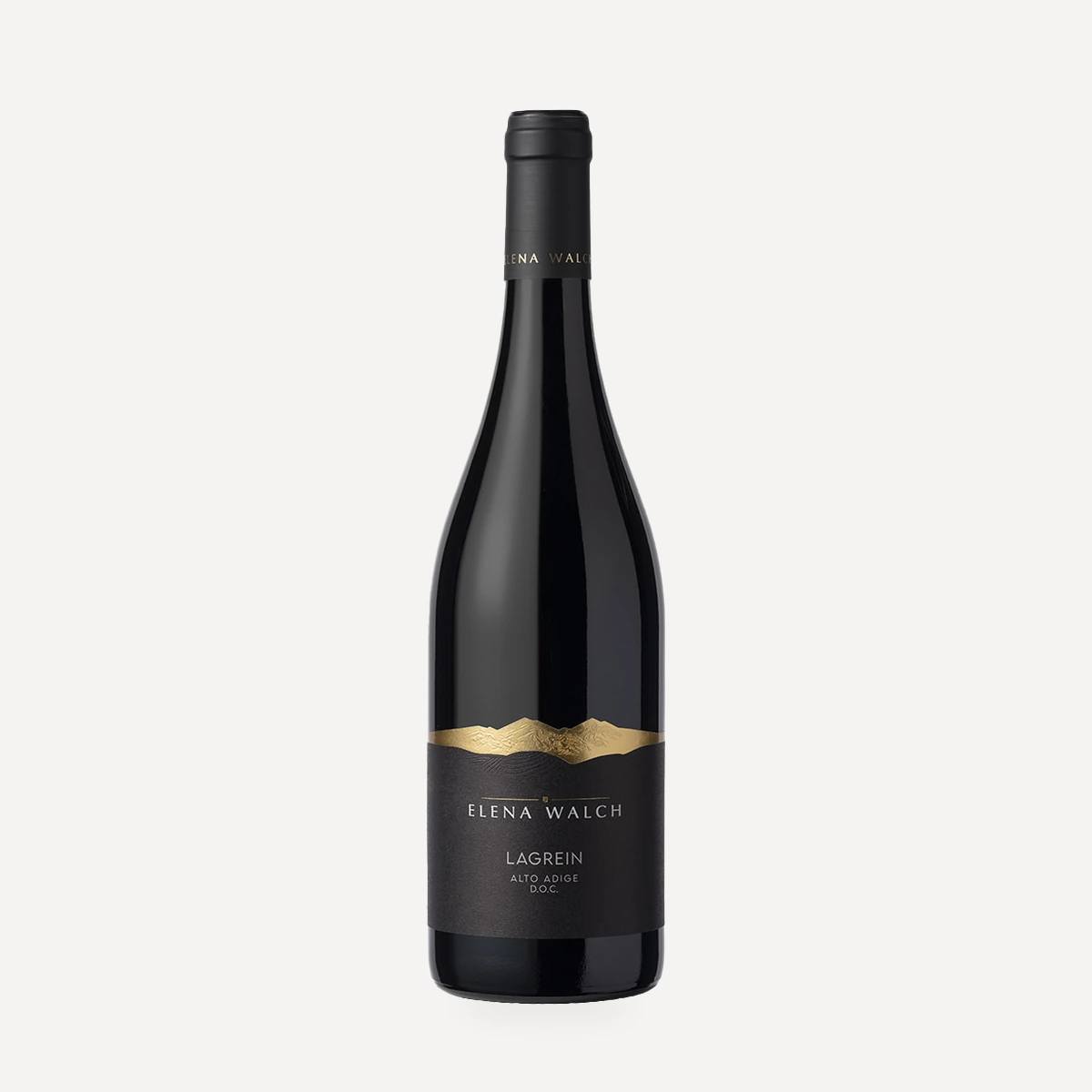
Lagrein Alto Adige DOC
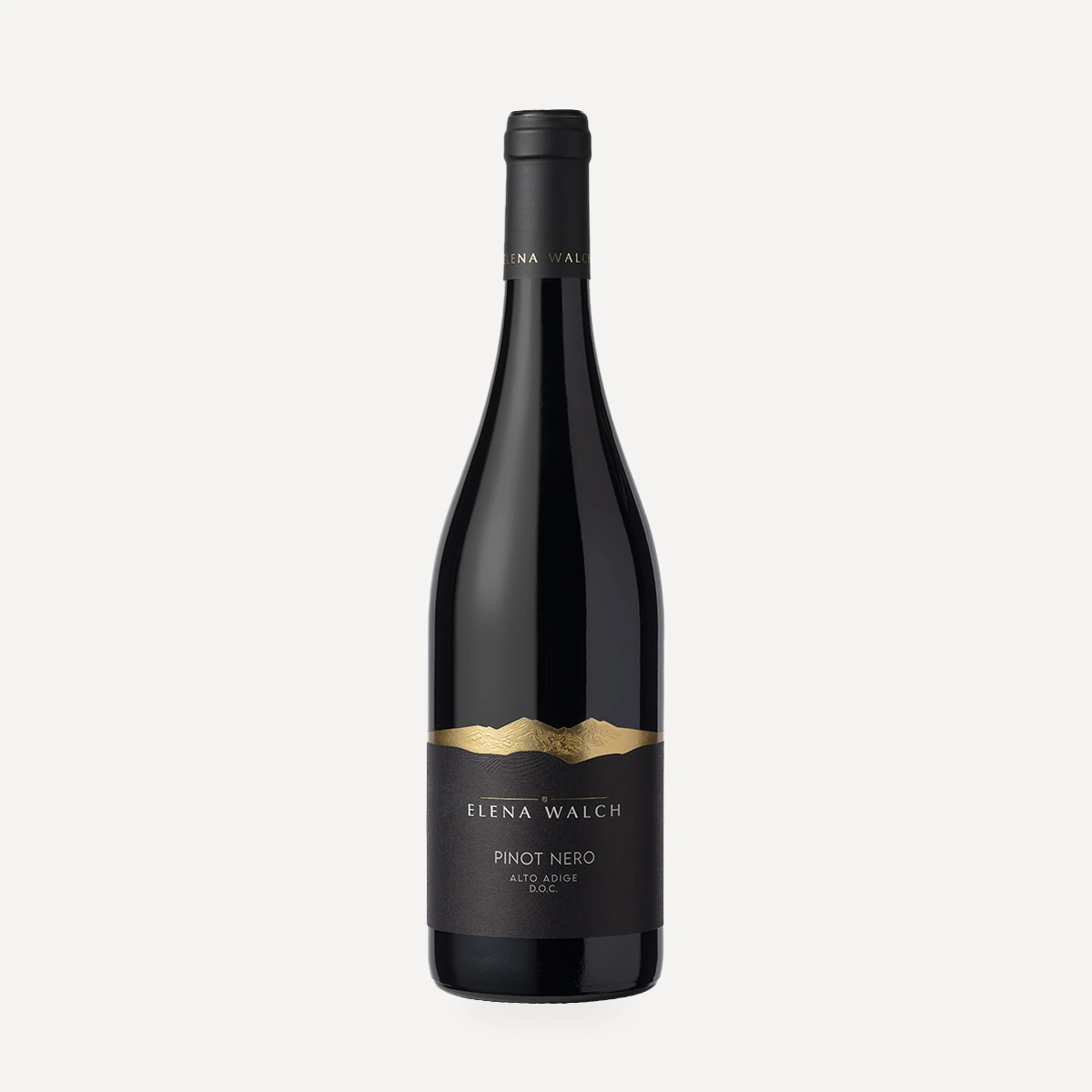
Pinot Nero Alto Adige DOC
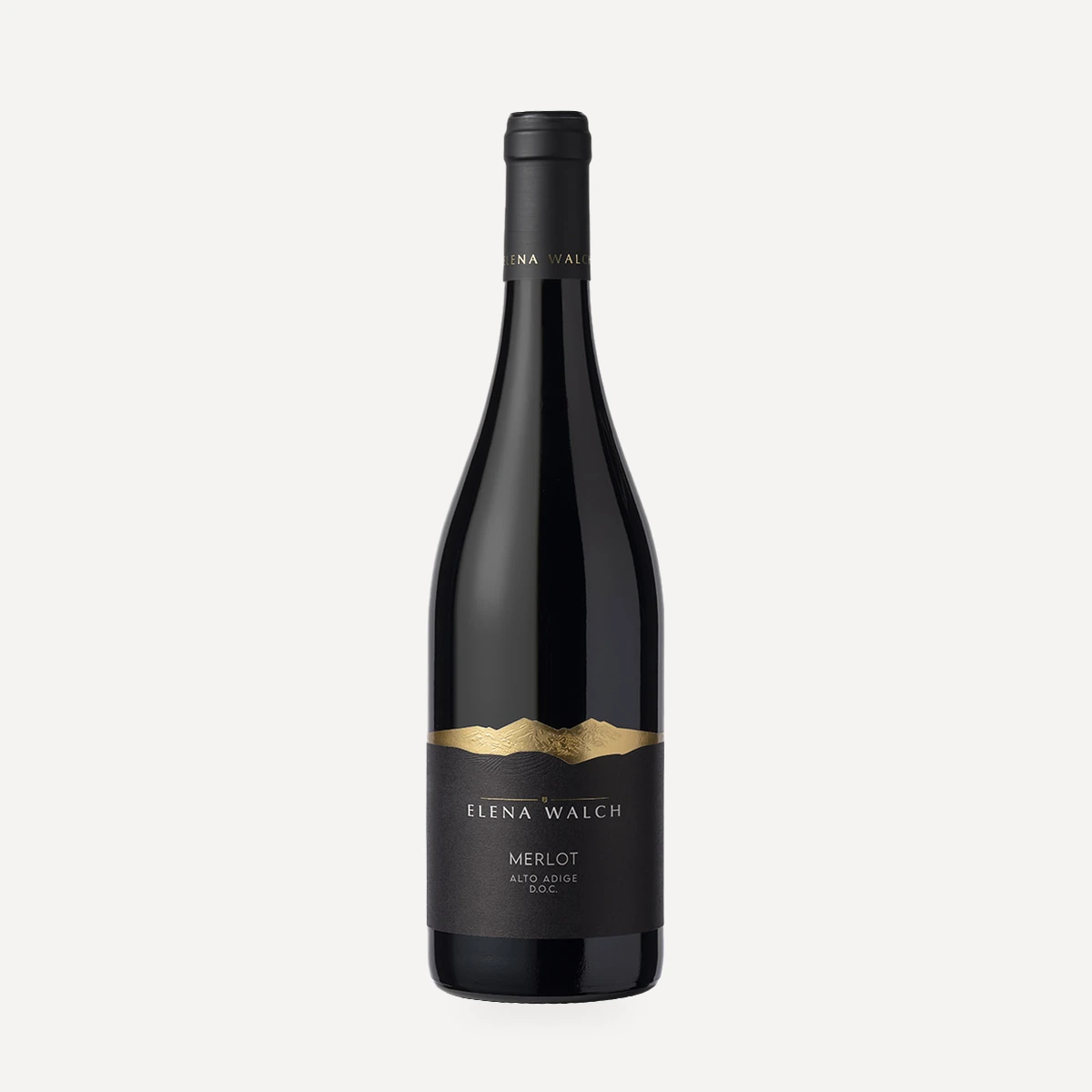
Merlot Alto Adige DOC
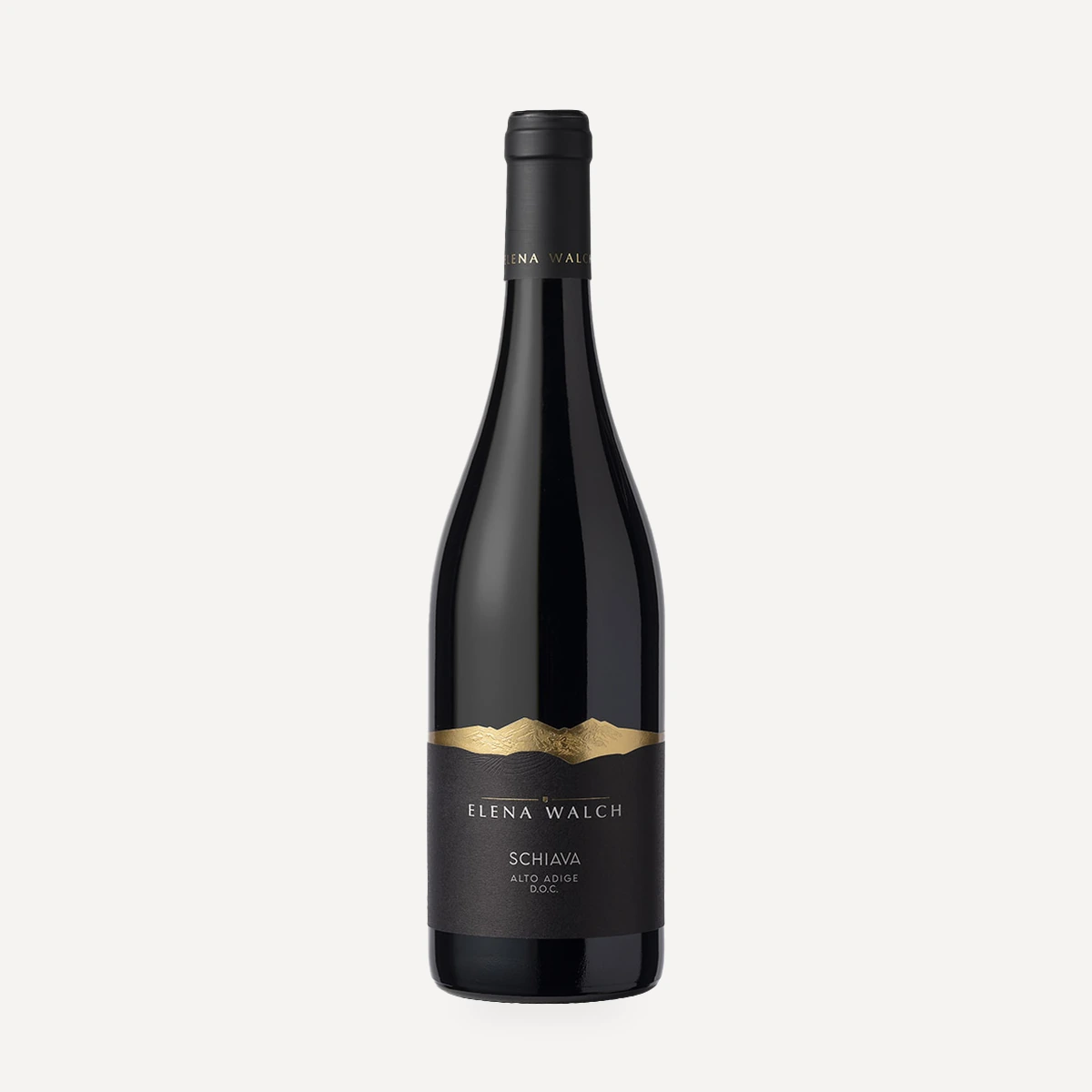
Schiava Alto Adige DOC
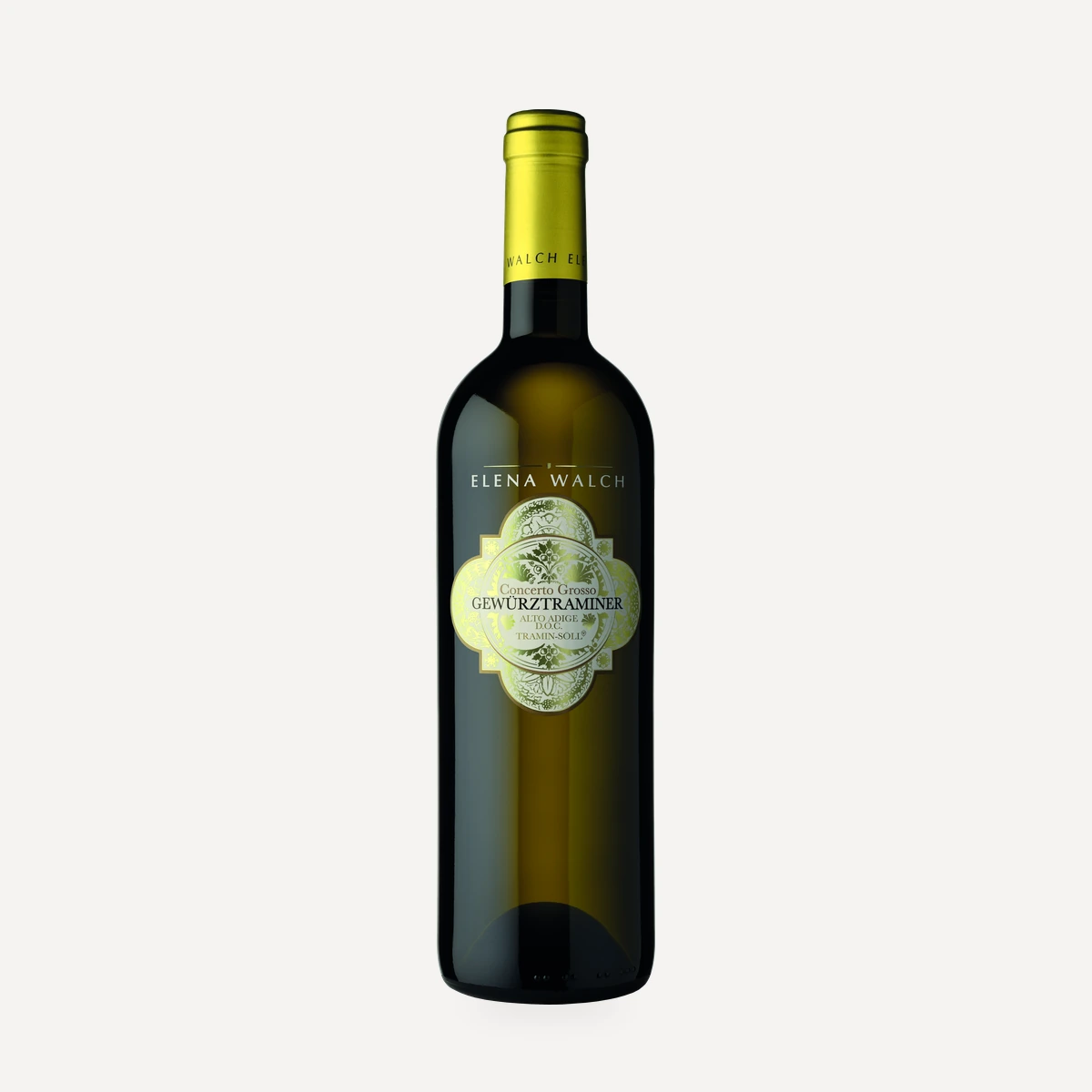
Gewürztraminer Concerto GrossoTramin Söll Alto Adige Tramin-Söll DOC
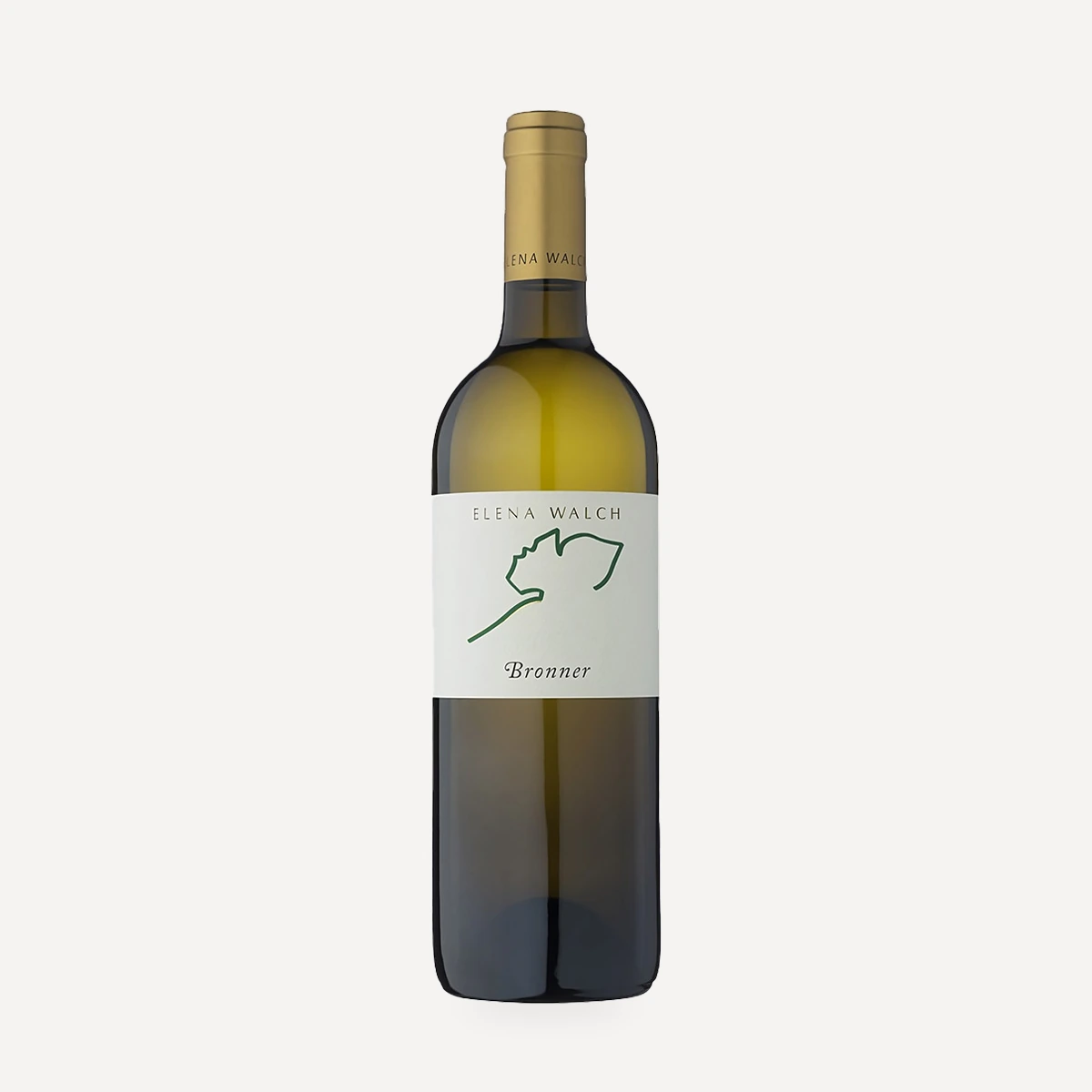
Bronner Mitterberg IGT
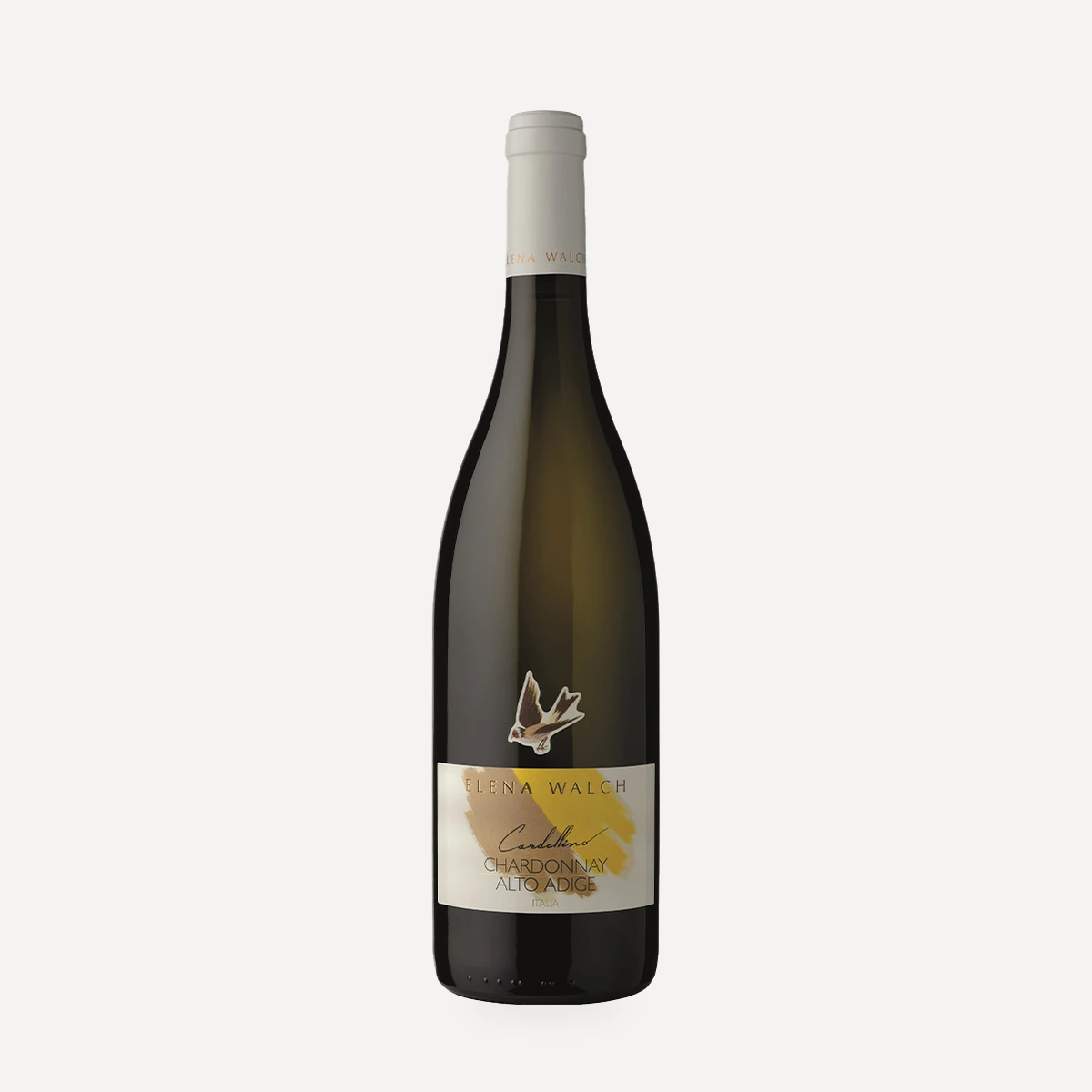
Chardonnay CardellinoAlto Adige DOC
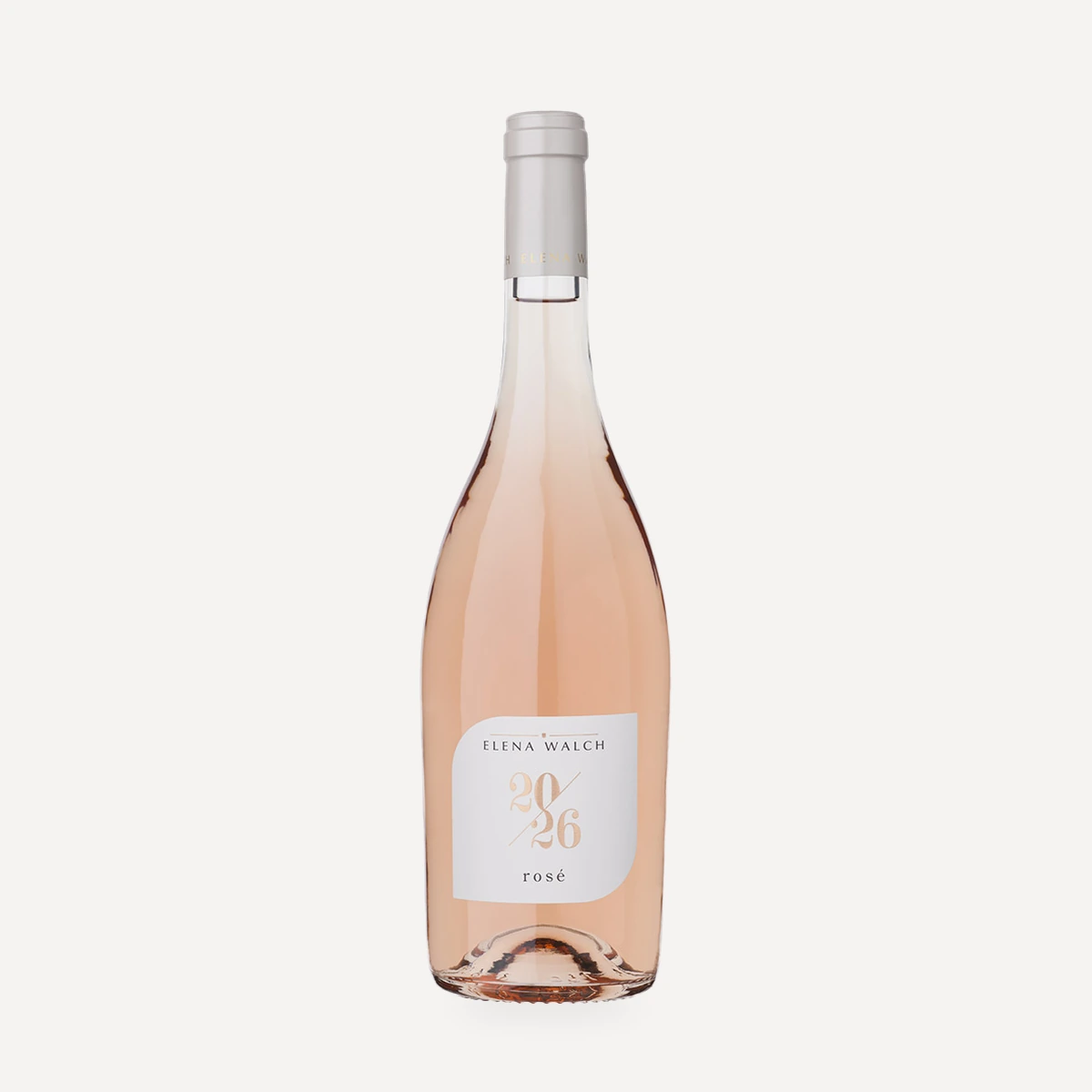
Rosé 20/26 Vigneti delle Dolomiti IGT
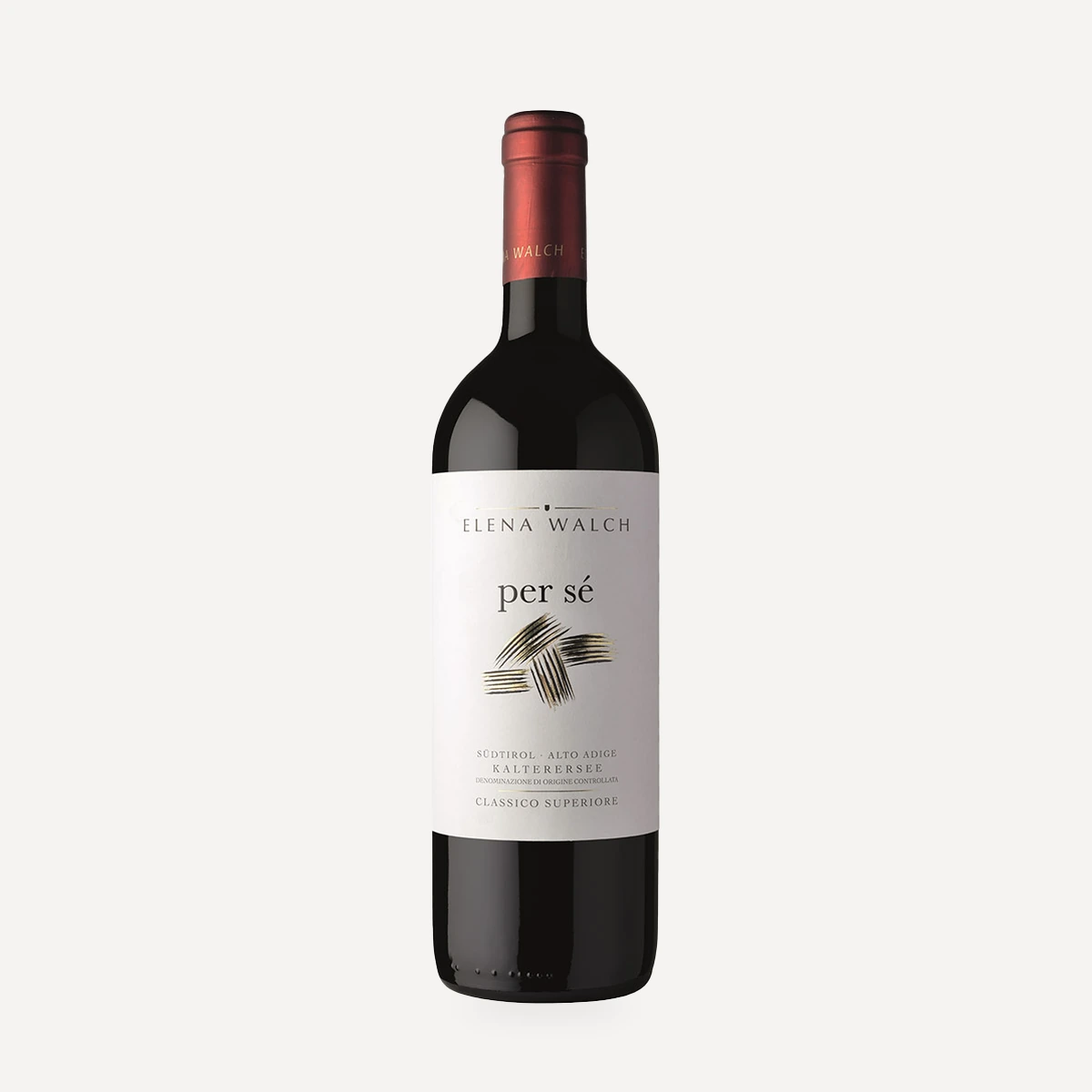
Kalterersee Classico Superiore per séAlto Adige DOC
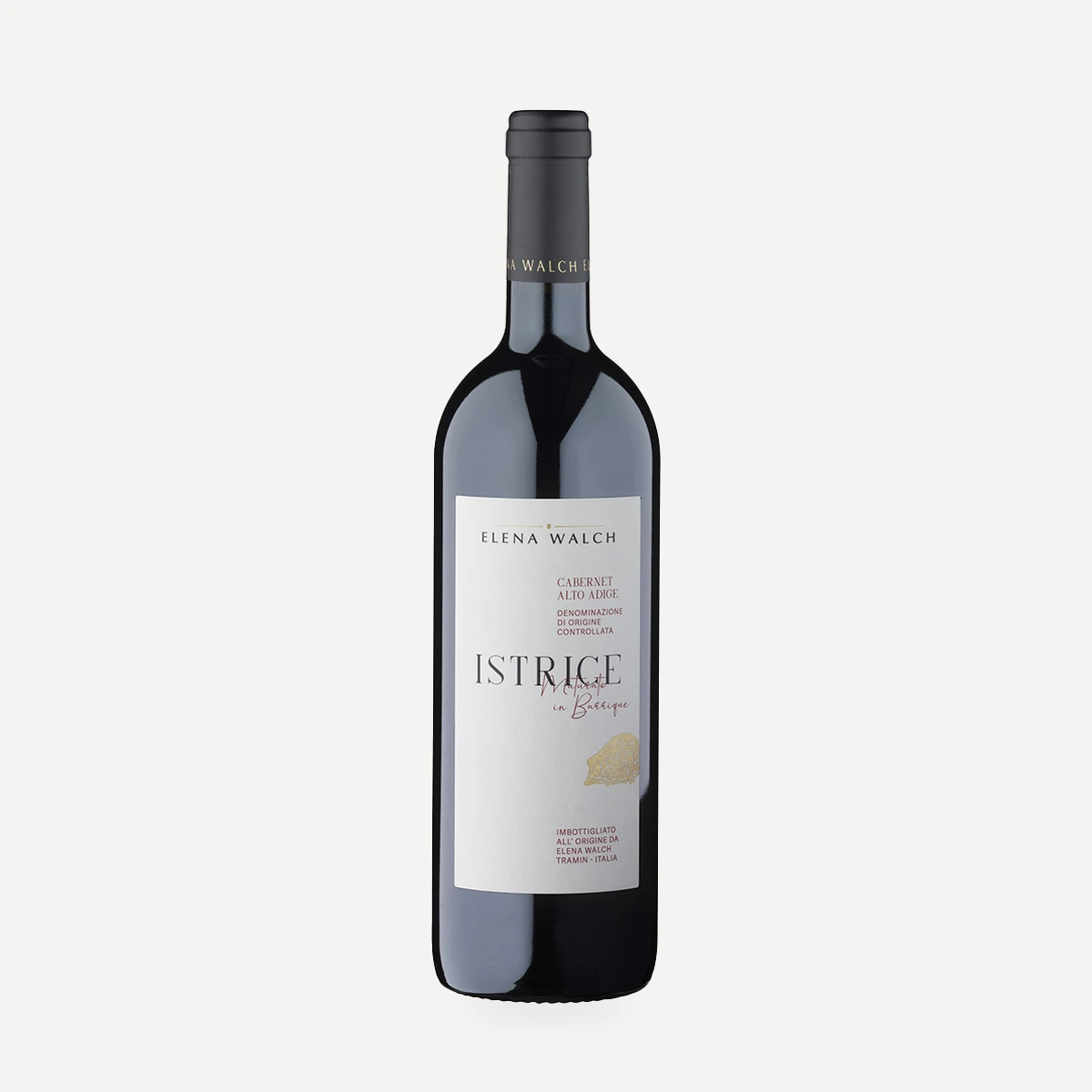
Cabernet IstriceAlto Adige DOC
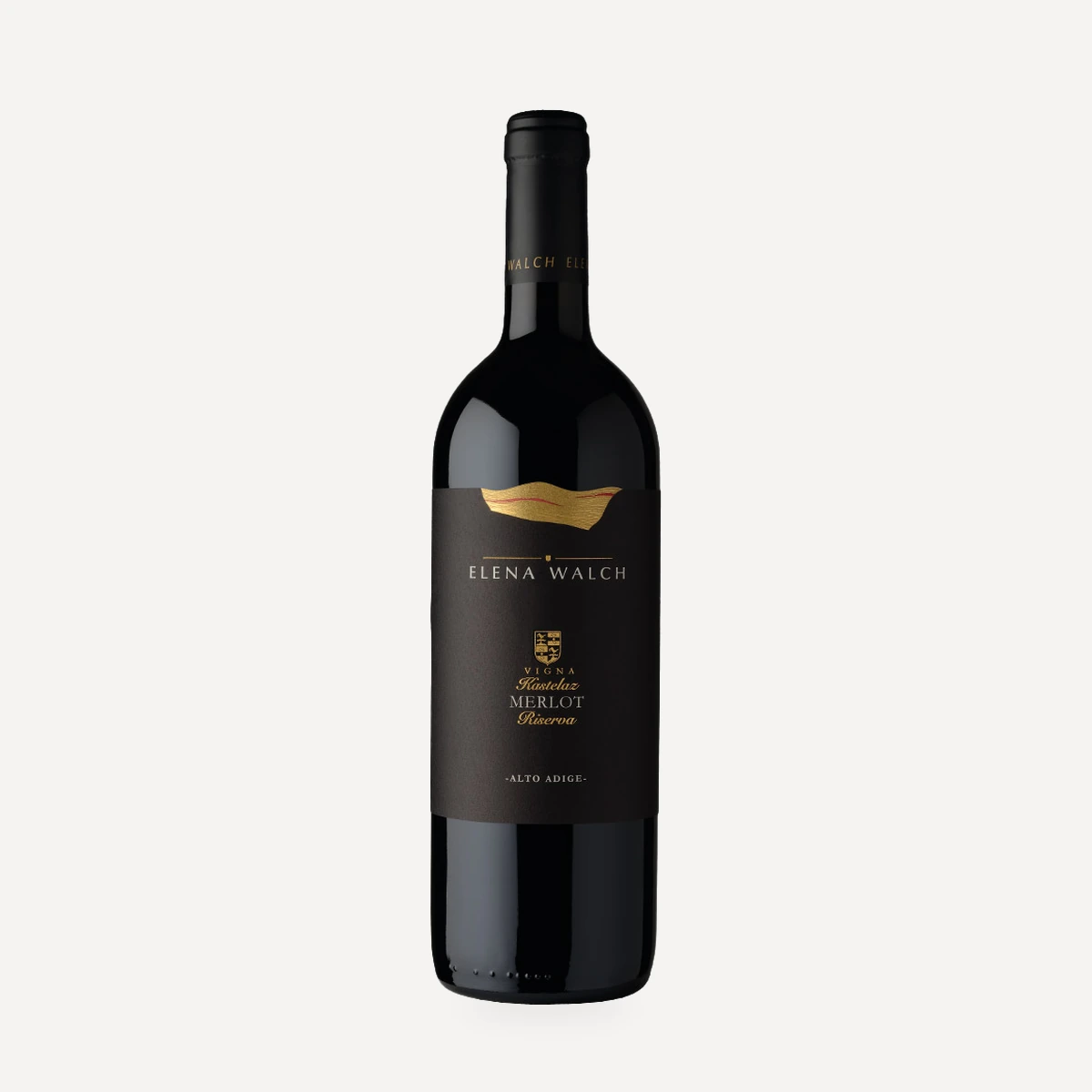
Merlot Riserva Vigna KastelazAlto Adige DOC
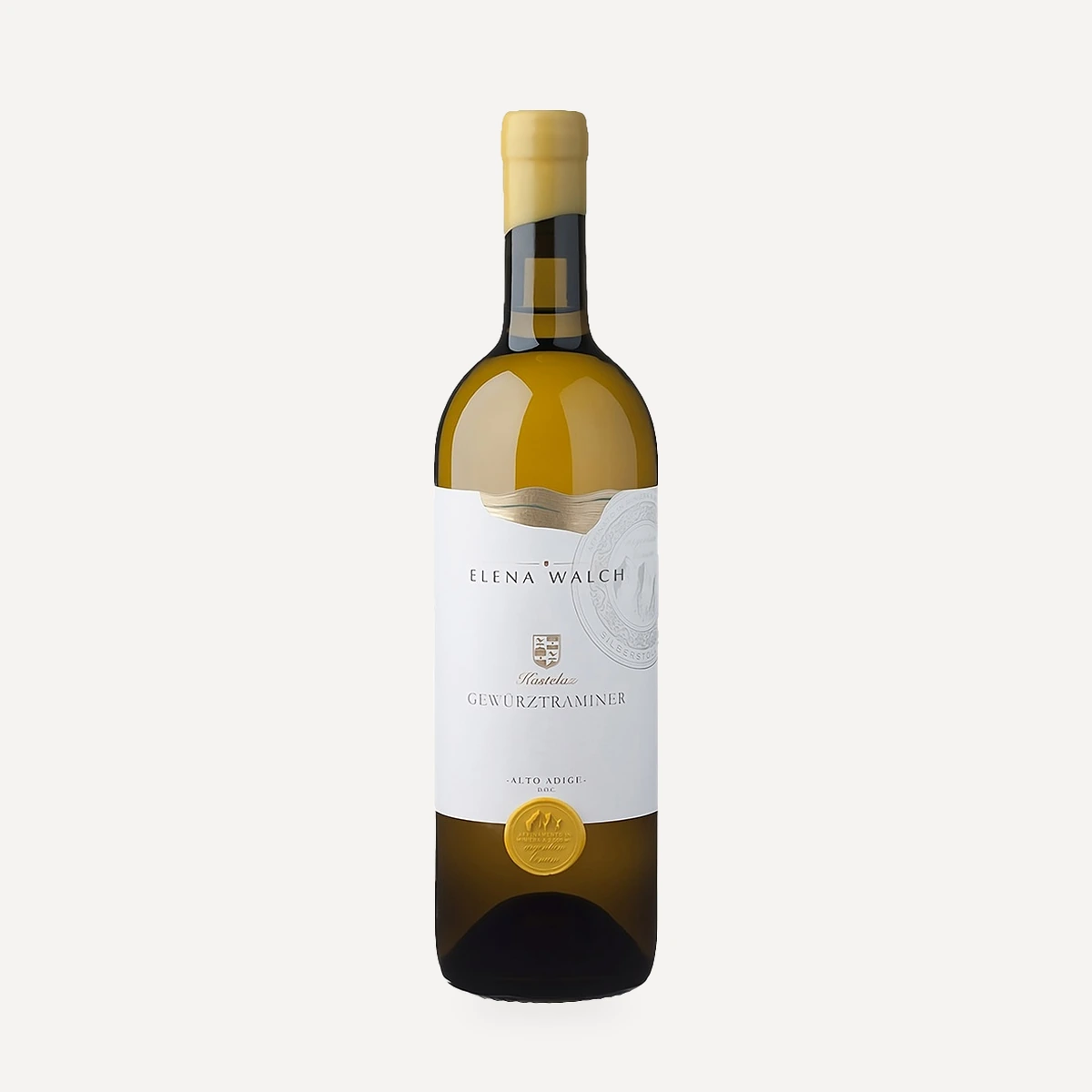
Gewürztraminer Kastelaz argentum bonumAlto Adige DOC
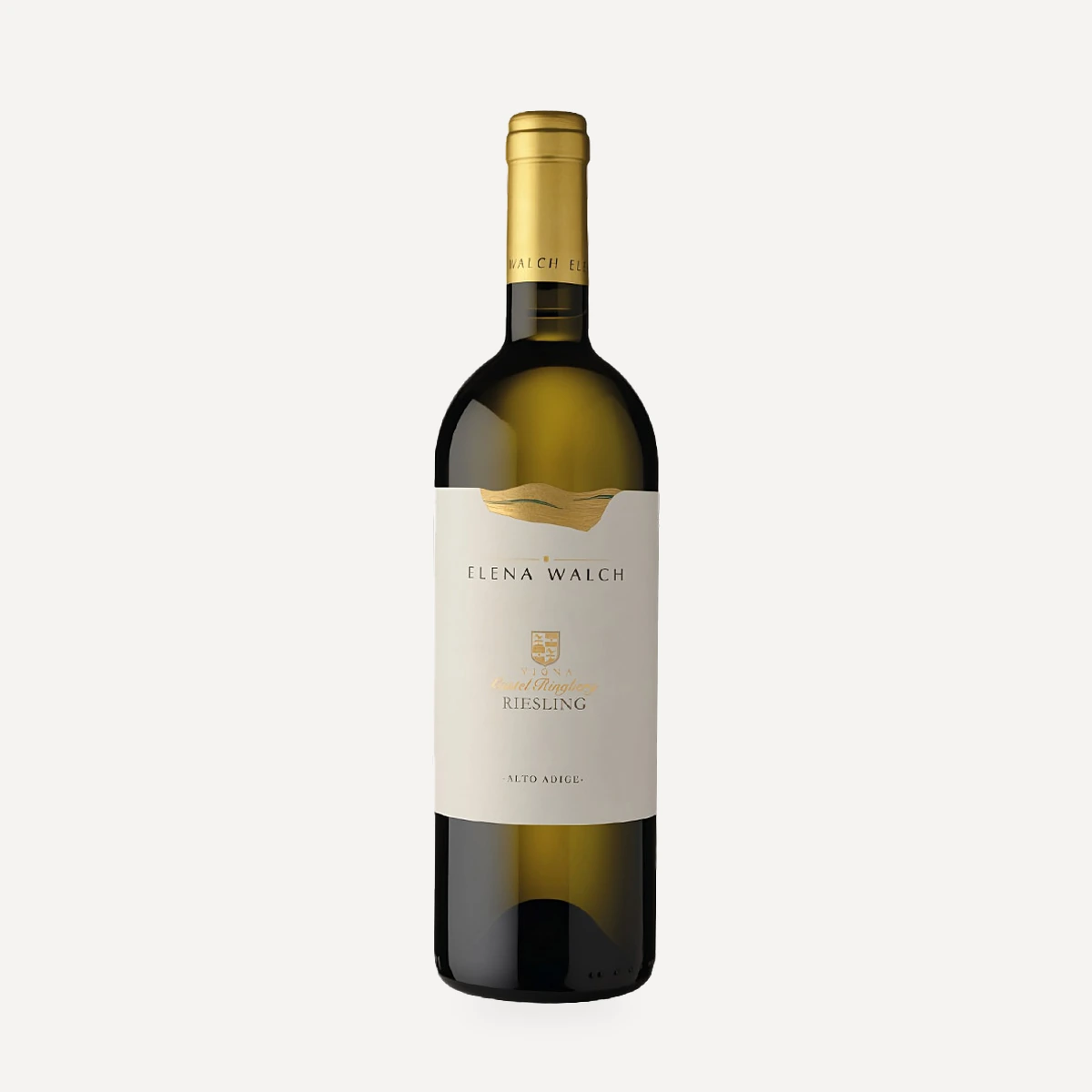
Riesling Vigna Castel RingbergAlto Adige DOC
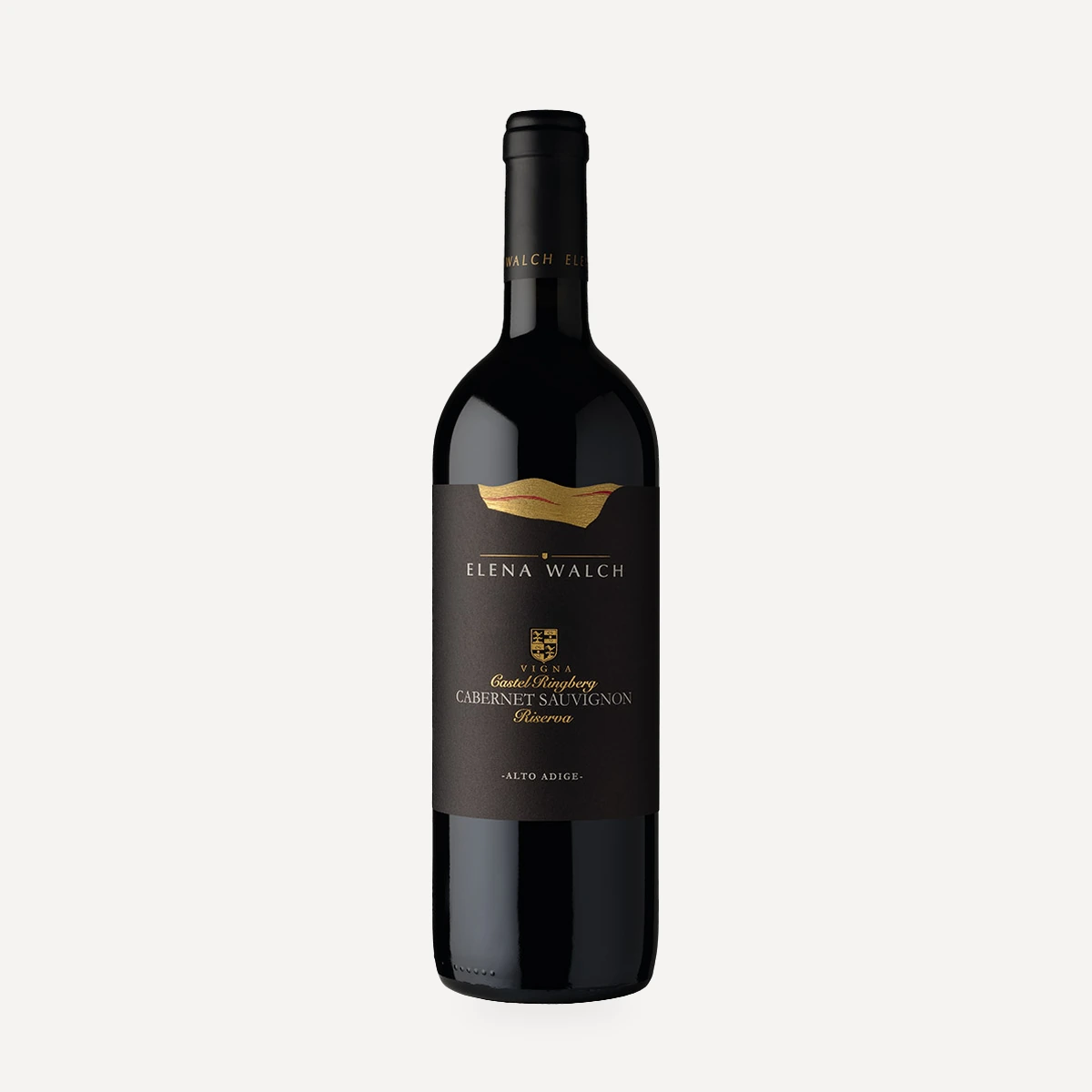
Cabernet Sauvignon Riserva Vigna Castel RingbergAlto Adige DOC
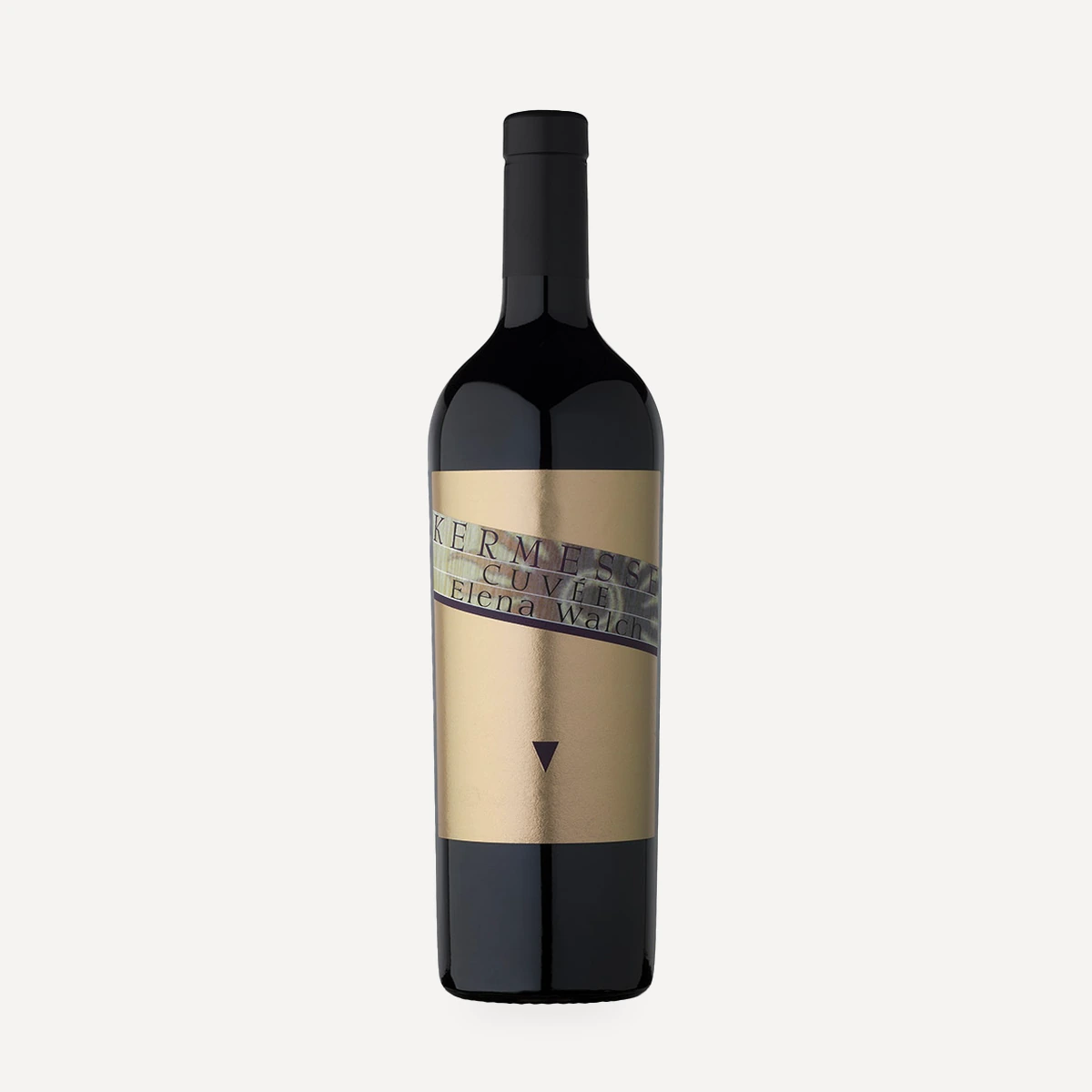
Grande Cuvée Kermesse Vino rosso d'Italia
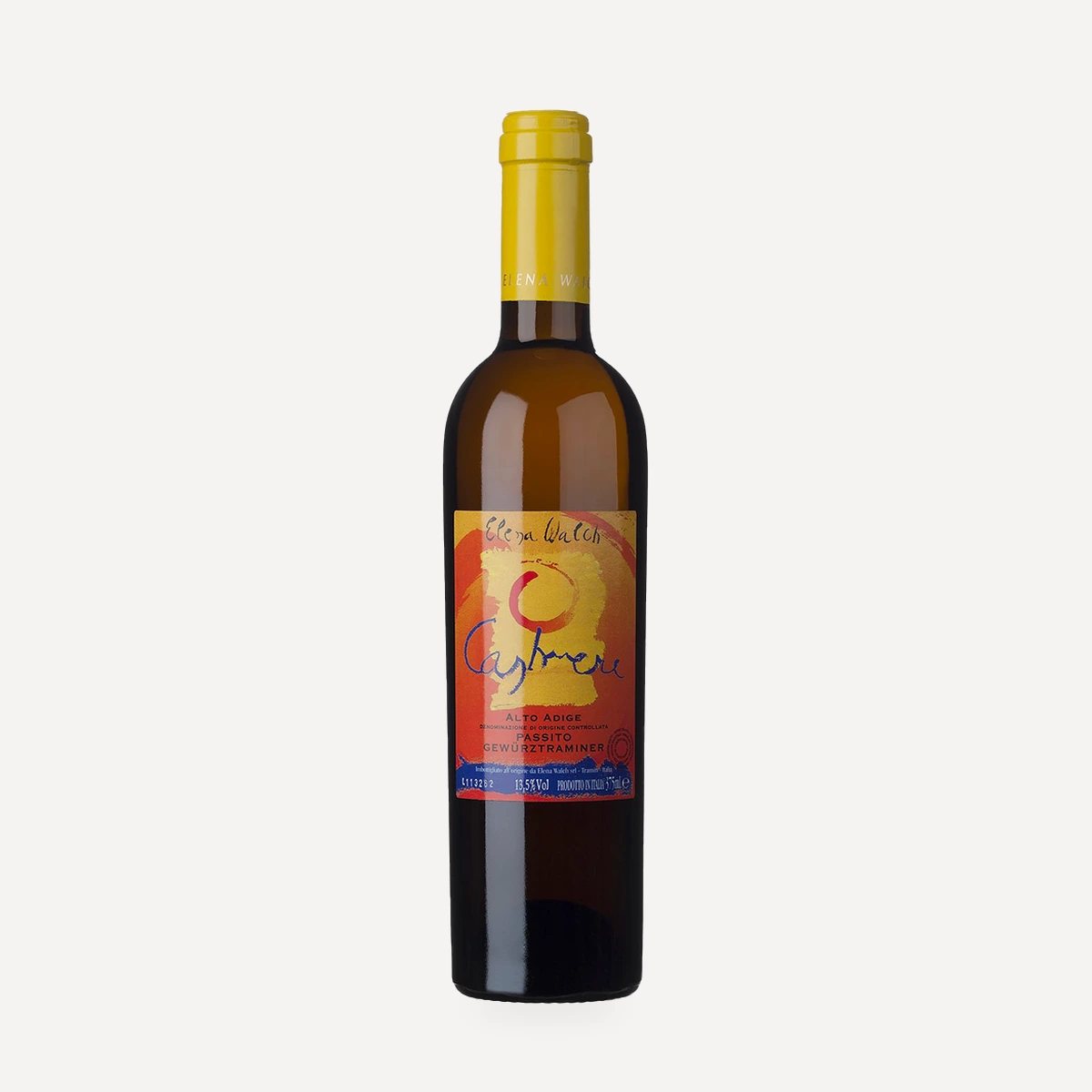
Passito CashmereGewürztraminer Alto Adige DOC