Storia
Family origins and foundation
Famiglia Olivini traces its winemaking identity to a family inheritance passed down through successive generations. Giuseppe Olivini is identified as the founder, and the estate uses 1970 as the beginning of its activity as winegrowers. The working method later formalized as Agricoltura Ragionata® also originated with Giuseppe and was handed down within the family.
The family property lies at Demesse Vecchie in San Martino della Battaglia, within the Comune di Desenzano del Garda. At its center stands an eighteenth-century farmhouse that had already occupied the agricultural property for almost 300 years when the new winery was completed in 2018.
From parents to the younger generation
Graziella and Giulio maintained a long-standing attachment to the land. Their children—Giorgio, Giordana and Giovanni—subsequently chose to share that commitment as young entrepreneurs. Their work continues a broader inheritance associated with the grandparents and ancestors: grapes are grown, selected and interpreted on the family property while respecting both the inherited approach and the character of each vintage.
The estate progressively invested in modern equipment, new production technology and expansions of the cellar, bringing the entire winemaking process together at the property. This development was accompanied by increasingly detailed selection in both vineyard and cellar, including hand harvesting, vine propagation by grafting and separate vinification plans for individual vineyards.
Experimentation with Metodo Classico
The family pursued traditional-method sparkling wine from local grapes despite early skepticism about both the suitability of the grapes and the complexity of the undertaking. Turbiana's naturally high acidity became central to this work: fruit is harvested early, vinified and subsequently undergoes the traditional sparkling-wine process. Over time, consumers increasingly recognized the resulting style.
In 2005, ANIMA—Associazione Nazionale Italiana Metodo Classico Autoctono—was created around the conviction that traditional-method sparkling wine could express grape varieties rooted in their own Italian microzones. The initiative reflected the same principle behind the family's experiments with indigenous varieties.
Selection and propagation of old-vine material
In more recent years, the family intensified its work on the characterization of Lugana. It selected individual vines in its oldest vineyards for aromatic quality and acid balance, propagated buds from this material by grafting and used the resulting vines in new plantings. The purpose was to conserve and improve the estate's varietal heritage rather than replace it with unrelated material.
Agricoltura Ragionata® and the 2018 winery
In 2018, Agricoltura Ragionata® became a registered trademark. The designation formalized a method inherited from Giuseppe Olivini: safeguarding the territory, soil and agricultural products through the least invasive practical intervention in both vineyard and cellar. By this stage, the estate had already participated in agri-environmental measures governing targeted plant-protection treatments for almost two decades.
The new winery was also completed in 2018. Its design reinterpreted the historic Demesse Vecchie farmhouse rather than reproducing it. The front façade establishes a relationship with the old building and vineyards, while a flat terrace roof encloses the production area at the rear. This construction consolidated the production spaces while providing a new architectural setting for hospitality and the wine shop.
Terroir
The estate is based at Demesse Vecchie in San Martino della Battaglia, within the Comune di Desenzano del Garda and close to Lake Garda. Its landscape lies between the lake shores and the surrounding morainic hills, within the undulating, amphitheatre-like terrain around the lake.
The defining soils are difficult-to-work calcareous clays. The family associates these clays with the mineral character of its Lugana wines and with the structure, freshness and longevity expressed across different styles. The property includes zones with differing pedological and morphological features rather than a completely uniform profile.
One especially clay-rich area represents the more typical side of the Lugana terrain and is planted to Turbiana. A small, contrasting portion used for Incrocio Manzoni 6.0.13 is the estate's only land positioned on a terrace. The Merlot source associated with Notte a San Martino is likewise characterized by a high proportion of clay.
The broader setting comprises vineyards, wineries, villages and castles around Lake Garda, with the Parco del Mincio Natural Reserve and the historic cities of Verona, Brescia and Mantua forming part of the surrounding landscape.
Vinificazione
Viticulture follows Agricoltura Ragionata®, the family's registered approach to limiting invasive intervention while putting the land first. The method was inherited from founder Giuseppe Olivini and formally registered as a trademark in 2018.
The estate has participated in agri-environmental measures for almost two decades. These call for targeted rather than indiscriminate use of plant-protection products. Soil and vine health are treated as mutually reinforcing: the family believes that land given greater respect becomes better able to respond to difficulties without excessive human intervention.
Harvesting is rigorously manual, including collection into boxes where specified, and grape selection is treated as a central quality step. Work in the oldest Lugana vineyards extends to the level of individual vines. Plants with the strongest aromatic qualities and acid balance are selected, their buds are propagated by grafting, and the resulting material is used for new vineyards to conserve the estate's genetic inheritance.
Viticultural decisions are linked directly to cellar planning. Individual grape varieties, vineyards and even specific vines are considered separately, with different vinification plans developed for different vineyard sources. Grapes intended for traditional-method sparkling wine are picked early to retain the high acidity considered essential to freshness, stability and longevity.
All stages of vinification take place at the family property, supported by modern equipment, continuing technological investment and successive cellar expansions. The production complex includes the principal working winery, dedicated sparkling-wine cellars and a barrique cellar.
The production philosophy begins with careful grape selection and quality control of the materials used. Techniques are chosen in response to the intrinsic qualities of the fruit, and the estate develops different vinification plans for individual vineyards rather than imposing a single process on every parcel. Historical varieties are interpreted through a combination of inherited practice, modern equipment and investment in processing, vinification and maturation technology.
For Turbiana Metodo Classico, harvesting takes place early to protect the grape's high acidity. Whole grapes may be softly and slowly pressed, with attention to separating press fractions. Alcoholic fermentation is conducted under controlled temperature, followed by a second fermentation in bottle and ageing on the lees. Bottles are disgorged manually by freezing the neck. The longest-aged expression remains on its lees for at least 60 months.
Rosé production depends on separating the must from the skins at the appropriate moment. Across the cellar, technology is also used to create stable conditions for preserving wine and its sensory qualities, reducing reliance on excessive chemical products or preservatives when they are unnecessary.
Filosofia
Famiglia Olivini defines its approach through Agricoltura Ragionata®: an inherited and registered philosophy that places the territory and soil ahead of invasive intervention. The family aims to work lightly in both vineyard and cellar and pursues purity throughout the complete path from vine to finished wine.
The approach gives priority to the distinct character of each variety, vineyard and individual vine. The family expresses strong confidence in varietal wines and seeks to reinterpret local grapes in a modern form without suppressing their inherent characteristics. This leads to vineyard-specific production plans and to selecting the vinification technique best suited to each lot of fruit.
Vintage variation is accepted as fundamental: viticulture and oenology are never constant, and wines are understood as unique rather than mechanically repeatable. Quality is pursued through close attention to detail, preservation of inherited plant material, careful grape selection and control of production materials.
Tradition and innovation are treated as complementary. The family's stated objective is to enhance historic varieties and the territory through investment in vineyard work, winemaking and maturation technology while retaining ancestral and family values. Its traditional-method sparkling wines embody this idea by joining locally rooted grapes to modern production technology.
The philosophy also extends to conservation. Avoiding unnecessary chemical products or preservatives is paired with technology that recreates suitable conditions for preserving wine and its sensory integrity. Healthy soil and vines are regarded as the basis of a more resilient relationship with nature.
Vini
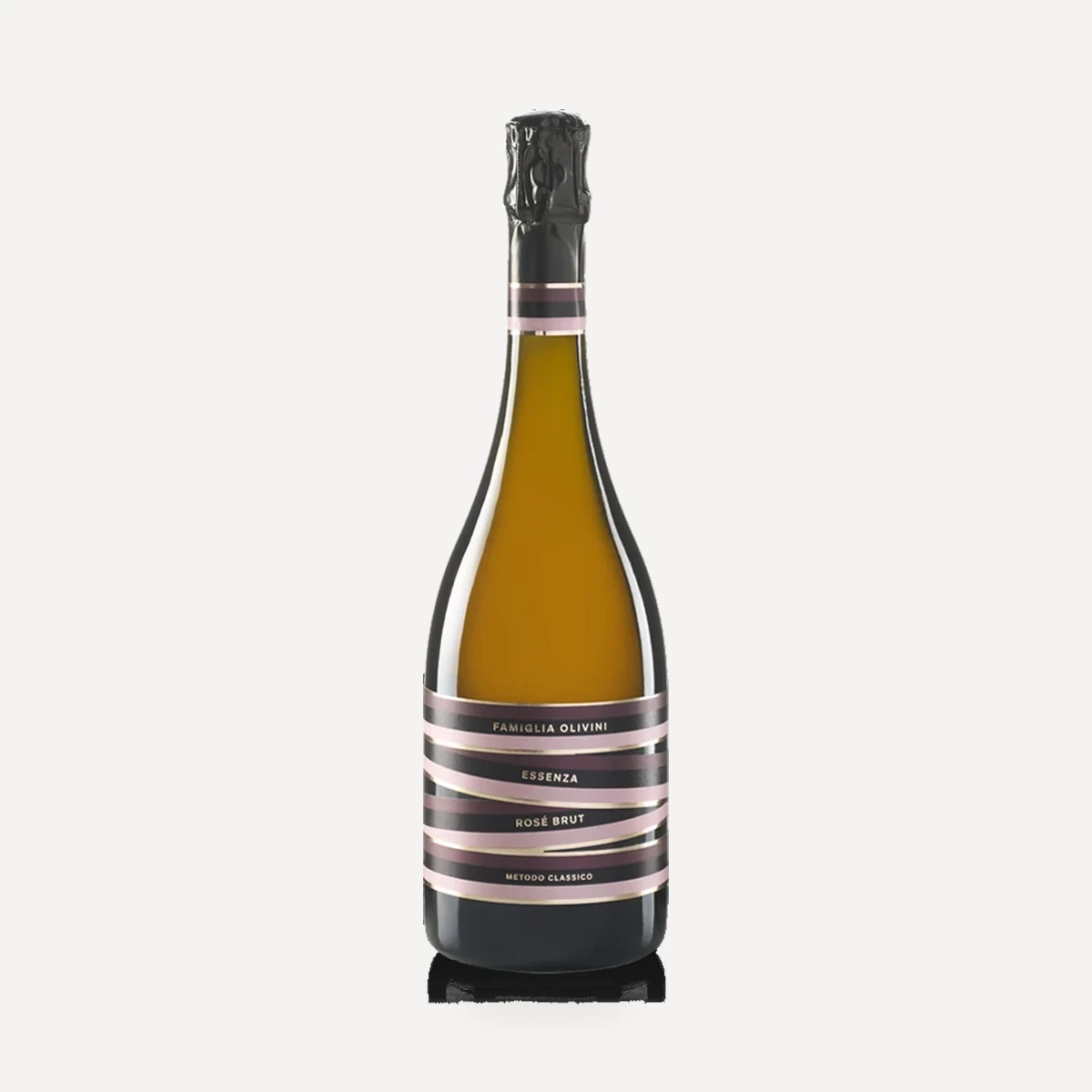
Essenza Riviera del Garda Classico Rosè Spumante D.O.C. Brut Metodo Classico
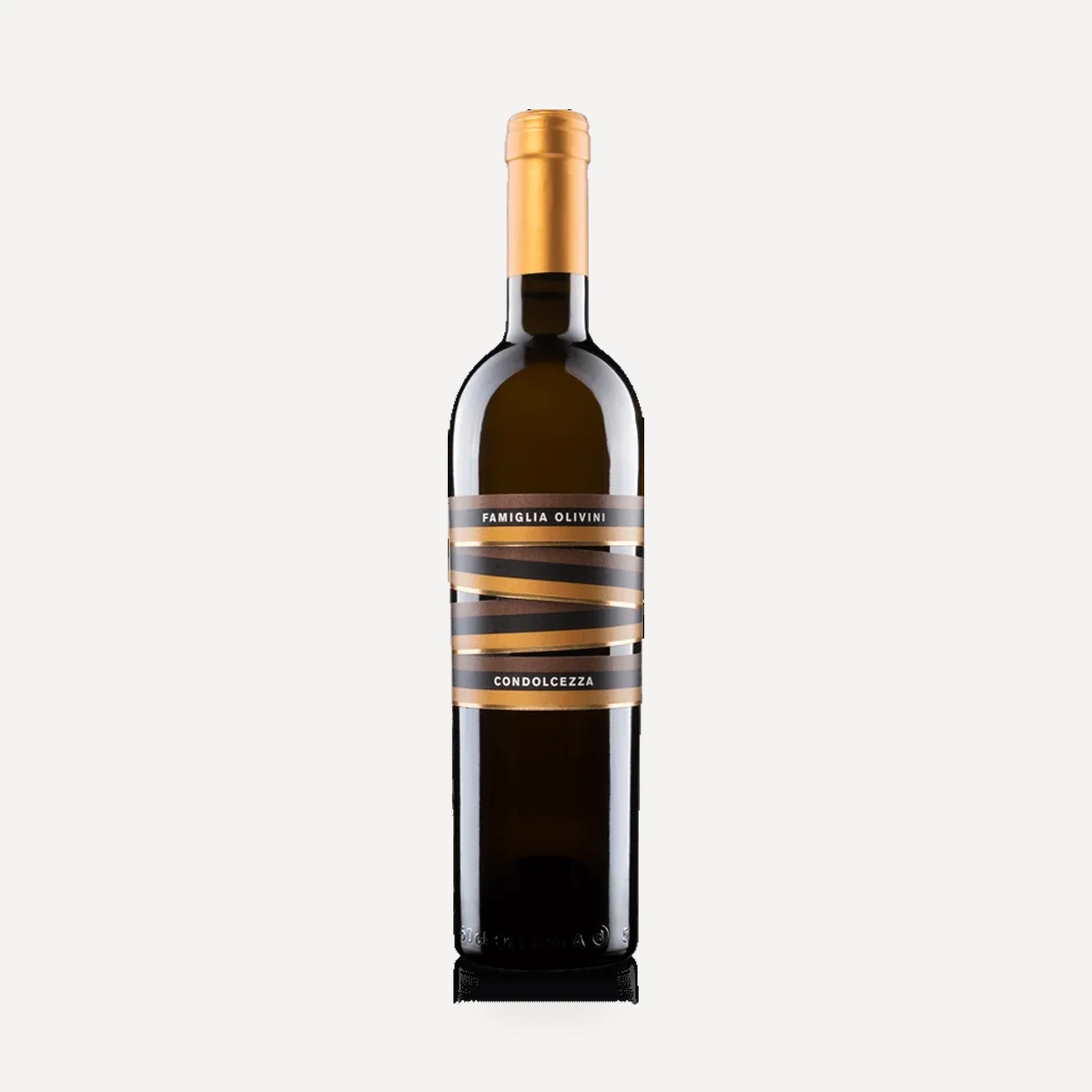
Condolcezza
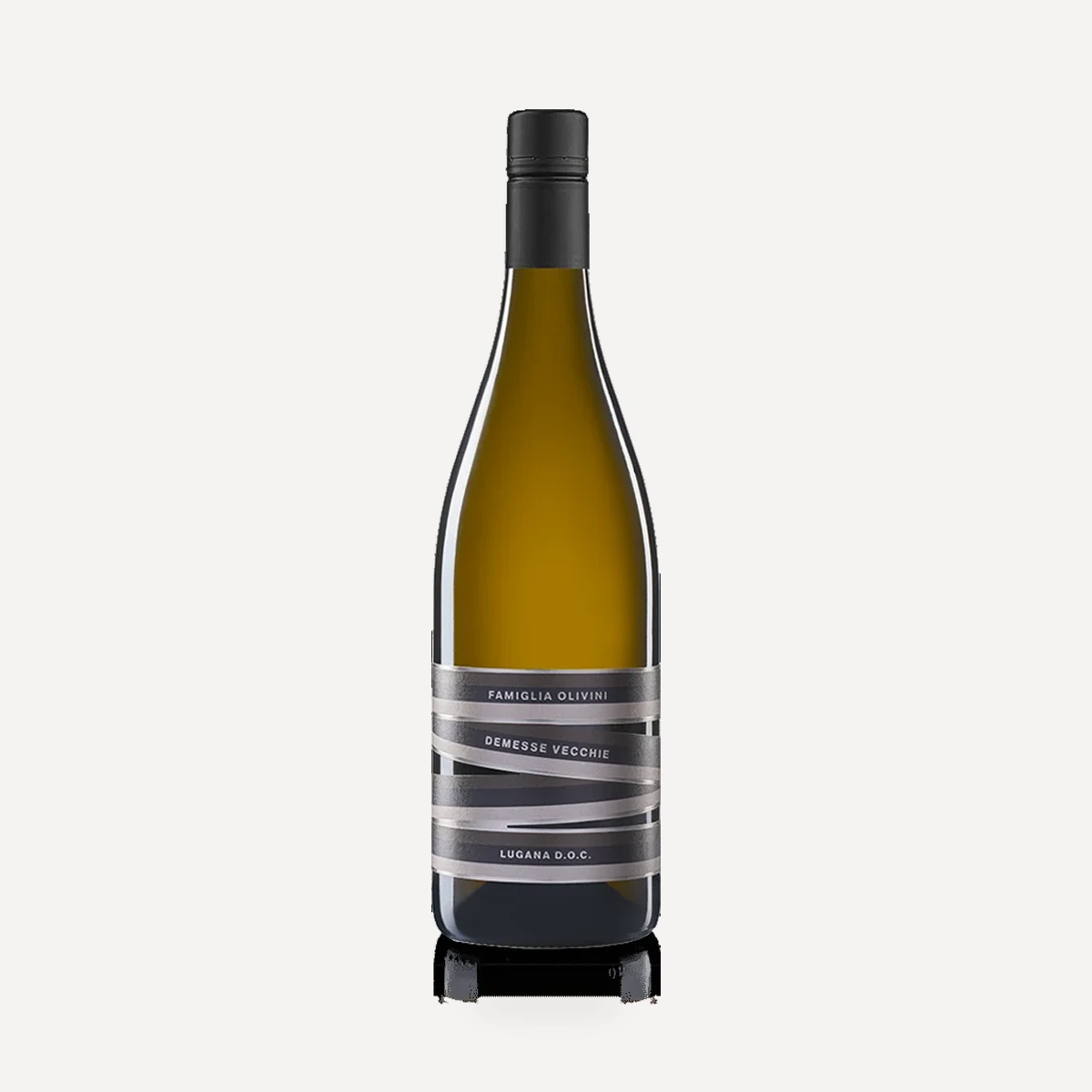
Demesse Vecchie Lugana D.O.C.
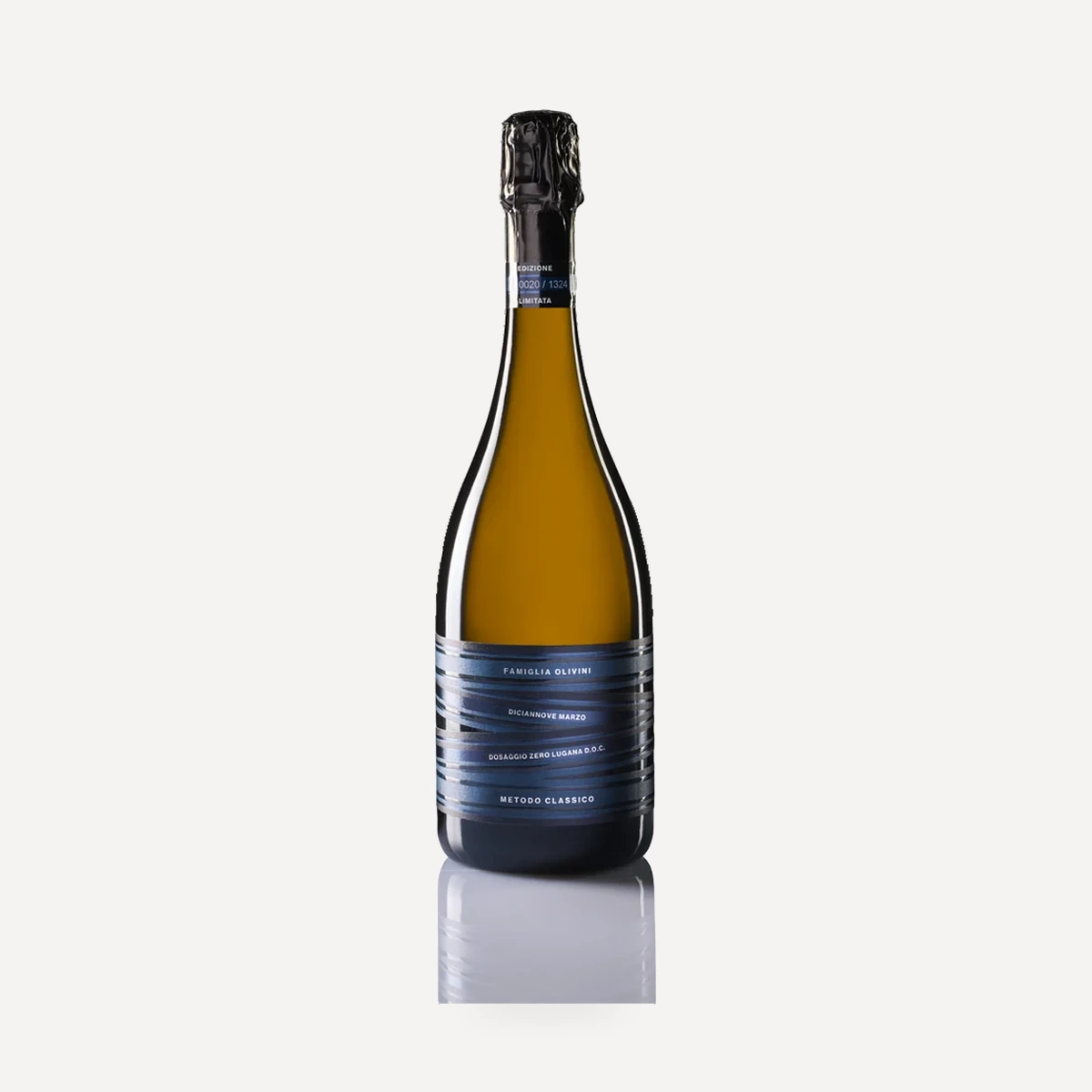
Diciannove Marzo Lugana D.O.C. Dosaggio Zero Metodo Classico
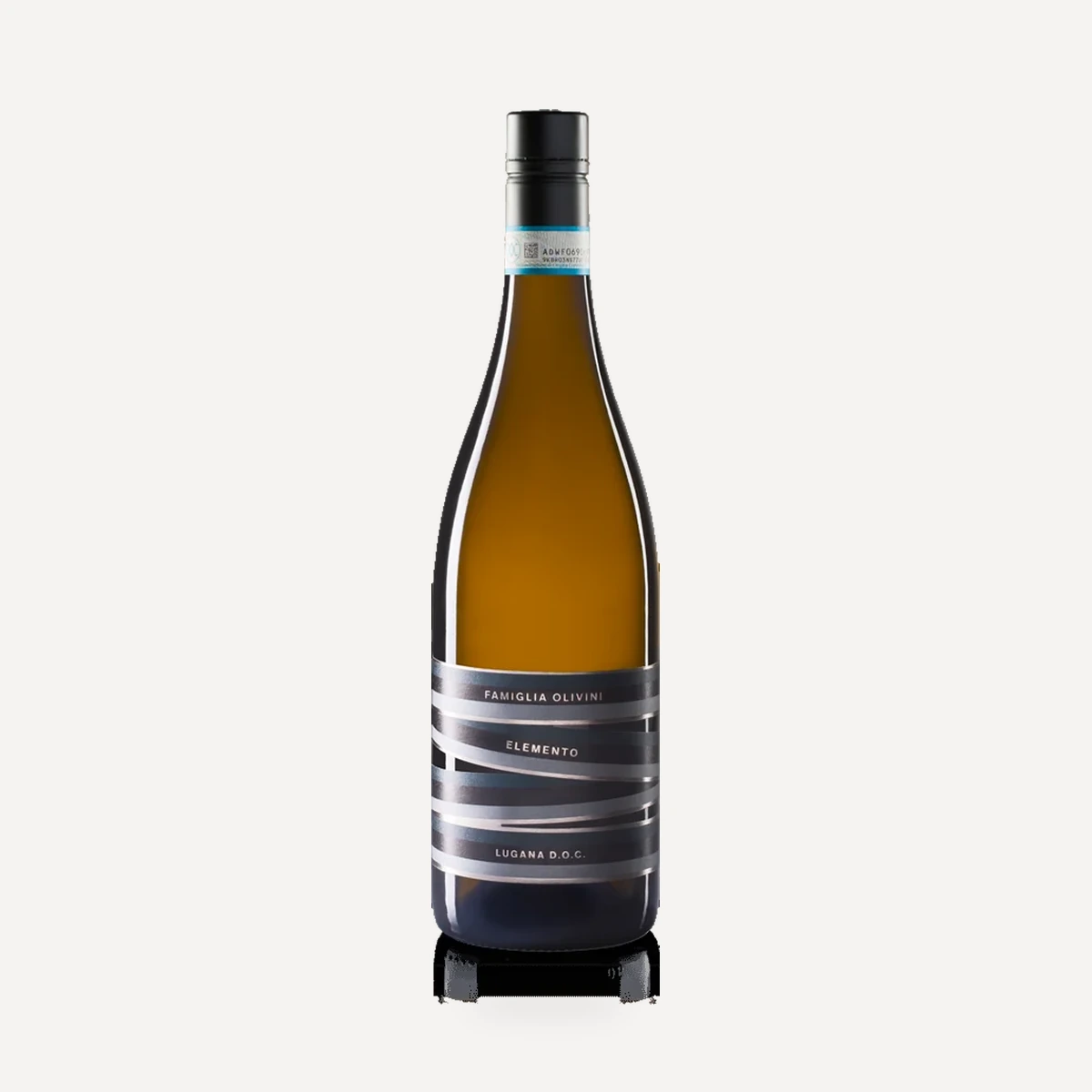
Elemento Lugana D.O.C.
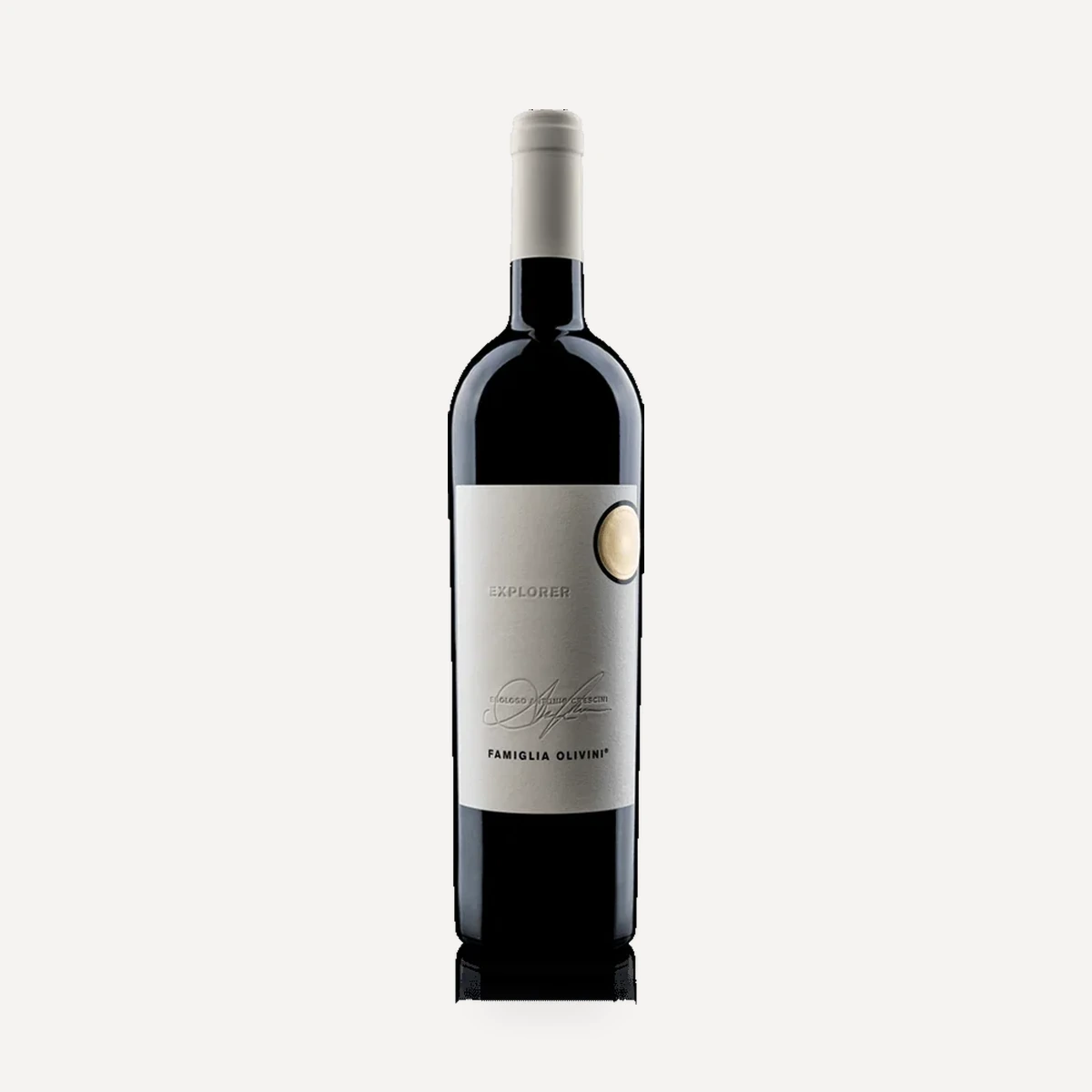
Explorer Benaco Bresciano I.G.T. Bianco
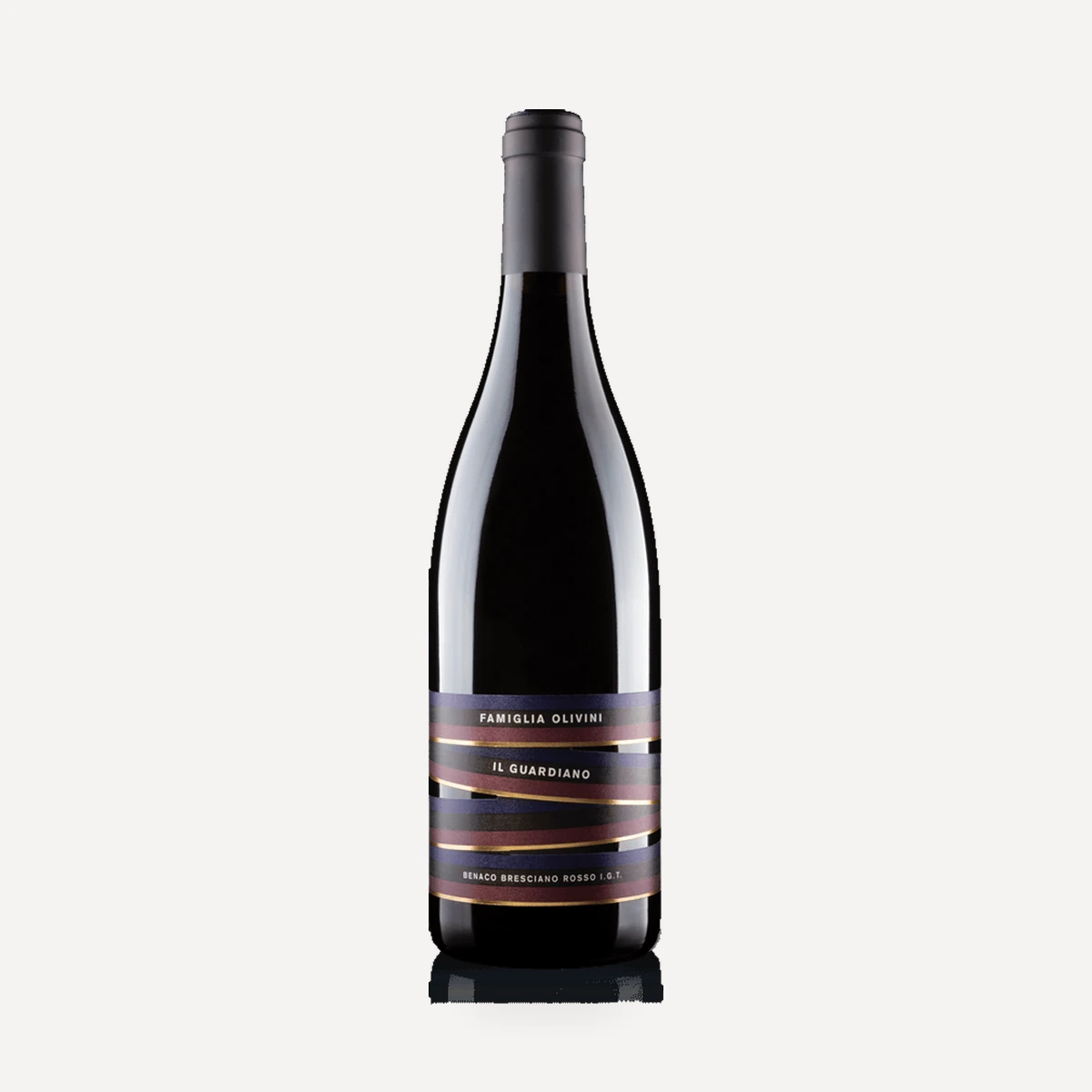
Il Guardiano Benaco Bresciano Rosso I.G.T.
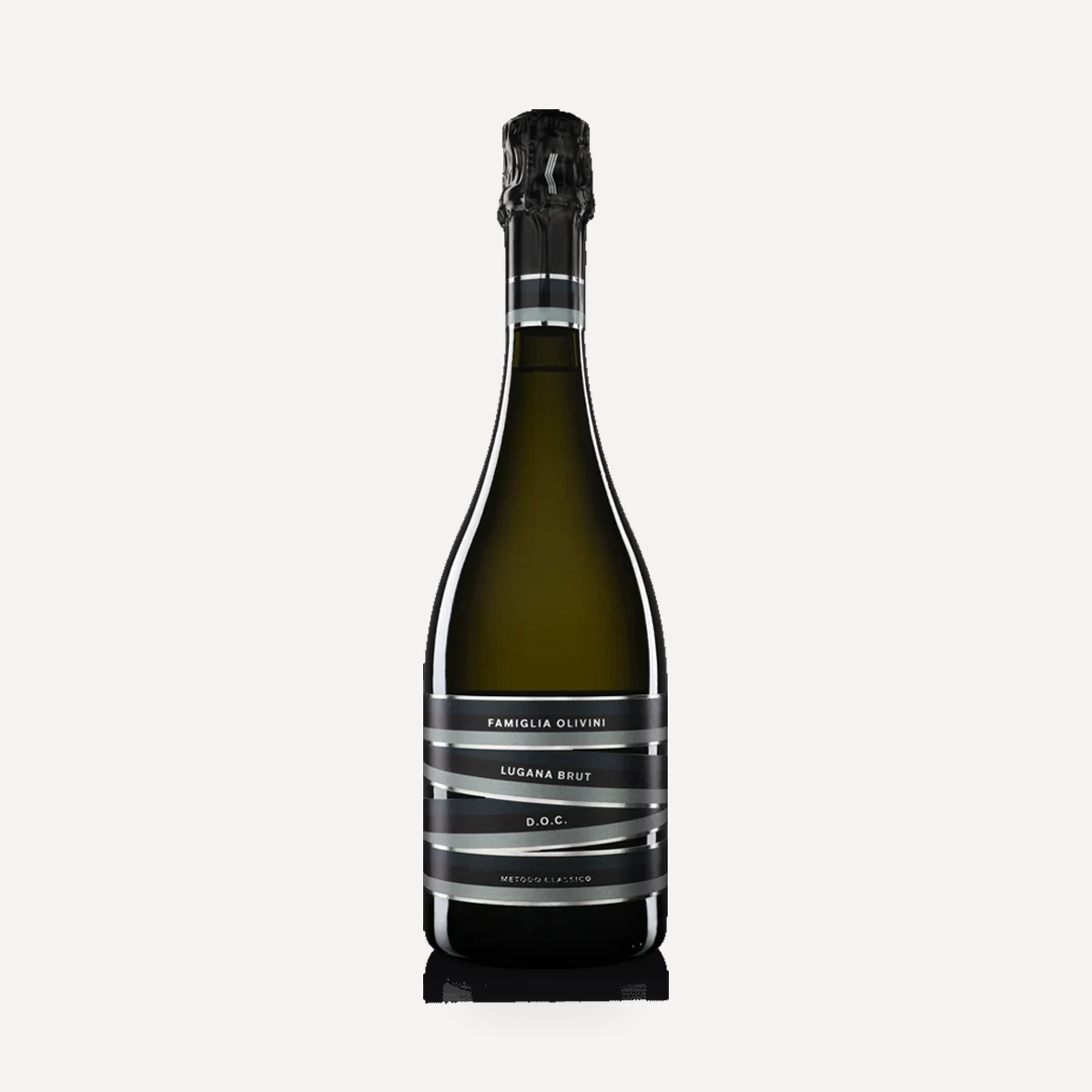
Lugana D.O.C. Brut
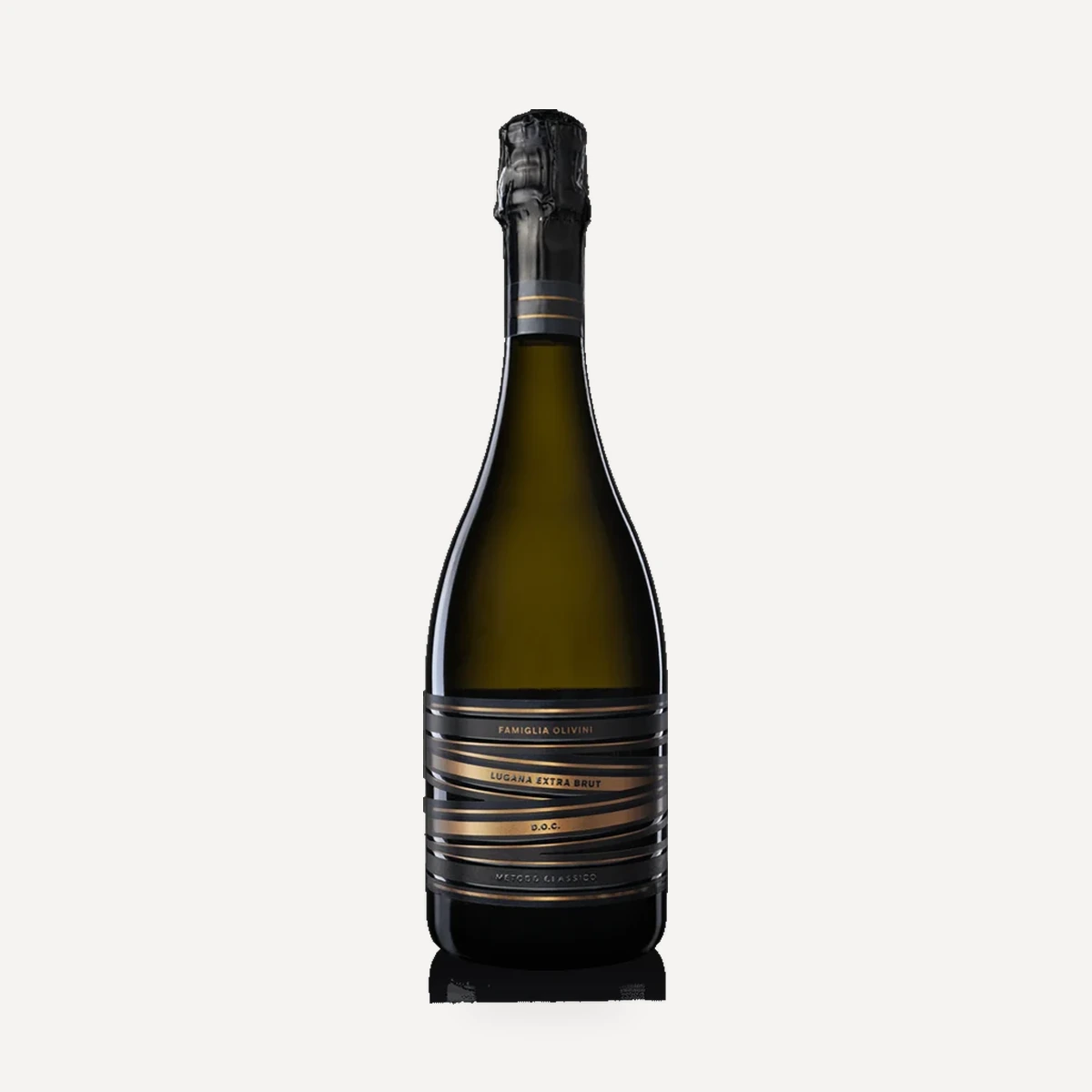
Lugana D.O.C. Extra Brut
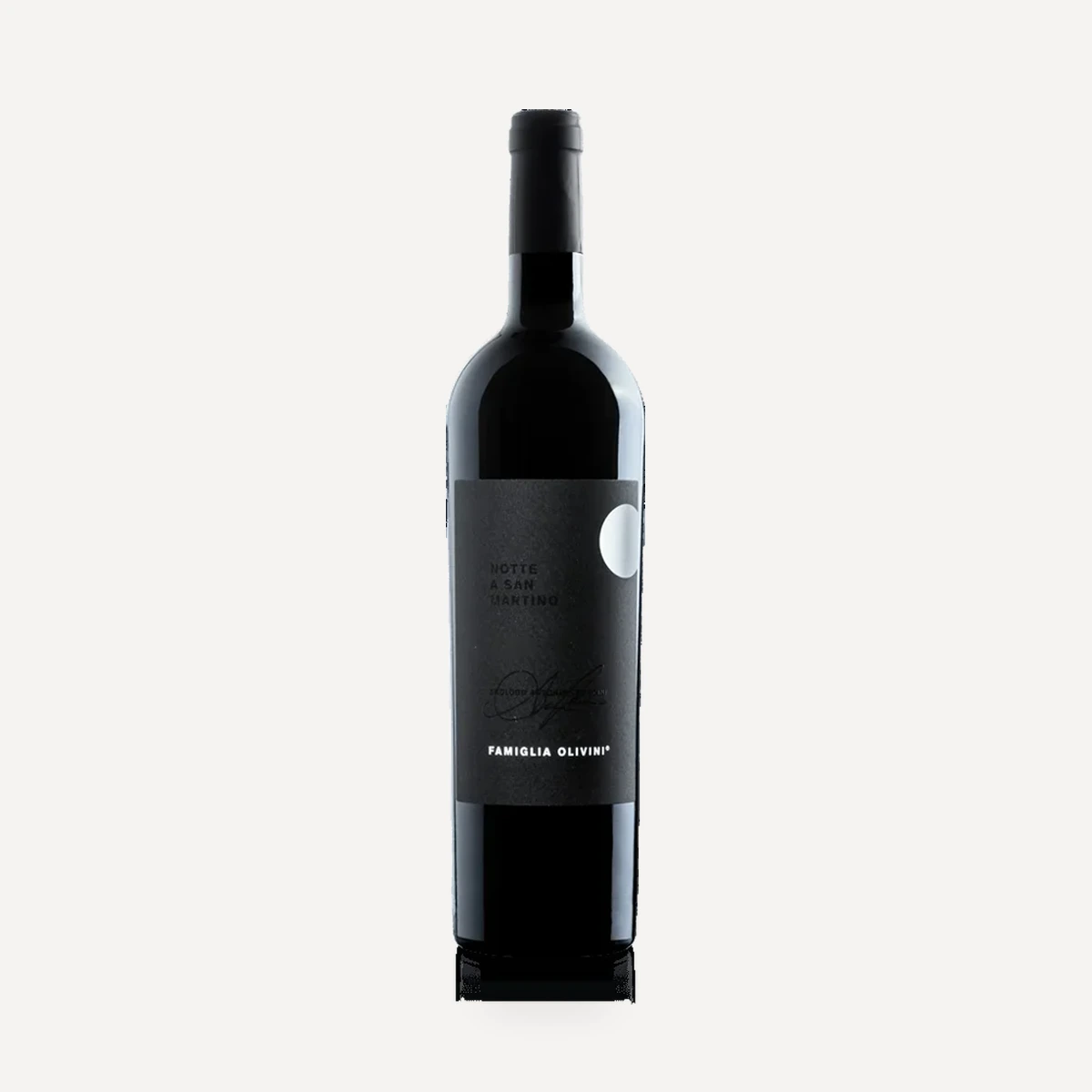
Notte a San Martino Benaco Bresciano I.G.T. Merlot