Questo vino
Vineyard and terroir
The vineyards lie in the Tuscan Maremma at 300–320 m above sea level and range from 10 to 60 years of age. The product page describes the vines more generally as over 30 years old. Ciliegiolo predominates, followed by populations of Sangiovese and less widespread local red varieties such as Cannonau Grigio. Training combines vertical trellising, mixed double-arched-cane pruning and bush vines.
Cultivation follows the closed-cycle, plant-based regenerative Metodo Corino. Periodic under-vine mulching uses hay produced on the estate. Shoots are secured to supports without topping, extending leaf activity late into the season.
Grapes
Ciliegiolo, Sangiovese and Cannonau Grigio. The wine is principally drawn from a second selection of these grapes and includes wine obtained by gentle pressing of the pomace.
Vinification
The must fermented with indigenous local yeasts. Periodic punch-downs were the only extraction performed during fermentation, beginning approximately 48 hours after the must was placed in vats. Maceration lasted four weeks. The gently pressed fraction was incorporated into the wine. No invasive oenological treatment or additives were employed.
Ageing
Approximately 20 months in wooden barrels.
Technical data
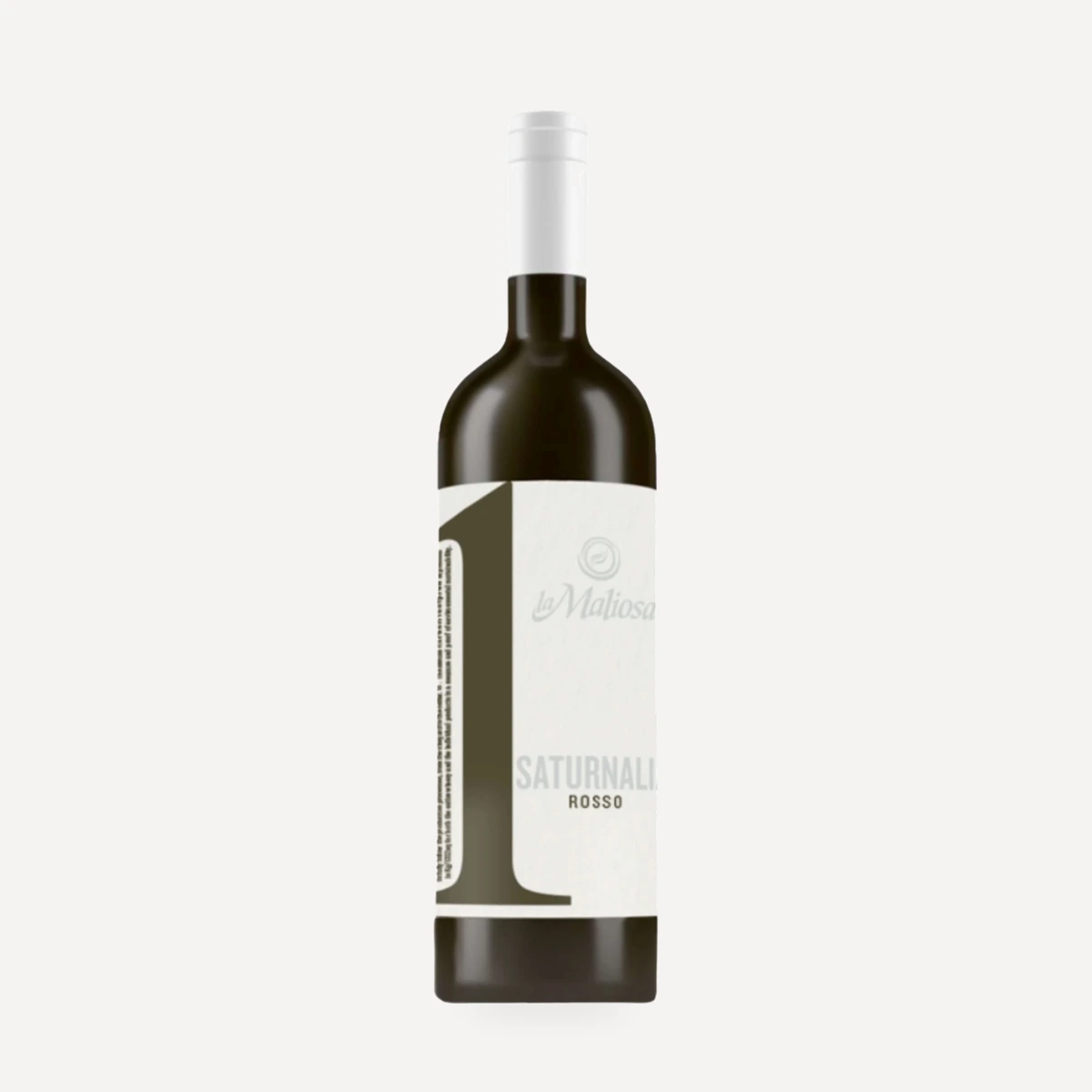
Toscana Rosso I.G.T. Alcohol: 13.5% vol. Production: 3,510 bottles. Bottle format: 750 ml. Certified organic under EU Regulation 2018/848. Suitable for vegetarian and vegan diets because no animal-derived products are used in the vineyard or cellar.
Tasting profile
Ruby red with garnet reflections. Aromas centre on red fruit, cherry and blackberry, followed by dried rose, humus and black pepper. The palate is medium-bodied, with balanced tannins, good acidity, a long persistence and a broad aftertaste.
Serving and pairing
Serve at 16–18°C and air for a few minutes before tasting. Pair with pasta in white or red ragù, grilled white meat, roasted red meat, medium-aged cheeses, cured meats or a richly flavoured fish soup.
Vintage notes
The 2022 growing season was marked by drought beginning in winter and unusually early temperatures above 30°C from the first days of May, impairing flowering. Heat continued without interruption until mid-August. Rain between 20 August and mid-September restored vine physiology and supported optimal ripening. Red varieties were harvested progressively from early September through the third week of the month, with rigorous manual selection.