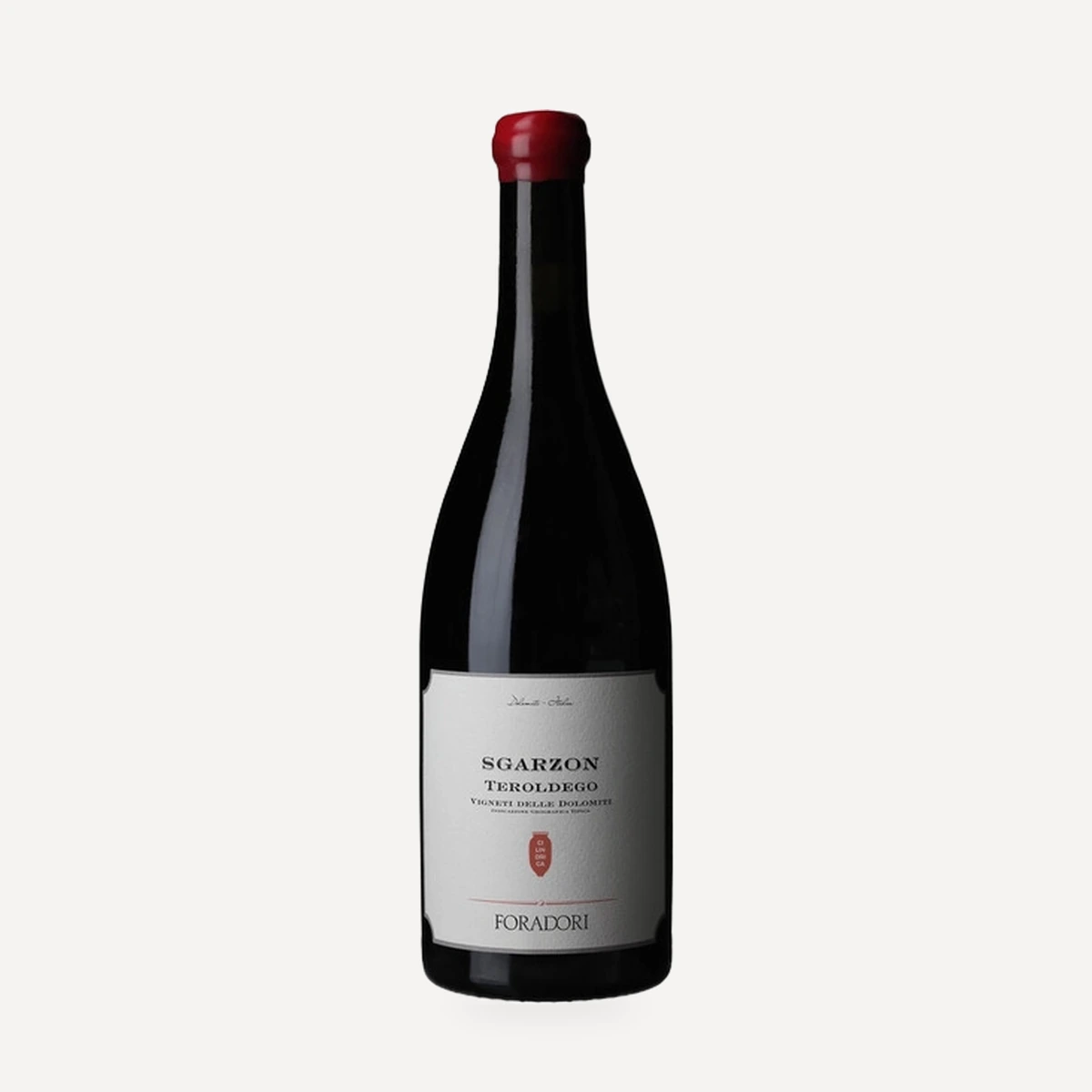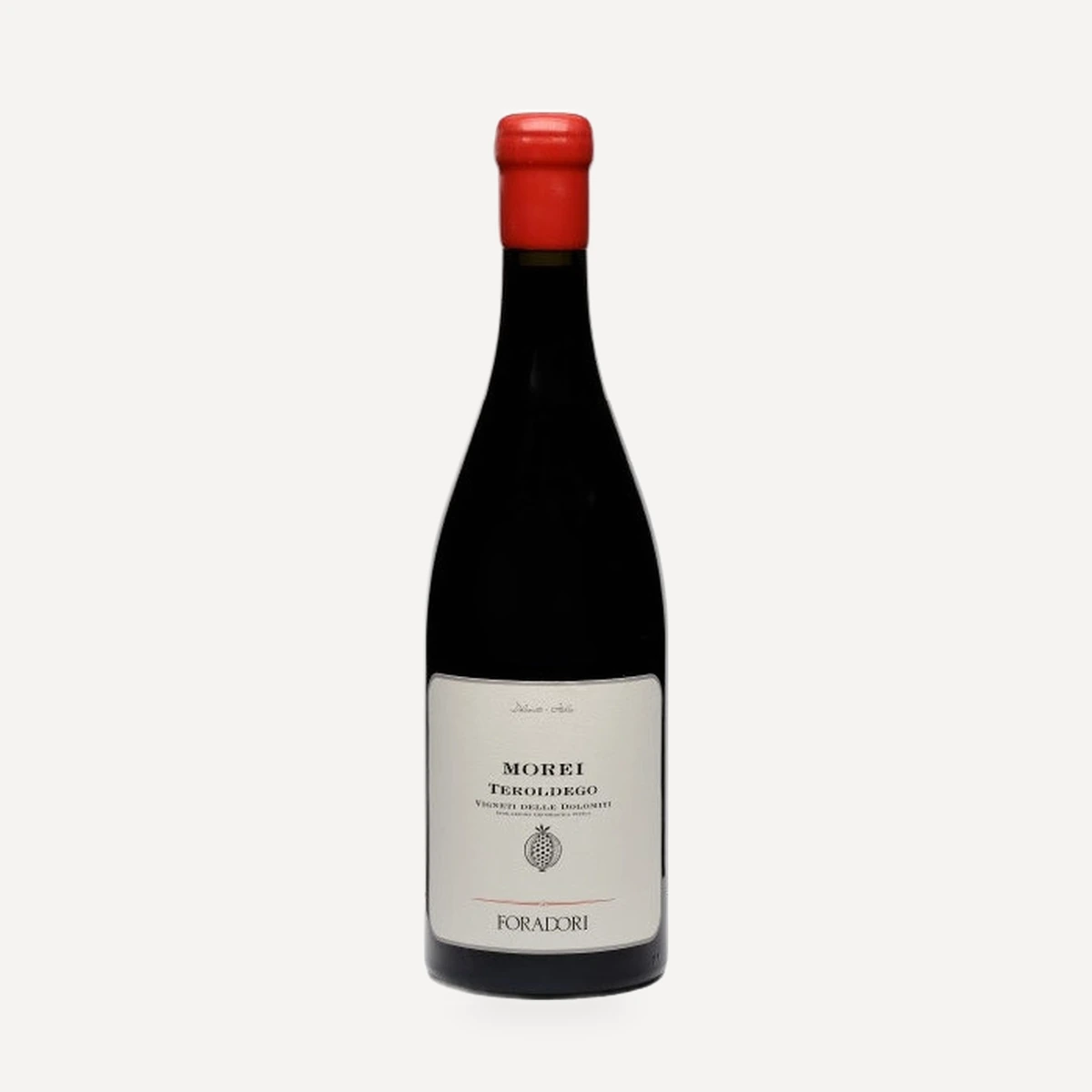
Questo vino
Vineyard and terroir
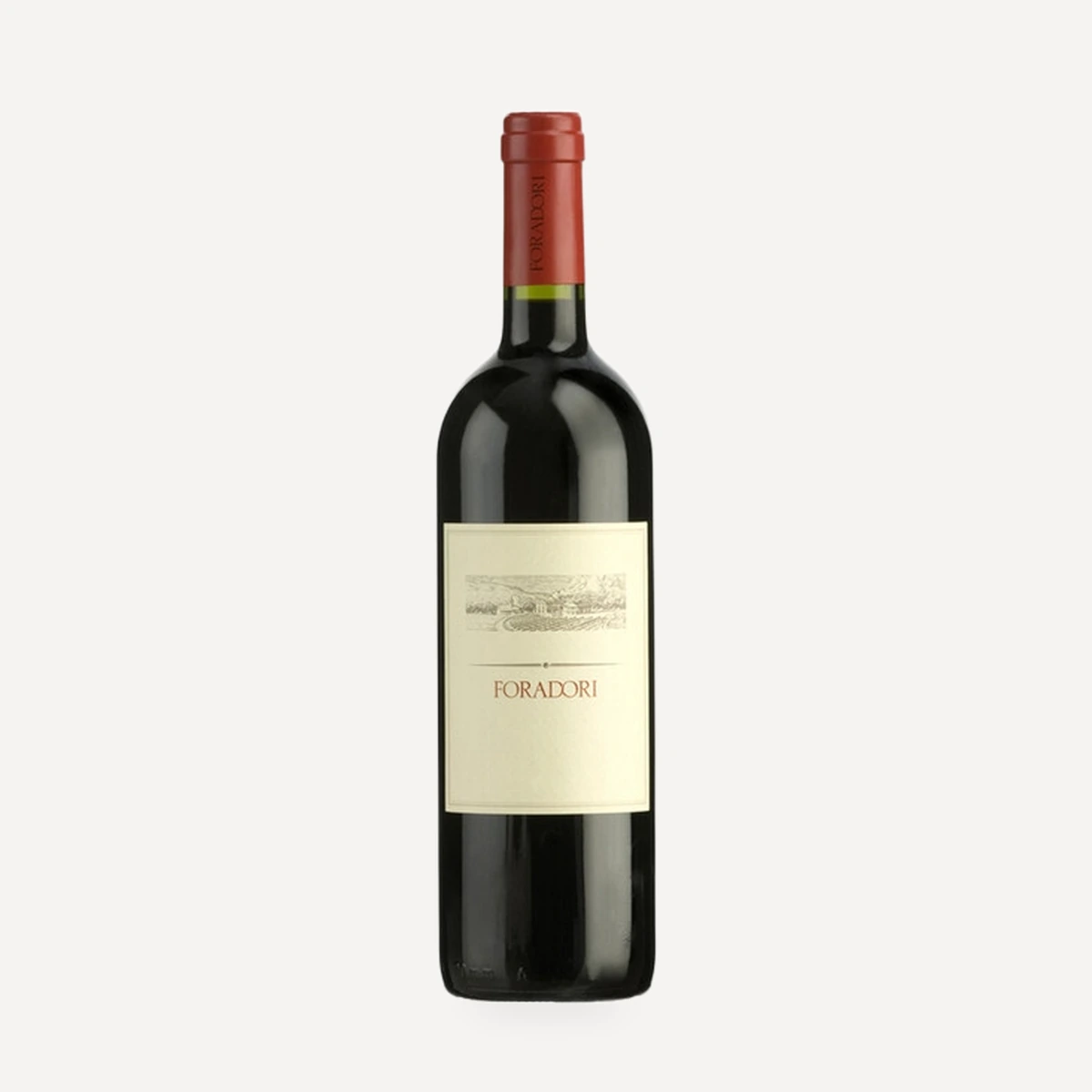
The 16-hectare Teroldego vineyard lies in Campo Rotaliano, among the mountain valleys of northern Trentino. It is planted at a density of 3,000–6,000 vines per hectare, and the vines average 40 years of age. The alluvial soils contain pebbles and gravel. Across the estate’s more than 80 hectares of vineyards, centuries of flooding by the Noce River deposited limestone and granite. Winds from the surrounding mountains cool the area, producing a warm but never hot microclimate and extending the ripening and harvest season.
Yields were once excessively high. Clonal selection, careful pruning, the replanting of old vines and substantial yield reductions were used to improve the fruit and make greater use of the terroir.
Grapes
Elisabetta Foradori selected and cultivated the best-performing Teroldego clones to restore the variety’s distinctive qualities.
Ageing
The wine ages for 20 months in small new French oak barrels.
Tasting profile
Soft, deep and complex, with a velvety texture, subtle spice and lively acidity.
Serving and pairing
The wine pairs with a range of traditional dishes. The 2009 vintage was recommended for decanting and drinking between 2012 and 2017.
Label / history
Elisabetta Foradori took over the estate after her father’s sudden death around 20 years before this account. At that time, nearly all its vineyards were planted with high-yielding Teroldego vines. Her subsequent work with clonal selection, pruning, replanting and lower yields gradually brought greater depth, flavour and aroma to the grapes and wines.