Questo vino
Vineyard and terroir
The grapes come from estate vineyards along the Fossa di Bolgheri stream, managed through integrated sustainable viticulture and certified under Italy’s SQNPI Sustainable Quality system. The climate is mild Mediterranean, dry and windy, with marine breezes and broad summer differences between daytime and nighttime temperatures. The very deep alluvial soils range from sandy to sandy-clayey and contain varying quantities of pebbles.
Grapes
Vermentino, a historic local white variety associated with the Tyrrhenian coast. Its presence in the estate vineyards is documented from at least the first half of the nineteenth century.
Vinification
Each homogeneous vineyard micro-parcel is harvested and processed separately. In 2025, picking took place early in the morning on 13 September. The grapes are destemmed and gently pressed. The must is clarified naturally by low-temperature settling before fermentation.
Ageing
Four months in stainless-steel tanks on the lees, with frequent stirring. The wine is then clarified through natural cold precipitation and receives a light filtration.
Technical data
2025: 13% alcohol; 6.8 g/L total acidity; 0.29 g/L residual sugar; 25.9 g/L dry extract; 0.095 g/L total sulfur dioxide. Energy: 322 kJ / 77 kcal per 100 ml.
Tasting profile
Fresh and medium-bodied, with grapefruit and tropical-fruit aromas accompanied by tea, peach, bread crust and pastry. Its character continues to develop after bottling.
Serving and pairing
Serve at 8–10°C. Suitable on its own or as an aperitif, and with vegetarian dishes, fish, eggs, and young or medium-aged cheeses. Its expected life is about one to two years when stored horizontally in a cool, dark place.
Vintage notes
Winter and early spring 2025 brought abundant rain. Conditions warmed after Easter, with intermittent showers but predominantly sunny, well-ventilated weather. A long, hot, dry and breezy summer began in June. Rain returned in September, relieving the vines without creating humidity problems because of the continuing winds. The grapes were very healthy, concentrated without excess, and strongly aromatic.
Label / history
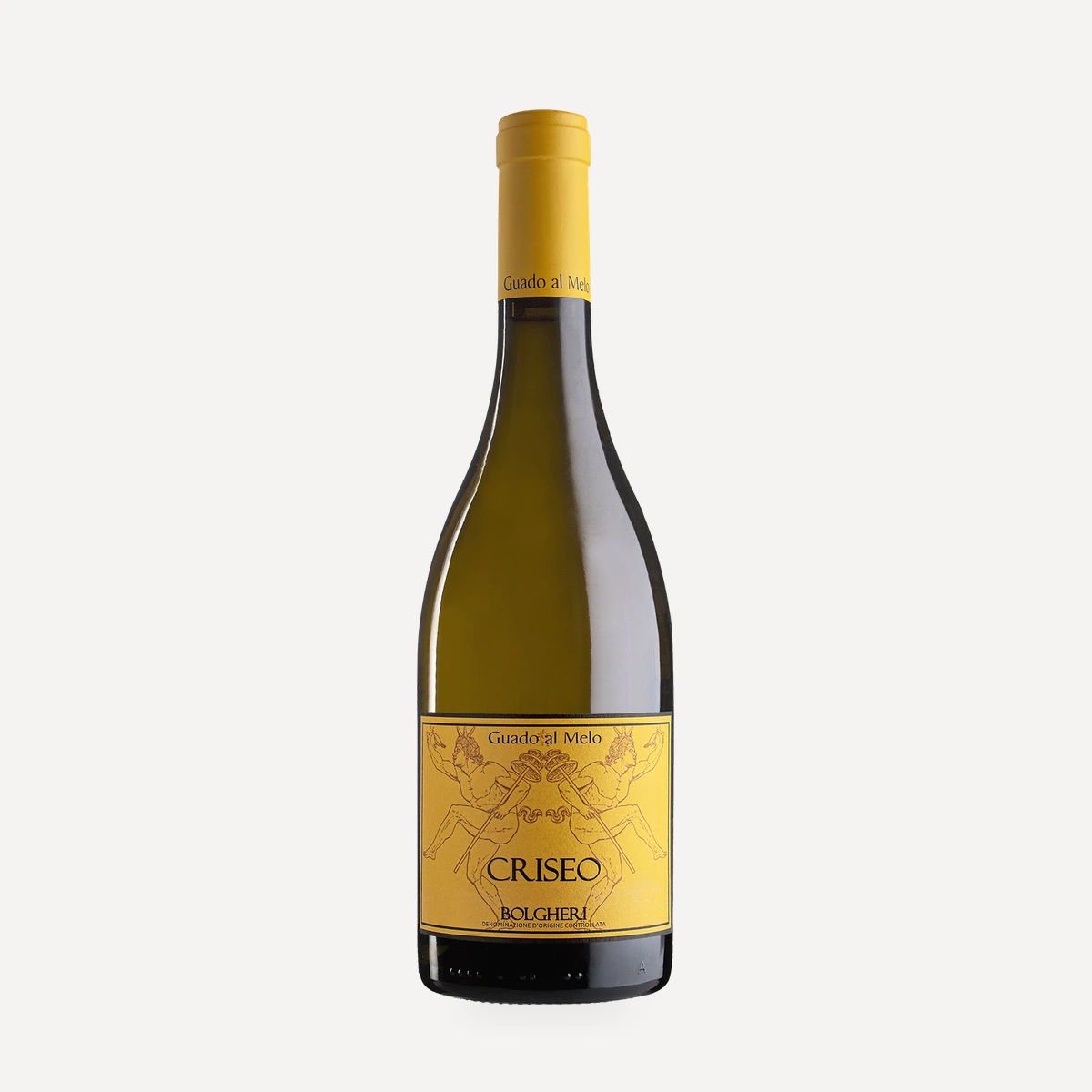
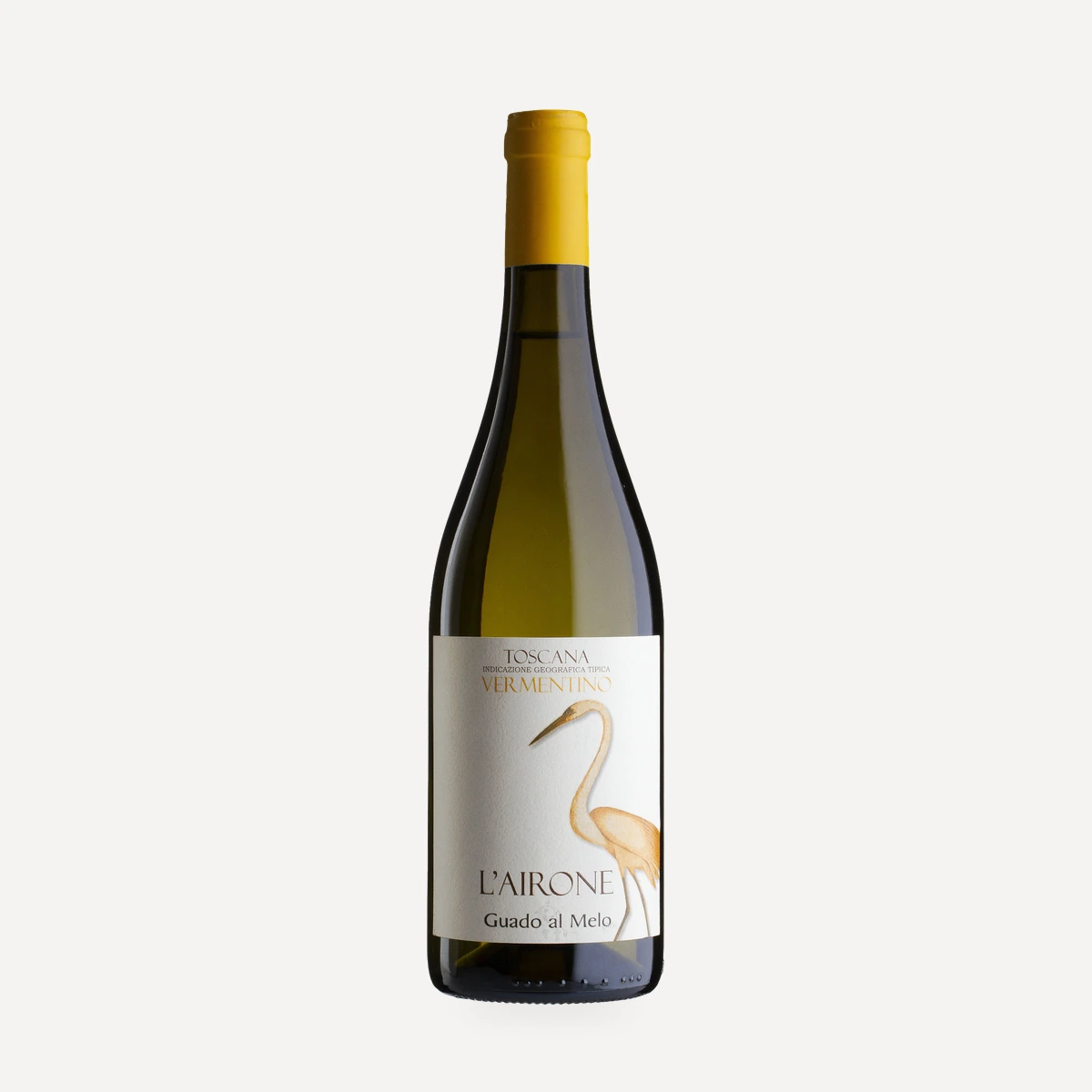
First produced in 2010. The name and label refer to the small white herons often seen moving through the vineyards during the cooler seasons. Their grace and lightness mirror the intended character of the wine; the pictured bird is rendered in bright yellow to evoke its color.