Storia
The estate before Guado al Melo
The documented winegrowing history of the land reaches back at least to the beginning of the nineteenth century. The present vineyards formed part of an area then known as Campo al Lucchese, on the first slopes of the northern side of the Segalari hill.
In 1818, Giovanni Moratti acquired one portion from the small farmer Giovacchino Balli. In 1820, he bought a second portion from Giulio Bigazzi, owner of the Fattoria di Segalari, bringing the land into the expanding Espinassi-Moratti estate. In 1824, Moratti also acquired the adjacent podere Grattamacco from Bigazzi. The latter included a worker’s house, and the properties were joined into one large farm.
The estate’s wine was sold principally in Pisa and commanded high prices in aristocratic circles, where it was valued as full-bodied and fragrant. Its success was sufficient for the estate manager to take the share normally due to the tenant farmer and replace it with a less valuable wine. The recorded vineyards included Trebbiano, Malvasia Bianca, Vermentino, Canaiolo Bianco, Sangiovese, Canaiolo Nero and Cabernet Sauvignon.
The farm suffered a difficult period in the early twentieth century but recovered by the 1930s. White grapes became predominant during this era, and Merlot was also documented. In 1925, its wine won first prize at the Wine Exposition in Rome.
In 1937, the Grattamacco holding was considered too large for one tenant family and divided. A new farmhouse was built for the resulting podere Santa Maria, while the vineyards corresponding to present-day Guado al Melo remained attached to it.
The wider property was progressively broken up after the Second World War. During the 1960s, it still included 22 hectares of specialized vineyard. Santa Maria accounted for 12 hectares, bounded between the Gelli mill and the Grattamacco weir—the area corresponding to Guado al Melo. These vineyards were later sold separately to a local farmer, whose family continued making wine there. Only the owner between 1992 and 1998 did not practice viticulture.
The Scienza family’s winegrowing background
Michele Scienza descends from winegrowers in Avio, in Trentino’s Lagarina Valley. His great-grandparents worked as tenants on a noble estate. His grandfather Ezio subsequently acquired the vineyard. During the 1950s and 1960s, Ezio and his wife Giuseppina produced bulk wine and delivered grapes to the cooperative winery. In 1978, they began bottling their own wine with the assistance of their son Attilio and his wife Caterina; the small family estate, Vallarom, developed a reputation for quality in Trentino.
Michele trained as an oenologist and biologist. He made his first vintage as a manager in 1990, aged 20, after gaining practical experience both within and outside the family estate. Annalisa Motta completed a doctorate in plant biology, followed by a master’s degree in sensory analysis and work in several wine laboratories.
Attilio Scienza had worked with estates in Bolgheri since the late 1970s. He participated in changes to the denomination and later coordinated the viticultural zoning research conducted between 1993 and 2004. His detailed knowledge of the territory guided the family’s choice of property.
Foundation and first vineyards
After Ezio and Giuseppina died, the Trentino estate was too small to support both grandchildren. In 1998, while still under 30, Michele Scienza and Annalisa Motta acquired the Tuscan property and began their own project. During 1998–1999, they replanted Campo Grande, Campo Ferro, Campo Giardino, Campo Bianco and Campo Ulivi. The work developed into a family-run estate founded on Michele’s winemaking experience, Annalisa’s scientific and sensory background, and Attilio’s viticultural expertise.
The property had carried several names over time. The family restored the historic place-name Guado al Melo, meaning “Ford at the Apple Tree,” following the Tuscan practice of identifying an estate with its locality. The name refers to a ford across the Fossa di Bolgheri, the stream surrounding the vineyards and responsible for their alluvial soils.
In 1999, Michele and Annalisa formally began their shared working project. Their first son, Giovanni, was born in 2001, the same year Campo alla Badia was established.
The first official vintage arrived in 2002, producing Criseo—then called Guado al Melo Bianco—and Rute—then Guado al Melo Rosso. The first vintages of Antillo, Jassarte and Atis followed in 2003; Atis was initially named Guado al Melo Superiore.
Cellar, portfolio and sustainability
Between 2004 and 2005, the family constructed the permanent, completely underground cellar according to bio-architecture principles. The building was integrated beneath a low hill, with naturally cool and humid conditions, natural lighting, water recovery and a green roof planted with Mediterranean vegetation and olive trees.
The first vintage of Bacco in Toscana was produced in 2006. Michele and Annalisa’s second son, Federico, was born in 2007.
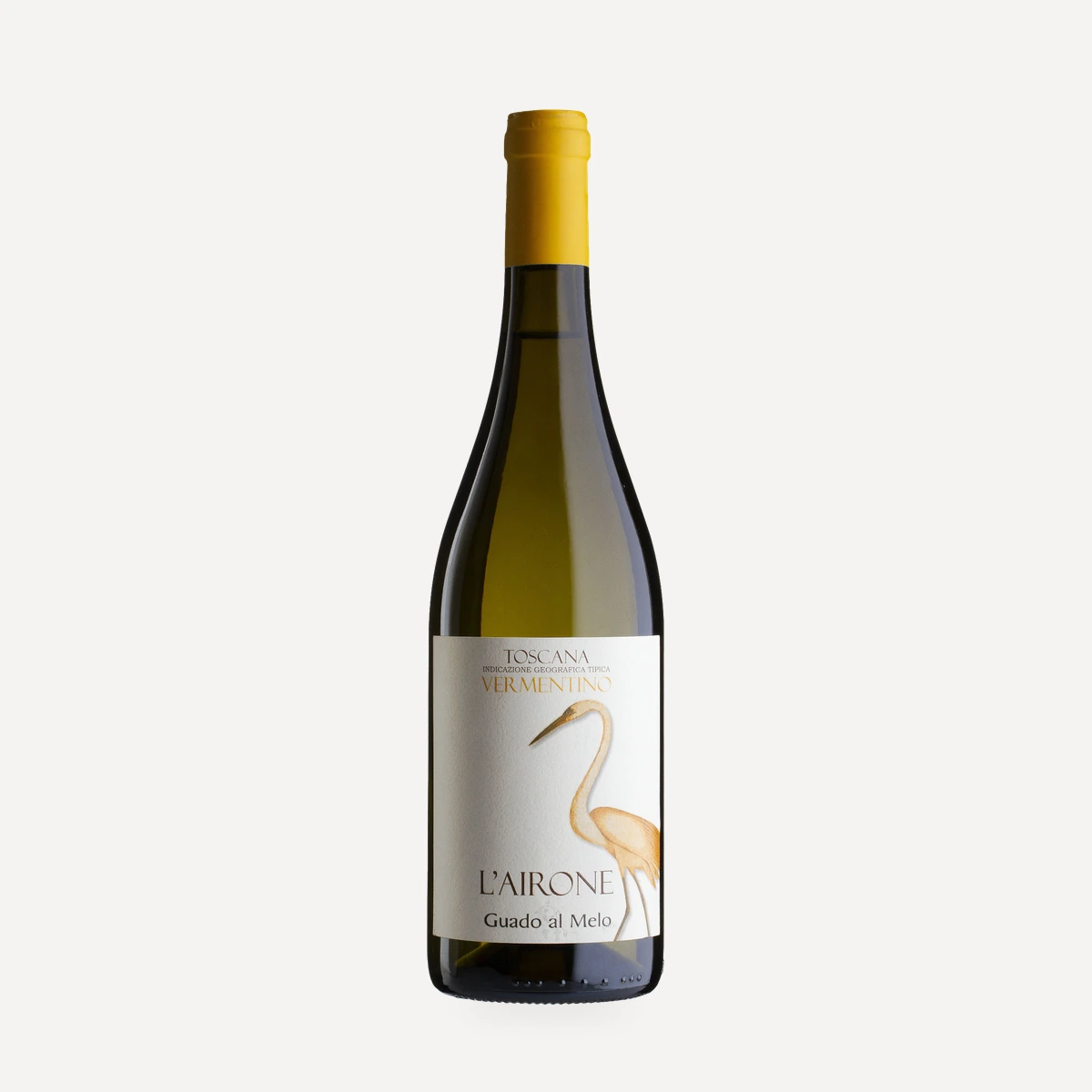
In 2008, Guado al Melo participated in the creation of Magis, Italy’s first wine-sustainability certification initiative, as a pilot estate. The family also joined the newly established FIVI, the Federazione Italiana Vignaioli Indipendenti. L’Airone Vermentino followed with its first vintage in 2010.
Continuing vineyard development
Campo Marino was established in 2014. In 2016, Campo Pietrini was planted and Gambero Rosso named Guado al Melo its Emerging Winery of the Year.
From the 2022 production, the estate entered Italy’s unified SQNPI sustainable-quality certification system. Campo Lupinaio was established in 2023 and yielded its first partial crop in 2025, at approximately 30% of its potential. Campo Ai Daini followed in 2024.
By 2026, the vineyard surface extended to 21.5 hectares, with 20 hectares described as being in production. The estate remained family-owned and managed, combining vineyard-based production, an underground cellar, a wine museum and Attilio Scienza’s specialist library.
Terroir
Setting and mesoclimate
Guado al Melo lies in the commune of Castagneto Carducci, among the hills of the Bolgheri DOC and near the Tuscan coast. Most vineyards occupy Bolgheri’s foothills, clustered around the cellar in a small east–west valley. Woods, Mediterranean scrub and olive groves surround the parcels.
The climate is Mediterranean, with mild winters and hot, dry summers moderated by breezes from the Tyrrhenian Sea. Rain is concentrated principally in winter and spring, while the main dry period can extend from May or June until September. The foothill position has the coolest average temperatures in the denomination and its greatest summer day–night temperature range. The surrounding relief also shelters the vineyards from the cold Tramontana and Grecale winds that can produce early-spring frost closer to the coast.
Long-term conditions have shifted: annual rainfall was approximately 600 mm in the 1990s but has stabilized near 800 mm in subsequent decades. Annual precipitation approached 1,400 mm in 2024, and 2025 was again close to that level, with most rain falling between late autumn and spring. The greater winter and spring water reserve supports vines during the dry summer and helps prevent excessive concentration.
Alluvial geology
The Fossa di Bolgheri runs around the vineyards and supplied the ancient alluvial debris from which their soils developed. The profiles are deep to very deep, naturally low in fertility, well drained and commonly rich in pebbles. Their depth allows broad root development and helps the vines withstand Mediterranean water stress. Textures are principally medium or light.
Three mapped soil units occur within the estate:
- Le Porcarecce: very deep, calcareous clay-and-sand soils on old alluvial terraces, moderately well drained, with pebble content ranging from low to abundant. Stonier and more clay-rich zones occur within the unit.
- Castagneto: deep, fine sandy-clay soils on terraces and hill slopes. They are non-calcareous, with medium to abundant pebbles and some more clay-rich zones.
- Greppi Cupi: very deep, non-calcareous sandy soils developed over an old dune and hill slopes, with few pebbles.
The combination of valley position, maritime ventilation, nighttime cooling, deep alluvial profiles and small variations in texture creates distinct micro-zones. Vineyard parcels are therefore managed and vinified separately rather than treated as a uniform block.
Vinificazione
Parcel-based vineyard design
The vineyards are treated as complex ecosystems rather than isolated monocultures. Soil, microclimate, variety, rootstock, spacing, training system and intended wine are considered together when a parcel is created. Average planting density is approximately 8,000 vines per hectare, intended to keep production per vine in balance.
Spurred cordon and Guyot are used according to variety and site. Historical demonstration vineyards preserve three much older systems: the Etruscan-style vine “married” to a tree, the Egyptian tunnel pergola and the ancient Greek bush vine.
Soil cover and nutrition
Spontaneous grass cover is maintained because it regulates the water and nutrient balance. During cooler seasons it absorbs excess water and nutrients and limits erosion and stagnation; in the Mediterranean summer it dries naturally. The diverse meadow provides habitat for beneficial microfauna, reduces tractor passes and fuel use, and avoids unnecessary soil compaction. Soil is tilled when conditions require it, and green-manure vegetation can serve as fertilizer.
Organic matter comes primarily from the vineyard itself. Grass cuttings, pruning wood, stalks and other plant remains are mulched or shredded in place, creating compost that returns nitrogen, calcium and potassium. High biological diversity supports mineralization and nutrient distribution. Mineral fertilizer is used only where and when a demonstrated need exists.
Agroecology and biodiversity
The small parcels alternate with hedges, olive trees, fruit trees and woodland. Plantings include local Mediterranean species such as cistus, rosemary and lavender as well as maples, oaks, cypresses, figs, apricots, peaches, plums and pomegranates. These structures connect the vineyards to surrounding habitats as green corridors. A low, wide-mesh perimeter fence limits wild-boar damage while permitting smaller fauna to pass.
Spontaneous vegetation, woodland edges and low-impact management support useful insects, mites, fungi, bacteria, mycorrhizae and earthworms. Their roles include decomposing organic matter, improving mineral and water availability, maintaining soil porosity and helping contain vineyard pests. The estate has studied vines trained to field maples for several years as an especially developed form of association between vines and other plants.
Plant protection
The well-ventilated Mediterranean environment normally limits disease pressure. Protection follows integrated-viticulture principles: biological control receives priority, while pruning, canopy management and other agronomic prevention reduce the need for treatments. Any defensive products are applied minimally, selectively and only where necessary, using biodegradable or low-impact materials. Vineyards and finished wines are checked for the absence of unwanted residues.
Pruning, canopy and crop balance
Winter pruning is carried out manually, vine by vine. Bud numbers are adjusted to avoid both excessive crop loads and excessively vigorous vegetative growth. From spring onward, shoots are positioned and the canopy is managed to balance photosynthesis, vegetative demand and ripening.
Shoot tips are trimmed when required to contain apical growth and encourage young lateral leaves capable of supporting the vine during summer ripening. Timing varies with parcel, variety and season.
Crop level is controlled through winter pruning and, where necessary, bunch thinning. Low yields are sought, but not indiscriminately: in very hot conditions an excessively small crop can ripen too rapidly, resulting in imbalance and excessive potential alcohol. Leaves normally shade bunches from intense Mediterranean sunlight and sunburn. Selective leaf removal may be used in humid seasons to improve ventilation and reduce rot or mold risk.
Harvest
Harvest timing is decided separately for each variety, wine style and homogeneous micro-zone. Grapes are tasted daily as maturity approaches and assessed for sugar, acidity and polyphenols. Each parcel is harvested and selected separately, then processed promptly to limit deterioration.
The estate also maintains experimental varieties from arid regions, drought-resistant rootstocks combined with its principal varieties, and disease-resistant varieties under evaluation for their response to the local terroir. Experimental grapes are vinified in small samples over multiple seasons because meaningful vineyard research requires long observation periods.
Certification and resource management
Integrated viticulture has been practiced since the foundation of Guado al Melo. The estate joined the Magis pilot certification initiative in 2009 and adopted the national SQNPI — Sistema di Qualità Nazionale di Produzione Integrata standard from the 2022 production. Valoritalia independently controls the vineyards and cellar and issues the certification.
Rainwater is collected and reused, reducing potable-water consumption by at least 40%. Cellar wastewater is treated in a biodigester. The underground building lowers energy requirements by at least 70% compared with an equivalent above-ground cellar, while daylight reaches principal working areas through skylights and patios.
Underground bio-architecture cellar
The permanent cellar was constructed in 2004–2005 and lies completely underground beneath a low hill planted with olive trees and Mediterranean vegetation. The earth naturally maintains cool temperatures and moderate humidity, reducing the need for artificial conditioning and saving at least 70% of the energy required by an equivalent above-ground building. Skylights and patios bring daylight into frequently used working spaces. Rainwater is collected and reused, while wastewater passes through a biodigester.
Lot selection and reception
Winemaking is organized around small lots from vineyard micro-zones with homogeneous characteristics. Some are varietal lots; others are designed field blends whose varieties are harvested together and co-fermented to create interactions not obtainable by blending finished wines.
Harvested grapes are selected before processing. Red grapes pass through a gentle destemmer-crusher, after which berries and juice enter fermentation tanks. White grapes are destemmed and pressed softly. White must is cleaned by natural settling in cool conditions overnight before being transferred to another tank.
Fermentation and extraction
Alcoholic fermentation is guided to proceed slowly and evenly. A diverse population of fermenting organisms is encouraged during its first stage to promote complexity. Brief aeration is supplied when yeast needs oxygen. Fermentation generally lasts about one week and finishes naturally.
Red-wine maceration occurs during fermentation. Its duration is adjusted to grape variety, intended wine style, parcel and vintage rather than following a fixed recipe. Pigments, aromas, aromatic precursors and tannins are extracted from the skins.
The cap is managed gently. Small vats receive manual fulling with a long pole, while larger vessels are pumped over. Frequency varies by fruit condition, vintage and wine. The moment of drawing off is determined by tasting the tannins. Free wine is removed slowly from the bottom, and pomace is pressed gently to recover the remaining quality fraction before being sent to a distillery for grappa.
Maturation
White wines mature on their lees in their fermentation vessels with frequent stirring. Natural low-temperature settling clarifies the wine. The young white matures for about four months, while the age-worthy white remains for approximately one year.
Red wines intended for wood remain in 225- or 500-litre barrels for approximately eight months to two years, depending on style. The barrels are not new, limiting overt wood and vanilla aromas. They are kept in the coolest, most humid part of the cellar to reduce evaporation, monitored continuously and topped up when necessary.
Red wines traditionally mature on fine fermentation lees. Every barrel is stirred at least weekly and tasted regularly; signs of reduction are addressed with aeration. Toward the end of maturation, stirring stops and the lees settle. The wines are clarified through gentle rackings rather than filtration. A wine may be racked five or six times—or more—according to its condition, and a small natural deposit may consequently remain in bottle.
Assemblage, sulphites and bottle rest
Each barrel preserves the development of one parcel lot containing one or several varieties. Final assemblage is made by tasting, combining these lots to build the finished expression. The blend then rests for several months in tank so its components can integrate naturally.
Sulphite additions are kept low and the final amount is determined at bottling. The finished wine is checked for unwanted residues. Following bottling, wines rest horizontally for periods ranging from three months to several years. A short rest allows young wines to recover from bottling, while longer maturation softens tannins, tempers acidity and develops aromas.
Filosofia
Guado al Melo’s central objective is to produce wines that express their place—the Genius Loci, or spirit of the site. Each wine is intended to represent a micro-zone, a variety, a vineyard tradition or a particular stage in the estate’s history.
The family defines artisanal production as an adaptive practice without a fixed recipe. Decisions change with the vintage and each lot and are based principally on tasting supported by analysis. Intervention should be technically precise but leave the character of the grapes and territory as intact as possible. Neutral tools, small separate lots, used rather than new barrels, natural settling and clarification by racking all serve that aim.
This approach begins in the vineyard. Healthy, balanced grapes harvested at the appropriate maturity make it possible to avoid corrective chemical or physical processes that would alter the wine’s nature. Terroir expression is therefore inseparable from soil vitality, biodiversity, balanced yields and detailed knowledge of each vine and parcel.
Sustainability is understood as preserving resources for future generations while maintaining environmental, economic and social viability in the present. The estate combines established traditions with innovations that have demonstrated effectiveness and low environmental impact. Its model includes integrated pest management, resource efficiency, worker safety and training, respect for the agricultural landscape and the preservation and communication of wine culture.
Research remains open-ended because vines, microorganisms and vintages are living and continually changing systems. Internal trials and collaborations with universities and research centers examine varieties, rootstocks, climate adaptation and resistant vines. The historic field blend and vine trained to a living tree are treated not merely as relics but as practices capable of informing contemporary viticulture.
Vini
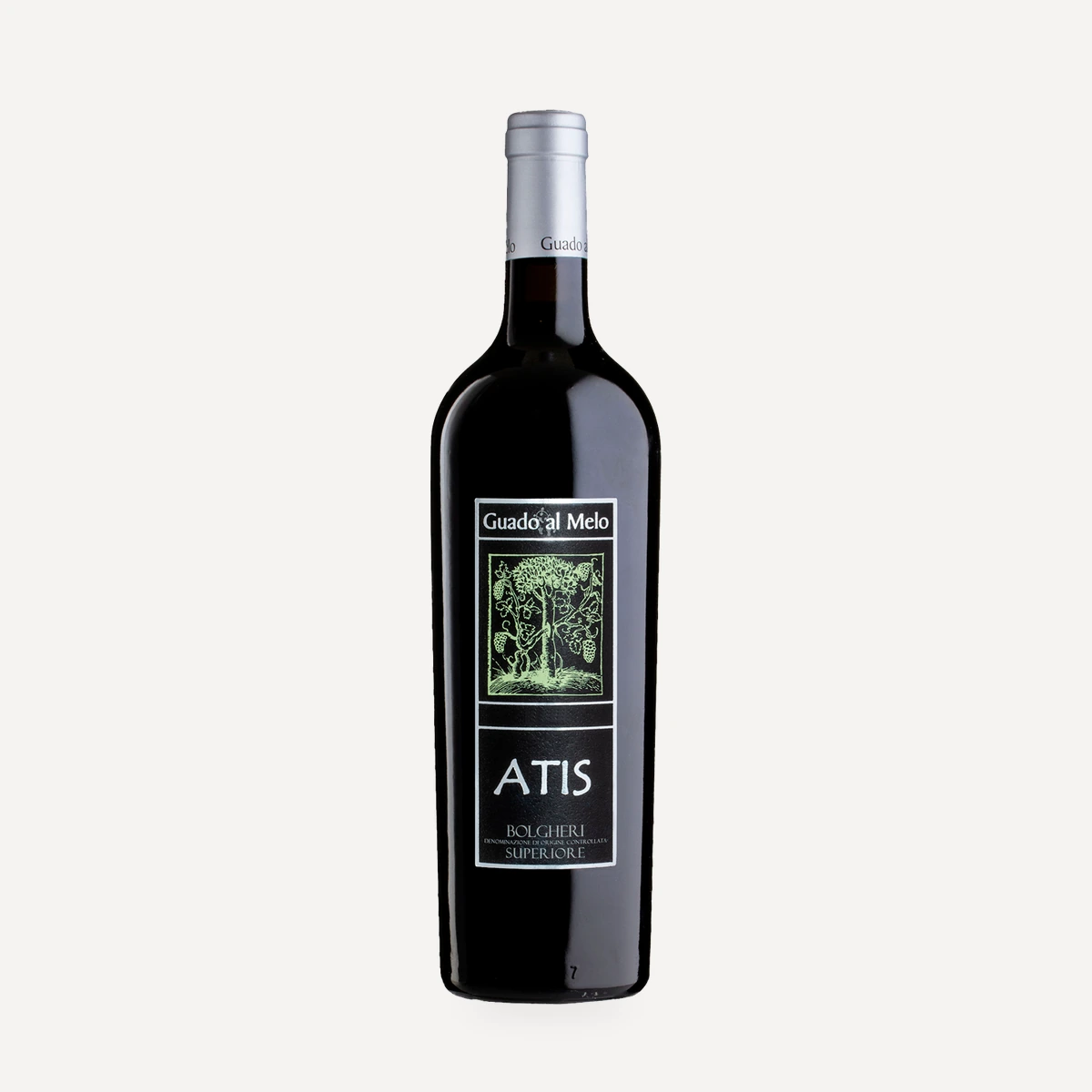
Atis Bolgheri Superiore DOC
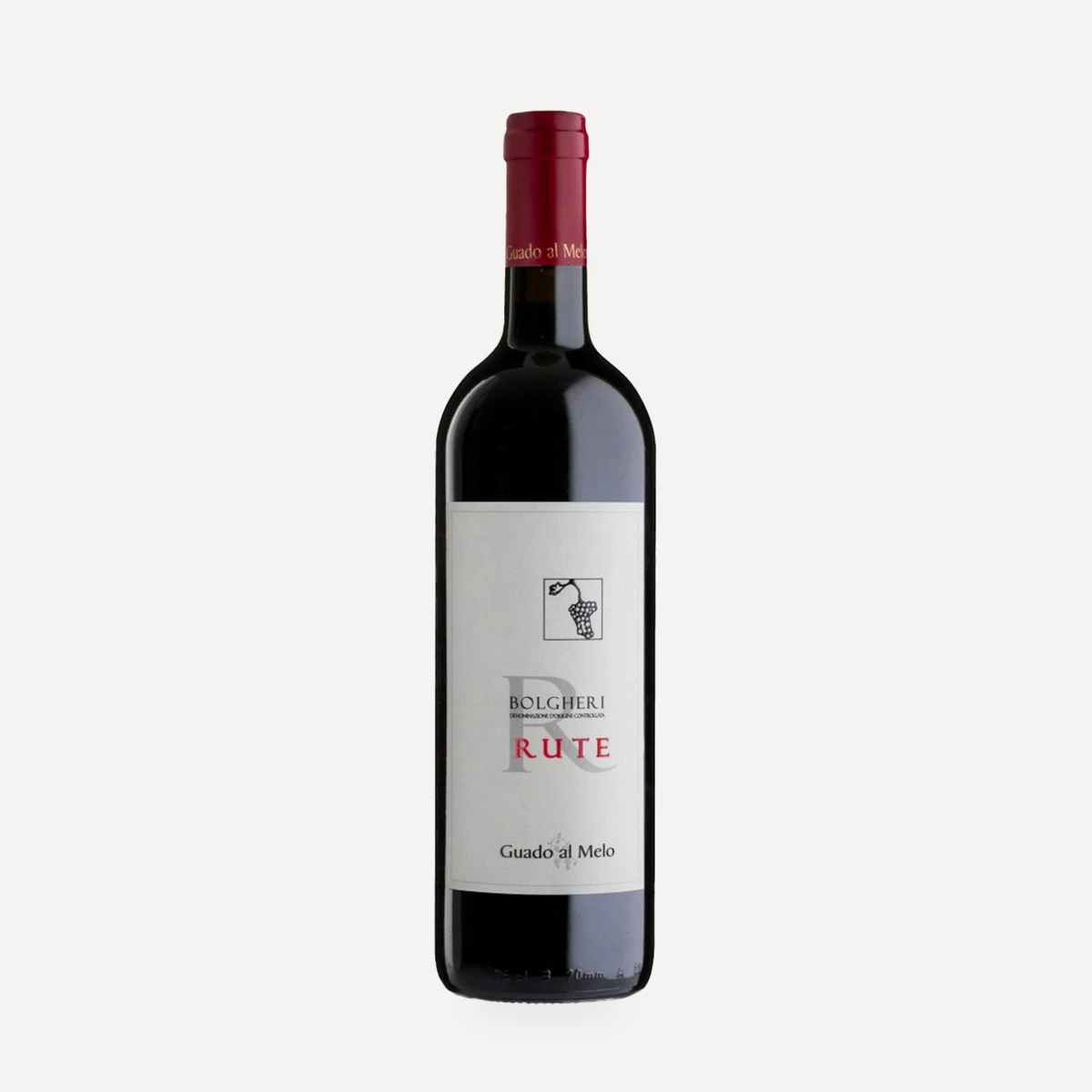
Rute Bolgheri Rosso DOC
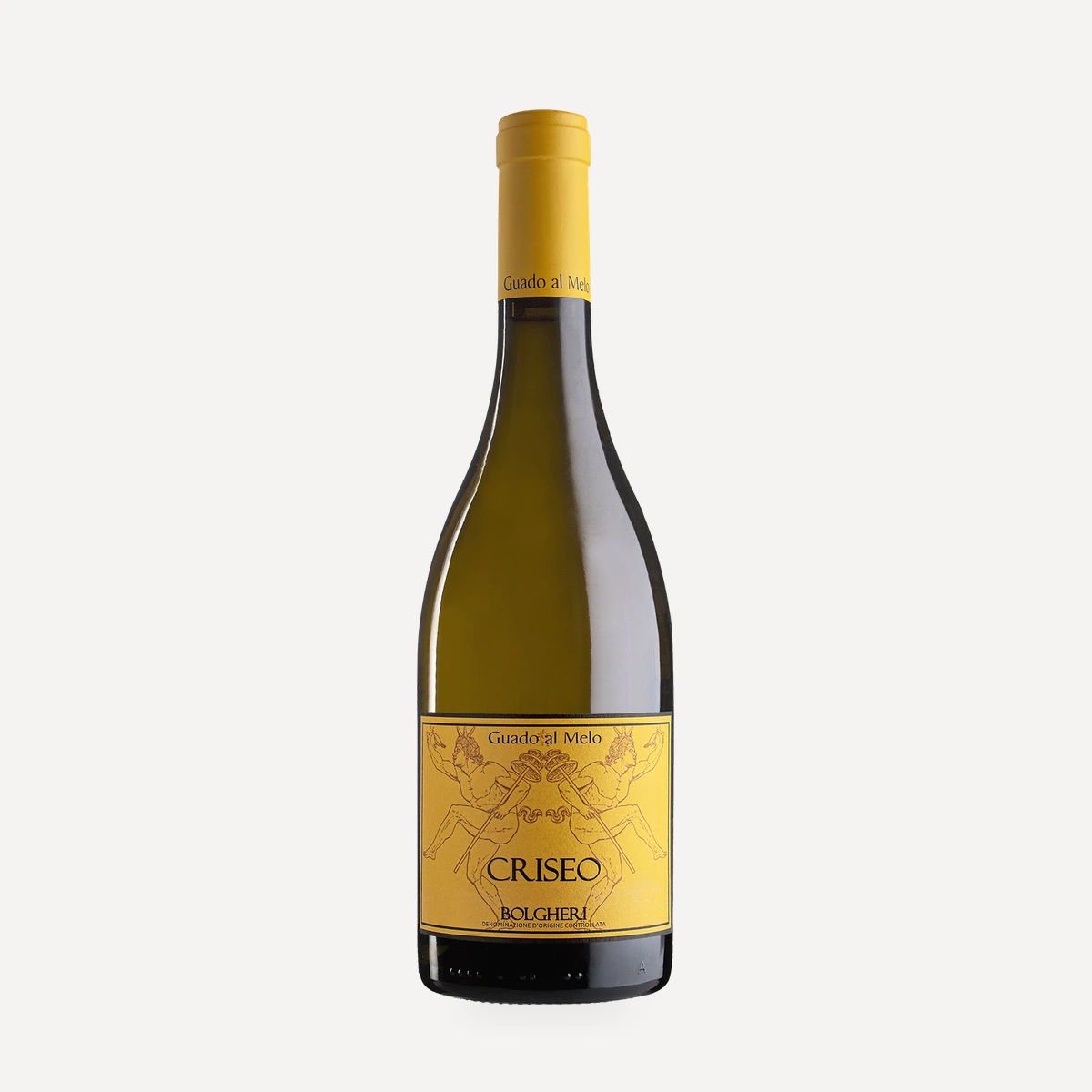
Criseo Bolgheri Bianco DOC
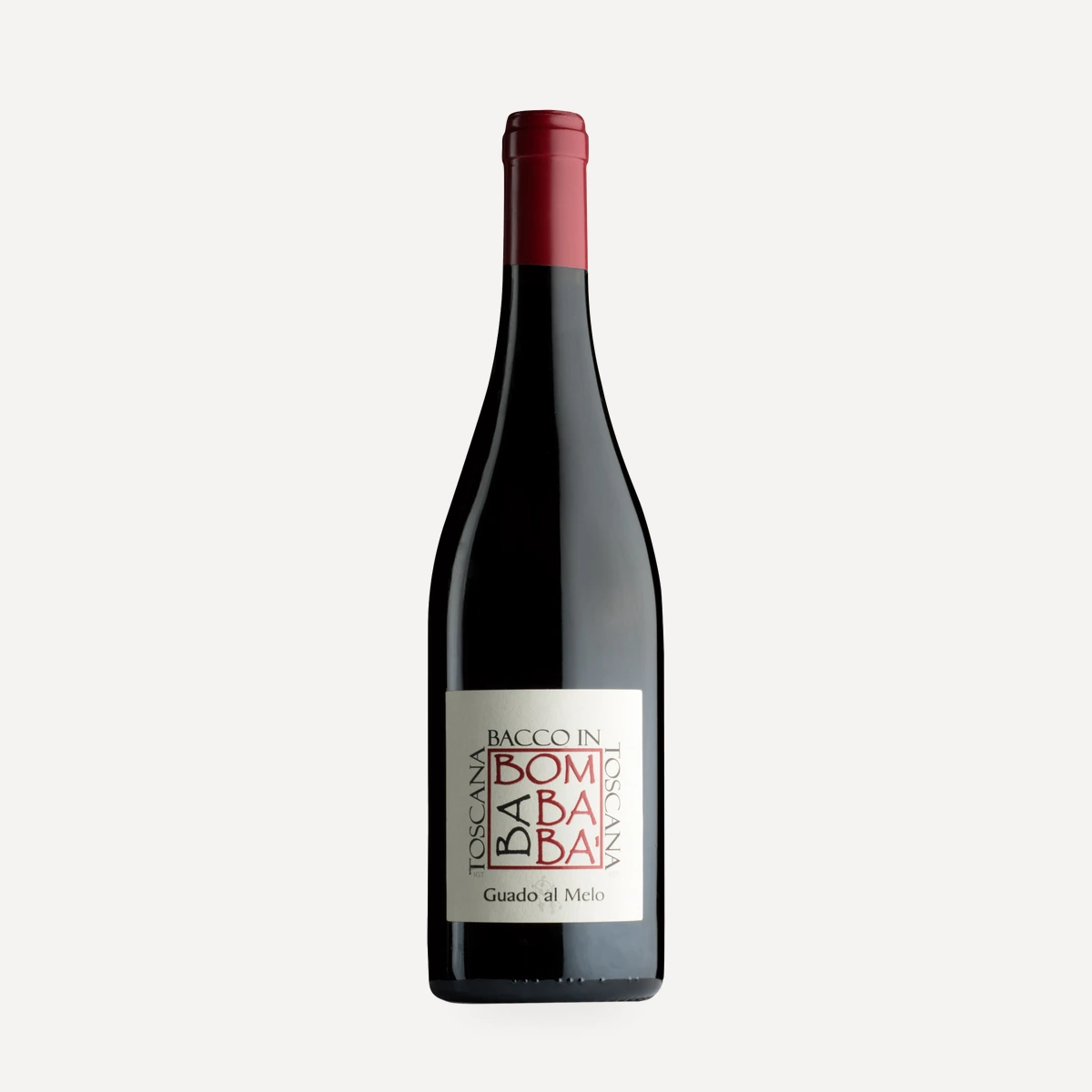
Bacco in Toscana Toscana Rosso IGT
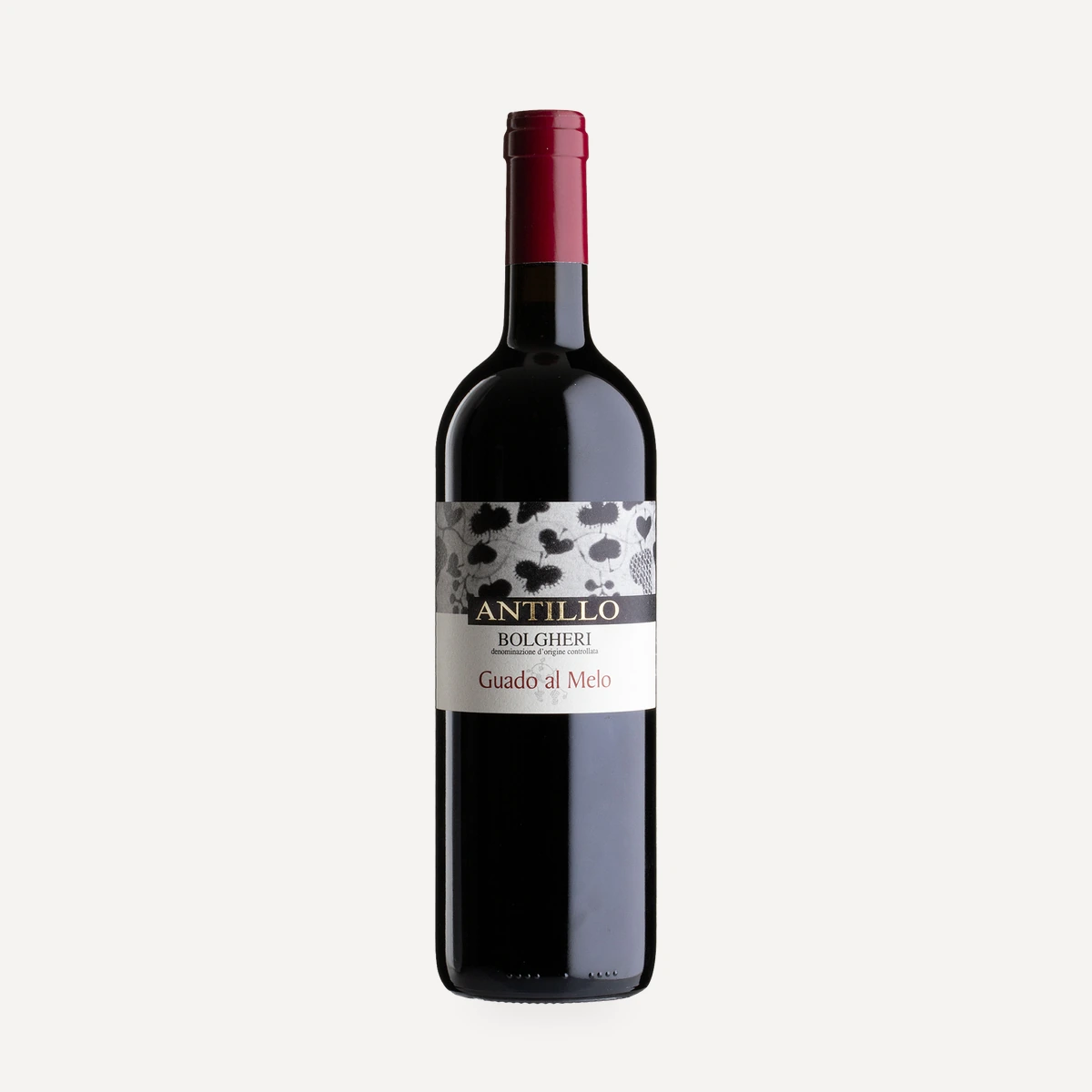
Antillo Bolgheri Rosso DOC
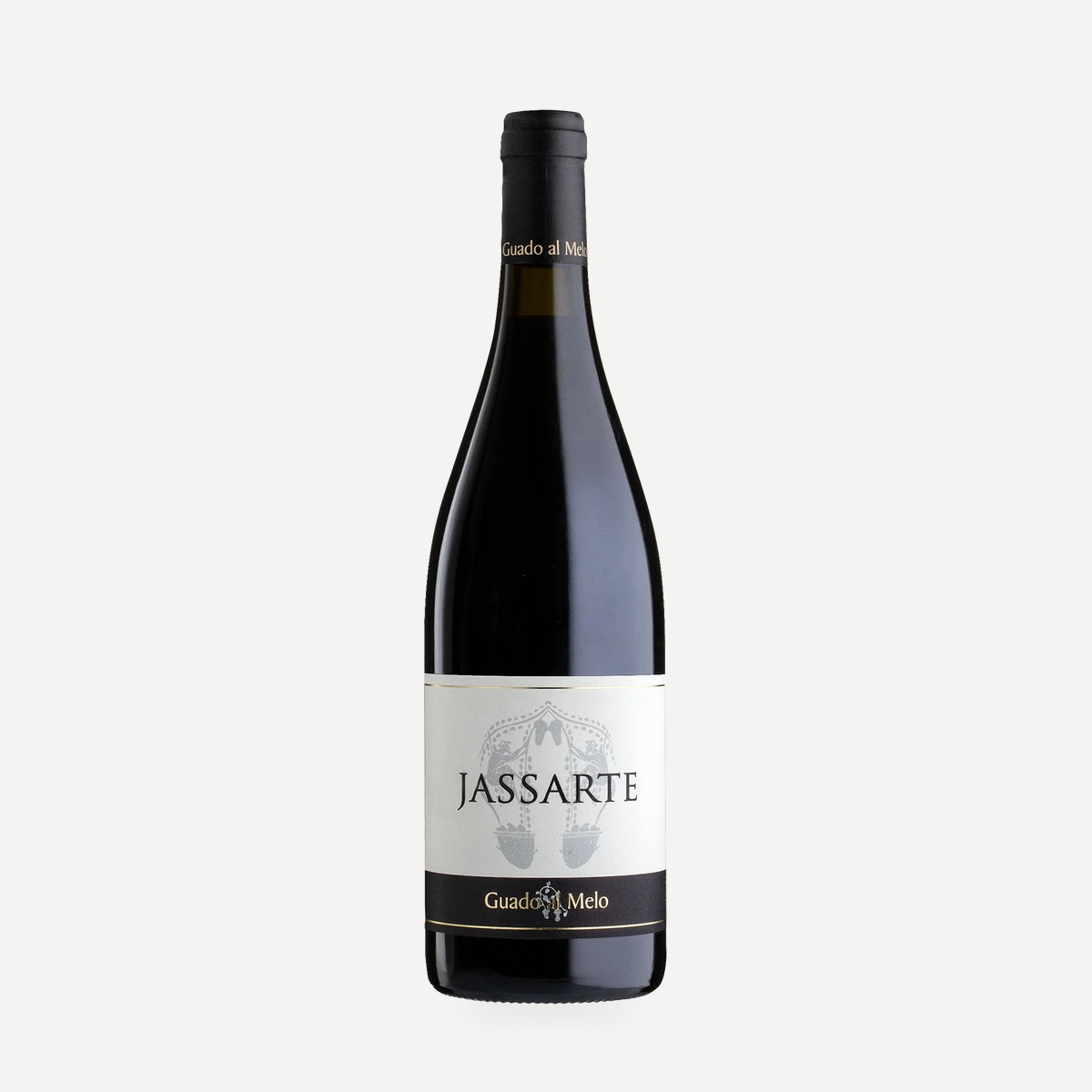
Jassarte Toscana Rosso IGT