Storia
Origins and first releases
The earliest released vintages identified within the present range are the 2003 Calderara Sottana and the 2005 Etna Rosso and Etna Bianco.
2006 — creation of Le Vigne di Eli
Marco de Grazia established Le Vigne di Eli in 2006. He conceived the small estate as an affectionate project for his young daughter, Elena, selecting small vineyards between Castiglione di Sicilia and Randazzo on Etna’s northern side.
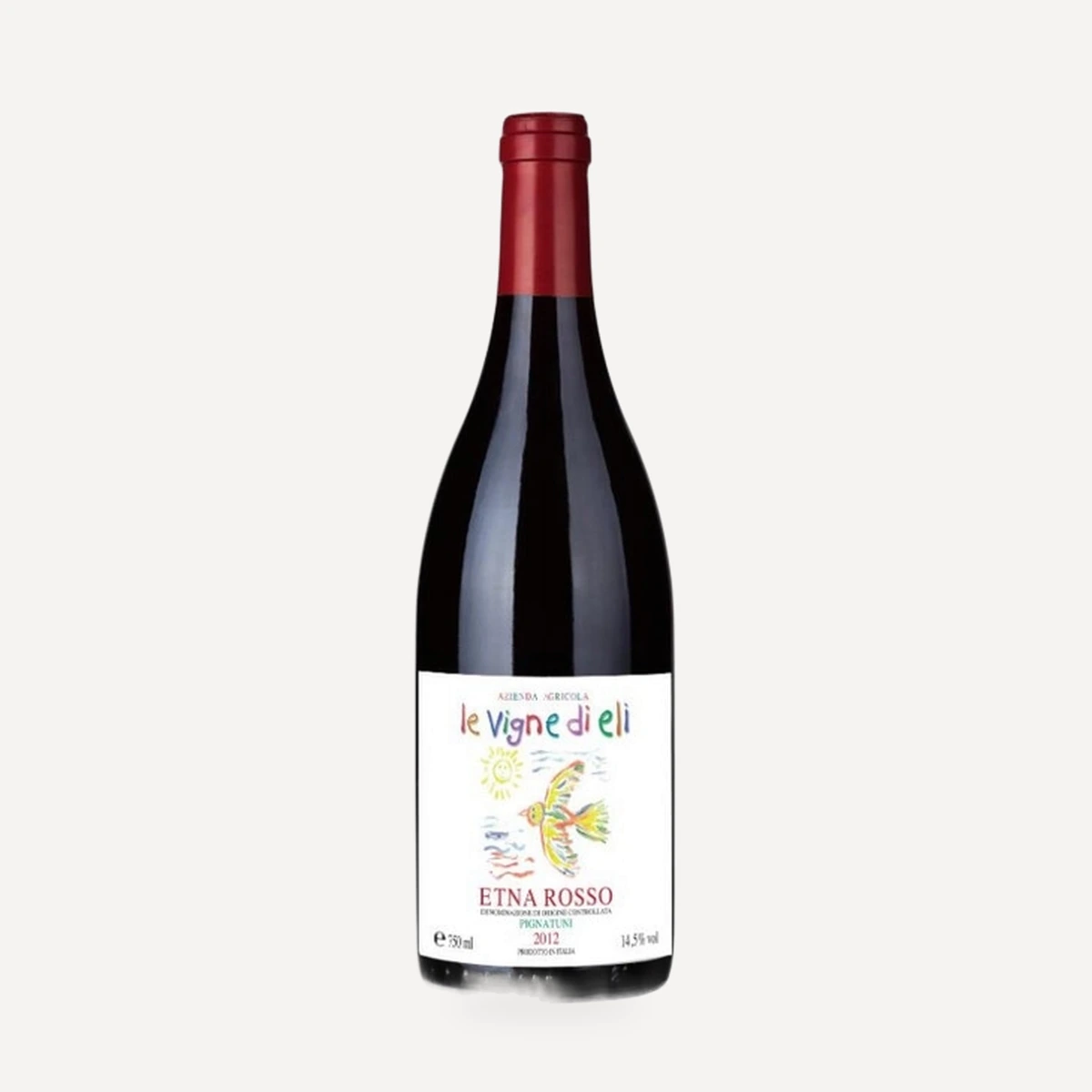
Elena became the project’s muse and visual author. From the beginning, she embraced the idea of making special drawings for the bottles and continued creating labels that change with every wine and vintage.
The family subsequently connected the project with support for disadvantaged children. A significant share of its proceeds has since been donated to the Fondazione Ospedale Pediatrico Meyer in Florence.
2007 — Moganazzi
In 2007 Marco de Grazia found a very small parcel for sale in Moganazzi and purchased it without hesitation. The parcel’s limited scale—described in the later English presentation as sufficient for only three barriques—helped prompt the decision to dedicate its wine to the charitable initiative associated with Meyer pediatric hospital. The first released Moganazzi-Voltasciara vintage followed in 2008.
Expansion and integration
As successive vintages developed greater character, complexity, freshness, elegance and ageing capacity, Marco de Grazia selected and purchased additional high-quality parcels to make annual production more dependable.
Le Vigne di Eli eventually became an integral, separately identified segment of the Tenuta delle Terre Nere brand. Its range now comprises four wines and totals approximately 8,000 bottles per year, made from indigenous Etna varieties cultivated under certified-organic management.
Terroir
Le Vigne di Eli is centred on small vineyards around Castiglione di Sicilia and Randazzo, principally on Etna’s northern slope. Fruit used across the range comes from elevations of approximately 600–1,000 metres above sea level, while white-wine sources also encompass Etna’s southern and eastern slopes.
The vineyards stand on volcanic soils, but the named sites show distinct structures. Moganazzi lies at 700–750 metres. Its soil is deep, soft and dark, with volcanic ash, black pumice and small stones in the upper metre; below it is a deep rocky layer composed of volcanic pumice and basalt.
Calderara Sottana lies at 600–650 metres on the northern slope. Its shallow volcanic soil is exceptionally stony, with black pumice, solid volcanic rock and abundant coarse material. It is characterised as the stoniest contrada on the northern side of the Etna appellation.
The white-wine sources span multiple aspects and elevations. The broadest description places them on Etna’s north, south and east slopes between 600 and 950 metres, allowing distinct sites to contribute their individual characteristics.
Vinificazione
All four wines are produced from indigenous Etna varieties cultivated under certified-organic management.
Red varieties are grown as traditional alberello, modified alberello and alberello converted to espalier. White varieties are likewise trained as alberello or modified alberello. Vine ages span from young plantings of about five years to Calderara Sottana vines exceeding 100 years.
Reported yields are approximately 5–6 tonnes per hectare for the estate-vineyard Etna Rosso, 5 tonnes per hectare in Moganazzi and 6 tonnes per hectare in Calderara Sottana. White-wine vineyards yield approximately 6–7 tonnes per hectare. White grapes are harvested in the final part of September; the red harvest runs through the first and second ten-day periods of October, with Moganazzi normally picked in the second period.
Production totals approximately 8,000 bottles annually across four wines.
White grapes undergo gentle pressing followed by cold static settling. Alcoholic fermentation takes place in stainless-steel tanks at a controlled 13–15°C, with bottling once the wine is ready.
Red-wine alcoholic fermentation is temperature controlled. The estate-vineyard Etna Rosso ferments at 25–28°C; Moganazzi-Voltasciara and Calderara Sottana ferment at 28–30°C. Malolactic fermentation occurs spontaneously.
The estate Etna Rosso matures in large French-oak casks of 10–30 hl. Moganazzi-Voltasciara matures in French-oak barriques and tonneaux. Calderara Sottana has been matured in French-oak barriques, tonneaux and 10–30 hl casks, with new wood accounting for 15% in the more detailed regimen. Red wines are bottled after approximately 14 months in wood and one month in stainless steel; the estate Etna Rosso profile gives a broader 14–16 months in wood.
Filosofia
Le Vigne di Eli began as a personal project joining family affection, small parcels and charitable purpose. Elena’s changing label drawings preserve that intimate identity, while the contribution of a significant share of proceeds to the Fondazione Ospedale Pediatrico Meyer extends the project’s focus from one child to children in need.
In the vineyards, the guiding objective is to select small sites capable of expressing individual volcanic environments. The later purchase of further high-quality parcels was intended to preserve that qualitative focus while making annual production more reliable. Certified-organic cultivation and reliance on indigenous Etna varieties form part of the same site-centred approach.
Vini
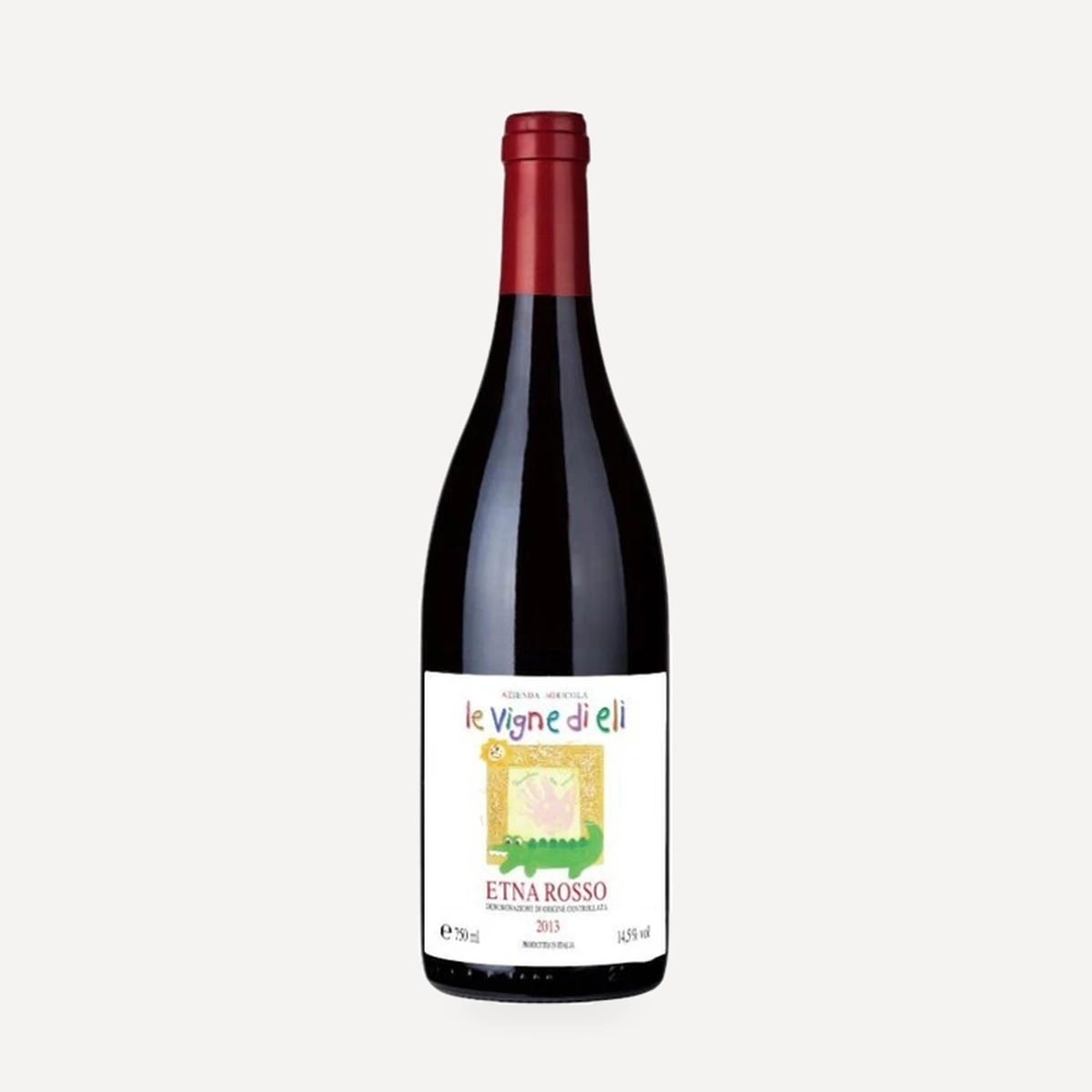
Le Vigne di Eli Etna Rosso DOC
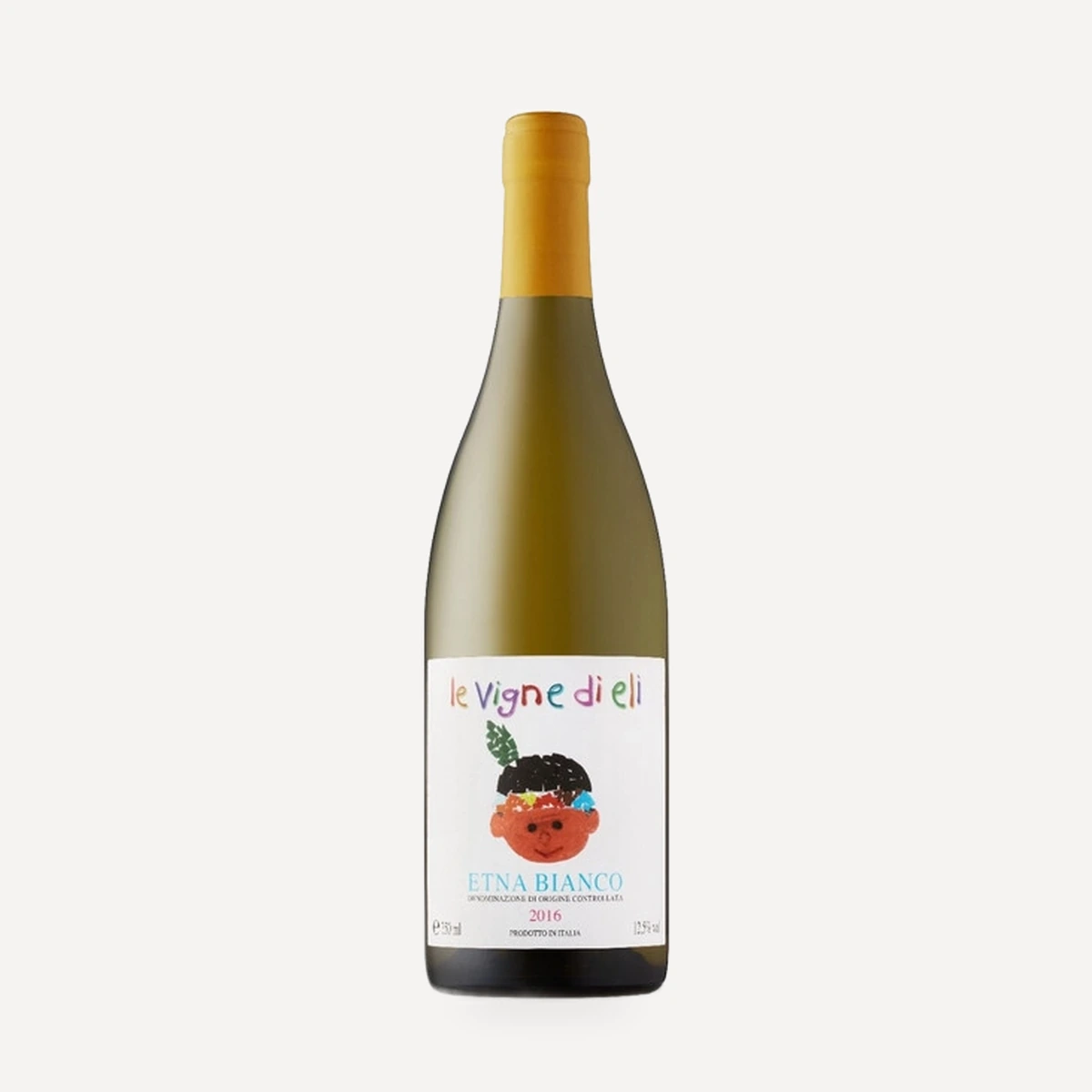
Le Vigne di Eli Etna Bianco DOC
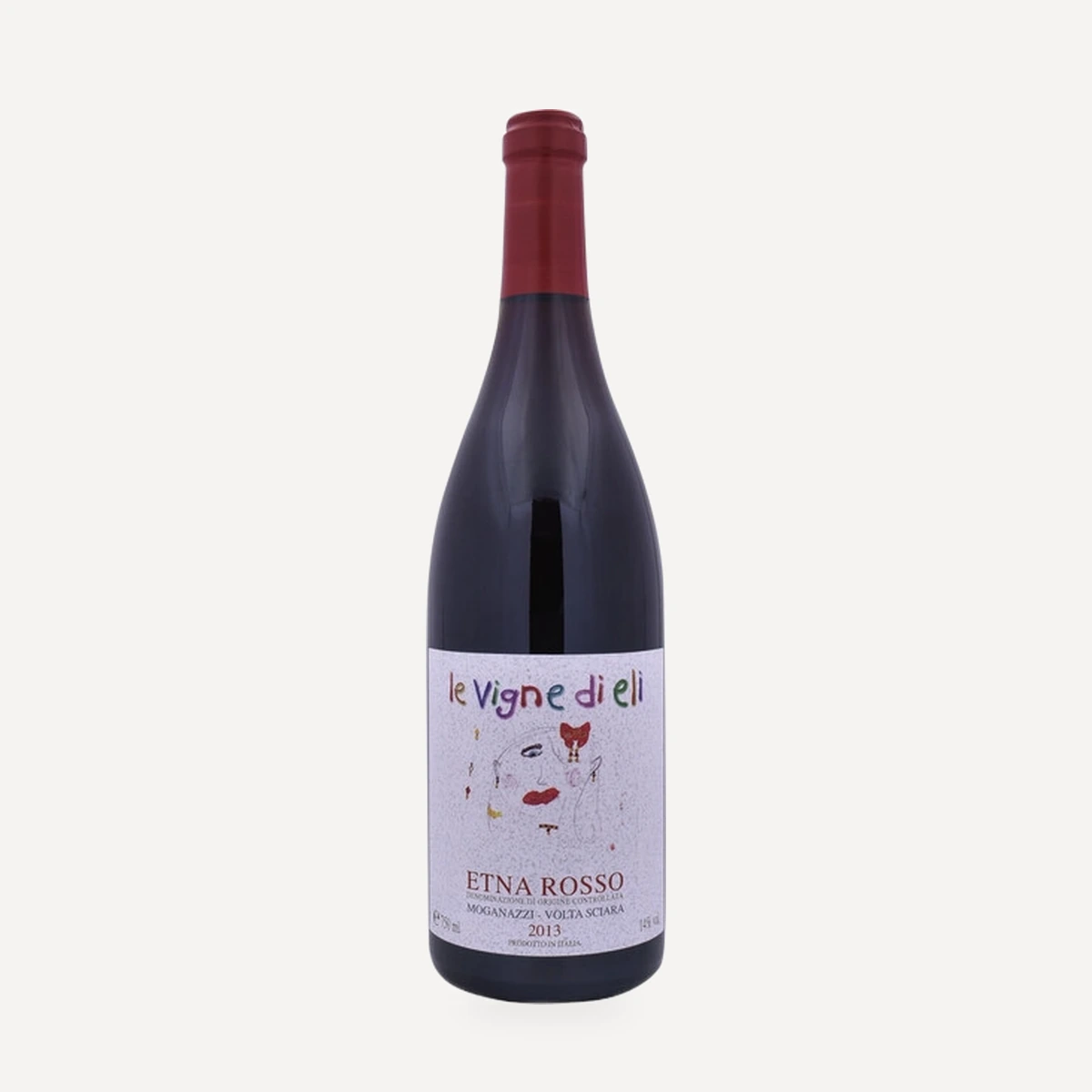
Le Vigne di Eli Contrada Moganazzi-Voltasciara Etna Rosso DOC
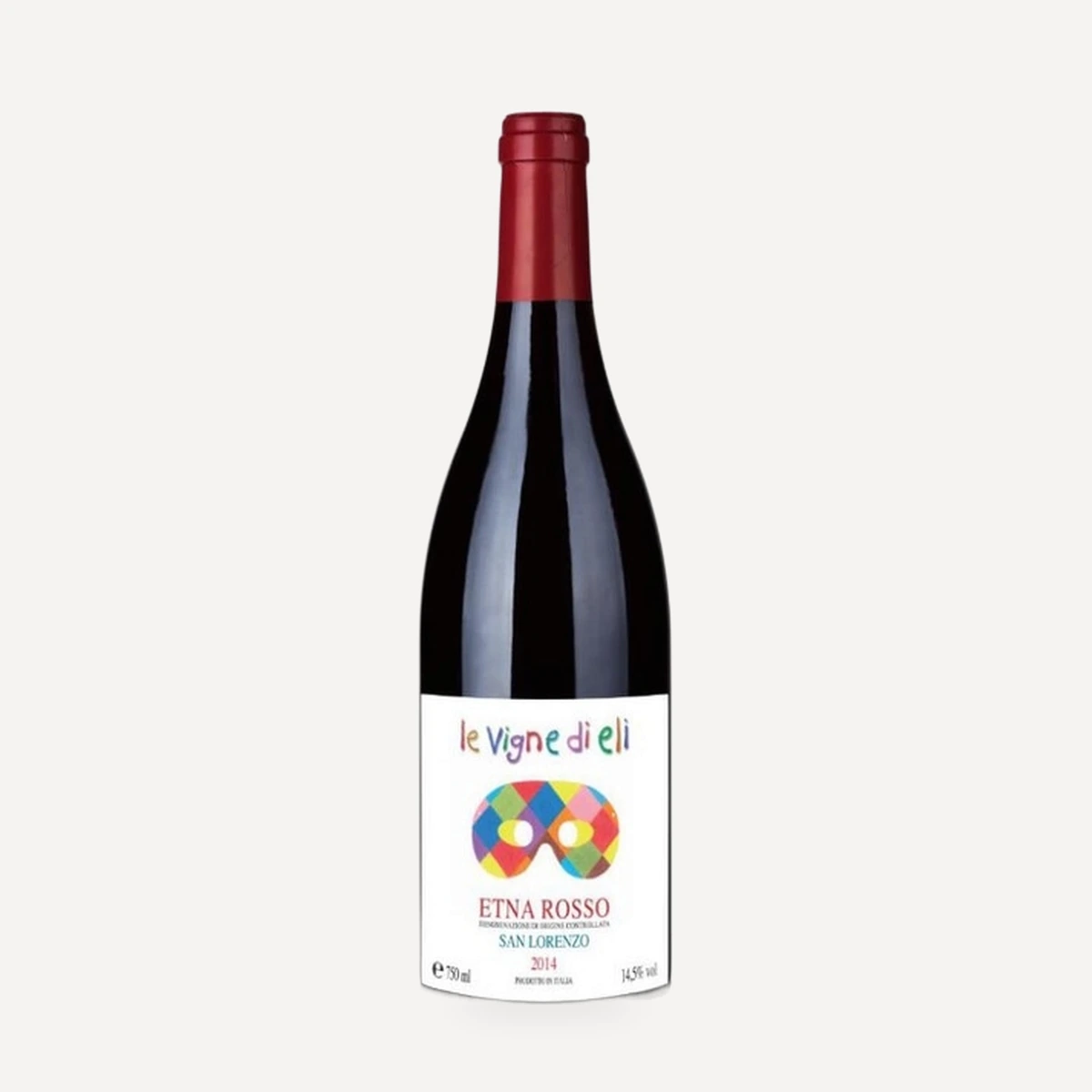
Etna Rosso San Lorenzo DOC