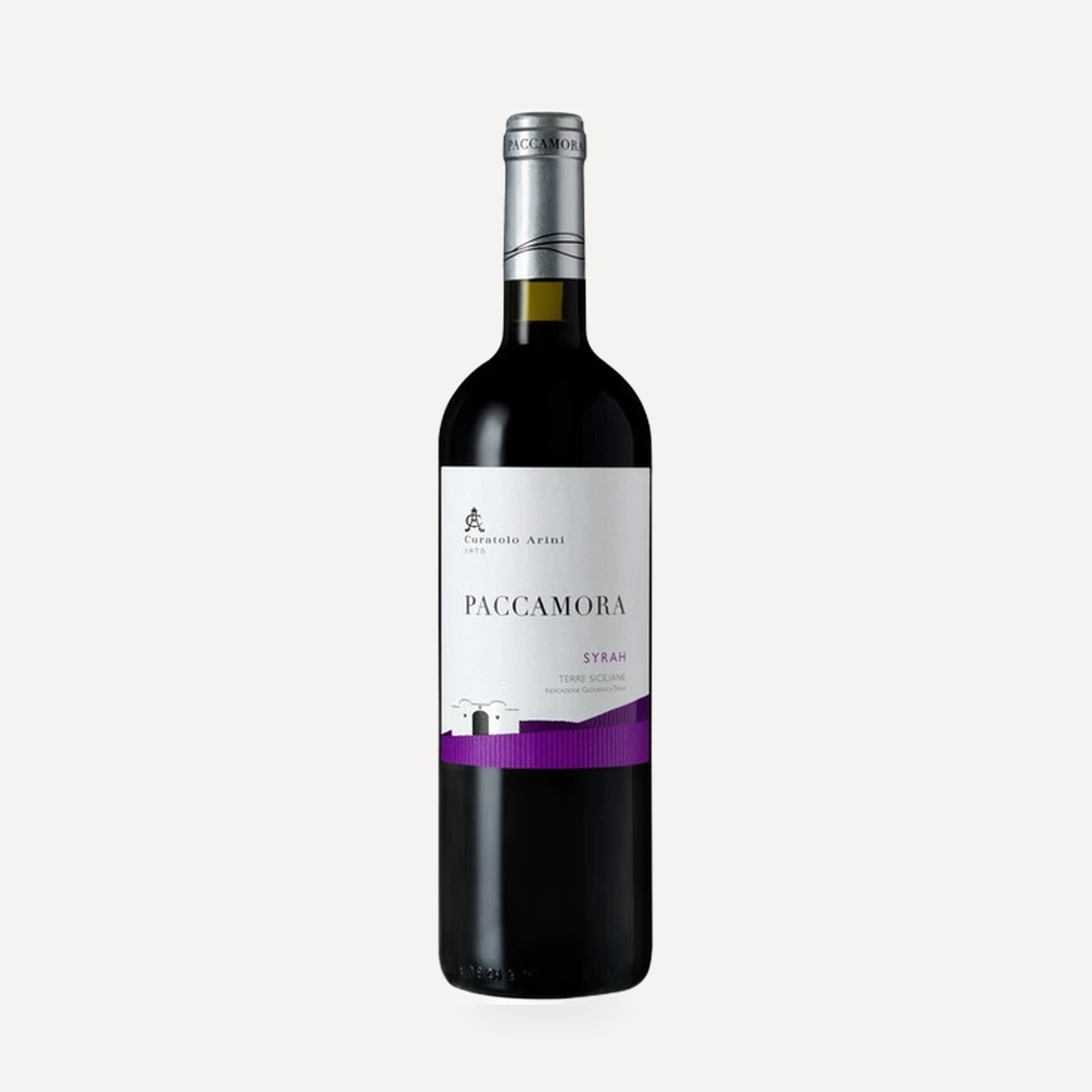
Storia
1875: foundation
Vito Curatolo Arini established the winery in 1875, building it amid his family vineyards in Marsala and converting the family’s baglio into a place for both gathering and wine production. His ambition was to make Marsala while competing through rigorous attention to quality, the cultivation of foreign markets and unusually close attention to presentation and packaging. The business was entered as number 7 in the contemporary company register.
The name Curatolo Arini joins the founder’s surname, Curatolo, with the surname of his mother, Arini. Swiss specialist Martin Schuvabenthan helped develop the potential of the family vineyards, establish Marsala production and give the business a commercial structure oriented toward exports.
1880–1890: labels and export markets
In 1880, Vito commissioned wine labels from the studio of Palermo architect Ernesto Basile, a leading figure of Sicilian Liberty style. The historic design remains in use on leading Marsala bottlings.
By 1890, Curatolo Arini was expanding abroad and had become one of the first Sicilian wineries to ship wine to Europe and the Americas. The early commercial strategy brought recognition in Chicago in 1893.
1896–1913: Rosa Curatolo and the second generation
Vito died in 1896 and control passed to his wife, Rosa. Working in a commercial world largely led by men, she introduced the company’s first organized working structures and continued the expansion of its foreign markets. Swiss collaborators M. Schuvabenthan, E. Kappler and U. Loefler assisted this development. The period brought further distinctions in Lyon in 1902, Palermo in 1903 and Argentina in 1910.
After Rosa’s death in 1913, their sons Francesco, Vito, Leonardo and Giuseppe took charge of the family business and continued its development. Awards followed in San Francisco in 1915 and Bari in 1917.
1932: modernization
In 1932, the winery purchased a 32 kW generating set powered by diesel engines. The investment made production more efficient and effective.
1970s: table wines and international consolidation
During the 1970s, the company consolidated its international expansion through a joint venture with the Canadian group Seagram. The partnership produced and distributed Tonino, a white wine intended for the British market. Support from Californian specialists associated with the Davis Wine Institute brought new oenological knowledge and accompanied the winery’s move into table-wine production.
1990s: the Monovarietal project
Collaboration with Tuscan oenologist Alberto Antonini began in the 1990s. Together they developed the Monovarietal project: single-variety wines conceived to present Sicily’s different territorial expressions in a modern form and address changing international markets.
Fifth generation
The business remains under continuous Curatolo-family management. Fifth-generation descendants Riccardo Curatolo and Alexandra Curatolo carry the founder’s project forward with the support of their respective fathers, Roberto and Sergio Curatolo. The family describes Curatolo Arini as the oldest Marsala-producing business still managed by its founder’s family.
Terroir
Curatolo Arini works across contrasting Sicilian territories selected for the affinity between individual varieties and place.
Western Sicily’s interior
Contrada Chirchiaro lies in the hills between Salemi and Vita, approximately 40 km from Marsala. Its vineyards occupy the western Sicilian interior at 500–600 m above sea level. Strong day–night temperature variation, surrounding woodland and an exposed, windy position support freshness and fragrance. The medium-textured soils contain limestone and silica, contributing to the wines’ saline and mineral character.
At Fulgatore, a few kilometres from Trapani, Contrada Sciarra Soprana lies at 200 m. Its hills descend gently toward Lake Rubino. The lake’s microclimate, relatively warm temperatures and clay-stony soils encourage ripening and concentration in the red varieties.
Coastal sites
Contrada Gagliardetta stands at 300 m on the top of a steep coast above the Gulf of Castellammare. Proximity to the sea, sandy soils rich in stones and winds that are warm in the morning and return cooler in the evening shape its microclimate.
Marsala’s coastal zone combines abundant sun and heat with constant maritime winds. These winds moderate high temperatures and dry the nocturnal humidity carried inland by the sea. Red soils and a long ripening period favor grapes with pronounced character and concentrations of aroma and sugar. The Marsala base-wine vineyards are associated particularly with the coastal districts of Triglia Scaletta and Birgi.
Mount Etna
Contrada Marchesa is at Passopisciaro in Castiglione di Sicilia, on the northern side of Mount Etna, at approximately 750 m. The volcanic ground is dominated by stones and rock, while pronounced temperature variation supports ripening. The site has eastern and western aspects.
Vinificazione
Grapes are harvested by hand. Vineyard systems vary with territory: east-facing espalier and Guyot pruning at Chirchiaro; southwest-facing espalier and Guyot at Gagliardetta; south-facing espalier and Guyot at Sciarra Soprana; and trellised, spurred-cordon Nerello Mascalese on Etna.
In coastal Marsala, most vines are trellised, while a portion retains the traditional bush system because it produces lower yields. Grillo intended for Marsala is harvested in late September, when sugar concentration is at its highest. The variety’s thick skins and natural propensity for oxidation suit the winery’s Marsala process.
Production is presented as environmentally conscious and designed to minimize its impact while preserving the character delivered by each vine. No named organic, biodynamic or sustainability certification is attached to these practices.
The baglio
The historic baglio in Marsala is both the symbolic and productive heart of Curatolo Arini. Built of local tufa and marked by its large green entrance, it developed from the Curatolo family’s gathering place into the winery established by Vito in 1875. Modern, environmentally conscious equipment is used with the stated objective of minimizing production impact and retaining the character of the fruit and vintage.
Marsala base wine
Marsala is produced only from white varieties grown in coastal sites, particularly Triglia Scaletta and Birgi, with Grillo forming the majority of the base wine. The grapes are picked by hand in late September at high sugar maturity. Extended skin maceration is used to extract tannins needed for long ageing. The resulting base wine reaches 14–16% alcohol naturally, allowing fortification with only a small addition of grape-derived alcohol to meet the required strength while preserving concentration, flavor and richness.
Concia and ageing
The concia follows recipes transmitted through generations. Its components include DOC white base wine from Grillo, Catarratto and Inzolia; grape alcohol or wine spirit; cooked DOC must concentrated over a direct wood fire; and mistella or sifone made from DOC must muted with grape alcohol or wine spirit. Their proportions vary with the intended Marsala style.
Following the concia, the wine ages in the baglio’s particular microclimate. Traditional Slavonian-oak casks are used alongside French and American oak vessels and barriques. Time, wood and cellar conditions develop the character and complexity of the Marsala. The approach combines inherited recipes and patient maturation with modern cellar technology.
Filosofia
Curatolo Arini’s philosophy is rooted in family continuity, patient work and the connection between grape variety and place. The family presents the baglio as the point from which its history, Marsala production and hospitality all begin.
Its contemporary wines are intended to express the sites and individual vintages from which they come. Vineyard locations are selected for their capacity to reveal a particular variety, while cellar intervention is framed around protecting the character carried by the grapes. Environmental respect and minimal production impact are part of that objective.
For Marsala, tradition is expressed through recipes transmitted between generations and through the belief that waiting is an essential part of production. Modern technology is accepted as a tool, but not as a replacement for inherited knowledge, slow maturation or the distinctive cellar microclimate.
The Monovarietal project introduced in the 1990s represents the complementary, outward-looking side of this philosophy: translating Sicily’s varieties and territories into modern wines capable of addressing new markets without severing the link to origin. Family tradition, pride in Sicily, product quality and international engagement remain the recurring principles.
Vini
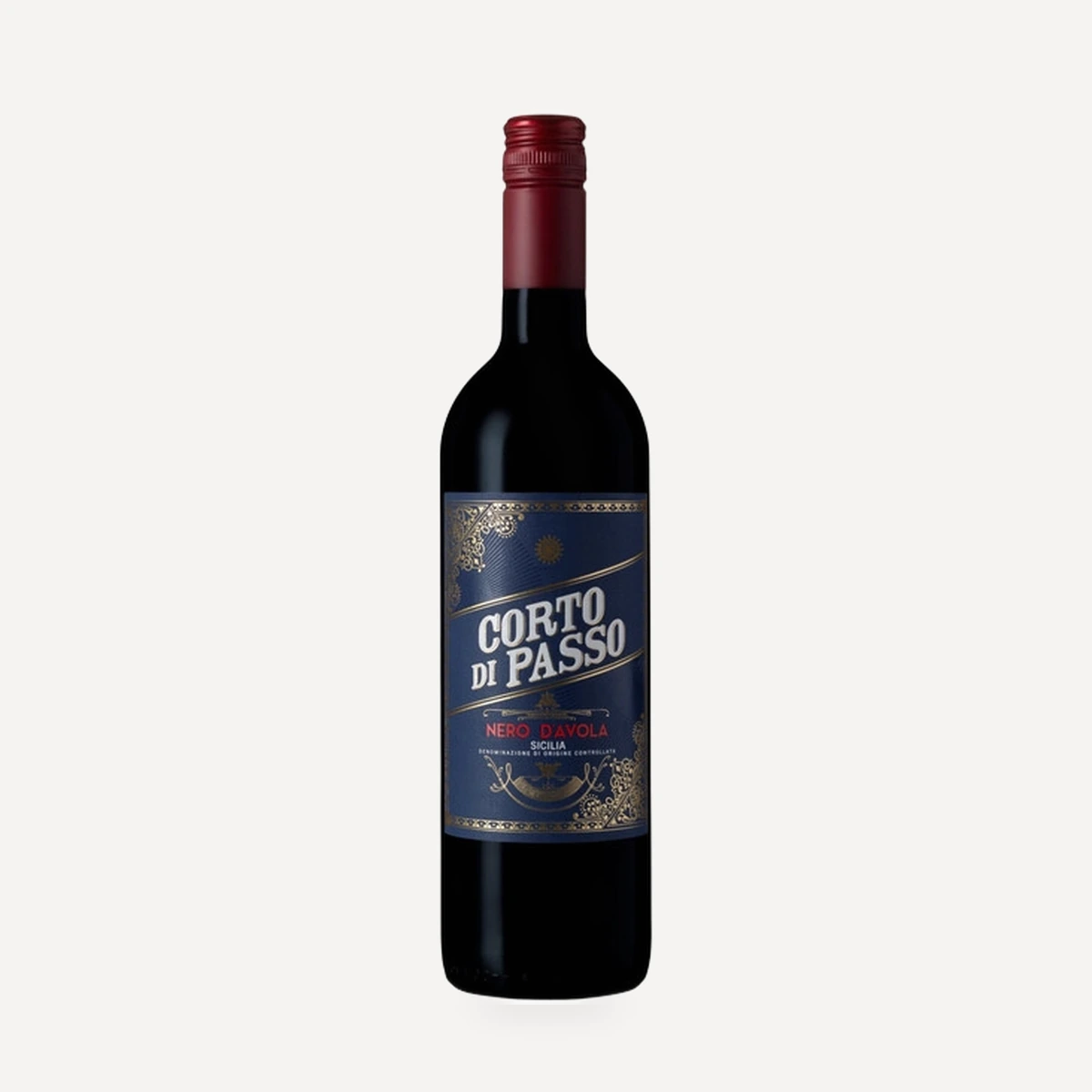
Corto di Passo Nero d'Avola Sicilia DOC
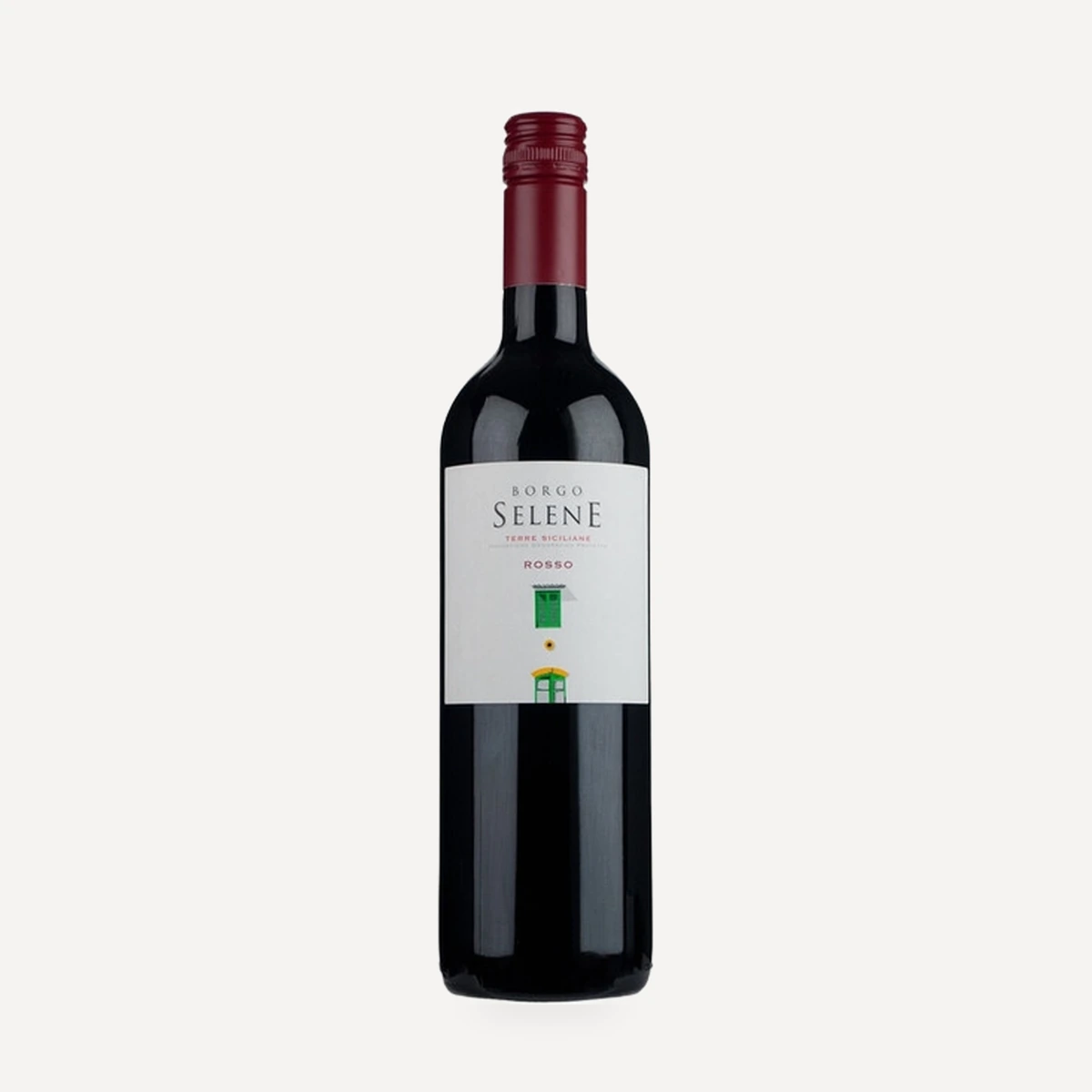
Borgo Selene Rosso Terre Siciliane IGP
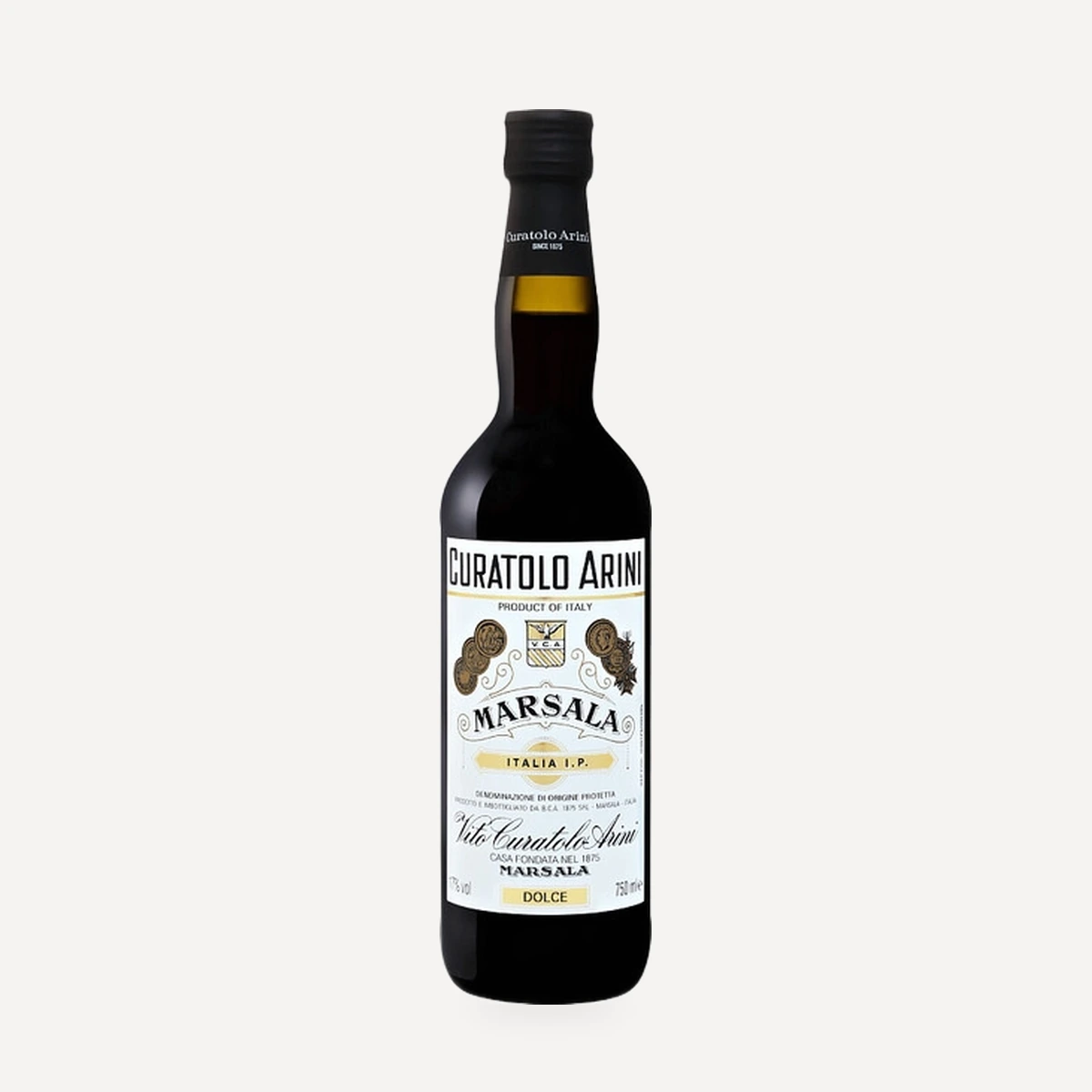
Marsala Dolce
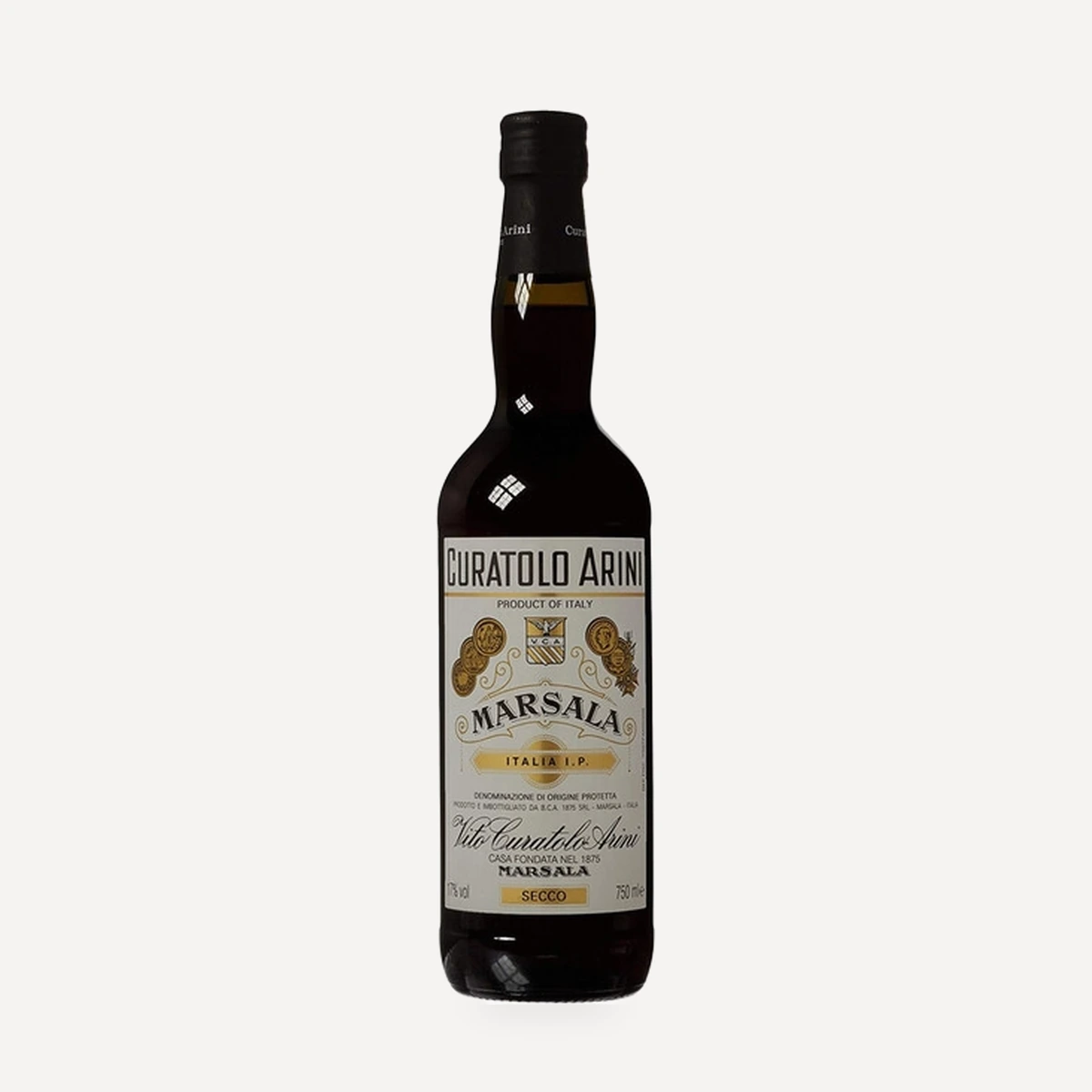
Marsala Secco
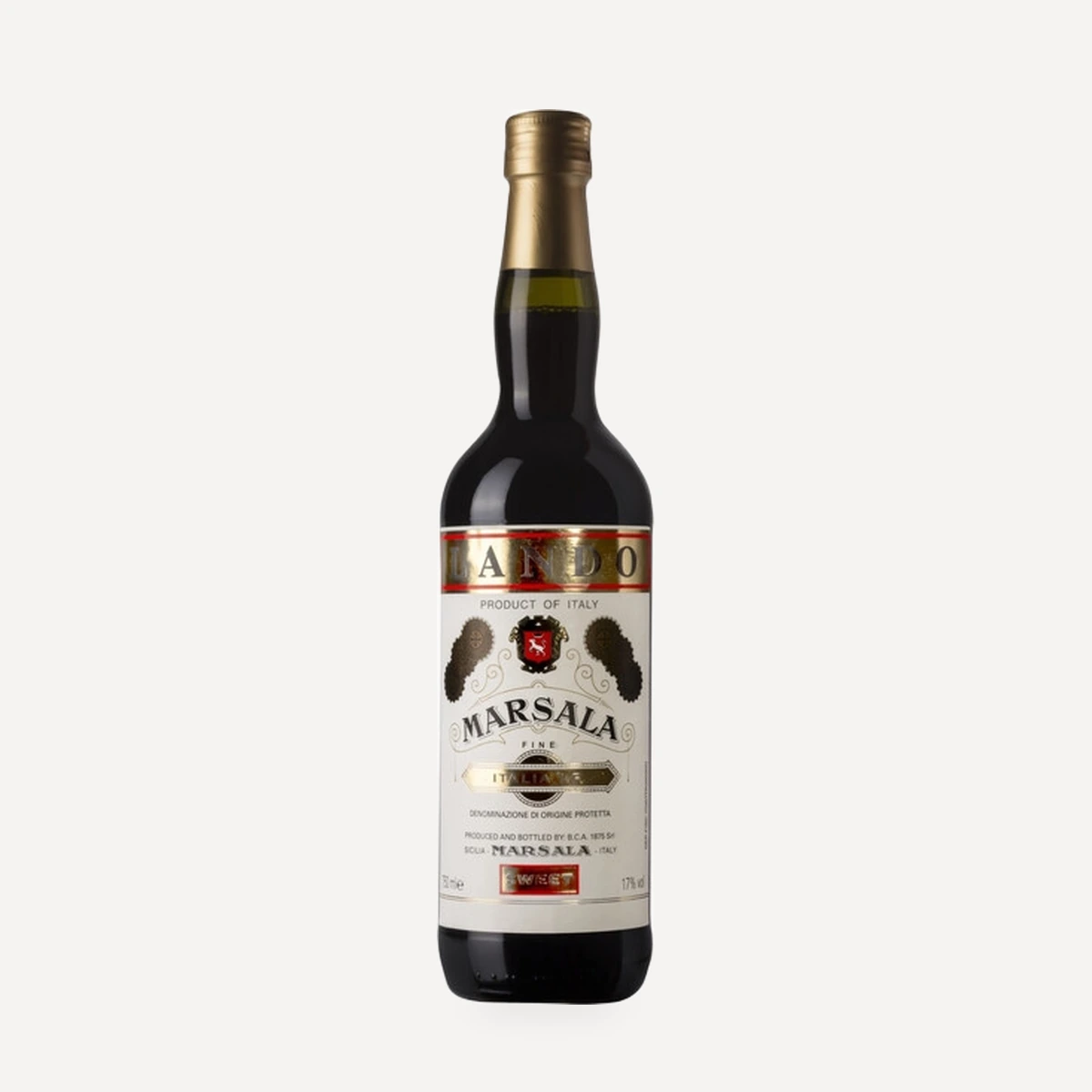
Lando Sweet Marsala Fine DOP
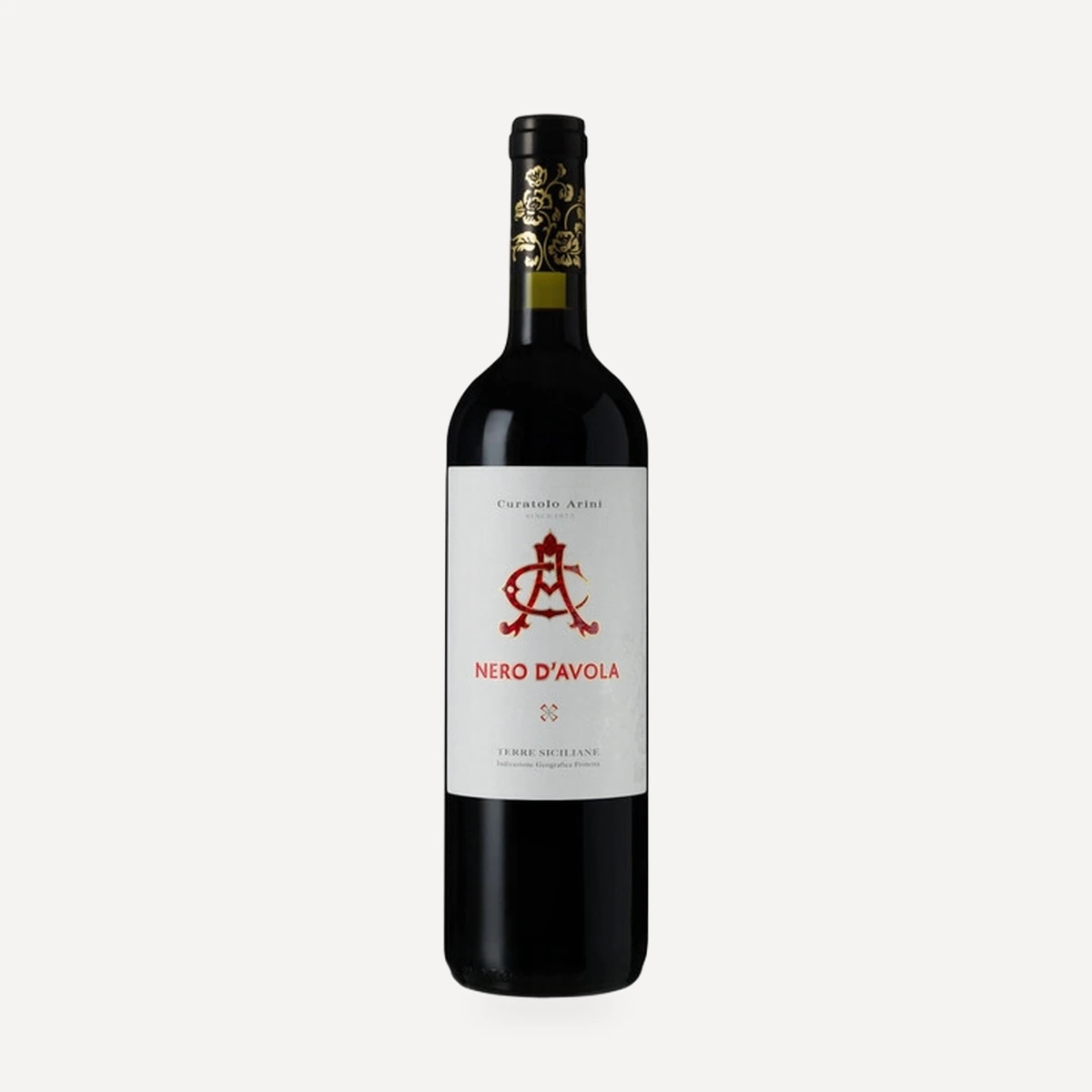
Nero d'Avola Terre Siciliane IGP