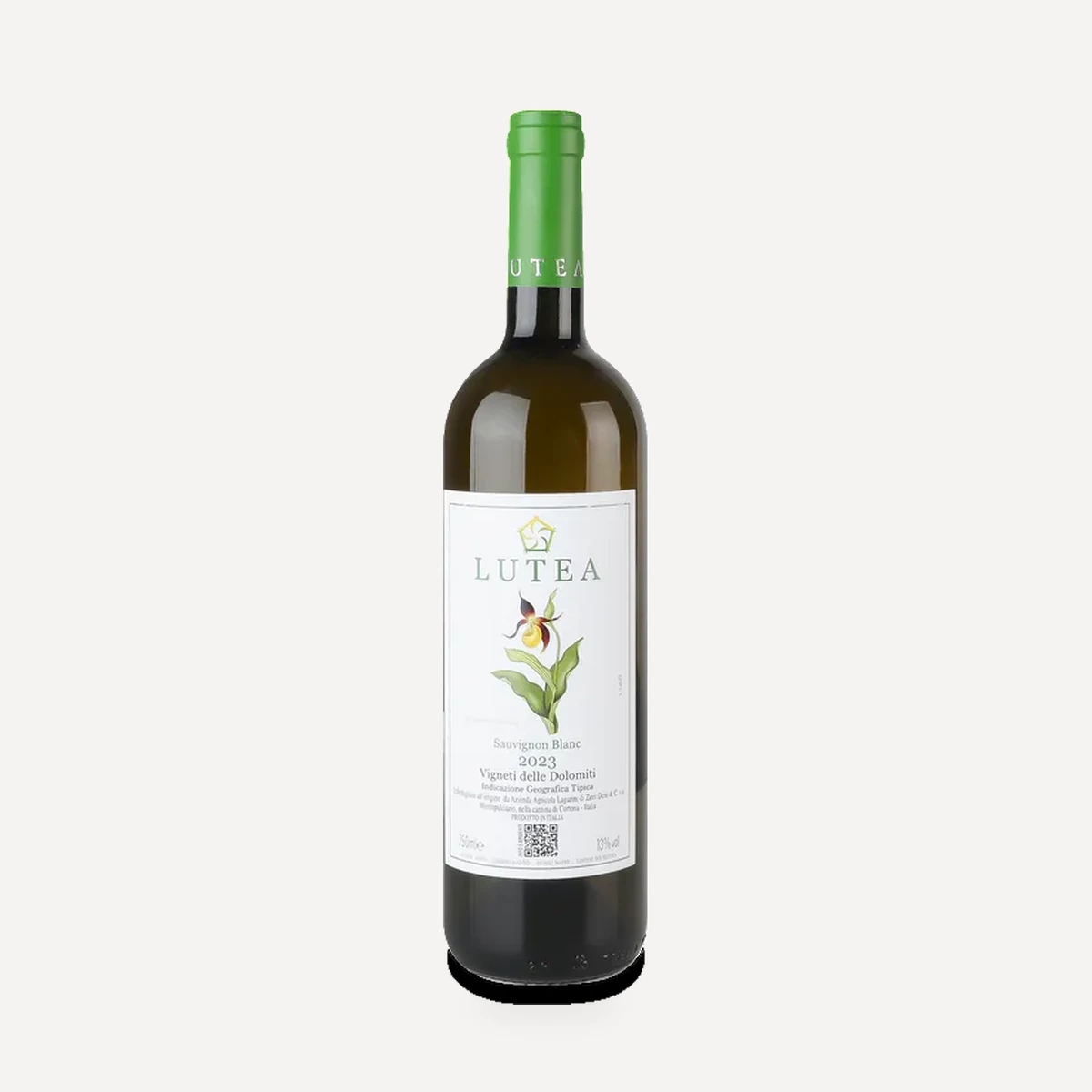
Questo vino
Vineyard and terroir
The Sauvignon Blanc is sourced from the Fontanelle and Pianta Alta vineyards at Spormaggiore and Vigo di Ton in Val di Non, Trentino. The 1.20 ha of vineyards occupy west-facing mid-hill sites at 450–475 m, with rows running ritocchino down the slope. Clay soils support vines planted between 2006 and 2009 and now described as 10–15 years old. The vines are trained to single Guyot at 7,500 plants/ha, with spacing of 1.80 × 0.70 m. Farming is certified organic.
Grapes
100% Sauvignon Blanc.
Vinification
Selected bunches are harvested manually into small crates at the end of September. The grapes are destemmed and undergo 10–15 hours of cold skin maceration before gentle pressing. Fermentation with selected yeasts takes place in stainless steel for 15–20 days at 16°C. Malolactic fermentation is prevented. Bottling occurs in February or March.
Ageing
Six months on the lees in stainless steel, followed by 2–4 months in bottle.
Technical data
Alcohol: 13.00% vol. Total acidity: 6.5 g/L. pH: 3.1–3.2. Yield: 90 q/ha, 60 hl/ha and 1.20 kg/vine. Production: 5,000 bottles. The first vintage was 2013, and every vintage has been produced.
Tasting profile
Straw yellow with greenish reflections. The aromatic profile combines tomato leaf, elderflower, lime, hawthorn, passion fruit and sage. The palate retains this complexity while adding a pronounced savory note, white peach, green apple and nettle. A citrus character shapes the persistent finish.
Serving and pairing
Serve at 8–12°C. Suitable as an aperitif or with seafood—particularly oysters—as well as asparagus and legume or vegetable soups. Its best evolutionary window is 2–3 years, with an overall ageing potential of 4–6 years.