Storia
Family background and a change of direction
The origins of Leuta lie in the agricultural background of founders Denis Zeni and Enzo Berlanda. Their fathers had cultivated tobacco and grapes in Trentino, and Denis also regarded his grandfather’s example, teachings and agricultural heritage as a continuing influence. By the late 1990s, however, only two hectares of the families’ former vineyard holdings remained at Isera, an area associated in the founders’ account with Marzemino.
In 1998, Denis decided to leave his previous professional course and revive that inherited connection with the land. Denis and Enzo were school friends from the Lagarina valley and long-standing business partners. Both were working in finance, but shared the ambition to exchange city and financial-sector careers for agriculture.
2000: foundation and the Cortona estate
Azienda Agricola Leuta was founded by Denis Zeni and Enzo Berlanda in 2000. That year they purchased 21.5 hectares near Cortona in Tuscany, not far from Lake Trasimeno and Montepulciano. Initially called the “Tuscany Project,” the property became the core Leuta estate. The land lies around 310 metres above sea level and was selected after soil studies indicated its suitability for viticulture.
Planting developed through a series of distinct vineyard projects. Estate records place plantings between 2000 and 2008 across the main Cortona holding. Merlot was planted in 2001 and 2003, including the block identified as Vigna Gialla. Cabernet Franc was planted in 2002; this became the first Cortona-area vineyard devoted exclusively to that variety. The estate also established Syrah, Sangiovese and experimental plantings, including Vigna Rosa, Vigna Arancio and Vigna Bianca.
2004: incorporation, Vin Santo and expansion into Trentino
In 2004, the Tuscany Project was incorporated as Lagarini s.s. di Zeni Denis & C. s.s. The first small-scale Leuta Vin Santo vintage was also made that year. In the same year, Denis and Enzo acquired a small property in Trentino together with Giulio De Vescovi, owner of Azienda Agricola De Vescovi-Ulzbach. The Trentino estate covers 1.8 hectares, 1.3 hectares of which are under vine.
Also in 2004, Leuta began restoring an old Sangiovese vineyard that had been planted in 1973. Its former owner had abandoned it in the late 1980s for health reasons. Leuta brought the vines back into production, and additional Sangiovese was planted in 2010.
Experimental vineyards and the first estate vintages
The Cortona holding developed into seven vineyards. Four were devoted to Cabernet Franc, Merlot, Malbec and Syrah. Another experimental vineyard was planted with 12 varieties described as originating from former Russian Georgia, while two Sangiovese vineyards also contained ten autochthonous Tuscan varieties. A separate homepage caption associates Vigna Bianca with a 2005 selection of 12 old Tuscan varieties.
The first Merlot vintage was produced in 2005. The estate’s early planting chronology also includes Syrah in 2006 and a high-density Sangiovese vineyard in 2007. Leuta Tau, Solitario di Leuta and the Cabernet Franc selection each record 2007 as their first production year.
In 2008, Leuta planted Cortona’s first Malbec vineyard as an experimental project. The propagation material came from vines more than a century old in Argentina. Five years of experimental micro-vinifications followed before Malbec entered the commercial range in limited quantities in 2015. Syrah and the mixed red-variety vineyard used for long skin-macerated wines were also planted in 2008. The first Syrah vintage followed in 2009.
The Trentino vineyards were planted between 2006 and 2009. The holding was initially described as a single vineyard planted with Sauvignon Blanc, Pinot Blanc, Chardonnay, Riesling and Incrocio Manzoni. Sauvignon Blanc’s first recorded production vintage was 2013.
2010–2015: team development and new production projects
Viktor Kazak joined Leuta as vineyard manager in January 2010. That year also brought additional Sangiovese planting in the restored old-vine site and the first vintage of the barrel-selection project later identified as Nautilus.
In 2013, Denis’s original friend and partner in the operating venture followed a different path, leaving Denis to oversee winery operations alone. The business subsequently developed a team of five employees supporting work in the vineyards, cellar, administration, hospitality and direct sales.
The long-maceration Apostata project records 2015 as its first production year. It introduced prolonged skin contact in terracotta amphorae, followed by maturation in rounded concrete vessels known as clyvers. Malbec also became part of the regular, though deliberately limited, production in 2015.
2017 onward
Mirco Masserelli joined in August 2017 as cellar master, assuming operational responsibility from harvest through barrel maturation and bottling. Jennifer Criswell joined in November 2017 to manage the wine club, hospitality and direct sales.
Leuta expanded Cabernet Franc with new plantings in 2018, 2019 and 2020. The first Apostata Bianco vintage was produced in 2019 from a vineyard that had previously supplied Vin Santo and had shown particular affinity for Trebbiano. Manola Zeni, Denis’s sister, joined in May 2022 to work in gardening and accounting.
The estate continues under Denis Zeni as owner and winemaker, supported by its vineyard, cellar, hospitality and administrative team.
Terroir
Cortona
The Tuscan estate occupies rolling hills in the Cortona area, within the Val di Chiana, close to Lake Trasimeno and Montepulciano. Its general elevation is approximately 310 metres above sea level; individual vineyard records range from 305 to 325 metres. The vineyards have sunlight-favoured exposures, with individual blocks oriented south, west, north, or combinations of south and west.
The Cortona soils are homogeneous river and lake sediments formed in the Lower Pleistocene approximately two million years ago. Their texture is 40% clay, 40% sand and 20% silt. Limestone and organic-matter levels are low, while calcium and magnesium concentrations are high. The soils have good cation-exchange capacity and show no ferric chlorosis. Clay provides a substantial water reserve and is associated by Leuta with structure and elegance in the finished wines.
The climate is temperate. Summers are hot and dry, while winter and spring are wet. Average precipitation is approximately 800 mm per year, with peaks in autumn and spring. July and August can reach 38°C, while December lows fall to about −5°C. September averages cited for the estate range from highs of 27.5°C to lows of 13°C; October ranges from highs of 24°C to lows of 8°C. Prevailing winds generally arrive from the east.
Trentino
The second property lies in Trentino, associated with Spormaggiore and the Val di Non; current vineyard information also identifies Vigo di Ton. The white-variety sites Fontanelle and Pianta Alta lie at 450–475 metres above sea level on mid-slope terrain. Their soils are described as clay, and the Sauvignon Blanc rows have a western exposure.
Vinificazione
Organic agriculture has been practised from the beginning. Current vineyard records distinguish between certified-organic blocks—among them the principal Merlot, Cabernet Franc, Malbec, Sangiovese, Tuscan white and Trentino Sauvignon Blanc sites—and organically farmed blocks described as non-certified, including some Syrah and mixed-variety parcels. Selected releases also carry declarations of vegan production and dry farming, although no certification body or certification date is identified.
The principal modern vineyards are trained on vertical trellises with single-arm spur pruning. The Trentino white-variety sites use single Guyot, while the older Sangiovese block has wider historic spacing. Modern density is generally 7,500 vines/ha at 1.80 × 0.70 m. Rows commonly run downslope in a ritocchino arrangement.
Harvesting is manual. Bunches are selected and placed into small crates. Timing varies by variety and site: early to mid-September for Merlot and Sangiovese; around mid-September for Syrah, Malbec and the mixed red varieties; the second half or end of September for the white varieties; and late September to early October for Cabernet Franc. Vineyard yields in the detailed records generally range from 40 to 70 quintals/ha for red varieties and around 90 quintals/ha for white varieties, with approximately 0.8–1.2 kg of fruit per vine. The corresponding wine yields are generally 32–50 hl/ha for reds and about 60 hl/ha for whites.
Red-wine cellar work
Red grapes are bunch-selected and harvested by hand into small crates. The usual reception sequence is destemming followed by light crushing. Fermentations generally last 25–30 days at controlled temperatures of approximately 24–27/28°C. Stainless steel is the principal fermentation vessel for the conventional red programme. Cap management combines pump-overs and délestage, and the records specify that no separate pressing operation is performed.
Indigenous yeasts are used for the estate’s Cabernet Franc, Sangiovese, Nautilus and long-maceration projects; some other reds combine indigenous and selected yeasts. Malolactic fermentation may take place in stainless steel, barriques, tonneaux or rounded concrete clyvers according to the lot.
Red wines mature on fine lees. Depending on the selection, maturation includes six months followed by a further six to 24 months in barriques or tonneaux. The most selective lots use new barriques, while the limited-edition Cabernet Franc is matured for 16 months in French oak casks with differing characteristics, followed by two months in steel and 12 months in bottle. Bottle ageing for the broader red programme generally lasts 12–24 months. Bottling is normally scheduled for June or July.
Amphora and concrete
The Apostata macerated range uses prolonged skin contact in terracotta amphorae. The red version ferments for 25–30 days at 24–27/28°C with indigenous yeasts. Malolactic fermentation and subsequent fine-lees maturation take place in rounded concrete clyvers, normally for an initial six months and a further 12 months. The white version also ferments on its skins in terracotta, with punch-downs and temperature control, for 25–30 days at 22–26°C. It does not undergo malolactic fermentation and is matured on fine lees for five months in new barriques followed by two months in stainless steel.
White-wine production
Sauvignon Blanc is destemmed, cold-macerated on the skins for 10–15 hours and pressed gently. Fermentation lasts 15–20 days at 16°C in stainless steel with selected yeasts. Malolactic fermentation is avoided. The wine remains on fine lees in stainless steel for six months, followed by two to four months in bottle; bottling takes place in February or March.
Vin Santo
Vin Santo fruit is harvested in September and naturally dried for approximately six months, into March or April. Drying reduces water content and concentrates sugars and aromas. The thick must rests in stainless steel for about two months before transfer to small oak caratelli with a portion of the estate’s “mother” yeast. The regular Vin Santo is described with ten years of cask ageing in its current record, while the technical introduction and Occhio di Pernice record specify 12 years. The technical sheet identifies 55-litre oak caratelli and two litres of “mother” for the long maturation.
Filosofia
Denis Zeni’s approach is rooted in the attempt to bring his grandfather’s agricultural heritage into a contemporary estate. He describes tradition and innovation as complementary rather than opposing forces: respect for nature is paired with modern technology, while vineyard and cellar decisions are directed toward balance, harmony, symmetry and what he calls eurythmy.
The intended result is wine that communicates the particular character and beauty of its terroir while reflecting a thoughtful, modern relationship with nature. This philosophy is expressed through site-specific vineyards, organic farming, manual selection, experimental plantings, indigenous yeasts in much of the red programme, and a range of vessels that includes stainless steel, French oak, terracotta amphorae, concrete clyvers and traditional Vin Santo caratelli.
The golden ratio provides a second conceptual framework for the estate. The number 1.618—also known as the divine proportion—connects several wine names with Denis’s interest in naturally recurring patterns, proportion, balance and harmony.
Vini
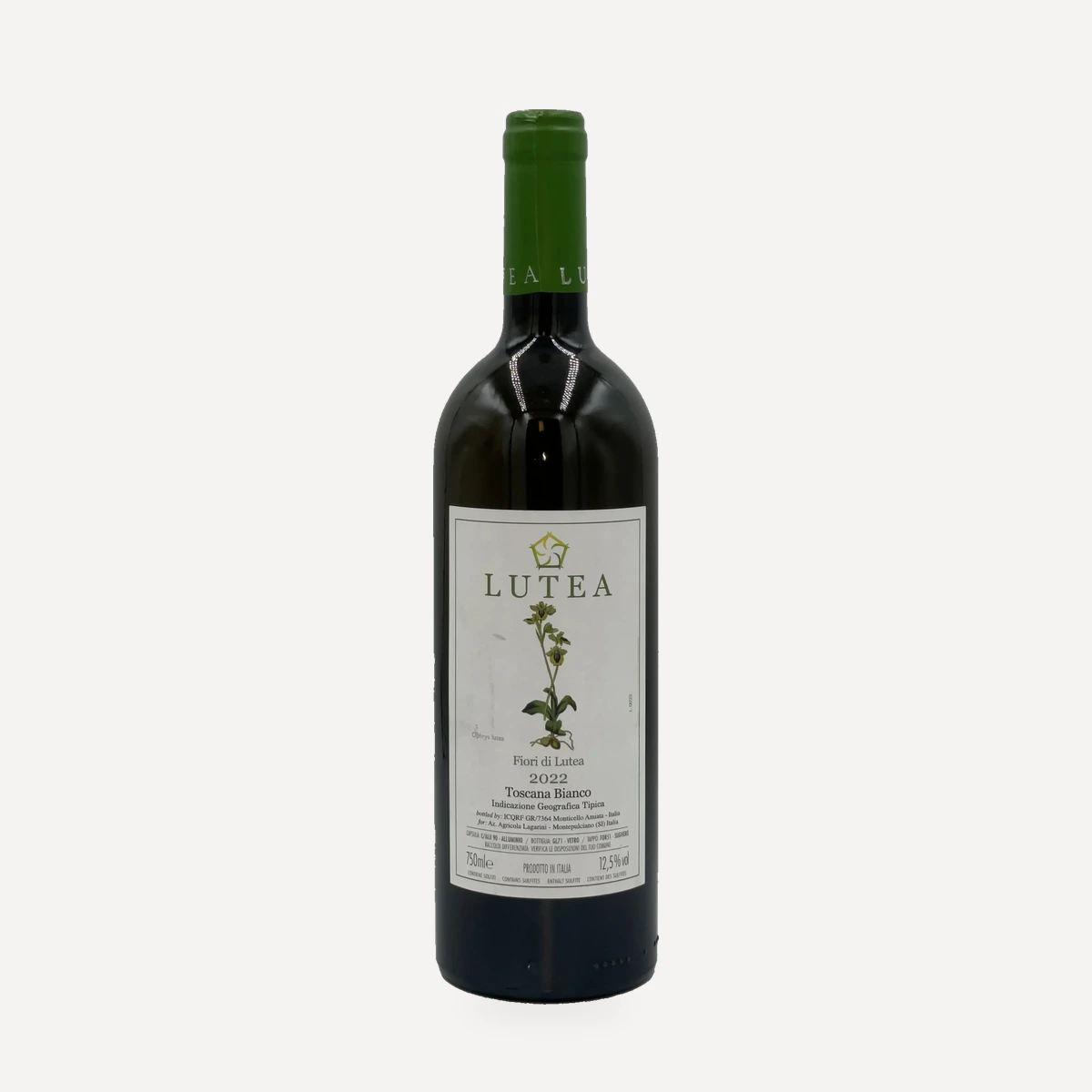
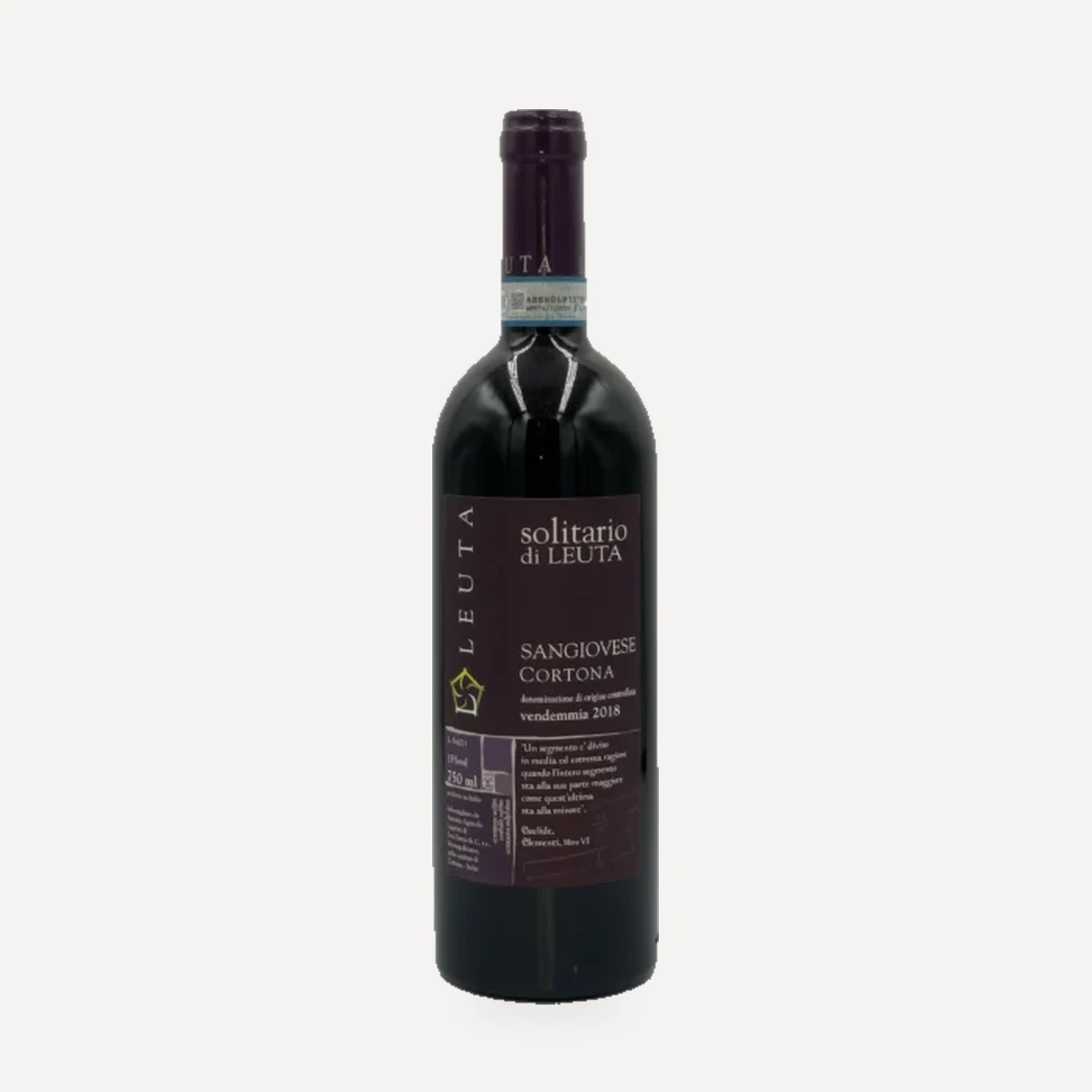
Fiori di Lutea IGT Toscana
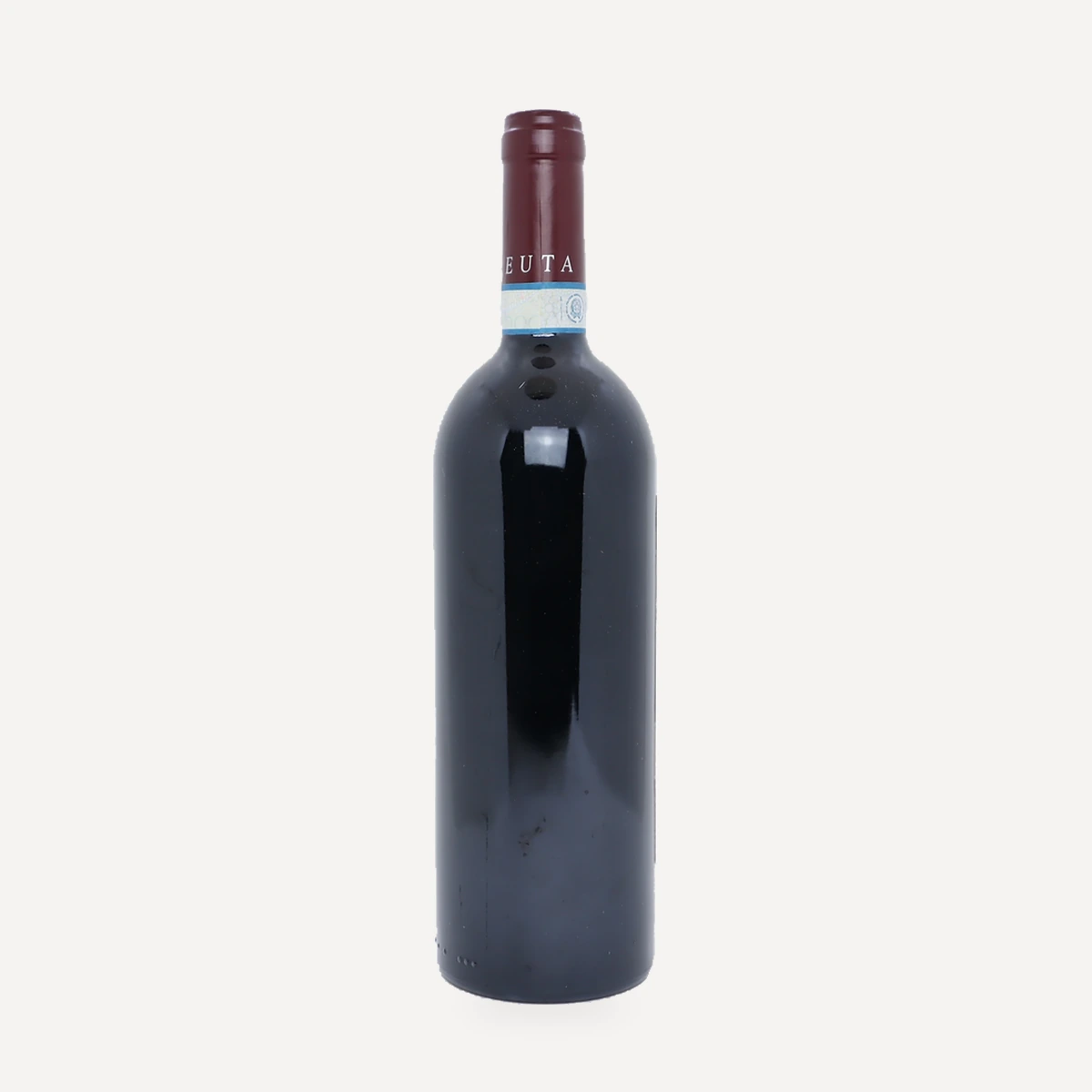
Leuta 0,618 Syrah DOC Cortona
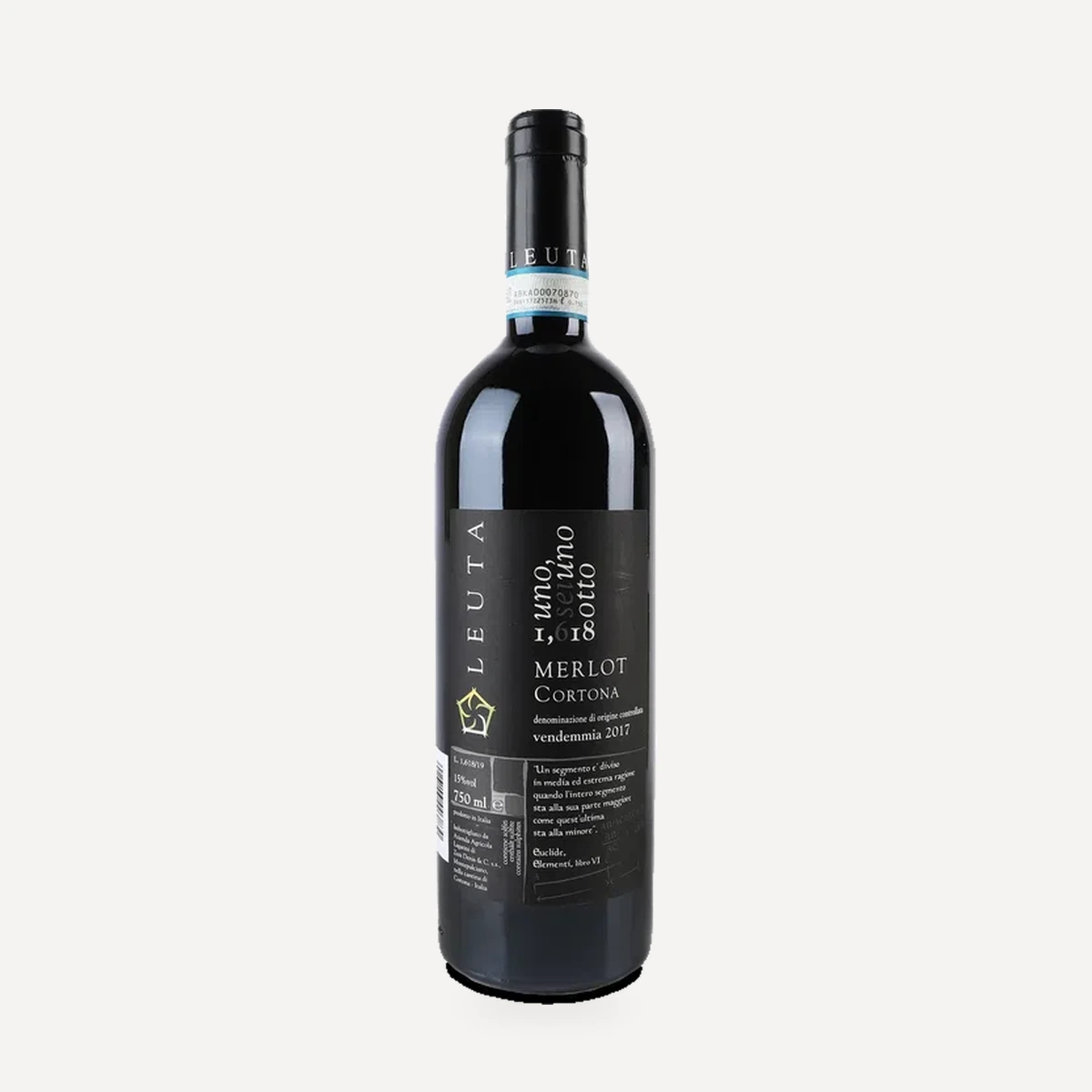
Leuta 1,618 Merlot DOC Cortona
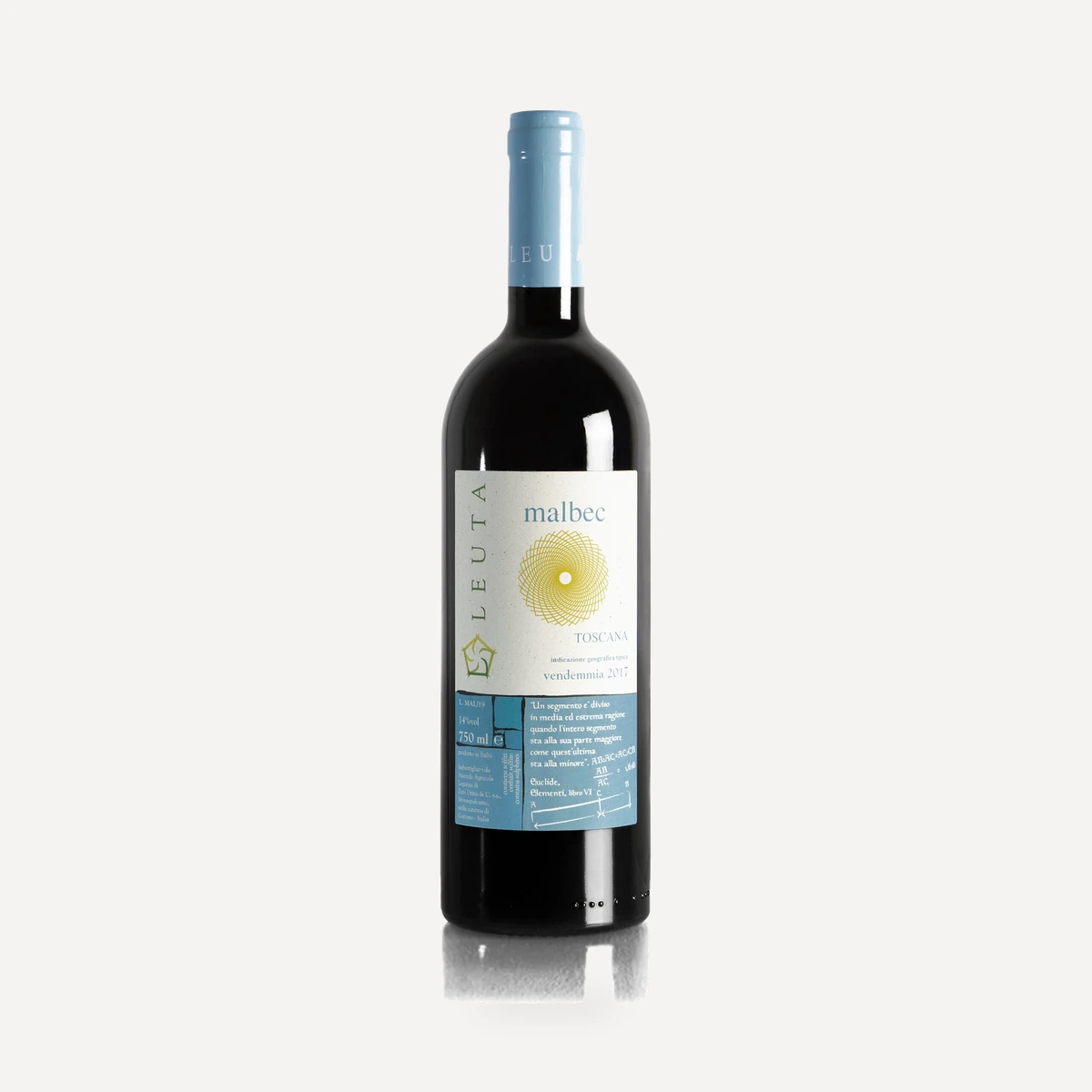
Leuta Malbec IGT Toscana
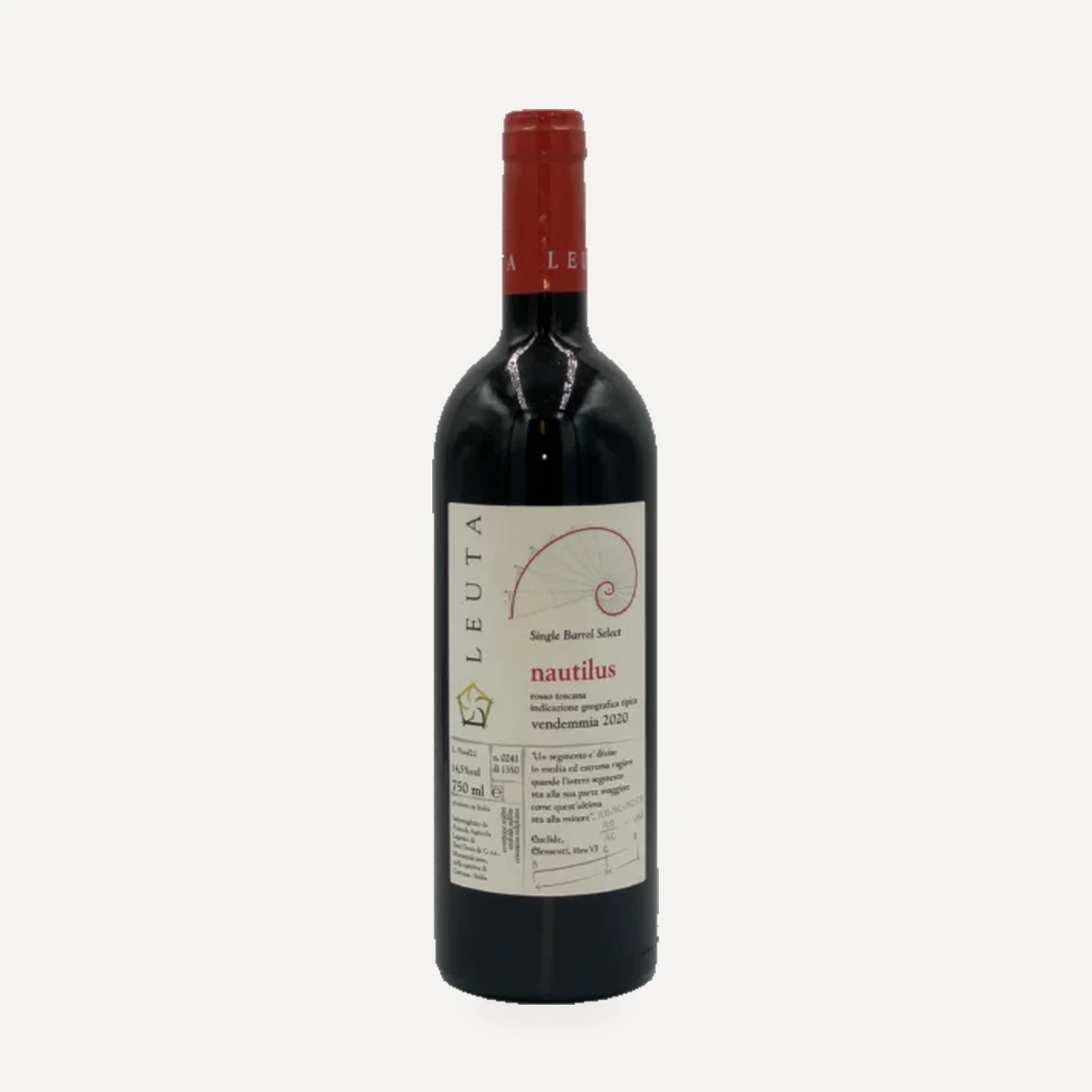
Leuta Nautilus IGT Toscana
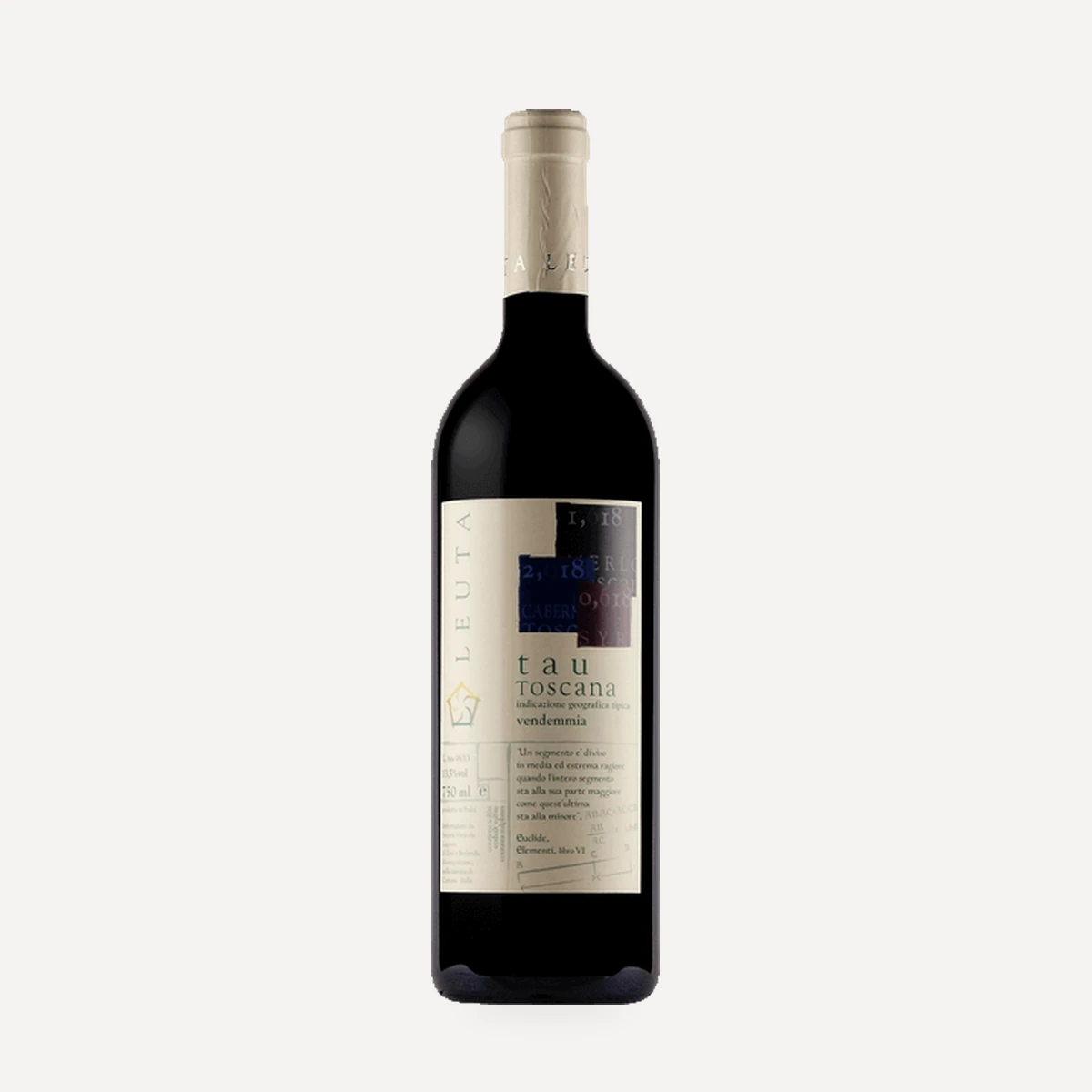
Leuta Tau IGT Toscana Rosso
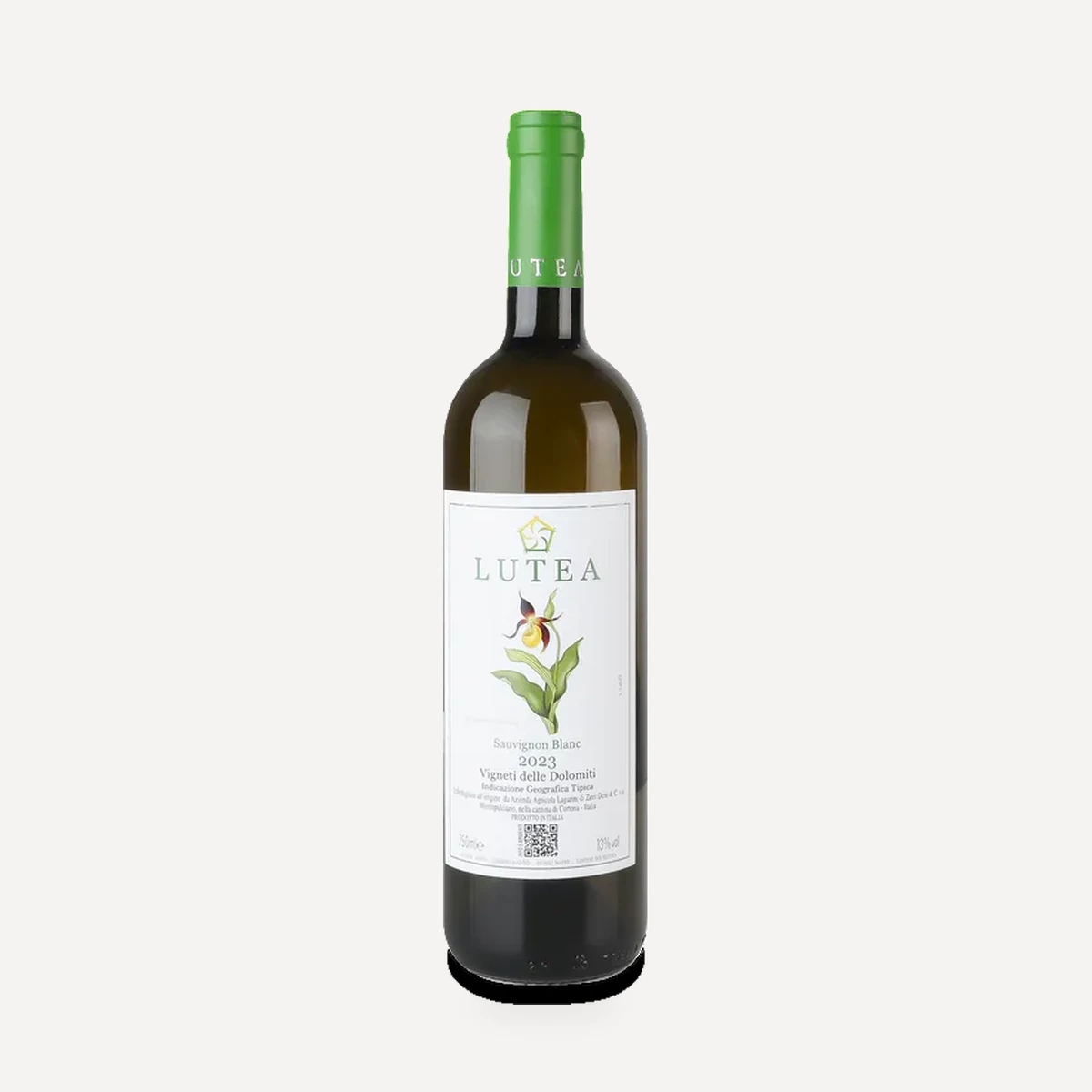
Lutea Sauvignon Blanc IGT Vigneti delle Dolomiti