Questo vino
Vineyard and terroir
Colle delle Pietre is a historic site at Tenuta Milano, set among hills and olive groves. Its limestone matrix forces the roots to penetrate deeply in search of nourishment and acts as a reserve of water and nutrients during dry periods. Mature vines are rooted firmly in the subsoil. This pedoclimatic setting is associated with pronounced minerality, savouriness, structure and longevity. Technical specifications also characterize the soils more broadly as predominantly deep, rich and tending toward clay. The vines are trained to espalier and other traditional systems, and the best bunches are selected from the most balanced vines.
Grapes
Pecorino.
Vinification
Fermentation takes place in stainless-steel vats after cold skin contact with the must and gentle pressing.
Ageing
Maturation proceeds in stainless-steel vats and is completed in bottle, for four months in total.
Technical data
White wine with 13% alcohol by volume. The first vintage was 2007. The current shop listing presents the 2025 vintage in a 75 cl bottle.
Tasting profile
The limestone-rich site gives the wine a pronounced mineral and savoury character, contributing to its structure and longevity.
Label / history
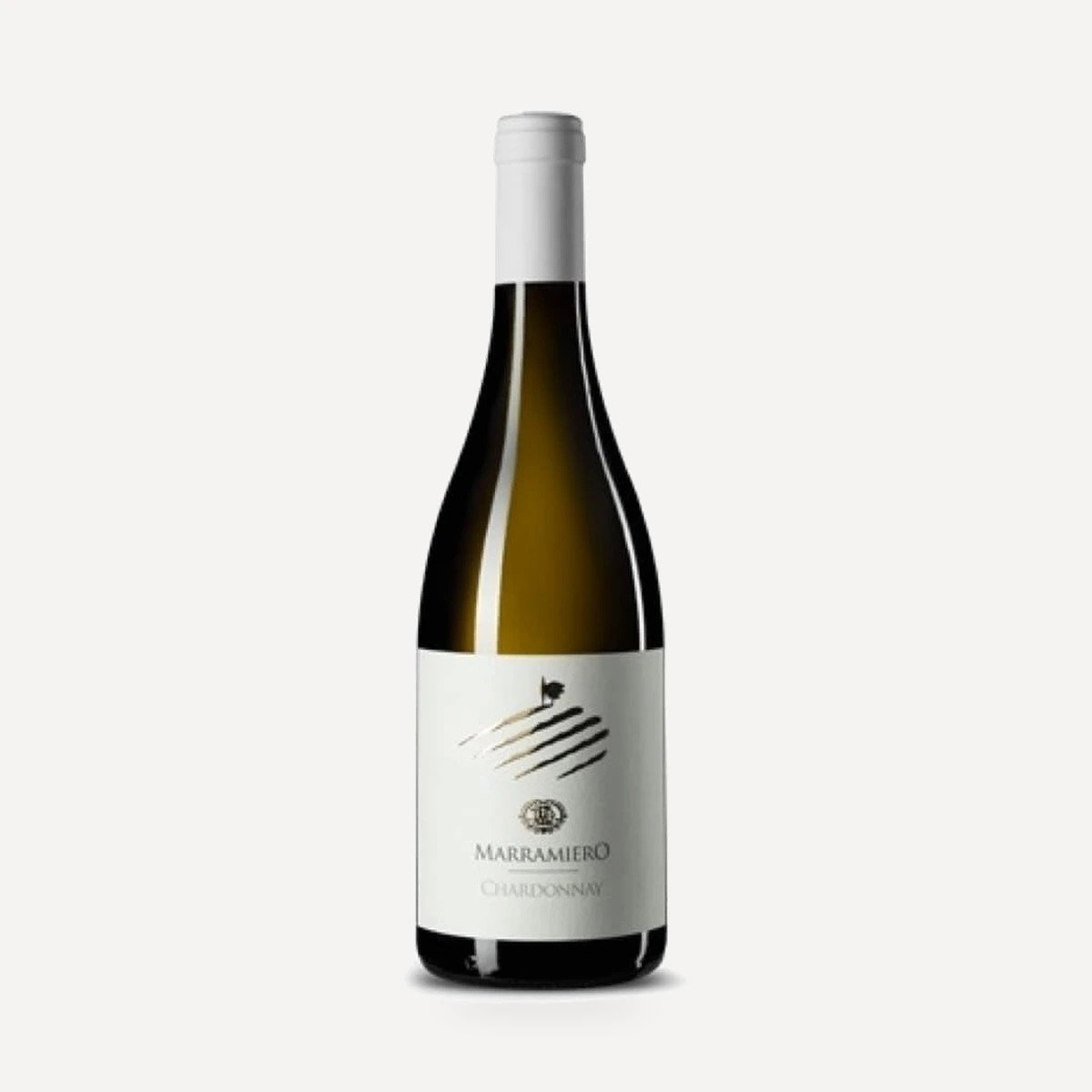
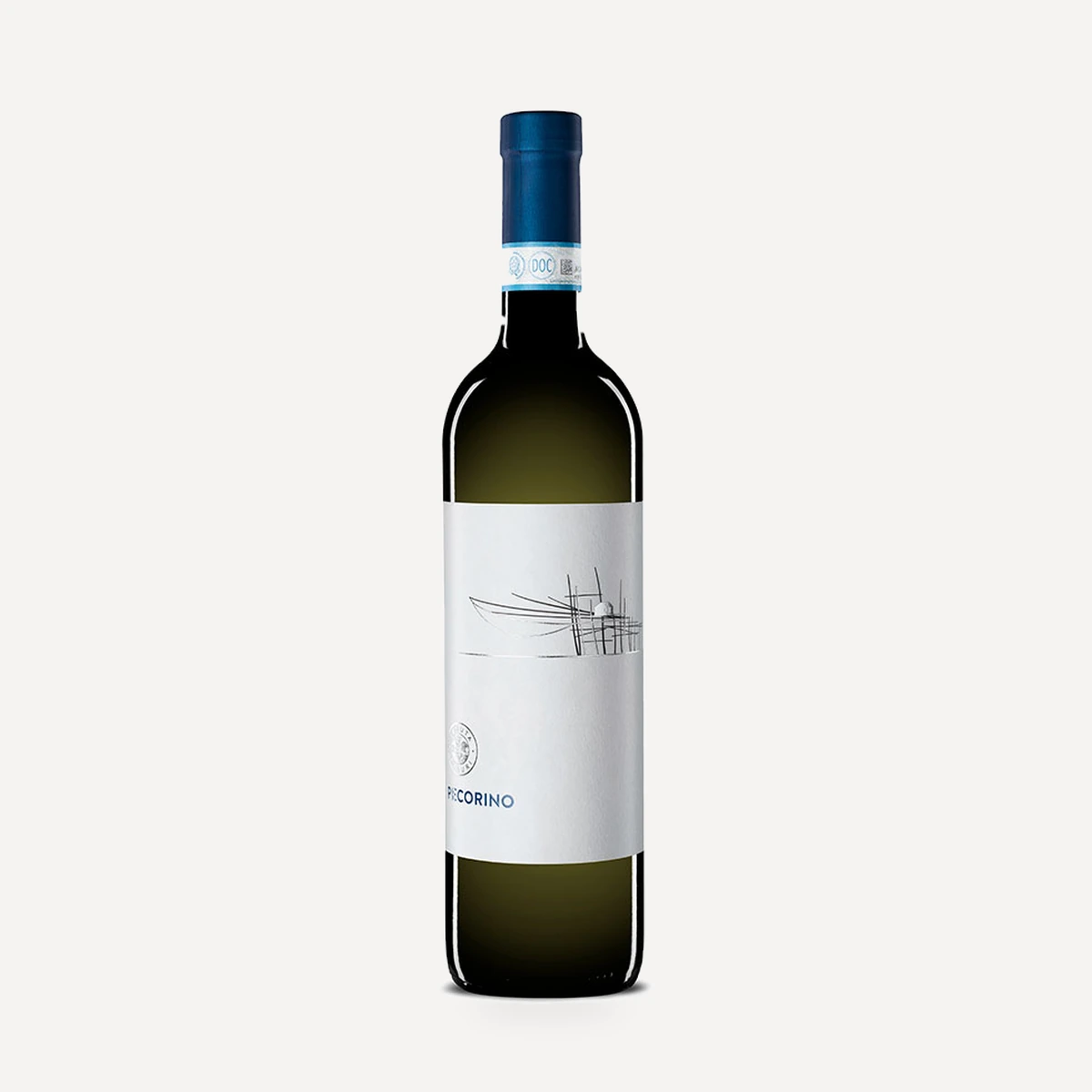
The site has long been known as Colle delle Pietre, or “Hill of Stones.” The name honours the vineyard’s mineral character and the connection between terroir and grape variety. Pecorino Marramiero evolved into the Colle delle Pietre identity, accompanied by stricter bunch selection, a new Burgundy-shaped bottle and an updated label. The label’s theme is the “Celebration of Life,” inspired by ancient autumn and spring ceremonies representing nature’s rest and perennial reawakening, symbolized by an ear of wheat.