Storia
Family roots in the early twentieth century
The Marramiero family’s relationship with vines, olive trees and the countryside of Rosciano reaches back to the beginning of the twentieth century. Its historic base was Contrada Villa Oliveti, where the first farmhouse stood near the tratturo, the old pastoral route used by passing flocks. The property later known as Tenuta Tratturo took its name from this road.
Some vines at Tenuta Sant’Andrea date from the beginning of the twentieth century. They form the estate’s historic vine patrimony and supplied the propagation material used for subsequent plantings.
Dante Marramiero and the expansion of the vineyards
Dante Marramiero combined the family’s agricultural tradition with a wider entrepreneurial outlook. During the 1960s he selected among the existing vines, increased production and planted new vineyards. He believed that the sequence of landscapes from Gran Sasso through the Rosciano hills to the Adriatic offered the basis for a larger, more ambitious wine enterprise.
The family’s wine evolved from something made for relatives and friends into a commercial product intended for markets beyond Abruzzo. Dante’s project was continued by his children and a younger working group who shared his objectives.
Creation of the present winery
At the beginning of the 1990s, Dante founded the present winery, reinterpreting the area’s farming tradition through contemporary production methods. The operating company was incorporated as a limited-liability company in 1994.
The same period produced important additions to the range. The first vintage of the oak-aged Trebbiano Riserva Altare was made in 1995, establishing the idea that Trebbiano could sustain slow maturation in French barriques. The first vintage of the long-aged Montepulciano Riserva Dante followed in 1998.
Enrico Marramiero and the four-estate structure
Dante’s son Enrico Marramiero subsequently assumed leadership as owner and chief executive. He retained the original family values while expanding production across Tenuta Sant’Andrea, Tenuta Milano, Tenuta Tratturo and Tenuta Amarello, distributed between Rosciano and Ofena.
Tenuta Sant’Andrea remained the historic centre, combining old vines with newer plantings. Tenuta Milano added vineyards, an olive grove, woodland and a restored historic farmhouse. Tenuta Tratturo preserved another part of the family’s agricultural roots while becoming a site for renewable-energy production. Tenuta Amarello extended the project to the Ofena basin on the Gran Sasso side of the operation.
At Vinitaly in 2016, a vertical tasting of Altare brought together vintages from 1995 through 2010, examining the wine’s evolution and the long-term potential of the original Trebbiano project.
Territorial organization and sustainability
On 13 February 2022, Enrico Marramiero became president of the newly established Associazione Terre dei Vestini. The association was created to encourage cooperation among producers and pursue recognition of a DOCG centred on the territory rather than solely on the Montepulciano variety. Its defined area encompasses 21 communes and approximately 2,000 ha of Montepulciano.
In 2023, Marramiero obtained Equalitas certification for both Sustainable Organization and Sustainable Product, with Agroqualità S.p.A. as certification body. The product scheme covers the Montepulciano Terre dei Vestini Riserva supply chain represented by the Dante Marramiero and Inferi labels. Certification was maintained and renewed in 2025.
During 2025 the company continued modernizing both vineyard and cellar operations. Investments included precision-viticulture systems, vineyard-management software, GPS-controlled spraying, lower-impact agricultural machinery, an automatic tank-washing system, gentle product-transfer equipment, laboratory instruments, new barriques, expanded storage, automated packaging equipment and digital bottling-line traceability. A broader development plan was also initiated for additional vineyards, irrigation, estate roads, agricultural equipment and production buildings.
The contemporary family narrative also identifies another Dante Marramiero as the representative of the new generation, entrusted with balancing inherited identity, technical innovation and a slower, place-centred approach to wine and life.
Terroir
Between the Adriatic and Gran Sasso
Marramiero works in the Terre dei Vestini of Abruzzo, between the Adriatic Sea and Gran Sasso. The vineyards occupy two distinct winegrowing environments: the hills around Rosciano in the province of Pescara and the Ofena basin on the slopes of Gran Sasso.
At Rosciano, the estates lie between approximately 200 and 300 m above sea level, open toward the Adriatic and facing Gran Sasso. Sea air moderates temperature extremes and contributes to ventilation, while the mountain provides a contrasting inland influence. Freshness is determined by the combined effects of exposure, water availability and temperature rather than altitude alone.
The Rosciano soils alternate among clay, silt and sand. Clay-rich portions retain water for longer, while lighter components improve drainage. These variations affect vine vigour and the timing of ripening. At Tenuta Sant’Andrea, tuff and a predominantly clay-rich mixture supply the vines; the historic Colle delle Pietre sector at Tenuta Milano has a pronounced limestone matrix that stores water and nutrients during dry periods and encourages mature roots to penetrate deeply.
Late-ripening Montepulciano requires a complete maturation cycle to develop mature tannins. For Trebbiano, Passerina and Pecorino, harvest timing is used to protect acidity and aromatic precision. The same freshness is important to the estate’s Metodo Classico base wines, supporting bottle refermentation and extended lees ageing.
Ofena and Tenuta Amarello
The Ofena basin is traditionally called the “Oven of Abruzzo” because warm, bright summer days are followed by distinctly cooler nights. At Tenuta Amarello, these day–night temperature changes sustain acidity and gradual ripening. Air movement, measured slopes and calcareous-clay soils help restrain Pinot Nero’s vigour and favour finer tannins.
The deeper profile also contains stones weathered from the surrounding mountains over millions of years. This creates an arid, freely draining environment in which roots must descend in search of water and nutrients.
Landscape and the Sleeping Beauty
From Rosciano, the silhouette of Gran Sasso resembles a reclining figure known as the Sleeping Beauty of Abruzzo: Corno Grande forms the face and Monte Camicia completes the body. Vineyards, olive groves, holm-oak woods and the changing mountain profile form the estate’s immediate agricultural landscape.
Terroir is treated as a set of decisions that changes with each vineyard and vintage. Exposure, soil-water relations, temperature and ripening are observed together, and vineyard and harvest choices are adapted rather than imposed through a fixed formula.
Vinificazione
Marramiero follows low-impact integrated viticulture under the Sistema di Qualità Nazionale Produzione Integrata (SQNPI) and the Good Vineyard Practices required by Equalitas. Equalitas Sustainable Organization and Sustainable Product certification was obtained in 2023, renewed in 2025, and audited by Agroqualità S.p.A.
Vines are monitored throughout the year and vineyard decisions combine inherited manual knowledge with research, experimentation and continuing training. Both hand and mechanical harvesting are employed according to operational requirements.
Plant nutrition relies on natural inputs, under-vine cultivation and green manures of nutrient-rich legumes. These measures are intended to maintain a natural equilibrium and minimize additional treatments. Permanent grass cover is maintained, alongside semi-natural and woodland areas, buffer strips, pollinator protection and conservative soil-management techniques.
Water and ozone are sprayed on the canopy as a natural preventive measure against pathogenic fungi. Precision-viticulture investments include meteorological monitoring, digital vineyard-management systems such as AgroDrone 360, specialized tractors, shredders, GPS-controlled distribution through the sprayer, grass-seeding equipment and a mechanical post driver. These tools are used to target interventions and reduce fuel, fertilizer and plant-protection inputs.
Soil biodiversity was monitored in 2025 through the Biodiversity Friend® IBS-bf protocol, which indicated good biological quality. The return of peregrine falcons, the presence of wild animals and spontaneous flowering are also treated as visible indicators of habitat health.
Harvest dates are adjusted to site and vintage. In white varieties, timing protects acidity and aromatic definition; Montepulciano is allowed the longer ripening needed for mature tannins. In the Colle Sant’Andrea sector, harvest is decided by walking the rows and tasting berries rather than following a fixed calendar. Selection can begin as early as véraison for the most ageworthy material, while Colle delle Pietre receives a separate selection of the best bunches from balanced Pecorino vines.
Cellar organization and reception
Cellar rooms are designed to maintain constant but differentiated temperatures according to the operation and maturation stage. Following destemming, individual berries pass through an X-TRI air-jet optical sorter. A first fluorescence analysis rejects green or unripe berries, leaves and grass; infrared analysis then removes other foreign organic and inorganic material.
Modern presses, vacuum filters and contemporary fermenters are used to preserve the original qualities of the fruit. A MAE 60-L progressive-cavity pump provides gentle movement of must, crushed grapes and more viscous products while reducing energy demand.
Fermentation and maturation
Fermentation may take place in open or closed barriques, stainless-steel tanks and Ganimede fermenters. Wooden truncated-conical vats can hold crushed grapes through alcoholic fermentation and skin maceration. Their shaped staves are held under compression by metal hoops; hoop tension, hydration, leak testing, washing and sanitation are checked before use.
The cellar also employs the submerged-cap principle: a grid holds skins, pulp and seeds beneath the liquid, maintaining continuous contact while limiting air exposure. This can reduce the required frequency of pump-overs and punch-downs, although fermentation kinetics, oxygen, temperature, phenolic maturity and maceration time remain under enological control until draining and pressing.
The barrel cellar is central to wines requiring long development, with maturation in wood reaching 24 months in the general cellar programme. The estate also produces Metodo Classico sparkling wines: selected grapes are made into base wine, secondary fermentation occurs in bottle and the Brut and Rosé mature for at least 36 months overall.
Sanitation, bottling and traceability
Ozone-generating equipment is used to sanitize winery rooms and equipment. A new automatic tank-washing installation reduces water, detergent, energy and working time while eliminating the need for personnel to enter tanks during cleaning.
The sparkling-wine line includes an automatic monobloc for bidule insertion and crown capping. A flexible automatic packing and cartoning line handles several bottle formats. iWine MES digitalizes bottling operations, traceability, data collection and production monitoring. Mobile warehouse racking increases finished-wine storage capacity and logistical efficiency.
Pomace and lees are transferred to authorized distilleries for recovery and valorization. Paper, plastic, glass and wood packaging waste is separated for recovery, packaging is reused where possible, and quantities sent for disposal are monitored annually.
Filosofia
Marramiero’s declared objective is to honour inherited practice through innovation while respecting people, land and nature. Tradition is understood as accumulated knowledge that provides a measure for change, rather than a ritual repeated without examination. Technology is accepted when it interprets the family’s origins more precisely, protects the environment or improves the integrity of the fruit.
The vineyard is considered the starting point of each wine’s personality. Individual sites and vintages require their own path, beginning with the plant and continuing through the cellar. Terroir is therefore not treated as a fixed recipe: observation of exposure, soil-water availability, temperature and ripeness determines decisions from year to year.
The family also distinguishes the creation of lasting value from financial growth alone. Value is associated with relationships among employees, care for vineyards, protection of the landscape, the reputation of Rosciano and the ability to pass knowledge to future generations. Staying in the family’s home territory, investing locally and creating employment are presented as expressions of belonging and responsibility.
Sustainability is integrated into this philosophy as a permanent obligation to employees, suppliers, customers, the community and future generations. Circularity follows the natural rhythm of vine, grape and wine: a rhythm that should be respected rather than forced. The guiding ambition is continuous improvement in quality together with lower environmental impact and transparent social and economic responsibility.
Vini
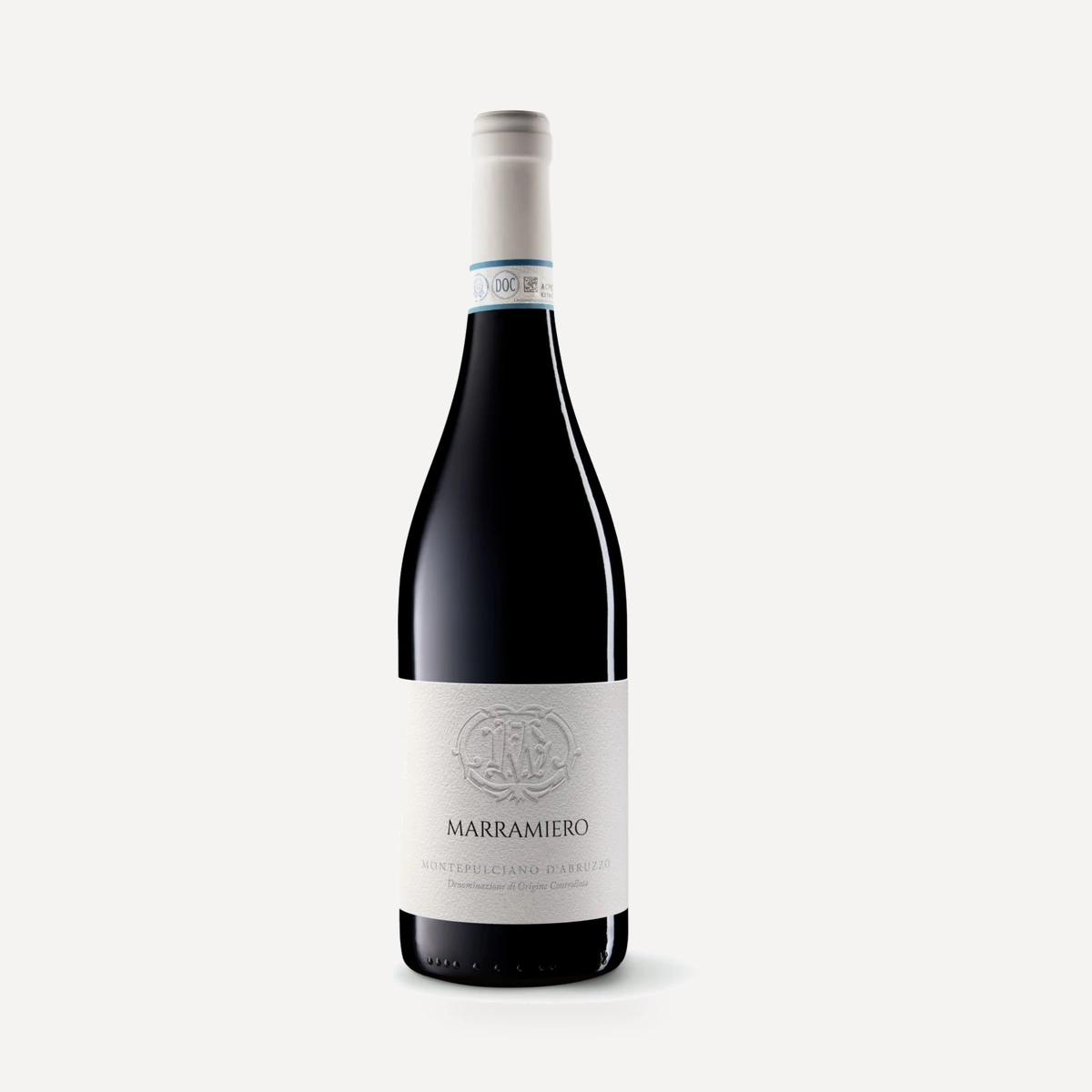
Montepulciano d’Abruzzo DOC
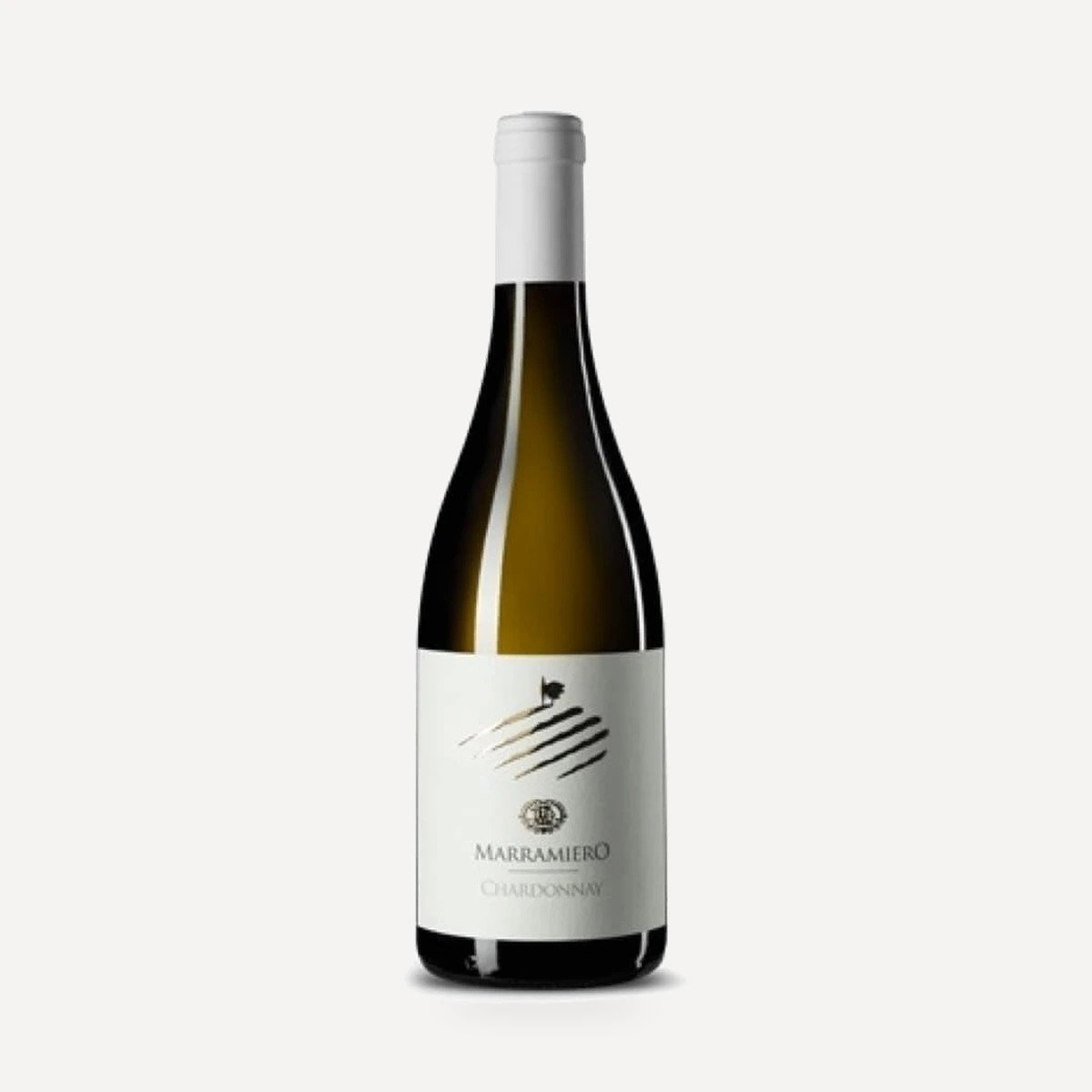
CHARDONNAY IGP Terre D’Abruzzo
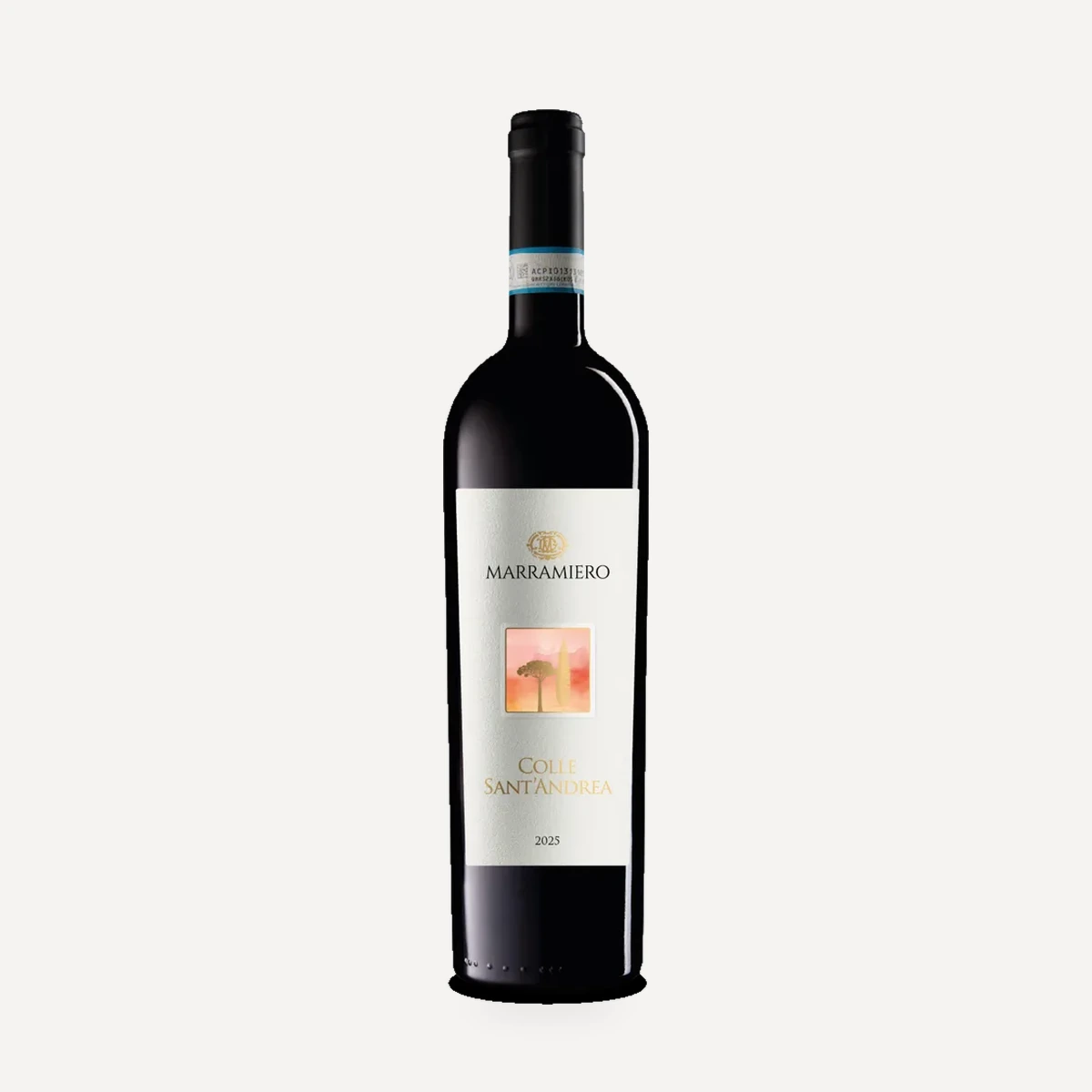
COLLE SANT’ANDREA Cerasuolo d’Abruzzo DOC Colline Pescaresi Superiore
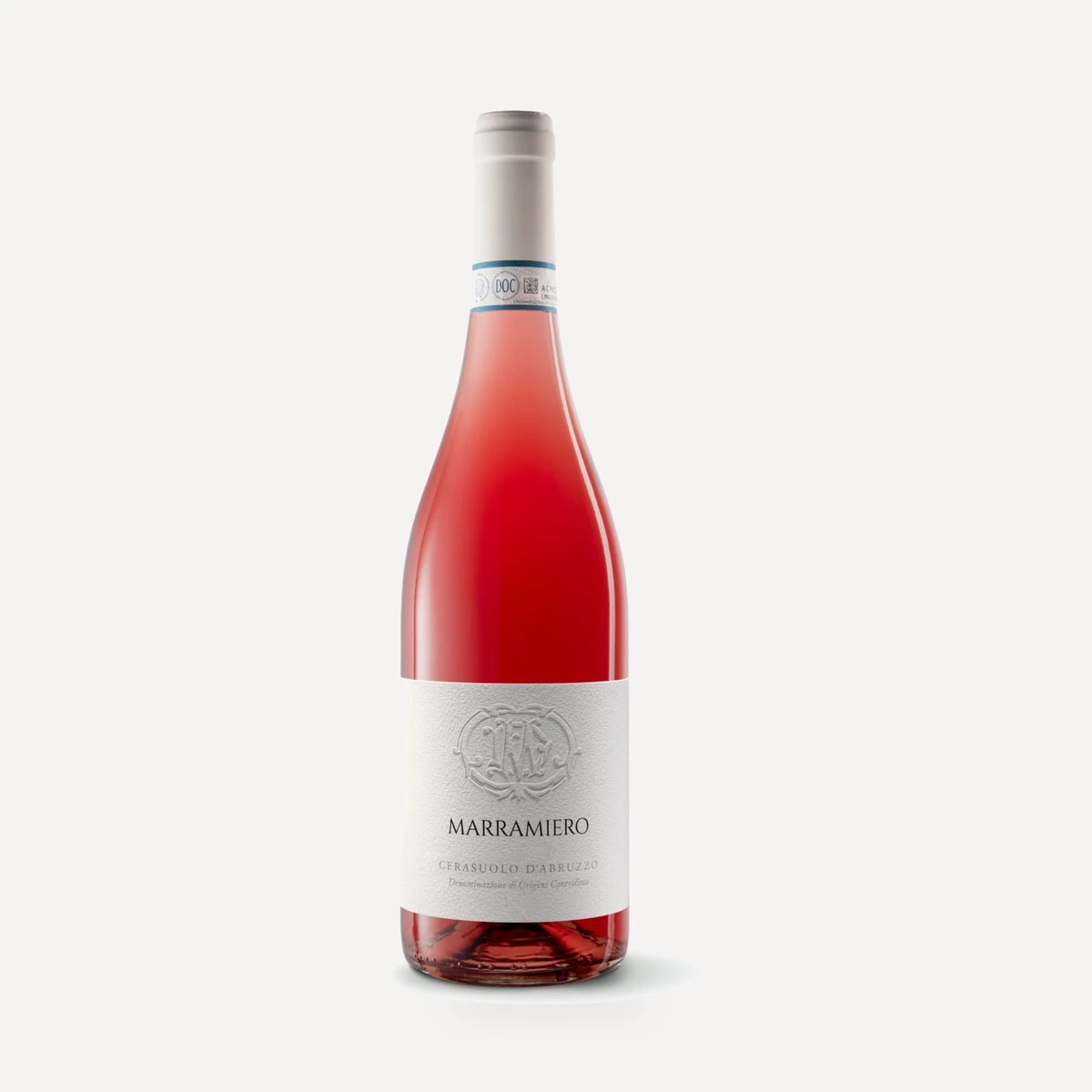
Cerasuolo d’Abruzzo DOC