Questo vino
Vineyard and terroir
Corvina, Corvinone and Rondinella grow at 100–180 m in predominantly calcareous soils mixed with marly clay. The organically farmed vines are planted at 5,000 per hectare and trained to Guyot. The wine was conceived to express the mineral character and freshness associated with the vineyards and their exposure.
Grapes
Corvina, Corvinone and Rondinella.
Vinification
The grapes are harvested by hand between late August and early September, retaining elevated acidity. A short maceration of several hours is followed by pressing to obtain an intensely pink must. This must partially ferments for one week at low temperature with indigenous yeasts before bottling for a second fermentation. Once fermentation is complete, the yeasts settle at the bottom of the bottle. The wine is sold without disgorgement and develops approximately 2.5 bar of pressure.
Ageing
Bottle refermentation and retention of the deposited lees form part of the ancestral-method style.
Technical data
12.00% alcohol, 0.6 g/L residual sugar and 5.00 g/L acidity. Production was 15,000 bottles. Organic sparkling rosé with sediment.
Tasting profile
Its appearance changes with the lees: deep, cloudy pink when the sediment is mixed, or a lighter pink with faint orange highlights after it settles. Aromas evoke fresh yeast, liquorice, grapefruit, delicate rosebud, wild strawberry and mulberry. The palate begins soft, fresh and juicy, developing pronounced savoury and mineral notes before an exceptionally fresh, thirst-quenching finish.
Serving and pairing
Suitable as an aperitif and with cured meats, fried fish, fritto piemontese, tempura, risotto, raw seafood, oysters or pizza.
Label / history
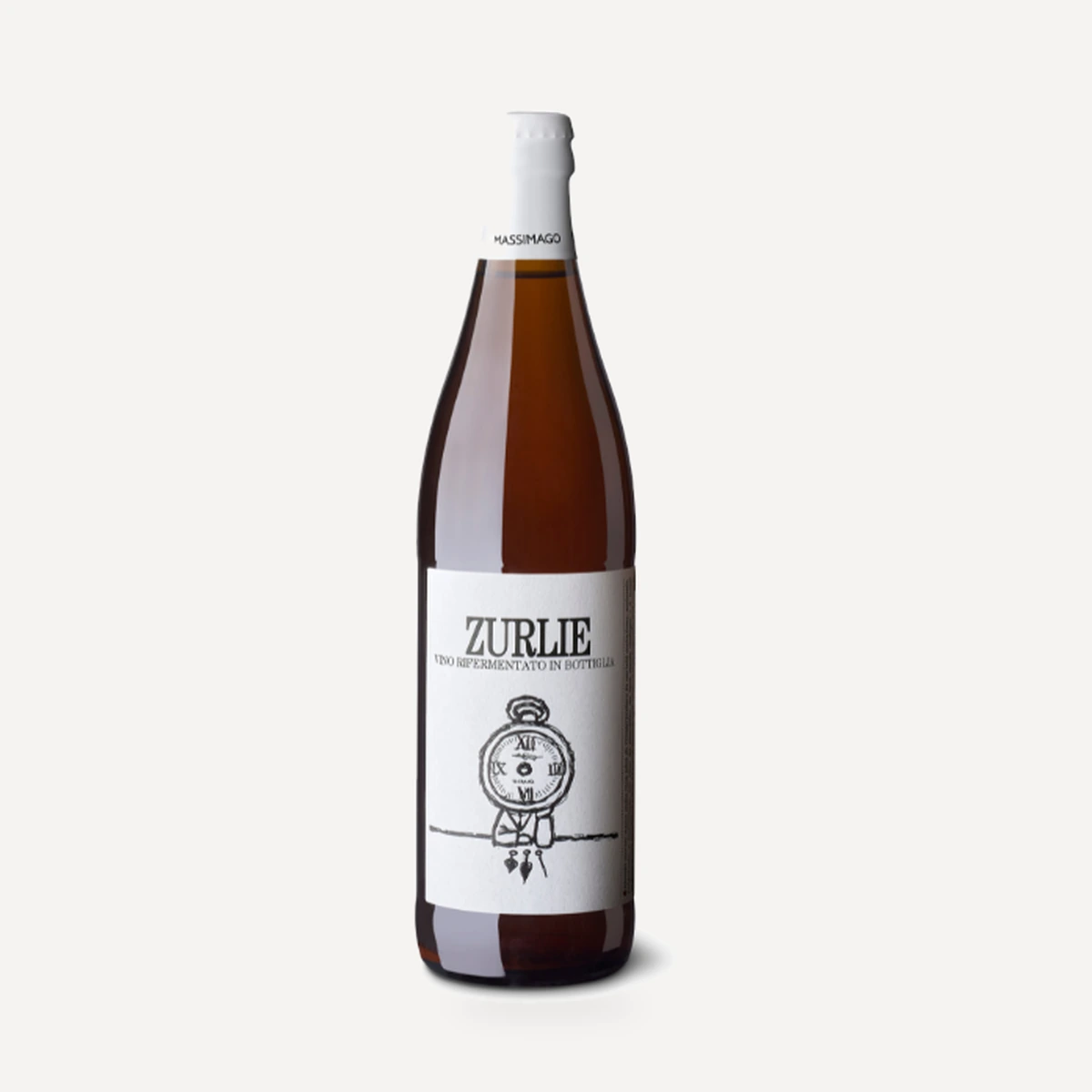
Bottle refermentation of local varieties began as an experiment in expressing the vineyards’ minerality and freshness through a new interpretation of Valpolicella tradition. The label, “Uomo senza tempo,” is by Franco Chiani and arose from an idea by Camilla Rossi-Chauvenet and Franco Chiani.