Storia
The Cracco family and the nineteenth-century estate
Grape cultivation began here during the second half of the nineteenth century. The property entered the Cracco family—Camilla Rossi Chauvenet’s maternal family—in 1883. Local traditions remained central to its agricultural identity, and a country building dating from that year still stands among the vineyards.
The name Massimago derives from the Latin expression Maximum Agium, associated with the highest degree of wellbeing.
Camilla Rossi Chauvenet and the 2003 relaunch
In 2003, Camilla Rossi Chauvenet took the reins and renewed and relaunched the property as both a winery and Wine Relais. What had been a welcoming country home progressively became what she describes as an atelier and creative workshop. The production facilities likewise evolved gradually from a garage into a fully functioning winery capable of parcel-by-parcel micro-vinification and blending.
Organic conversion
Massimago began producing its wines entirely from organically farmed grapes in 2008. Formal organic certification followed in 2014. Forest and natural depressions surrounding the vineyard parcels help isolate the estate from spray drift, supporting this approach.
New projects and winery development
The sparkling rosé project later known as Magò began with the 2012 season, when drought conditions encouraged an experiment with the acidity and aromatic character of Corvina and the estate’s other red varieties.
In 2017, Massimago enlarged the areas devoted to winemaking and maturation. The expansion made it possible to use the winery’s capacity more fully and to transfer wine by gravity from the fermentation zone to storage. Maturation was organized between a cellar for barriques and tonneaux and a larger barrel room beneath the manor house for the principal wines.
Parcel research has continued alongside the physical development of the winery. Thirteen distinct parcels have been identified and are vinified separately, while newer projects such as SVM400 Macie and SVT300 Terrazze extend the estate’s focus on the individual character of its vineyards.
Terroir
Massimago occupies a single property in the Mezzane valley, in the more secluded eastern part of Valpolicella and a few kilometres from the Lessinia Natural Park and the castle of Soave. The valley is described as deeply agricultural and comparatively intact. It was once submerged by the sea, and the resulting soils vary with elevation.
The 28-hectare property rises from approximately 80 to 350 metres above sea level and has a predominantly southwestern exposure. Forest and natural valleys surround and protect the vineyard parcels, creating physical separation from neighbouring cultivation. The vineyards used for particular selections extend across distinct elevations and exposures; named sites represented in the current range reach approximately 400 metres.
The estate’s soil profile forms a layered mosaic of:
- red clay rich in organic matter and colloids;
- white or pink, floury limestone associated with freshness and mineral character;
- porous, floury marl mixed with limestone and quartz fragments, providing effective drainage;
- deeper rocky strata in the terraced vineyards, where roots must penetrate hard rock.
These differences underpin Massimago’s identification of 13 parcels and its practice of studying and vinifying them separately.
Vinificazione
Massimago has produced exclusively from organically farmed grapes since 2008 and has held organic certification since 2014. The surrounding forest and natural valleys provide a buffer against spray drift.
Viticultural and environmental practices include green manure, integrated pest management, manual cutting of grass along the rows and protection of the estate’s forest as a biodiversity reserve. The property seeks to recycle its waste and uses photovoltaic panels together with water from its own well.
Parcel observation is central to vineyard management. Thirteen sites have been identified, and resources are devoted each year to studying their qualitative and organoleptic differences. The sites are harvested and vinified separately. Depending on parcel and grape purpose, harvesting extends from the end of August or mid-September into mid-October. Grapes are picked by hand; fruit intended for drying is selected in the vineyard for ripeness and sound condition and placed in small or perforated crates. Stated estate training systems include Guyot, low-trained Guyot and pergola veronese, with reported planting densities ranging from 3,000 to 7,000 vines per hectare in the documented vineyard selections.
The production facility developed gradually from a garage into a winery designed for micro-vinification and blending. The 13 identified parcels are vinified separately so that their differences can be evaluated and used in final blends. During the 2017 expansion, the areas for processing and maturation were enlarged, and the winery began exploiting gravity to move wine from the fermentation level to storage.
Maturation takes place in two cellars. One is dedicated to barriques and tonneaux; the larger historic barrel room beneath the manor house holds the principal wines. Vessels documented across production include stainless-steel tanks, French-oak barriques and tonneaux, and 20-hectolitre Allier and Slavonian oak casks. Massimago limits sulphite additions and conducts new experiments each year with the oenology departments of the universities of Milan and Conegliano.
Parcel handling and harvest
Hand-picked grapes are selected in the vineyard. Fresh-fruit wines are fermented without drying, while grapes intended for Amarone undergo appassimento. The estate’s harvest calendar runs from late August for fruit intended to retain higher acidity through mid-October for later parcels.
Appassimento
Healthy, fully ripe bunches are placed in the Fruttaio before crushing. The building is designed for continuous airflow, preventing stagnant humidity and permitting gradual temperature changes. Its Japanese-inspired system uses natural winds in place of mechanical ventilation. Depending on the selection, documented drying periods extend from about 90 to 100 days or roughly three to four months.
Fermentation and maturation
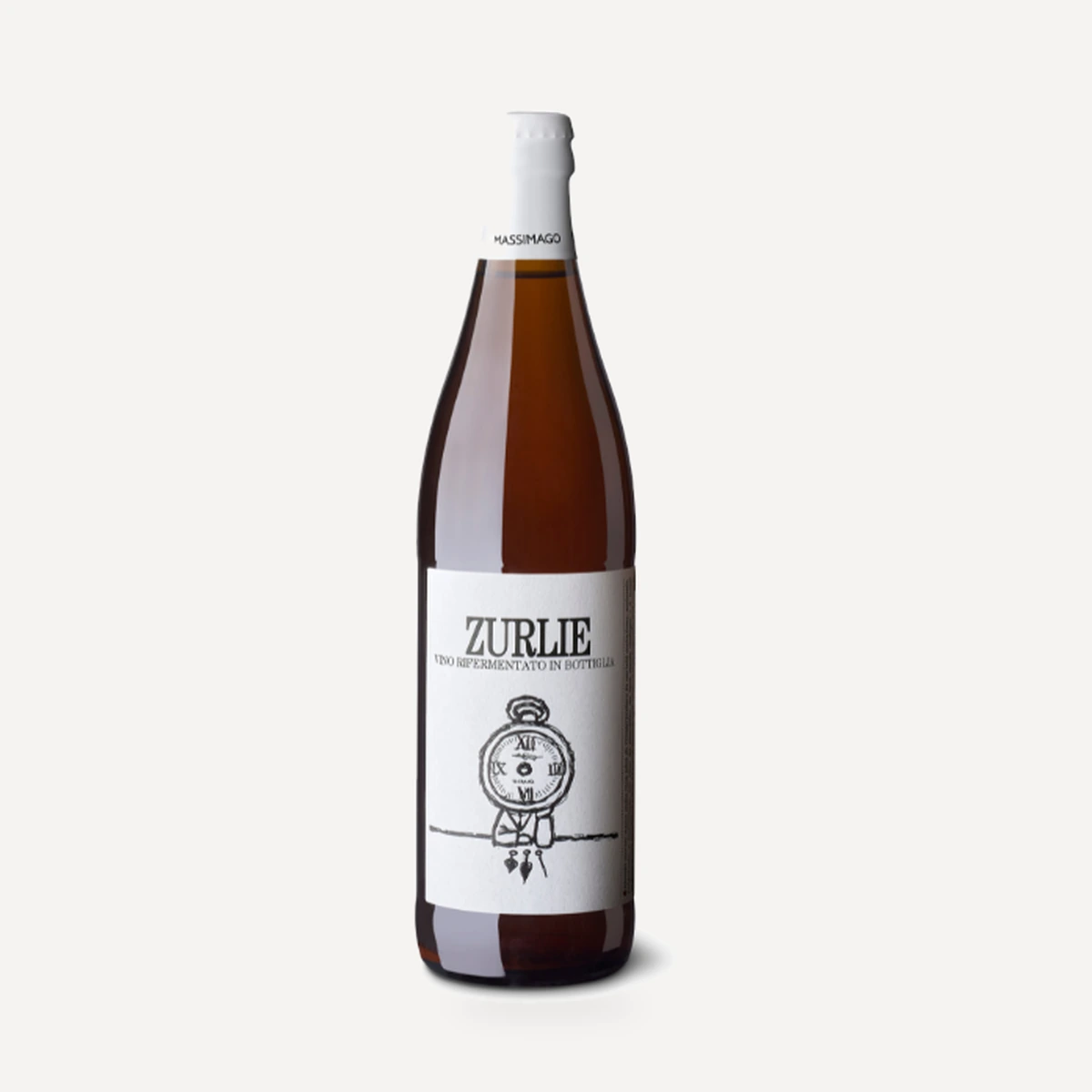
Practices documented across the range include gentle destemming and crushing, cold maceration, fermentation and maceration in stainless steel, malolactic fermentation in steel or oak, maturation on fine lees in steel, and ageing in French oak or 20-hectolitre Allier and Slavonian casks. Ripasso production involves a second fermentation of fresh-grape wine on Amarone pomace. The bottle-refermented rosé is bottled with selected yeasts and nutrients; the spent yeasts settle in the bottle and remain in contact with the wine. Final maturation in bottle is an established part of several production paths.
Filosofia
Massimago defines quality through selected grapes, precise manual work, rigour, patience and deliberately limited quantities. Its creative principle is to express the surrounding land, personal sensibility and inherited history while allowing every vintage to retain a distinct character.
Camilla Rossi Chauvenet presents the estate as a slowly evolving creative workshop rather than a finished project. Nature sets the pace, while mistakes, successes and the people who support the project contribute to its development. This outlook connects tradition with experimentation: local practices and appassimento coexist with parcel research, micro-vinification, gravity handling and annual university collaborations.
Environmental responsibility is framed as a series of consistent everyday decisions: organic cultivation, green manure, forest protection, waste recycling, natural grape drying, solar energy and use of well water. Hospitality forms another part of the philosophy, serving as a way to share emotions, learn from guests and connect wine with culture, history, nature and wellbeing.
The wine program centres on elegance and the enhancement of individual parcels. Significant resources are invested in understanding the qualitative and sensory identity of each site, and vintage variation is treated as part of the estate’s authentic expression rather than something to erase.
Vini
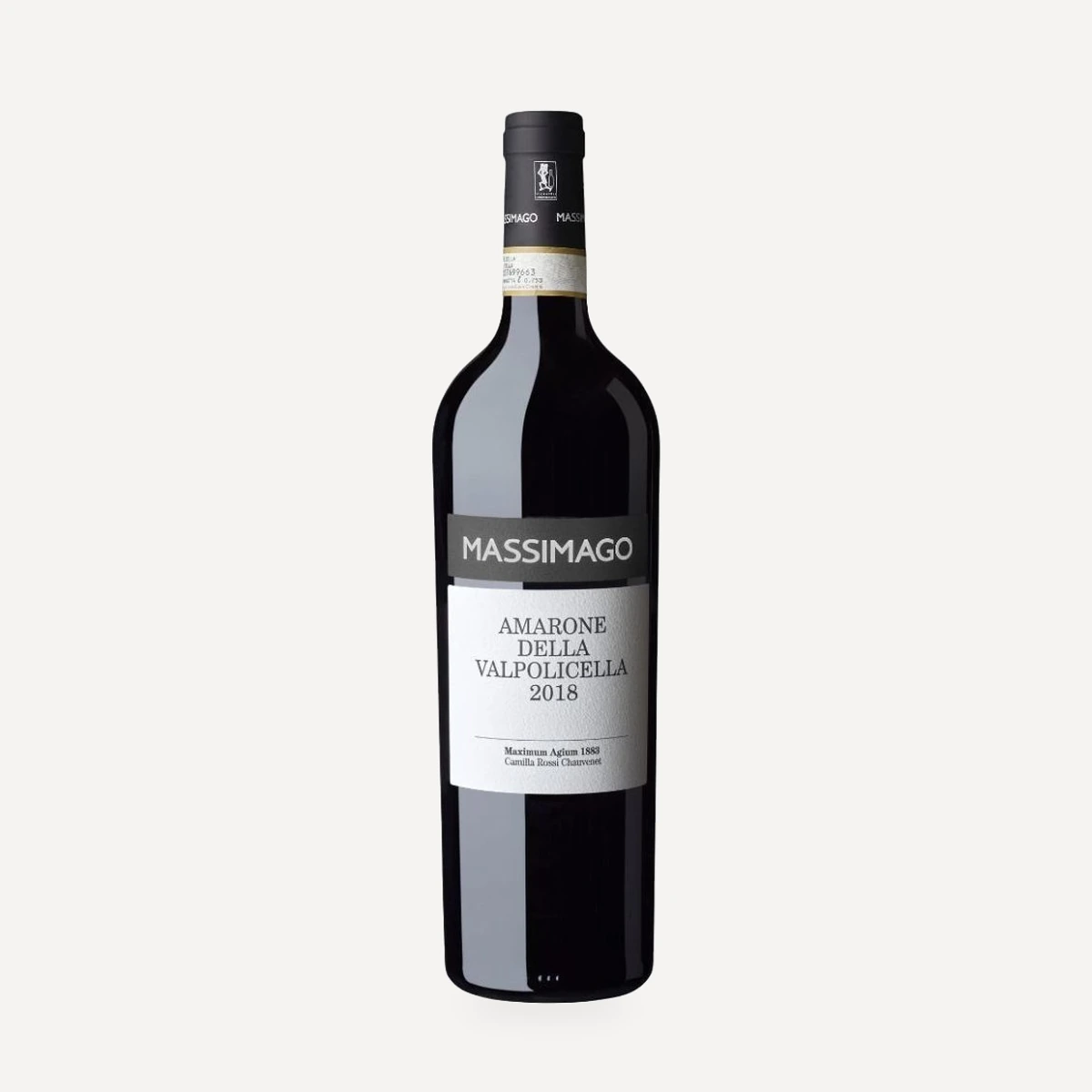
Amarone della Valpolicella DOCG
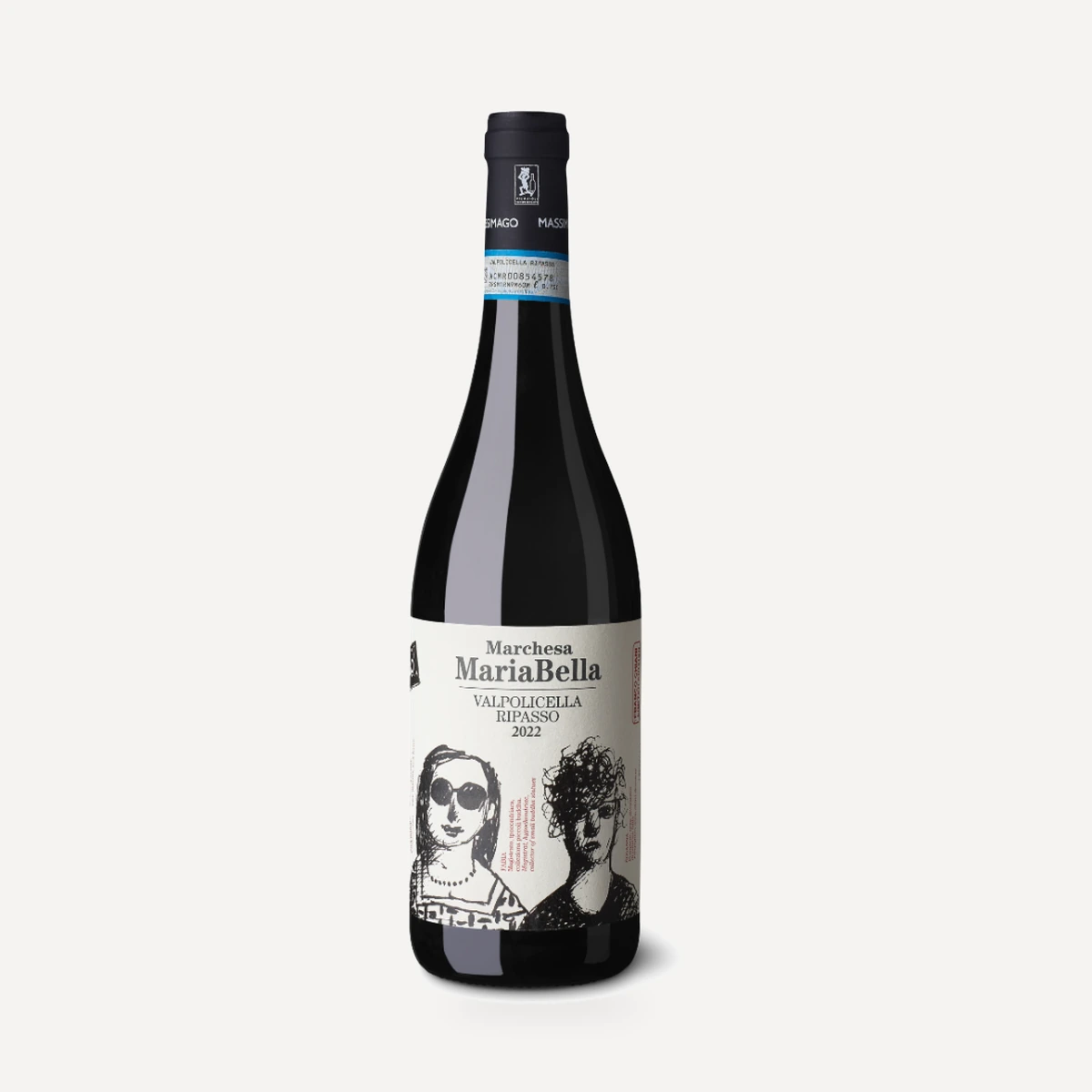
Marchesa Mariabella Valpolicella Ripasso DOC
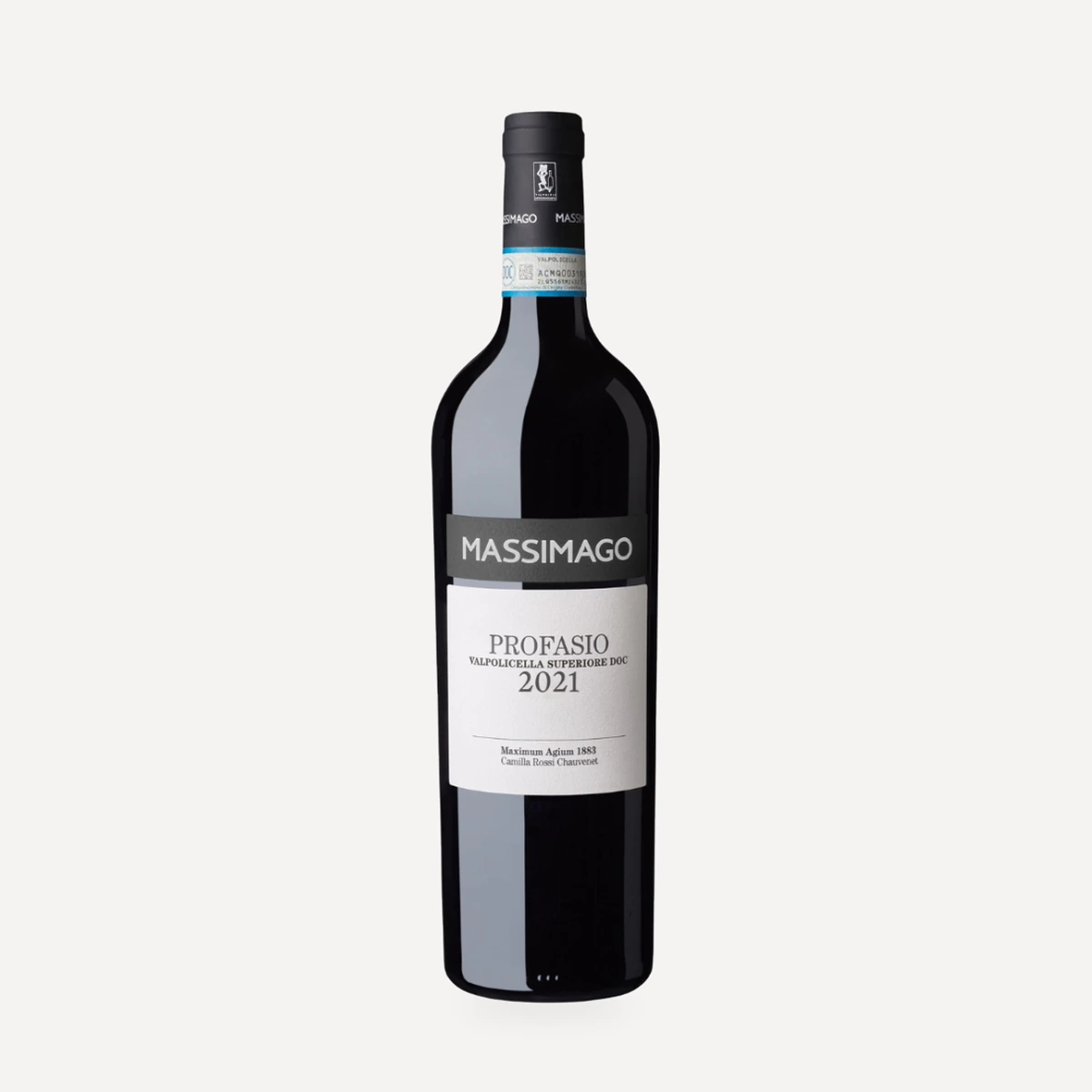
Profasio Valpolicella Superiore DOC
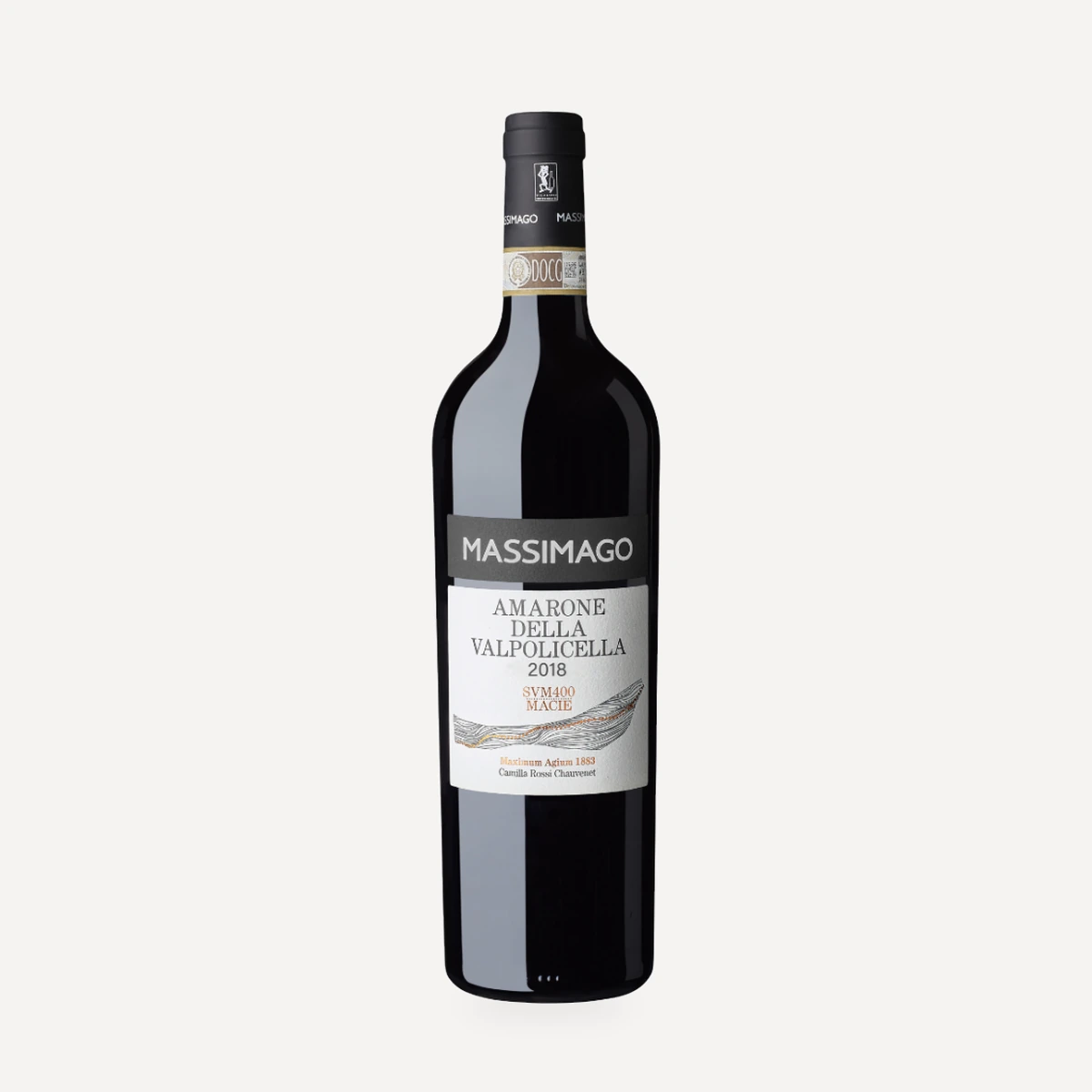
SVM400 Macie Amarone della Valpolicella DOCG
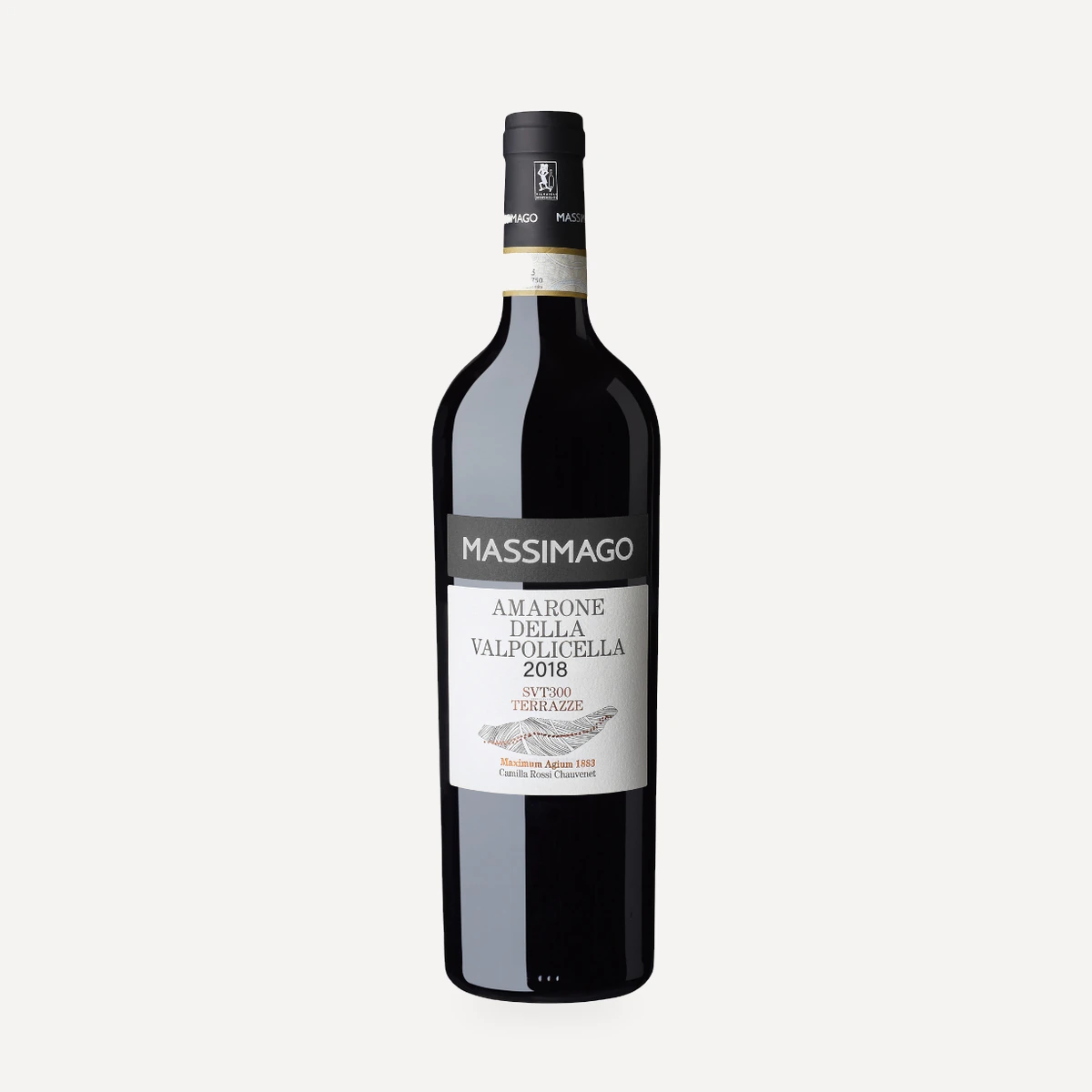
SVT300 Terrazze Amarone della Valpolicella DOCG