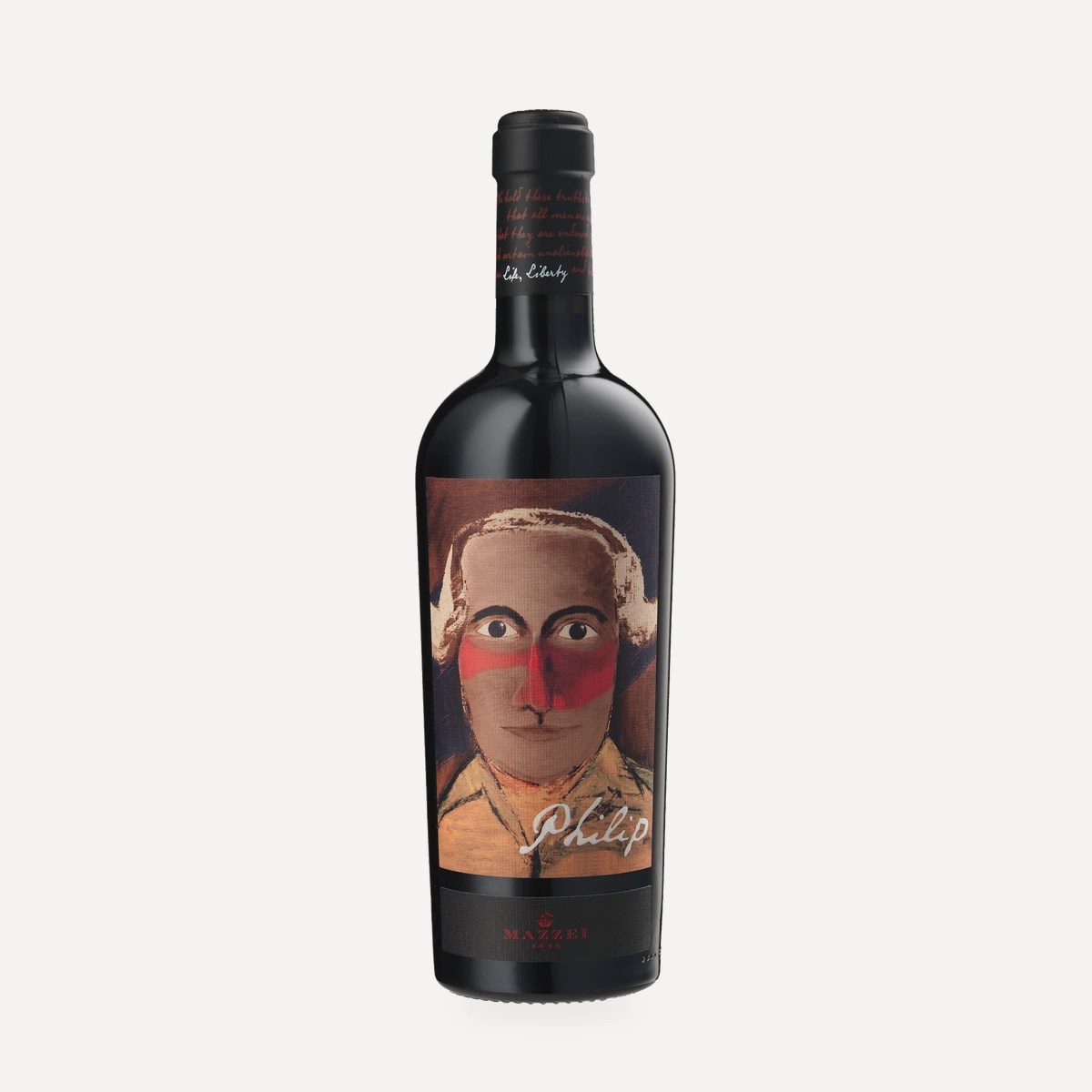
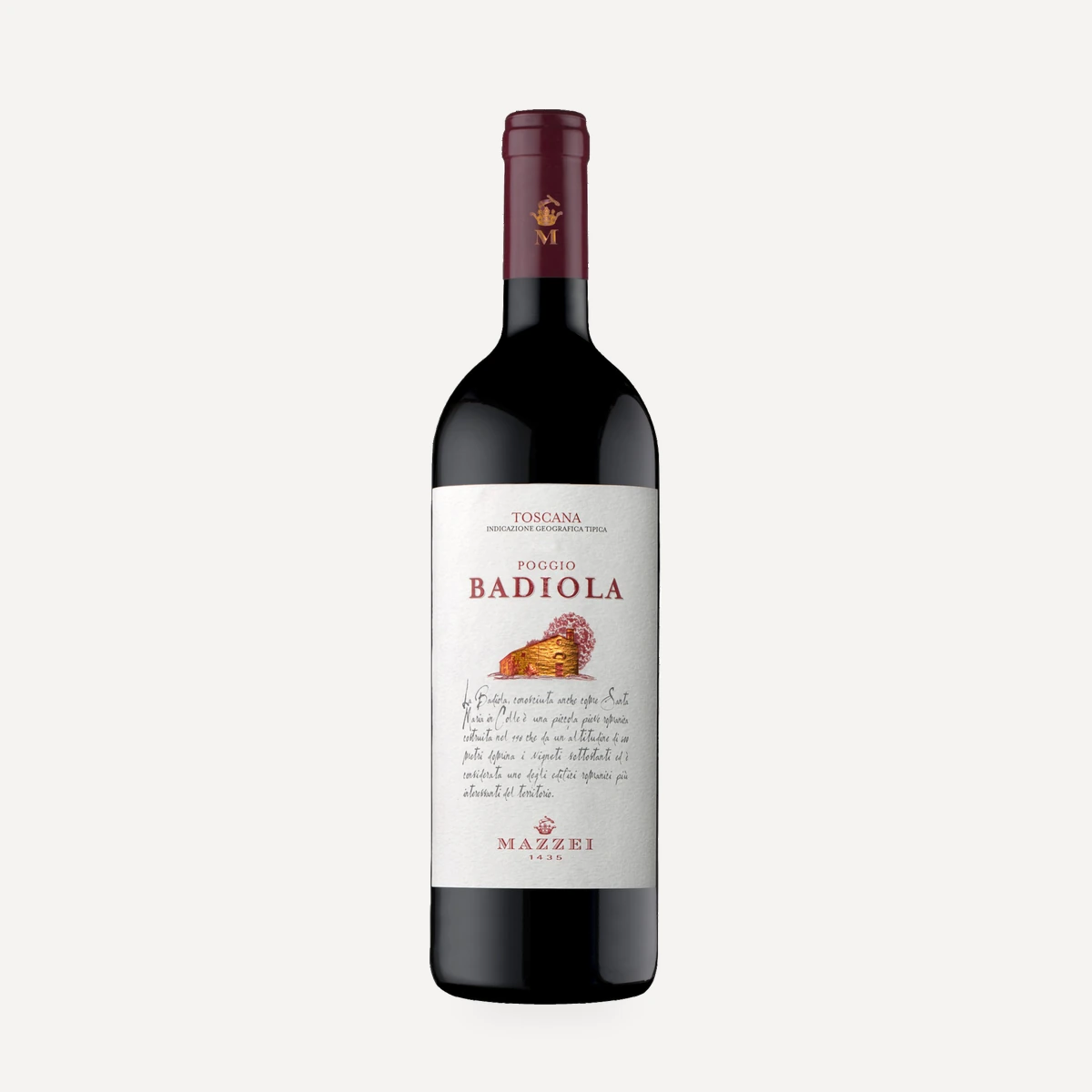
Questo vino
Vineyard and terroir
The Catarratto grows at the Zisola estate in Contrada Zisola, Noto, at 130 metres with southeast exposure. The medium-textured soil is predominantly calcareous. Proximity to the sea supplies ventilation, while the vines are head-pruned as traditional bush vines at a density of 5,550 plants per hectare. Low yields and Catarratto's natural acidity contribute freshness and longevity.
Grapes
100% Catarratto.
Vinification
The 2024 crop was harvested by hand in two passes, on 28 August and 6 September. Half the wine undergoes skin contact in cocciopesto vessels for three months, while the other half is made through conventional white-wine vinification. Fermentation takes place at 15°C.
Technical data
The 2024 vintage has 12.50% alcohol and total acidity of 6.20%. It was bottled in July 2025 and is scheduled for release in April 2026. Production is 9,900 bottles in 750 ml and 1.5 L formats. The first vintage was 2021, and ageing potential exceeds ten years.
Tasting profile
Freshness and longevity are central to the style, supported by the grape's characteristic acidity, the calcareous site, maritime ventilation and low-yield bush-vine cultivation. The split vinification is intended to build verticality, freshness and complexity.
Vintage notes
The 2024 season combined limited winter and spring rainfall with above-average temperatures. The principal phenological stages began slightly early, while summer heat waves advanced harvest by about ten days and reduced yields slightly. The harvested grapes nevertheless retained strong sugar concentration and good acidity; the white varieties showed notable freshness.