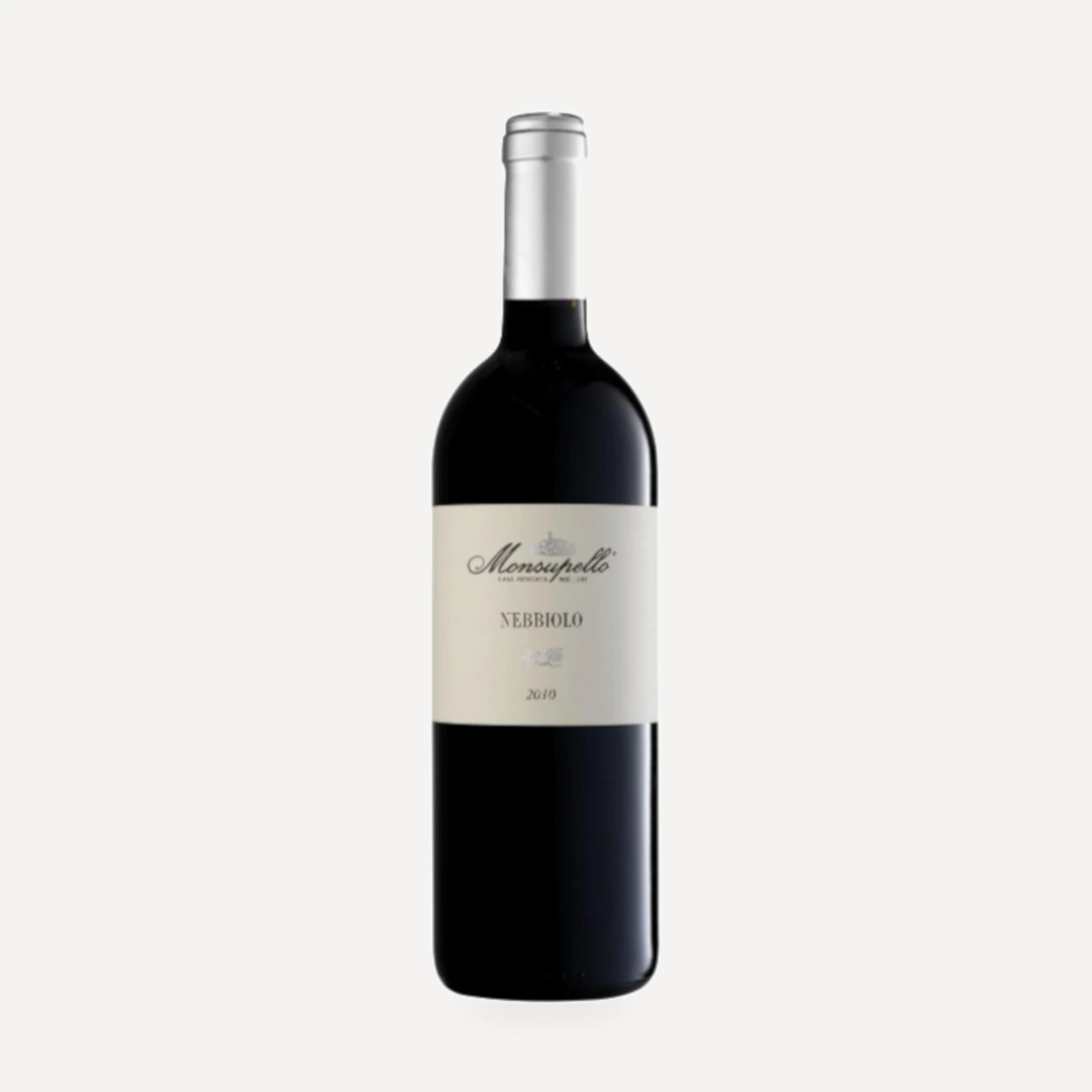
Questo vino
Vineyard and terroir
The Nebbiolo grows in the first hill belt of central Oltrepò Pavese, in Pietra de’ Giorgi. The Calcababbio vineyard faces south-west and has limestone-and-clay soil. The Guyot-trained vines are more than 20 years old, planted at 5,000 vines per hectare and cropped at 60 quintals per hectare.
Permanent grassing has been used since 1993 to balance canopy and roots, limit erosion on sloping ground and protect beneficial insects. Low-impact crop-protection products are applied according to seasonal needs. Bunch thinning follows veraison when required. The grapes are harvested manually in 18 kg crates in mid-October.
Grapes
100% Nebbiolo.
Vinification
The grapes are destemmed and crushed, then undergo one week of cold pre-maceration and approximately 14 days of alcoholic fermentation. The free-run wine is separated at racking. After three further rackings, it completes malolactic fermentation and matures in French oak. Light stabilization and filtration precede bottling.
Ageing
The wine matures for 30–36 months in first- and second-use French oak barriques.
Technical data
Alcohol: 14.00% vol. Residual sugar: under 3.00 g/L. Total acidity: 5.50 g/L. pH: 3.45. Dry extract: 28.00. Annual production: 3,000 bottles.
Tasting profile
Bright, intense violet in colour. Delicate raspberry, strawberry and violet meet notes of jam made from very ripe grapes, with barrique maturation contributing elegant vanilla. Full and robust, with persistent sweet tannins and substantial longevity. The overall style is elegant, austere, structured and fine.
Serving and pairing
Serve at 16°C. Pair with braised-meat ravioli, rich risottos, roast red meats, lamb chops, rabbit stew or guinea fowl with mushrooms.
Label / history
Nebbiolo spread into Oltrepò Pavese when the area belonged to Piedmont under the House of Savoy, but was later displaced by Barbera and Croatina. Its reintroduction recalls this local history. Geological and climatic studies by the Carlo Gallini Agricultural Technical Institute of Voghera found similarities between the Calcababbio site and the terroir of Neive in the Langhe, although Calcababbio has a warmer, less rainy climate.