Storia
Beginnings at Cà del Tava, 1893
Monsupello’s origins date to 1893, when the Boatti family was already tending its own vineyards at Cà del Tava, in the municipality of Oliva Gessi. The estate associates this place with the beginning of its enduring focus on Pinot Nero and Chardonnay and regards Cà del Tava as one of its principal crus.
Podere La Borla and the cellar, 1914
In 1914 the family acquired Podere La Borla, a second property a few kilometres away in Torricella Verzate. The Boattis established their cellar there. The same complex was subsequently enlarged and modernised to process grapes from both the original properties and the vineyards acquired over time.
Carlo Boatti: birth and succession
On 15 October 1932, Paolina Luigina was working in the vineyard despite being at the end of her pregnancy. She returned home shortly before giving birth to Carlo Boatti.
Carlo assumed leadership in 1954 and gave Monsupello a new direction. He sought vineyards in particularly suitable areas, strengthened grape selection and pursued wines that retained their aromatic identity while respecting the surrounding environment and community. His wife, Carla Dallera Boatti, worked beside him as spouse, business partner and source of inspiration.
Expansion and technical renewal, 1959
In 1959 Carlo carried the estate’s development further. He acquired land in Casteggio, Redavalle and Pietra de’ Giorgi, revised the varietal structure through the introduction of additional grapes, expanded the cellar and installed modern equipment for vinification, bottling and wine storage.
Podere La Borla became a decisive wine in the estate’s development. Its first vintage was 1961, when a still red wine was unusual in the Oltrepò context. Luigi Veronelli’s appreciation of La Borla helped bring Carlo Boatti and Monsupello wider recognition. The wine was later described as the first from Oltrepò Pavese to receive the Douja d’Or, in 1975, and it continues to be made only in selected vintages.
Carlo ultimately assembled 50 hectares of owned vineyards through the selection of parcels across Oltrepò Pavese. These holdings supply approximately half of Monsupello’s grape requirements.
Vineyard changes and manual harvesting
The family began grassing its vineyards at the end of the 1980s to manage excess water, improve the soil’s load-bearing capacity and preserve plant and animal biodiversity. Permanent grass cover became an estate practice, while manual harvesting in 18 kg crates has been used for both white and red grapes since 1993.
Recognition and succession
Carlo and Carla developed Monsupello as both a family enterprise and a recognised producer. Their work drew appreciation from figures including Luigi Veronelli and Gianni Brera. Carlo died in 2010, leaving his philosophy and the estate’s direction to his family.
Monsupello is now managed by Carlo’s heirs: Carla and their children Pierangelo and Laura. Pierangelo oversees work in the vineyards and cellar, participates with Laura in strategic decisions, supports the commercial network and acts as Chef de Cave. Laura leads marketing, communication, hospitality and creative direction. Her daughter Carlotta represents the family’s prospective next generation.
The winemaking team comprises Stefano Torre and Federico Fermini. They preserve the house style, compose the blends, monitor cellar production and coordinate vineyard work with agronomist Giovanni Bigot.
Social sustainability, 2023
In 2023 Monsupello organised its first harvest centred on social sustainability. Students and people held in Voghera prison worked together on the project. The resulting wine, Sprigionato, was created to raise funds for Associazione Terre di mezzo and to support inclusion and second opportunities.
Continuing development
During a vineyard and cellar presentation in July 2024, the estate demonstrated its use of the nine-parameter Bigot Index to evaluate the qualitative potential of individual vineyards and match grapes to the intended wine. Pierangelo Boatti also announced a new 100% Pinot Nero sparkling wine planned for 2025 and referred to further projects under development.
Terroir
Monsupello’s vineyards occupy the first band of hills in central Oltrepò Pavese, principally around Torricella Verzate, at approximately 160–200 metres above sea level. The 45th parallel crosses the estate’s 50 hectares.
The terrain is sloping, giving the vines favourable exposure for ripening. Ventilation helps maintain healthy grapes, while day-to-night temperature variation intensifies aromatic expression. The substrata combine clay with calcareous and tuffaceous material and Pliocene marl. Individual vineyard descriptions also identify calcareous, clay-calcareous, clay-sandy and clay-silty soils.
The vineyard geography extends across Torricella Verzate, Oliva Gessi, Casteggio and its Mairano locality, Redavalle, Pietra de’ Giorgi, Santa Maria della Versa and Pometo. The combination of exposures, inclines and soil types supports both the local varieties Croatina and Barbera and a broad group that includes Pinot Nero, Chardonnay, Riesling Renano, Sauvignon, Moscato, Pinot Grigio, Merlot and Cabernet Sauvignon; Nebbiolo and Müller-Thurgau were planted more recently.
Vinificazione
Monsupello employs low-yield cultivation and allows each vineyard to ripen at its own pace. Permanent grass cover has been central to vineyard management since the end of the 1980s and was established as a systematic practice by 1993. It balances the relationship between root system and canopy, limits erosion on steep slopes, helps manage excess water, improves the ground’s bearing capacity and protects useful insects and wider plant and animal biodiversity.
Green manure and sown legumes return nutrients and nitrogen to the soil, build organic matter and sustain biological activity. Crop-protection products are selected for low environmental impact according to the needs of each season, while current vineyard descriptions record the avoidance of chemical herbicides.
Guyot pruning is adapted to variety and site, generally beginning between late November and January and retaining approximately seven to nine buds per vine. From May, shoot thinning, removal of basal shoots and tying of the principal shoots regulate vegetative growth and crop balance. Cluster thinning may follow véraison, sometimes in two passes. It redistributes the crop nearer the trunk, prevents bunch crowding and the associated risk of grey mould in wet years, and promotes healthier fruit with greater sugar, aromatic and phenolic concentration.
Harvesting has been entirely manual since 1993. Both white and red grapes are placed in 18 kg crates, allowing selection of bunches at the intended maturity and sugar balance while preserving fruit integrity.
The estate applies the Bigot Index to assess the qualitative potential of individual vineyards and direct grapes toward the appropriate wine. Its nine parameters are yield, exposed leaf area, the ratio between leaf area and grape weight per vine, grape health, bunch type, vine water status, vegetative vigour, biodiversity and microorganisms, and vineyard age.
Monsupello’s cellar was established at Podere La Borla after its acquisition in 1914 and was subsequently enlarged and modernised. Carlo Boatti’s 1959 programme added modern facilities for vinification, bottling and storage. The cellar now works with temperature-controlled stainless-steel tanks, autoclaves, concrete vessels, barriques and larger wooden containers.
Metodo Classico
White vinification for the traditional-method sparkling wines begins with gentle pressing of whole bunches. The first fraction of juice is kept apart from later pressings; depending on the cuvée, this represents approximately the first 45–50% of the liquid yield. The first juice is clarified, racked and fermented in stainless steel at controlled temperatures, with documented protocols between 16°C and 18°C.
After steel maturation, selected lots and, where required, reserve wines or wood-matured Chardonnay are assembled. The cuvée undergoes protein and tartaric stabilisation and filtration. At tirage, wine, sugar and selected yeasts are added in Champagne bottles, which are closed with bidules and crown caps. Secondary fermentation takes place in the cellar at a constant 12–15°C.
Ageing on the yeast deposits varies by cuvée: a minimum of 36 months is used for Nature, while Cà del Tava remains on its lees for at least 70 months. Bottles then undergo remuage, followed by disgorgement to remove the fermentation deposit. Depending on the style, a liqueur d’expédition may be added; the finished bottles are closed with mushroom-shaped corks. Disgorgement may also be demonstrated à la volée in the cellar.
Still and semi-sparkling wines
Red-wine protocols include destemming and crushing, cold pre-maceration, alcoholic fermentation and separation of the free-run wine after approximately 8–14 days, according to the lot. Malolactic fermentation is used for red wines. Maturation may take place in stainless steel, concrete or French oak. The cellar employs French barriques with different previous uses, wood selection and toast adjusted to the character sought; some reserve reds mature for 30–36 months.
Semi-sparkling production may involve the addition of sweet must and selected yeasts followed by a second fermentation in autoclave. Wines are then stabilised, filtered or microfiltered as appropriate and bottled.
Monsupello produces approximately 170,000 bottles of Metodo Classico and 150,000 bottles of still and semi-sparkling wine each year.
Filosofia
Monsupello defines its house style through elegance, freshness, tension, purity of fruit and the detailed expression of individual grape varieties. The family presents continuity not as immobility but as a basis for exploring new paths, linking Carlo Boatti’s legacy with Pierangelo and Laura’s contemporary interpretation of sparkling wine.
The estate’s approach joins tradition and technical evaluation. Vineyard work is treated as indispensable, while the Bigot Index provides a scientific framework for matching the qualitative potential of each site to the intended wine. In the cellar, blending, choice of maturation vessel, selection of French oak and toast, and extended lees ageing are used to shape the desired result.
Environment and biodiversity are placed at the centre of vineyard management. Permanent grass cover, green manure, legumes, low yields and patient ripening are intended to maintain living soils and integrate the vineyards with the landscape.
Family identity is paired with a collective working model. Pierangelo and Laura share strategic responsibility with Carla, the oenologists and agronomic team. The family describes its wines as a self-portrait shaped by differing personalities but held together by a common style.
Socially, Monsupello declares commitments to gender equality, equitable access, inclusion, mutual support and second opportunities. The 2023 Sprigionato project translated those principles into a joint harvest by students and people held in Voghera prison, with funds directed to Associazione Terre di mezzo.
Vini
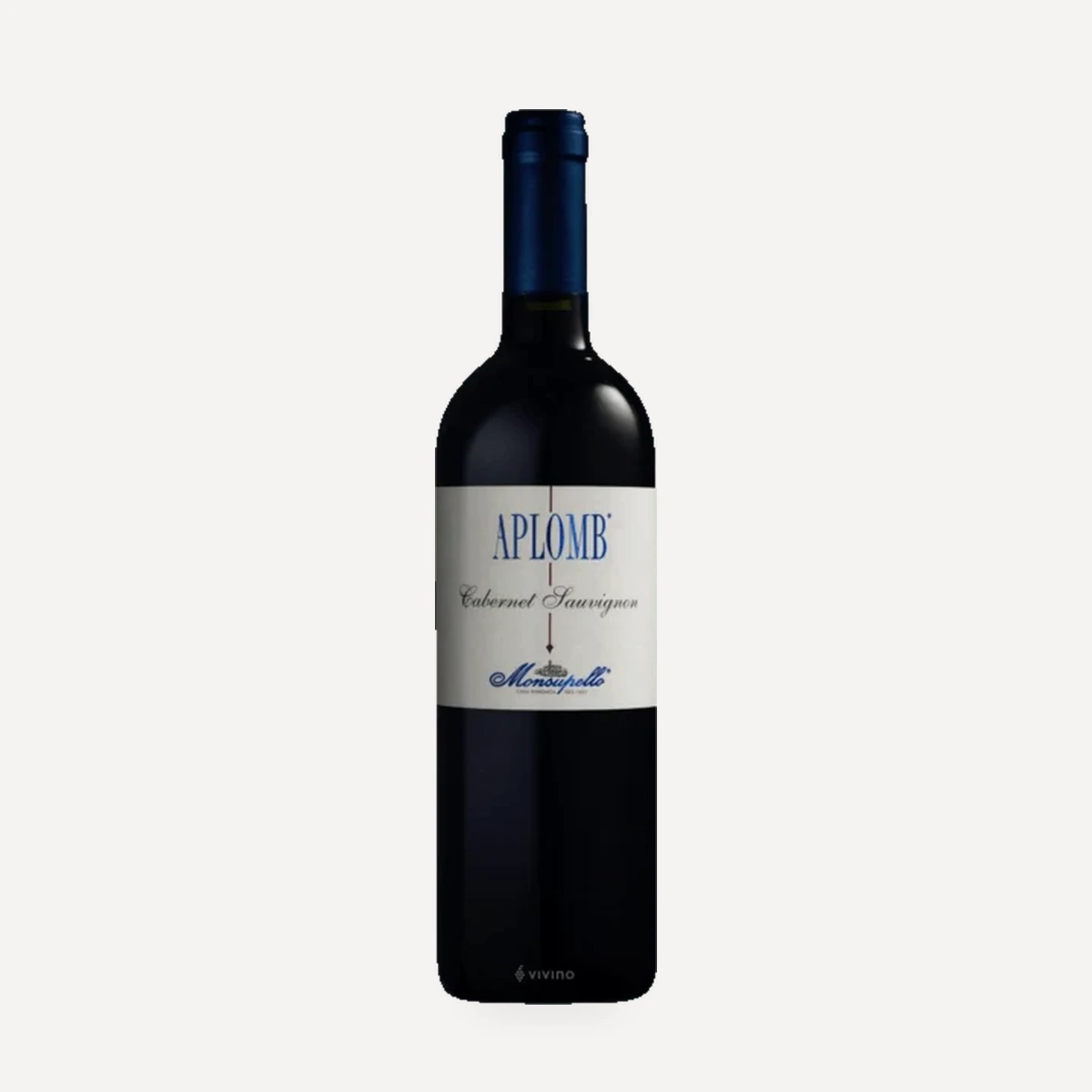
Aplomb
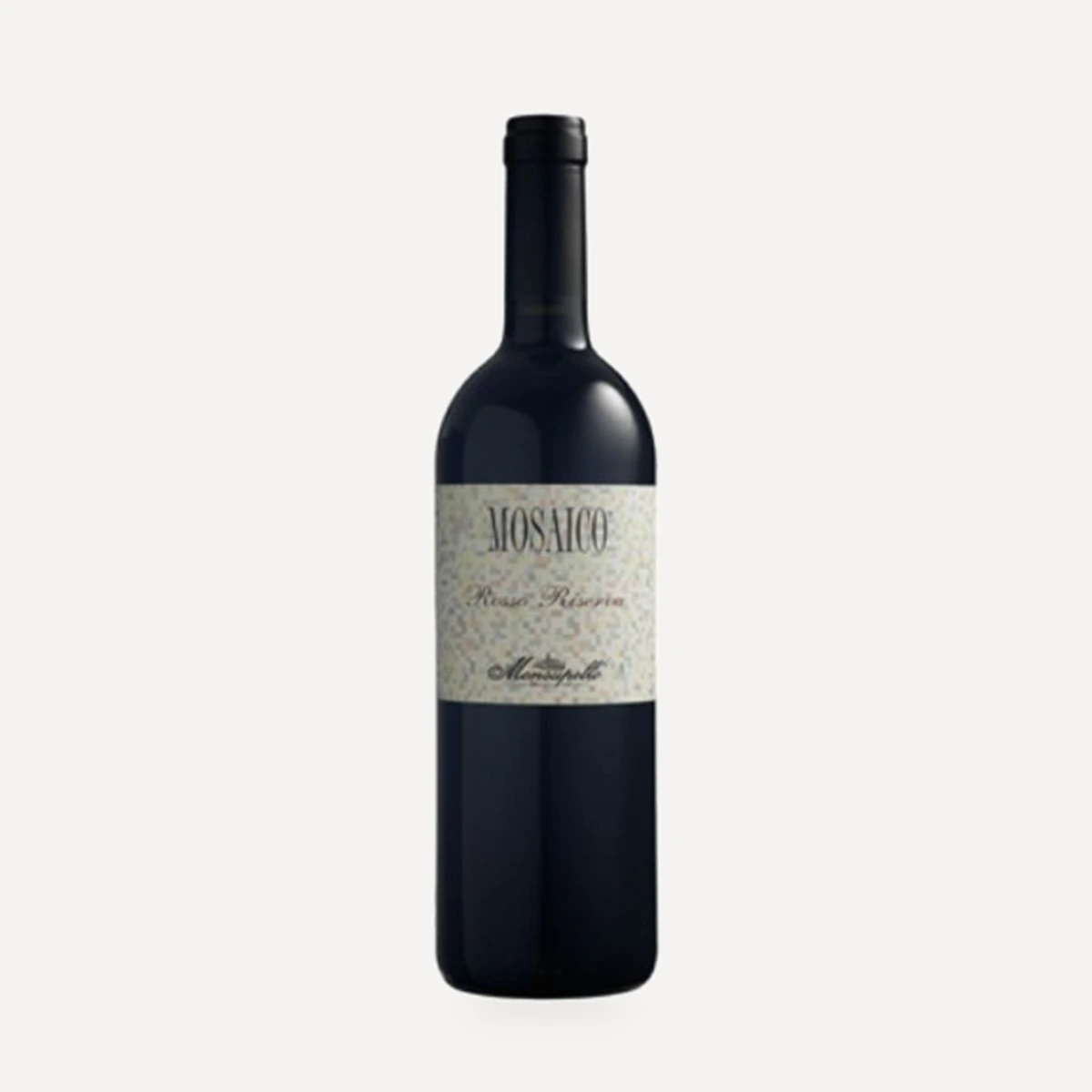
Mosaico
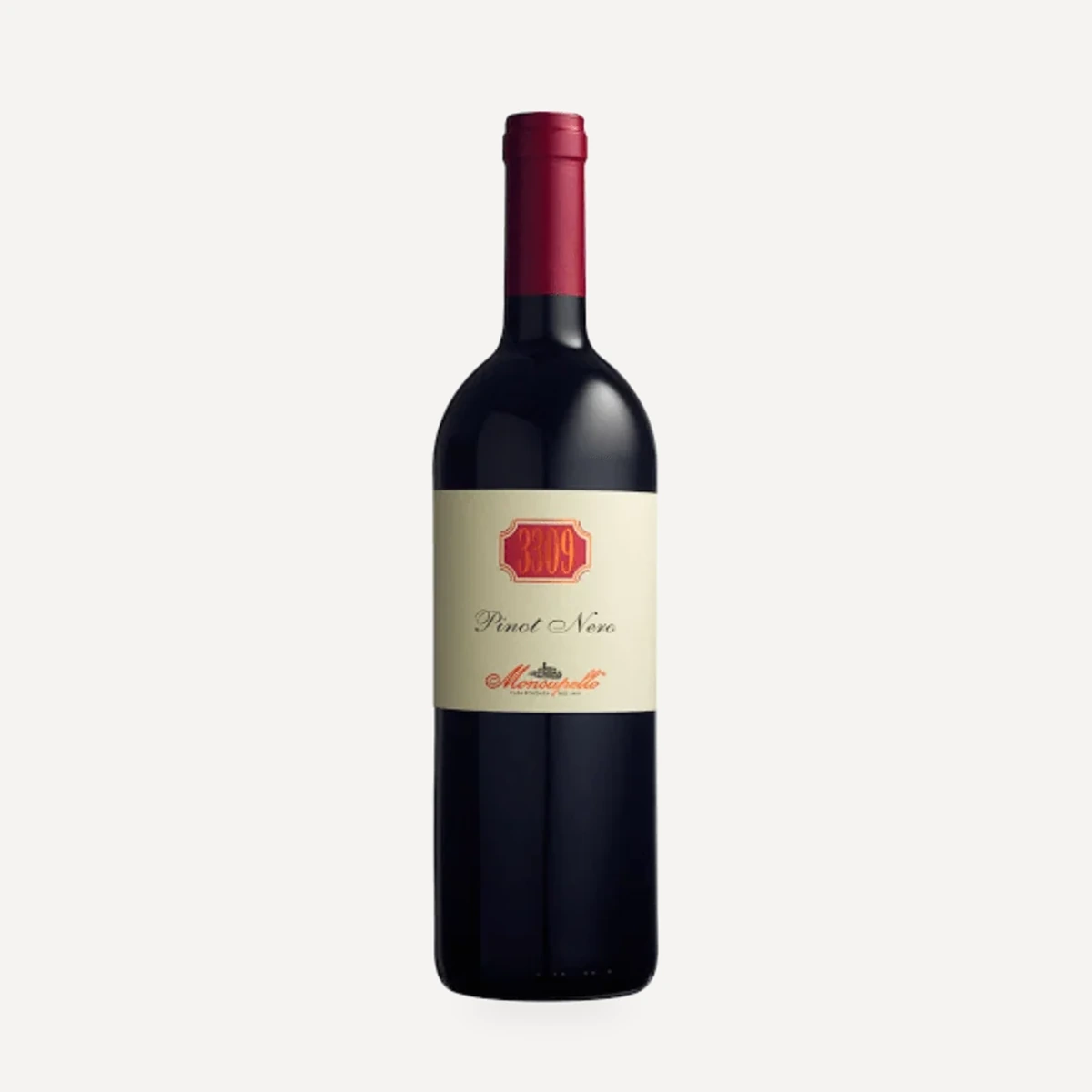
3309
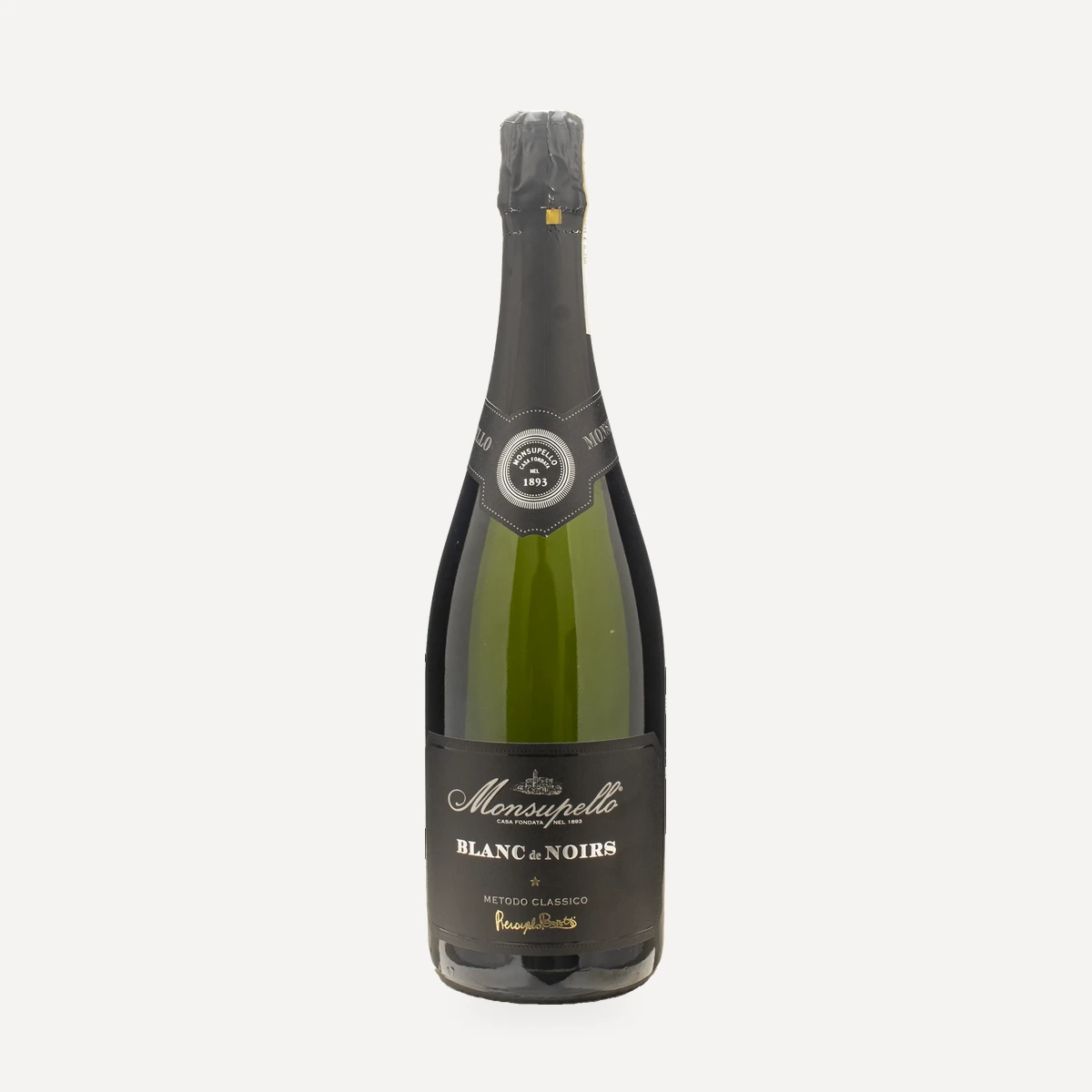
Blanc de Noirs
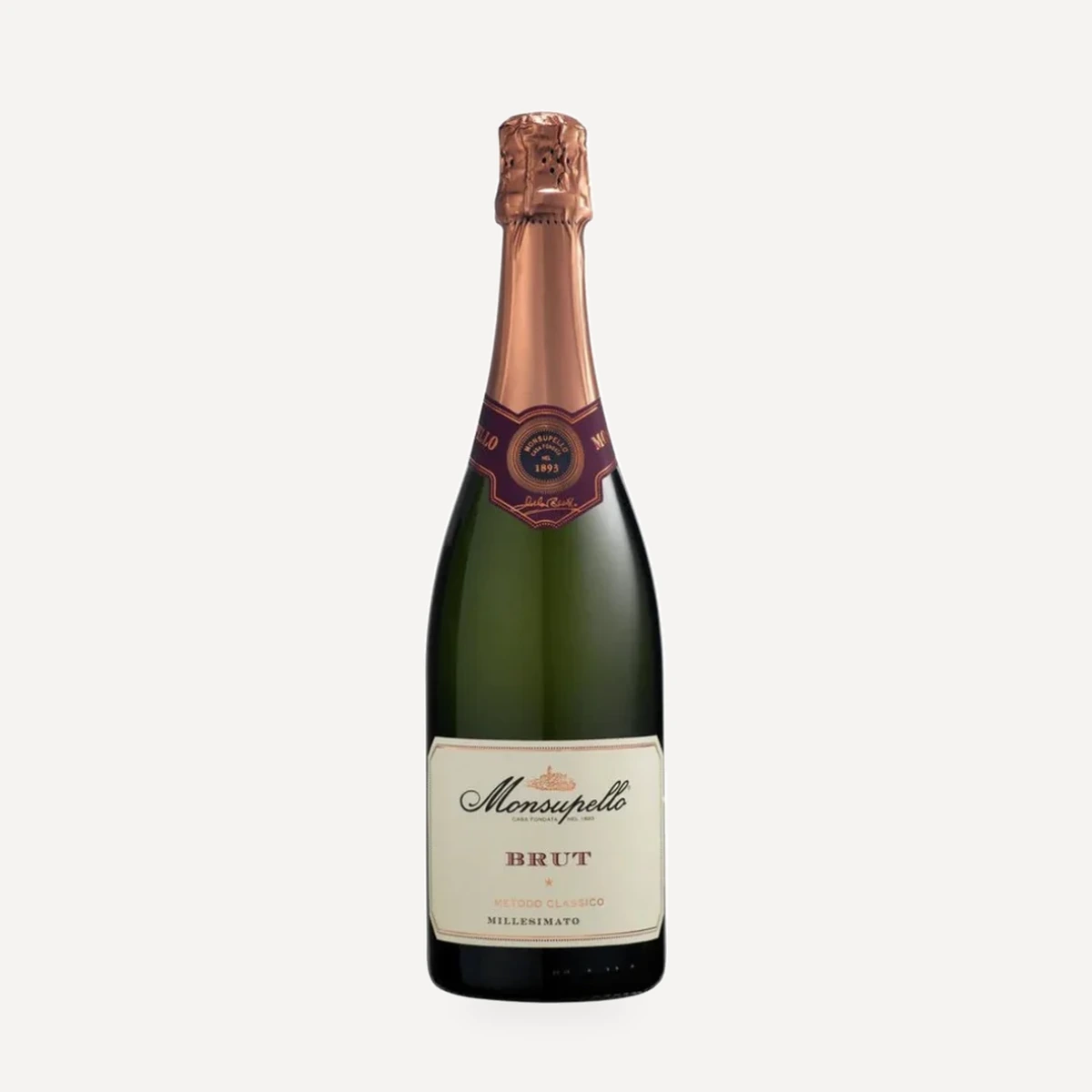
Brut Millesimato
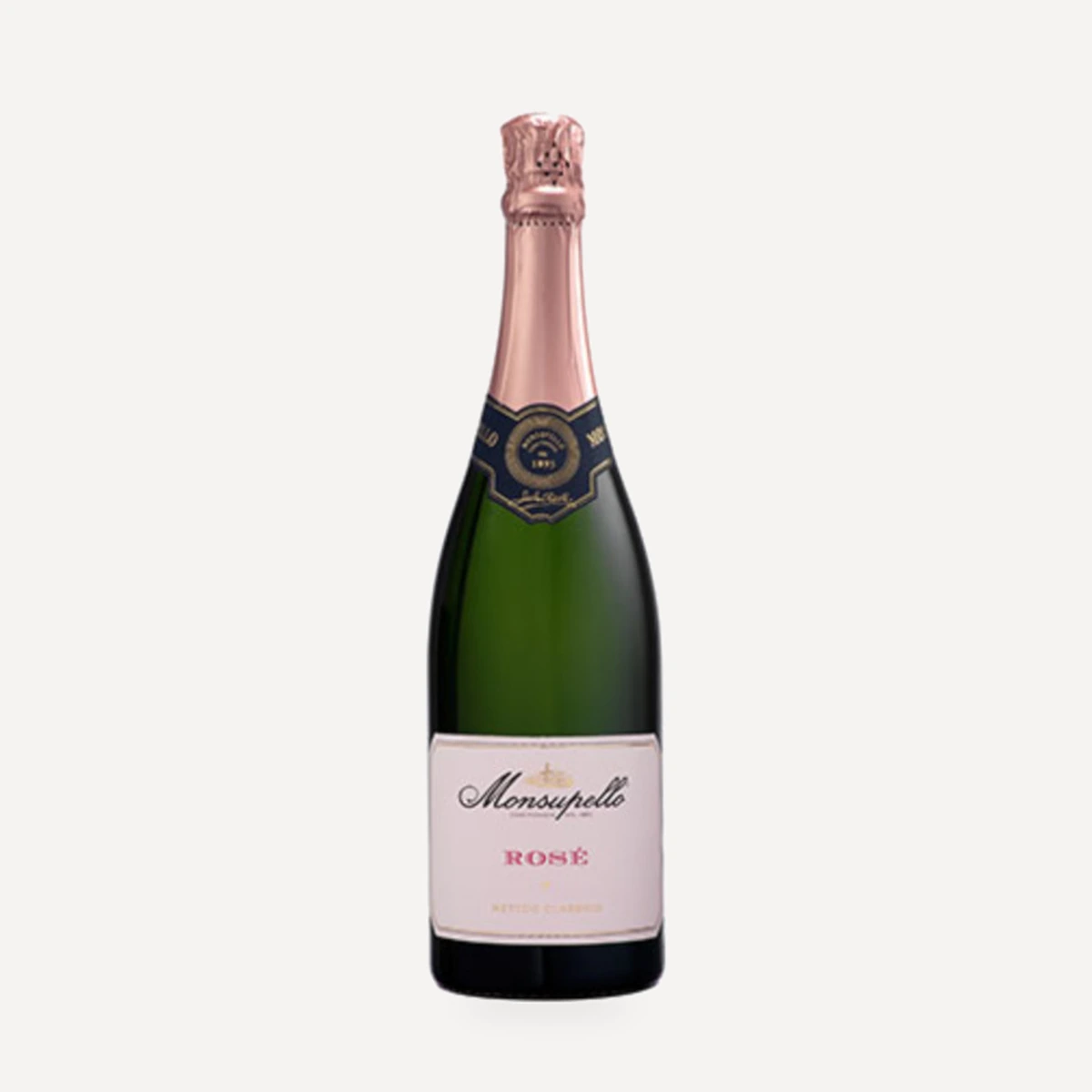
Brut Rosè
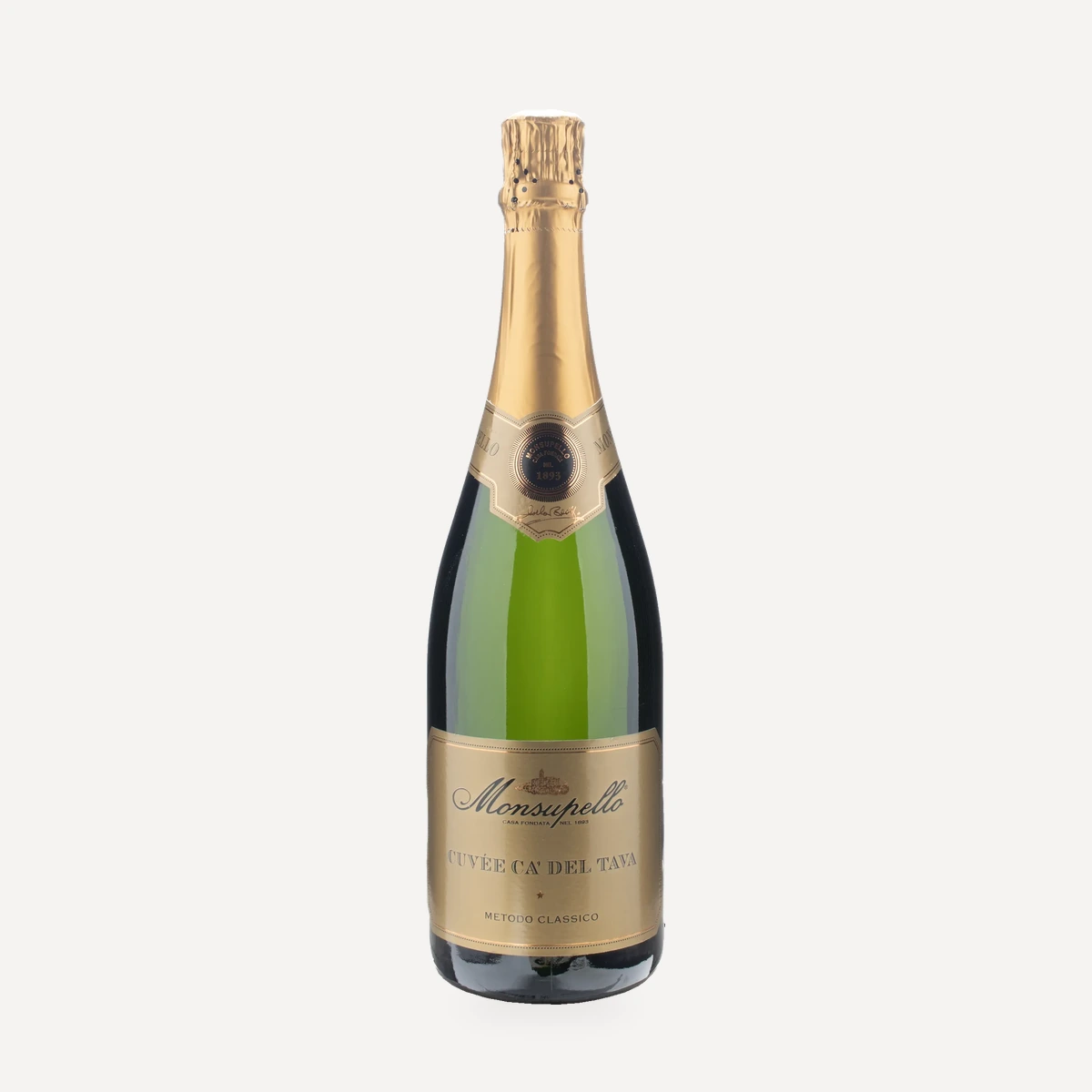
Ca' del Tava
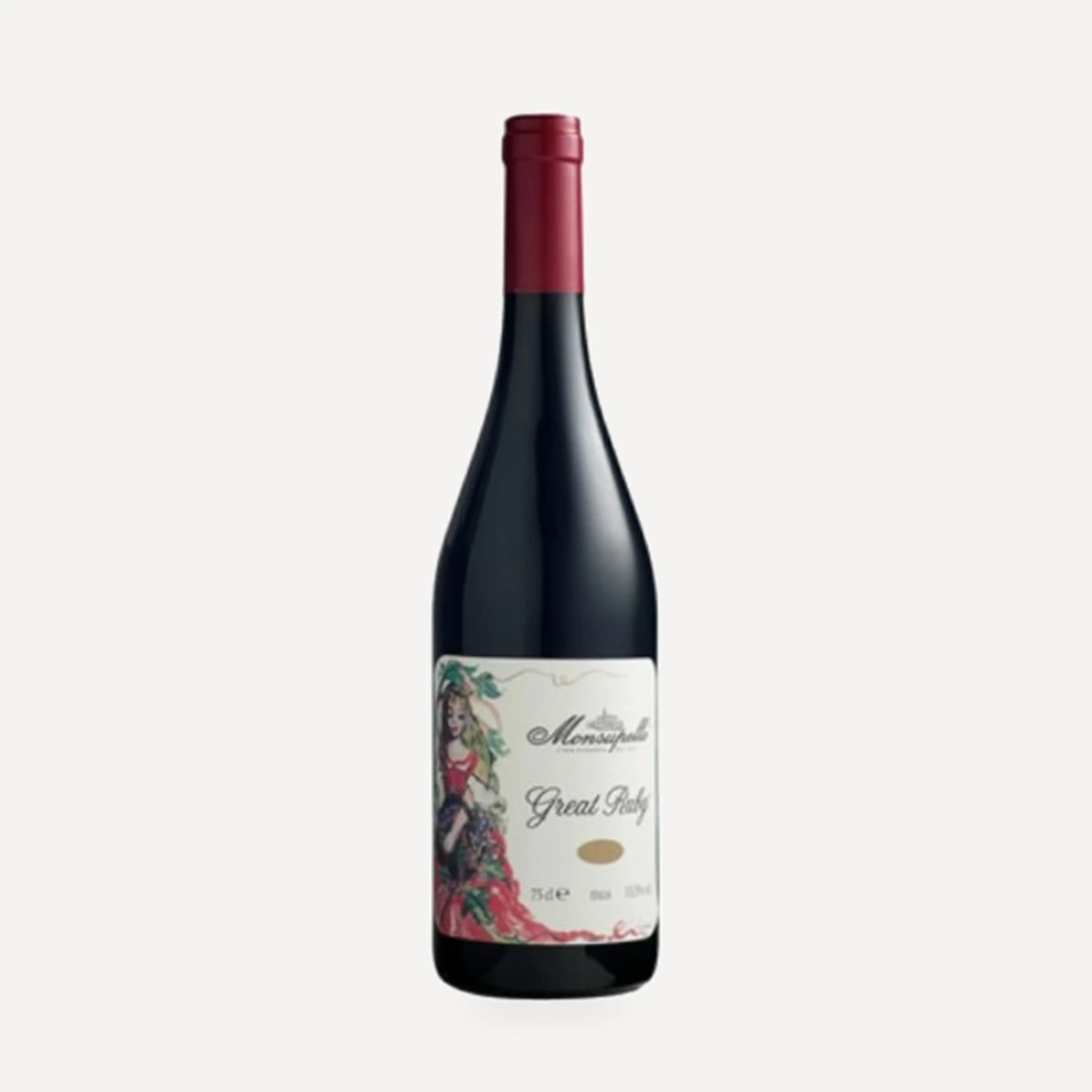
Great Ruby
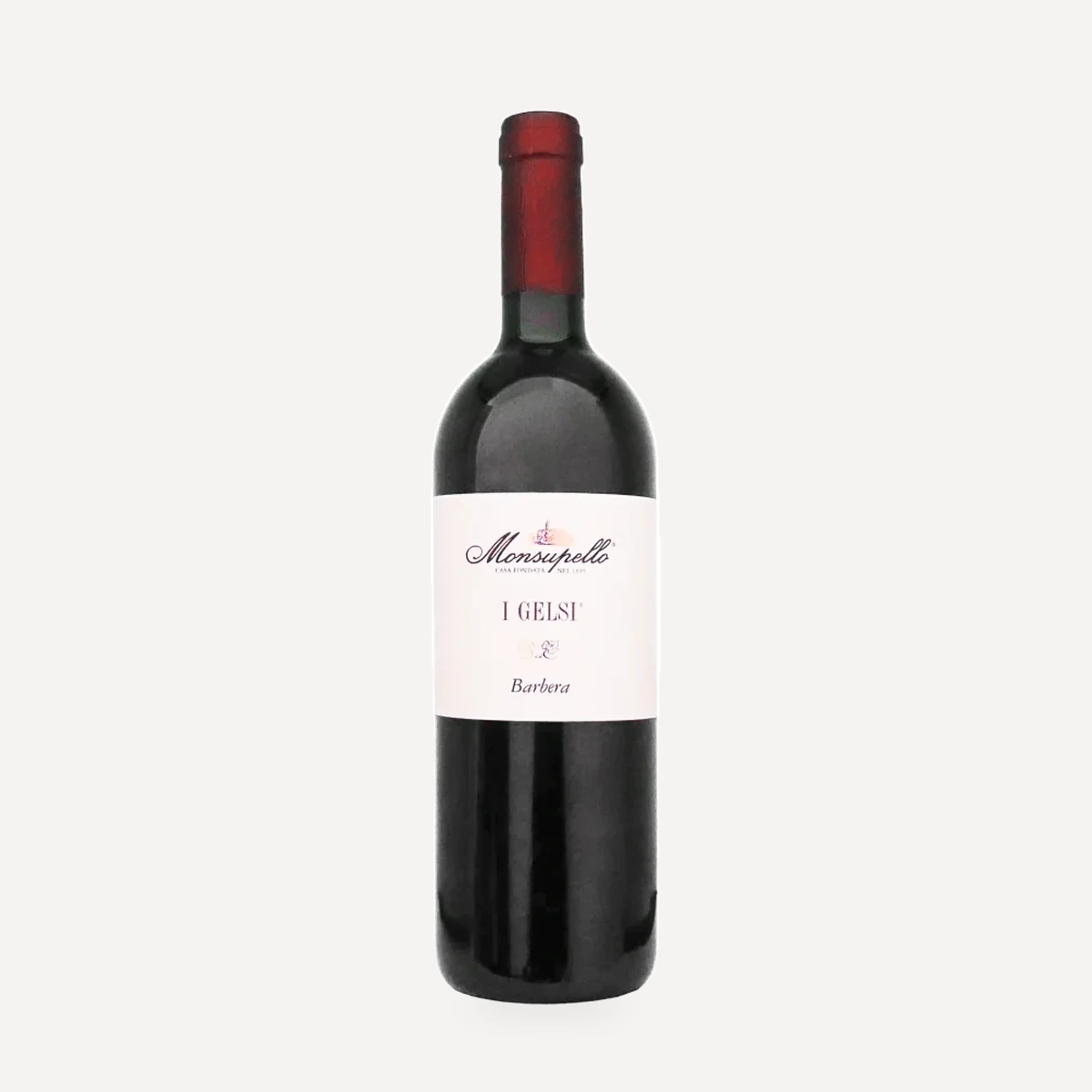
I Gelsi
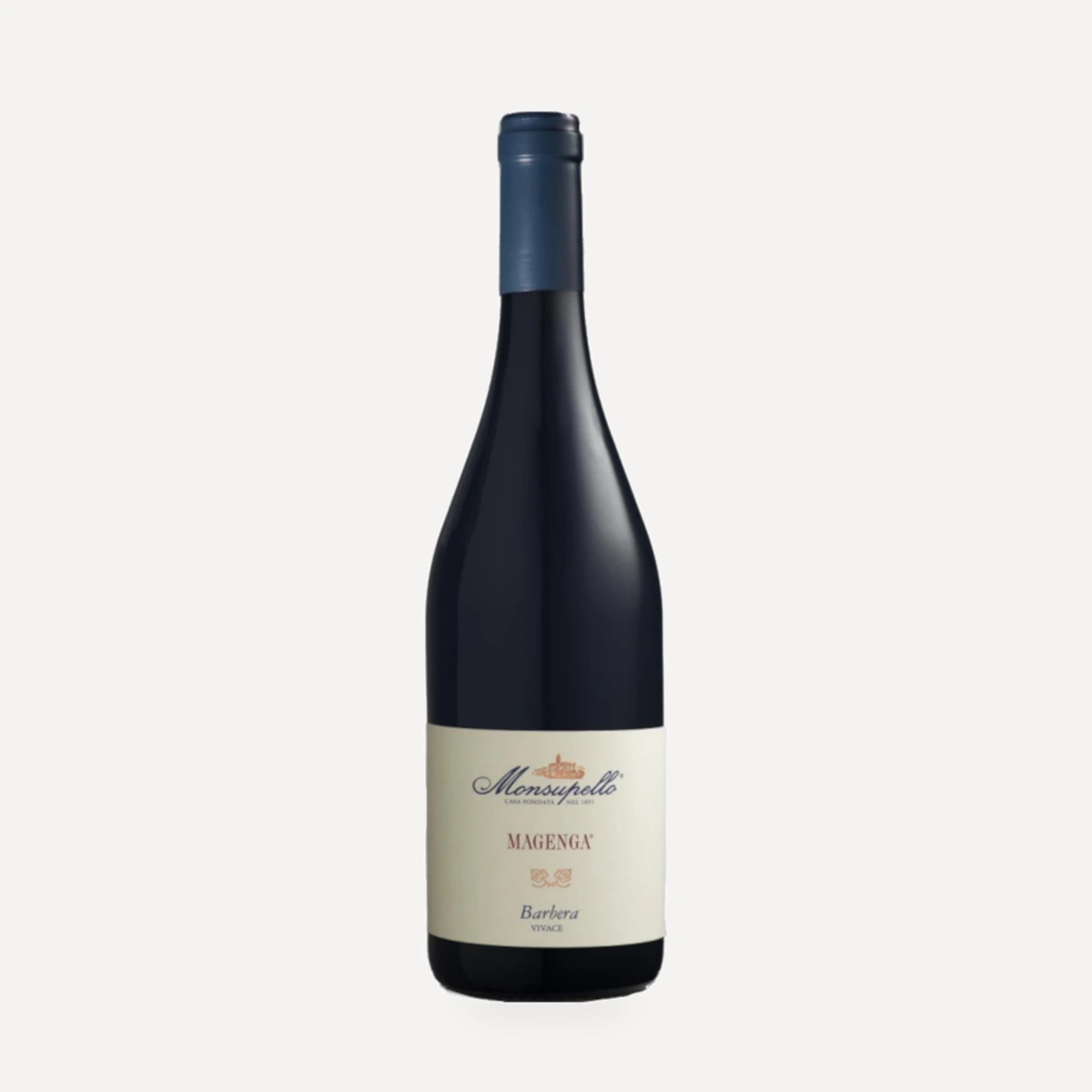
Magenga
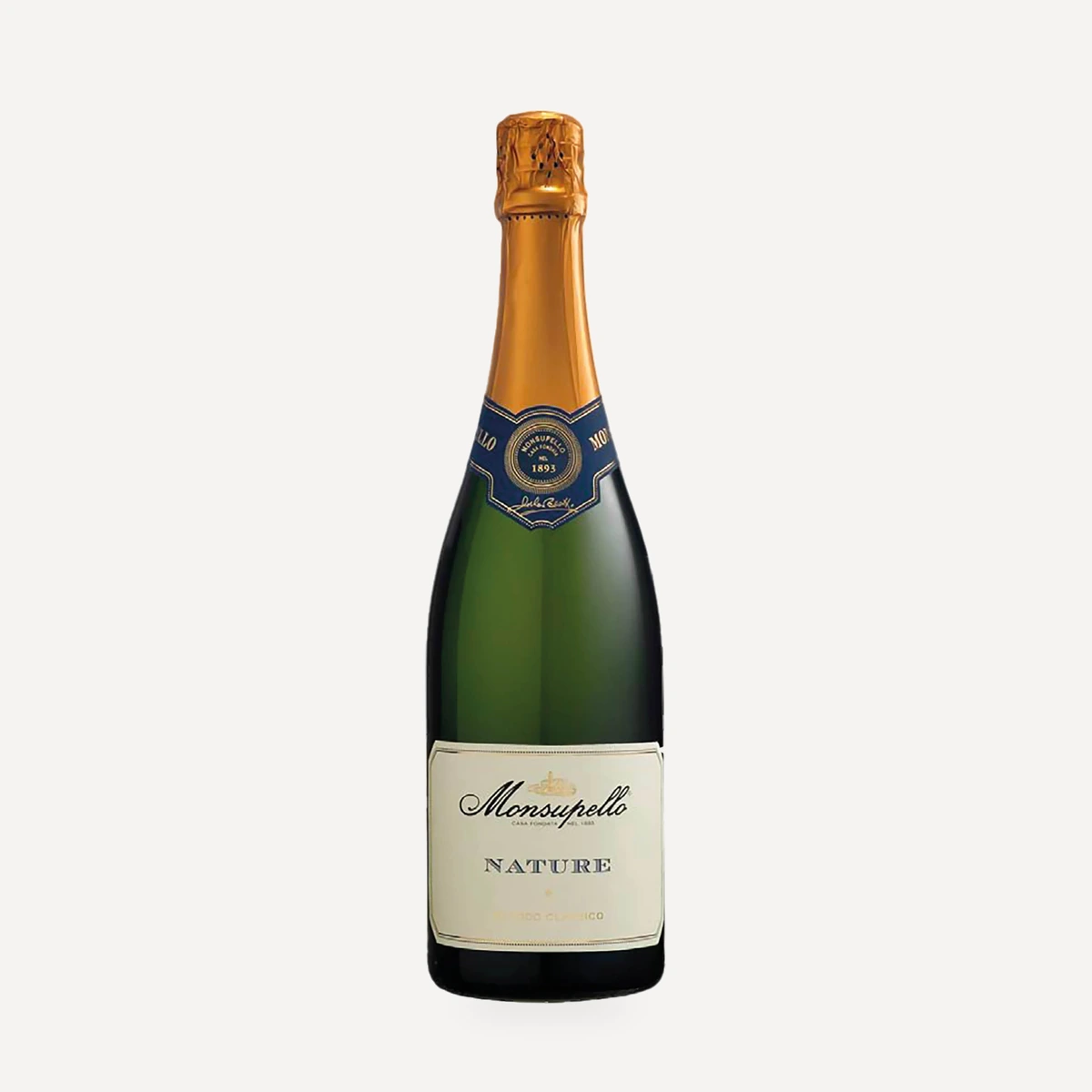
Nature
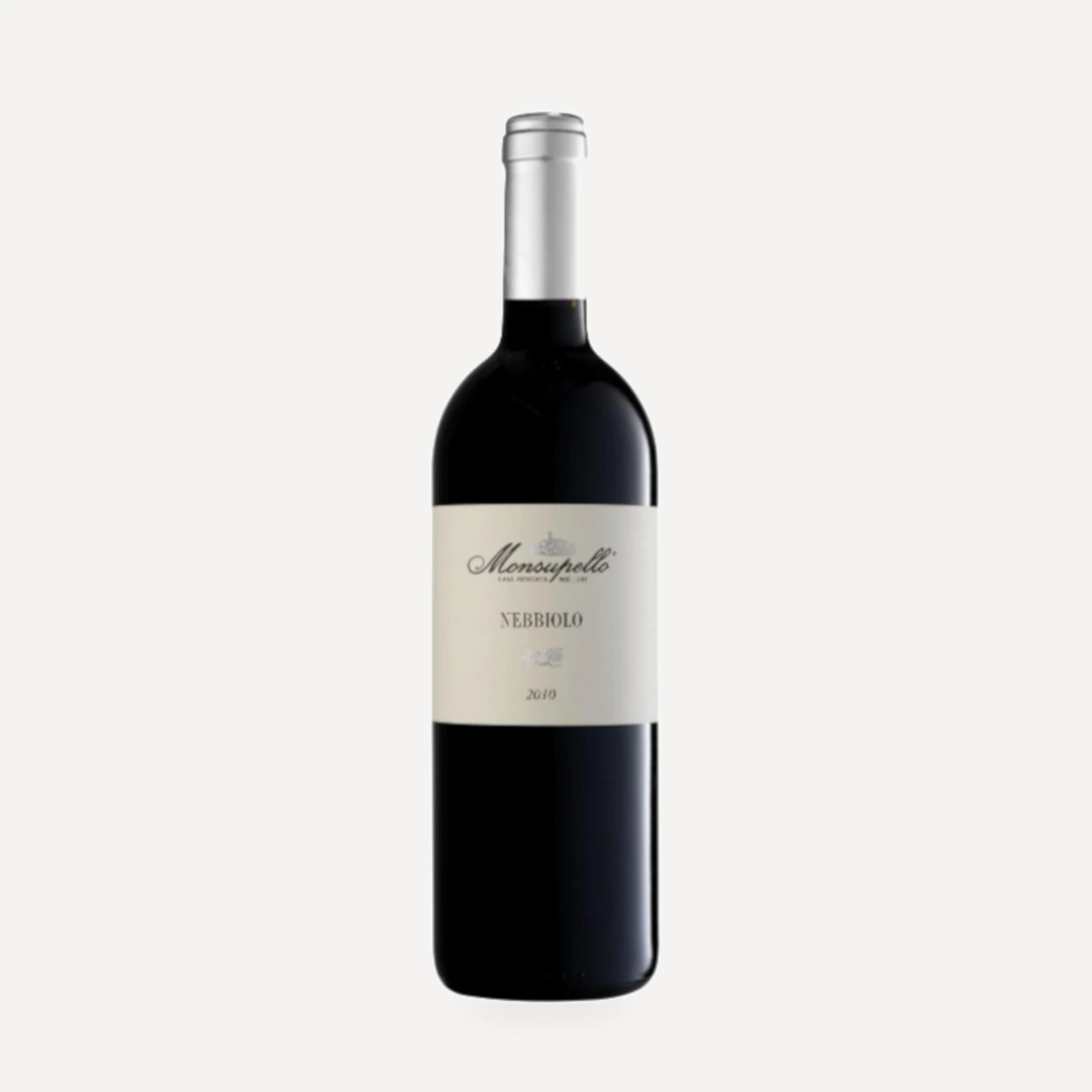
Nebbiolo
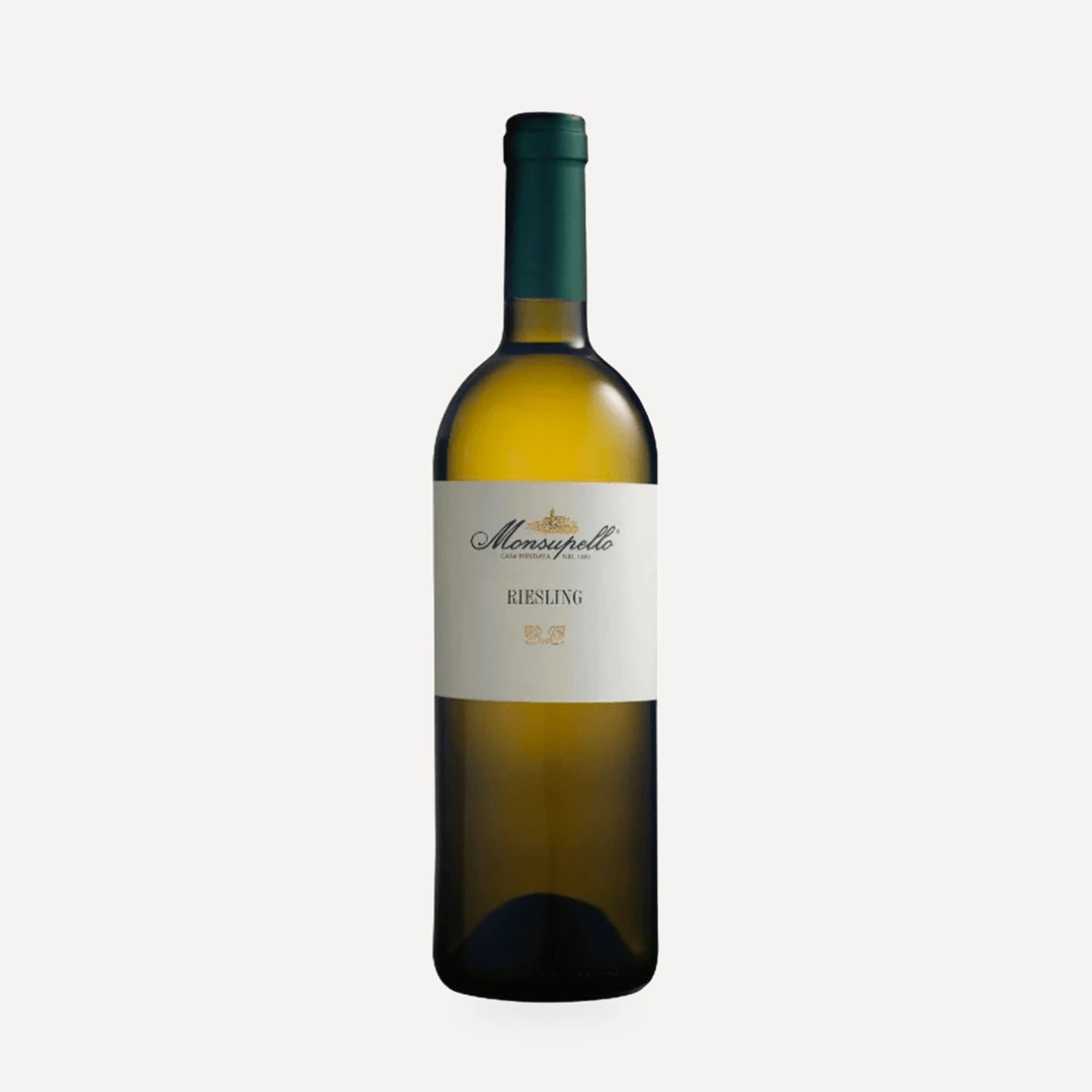
Riesling (Renano)
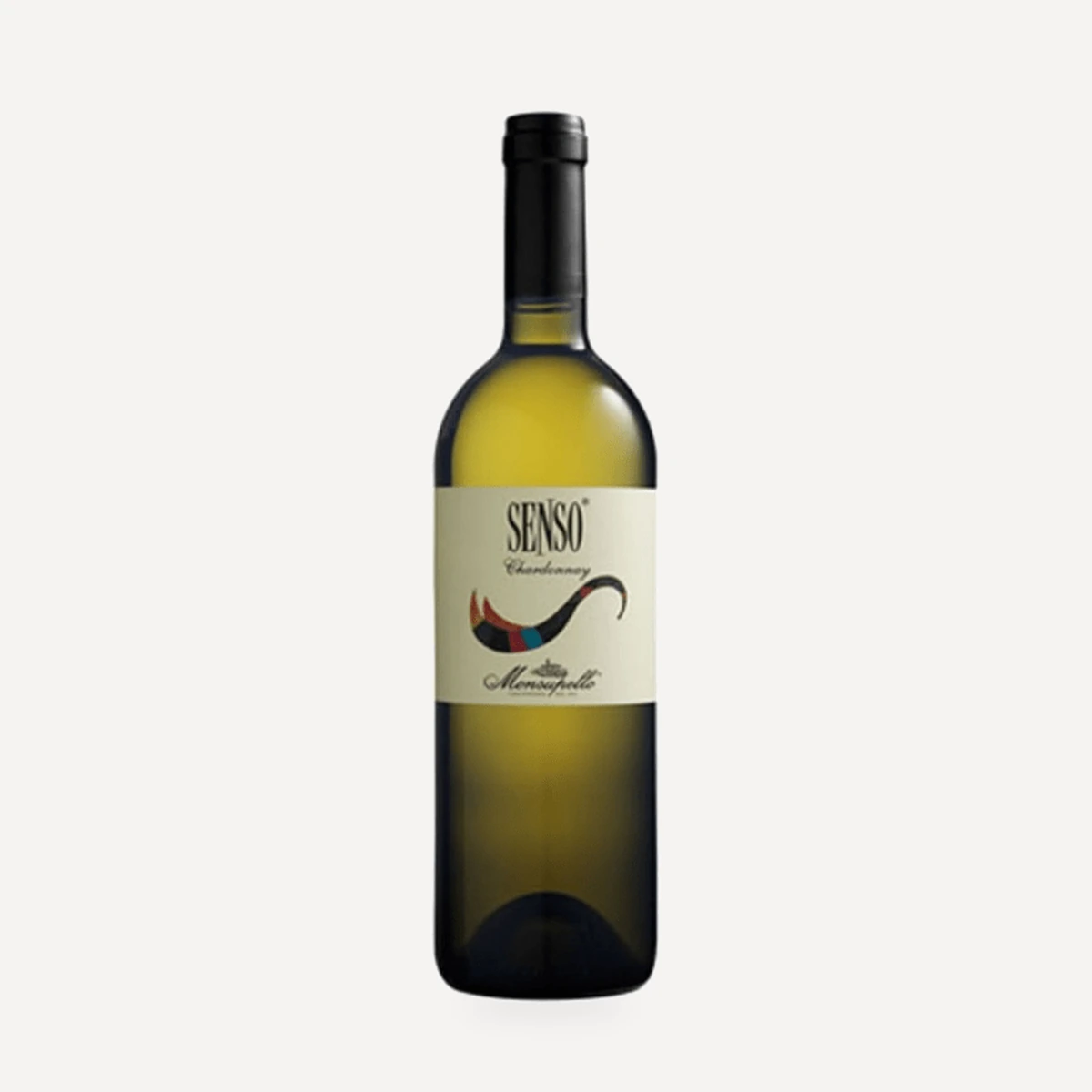
Senso
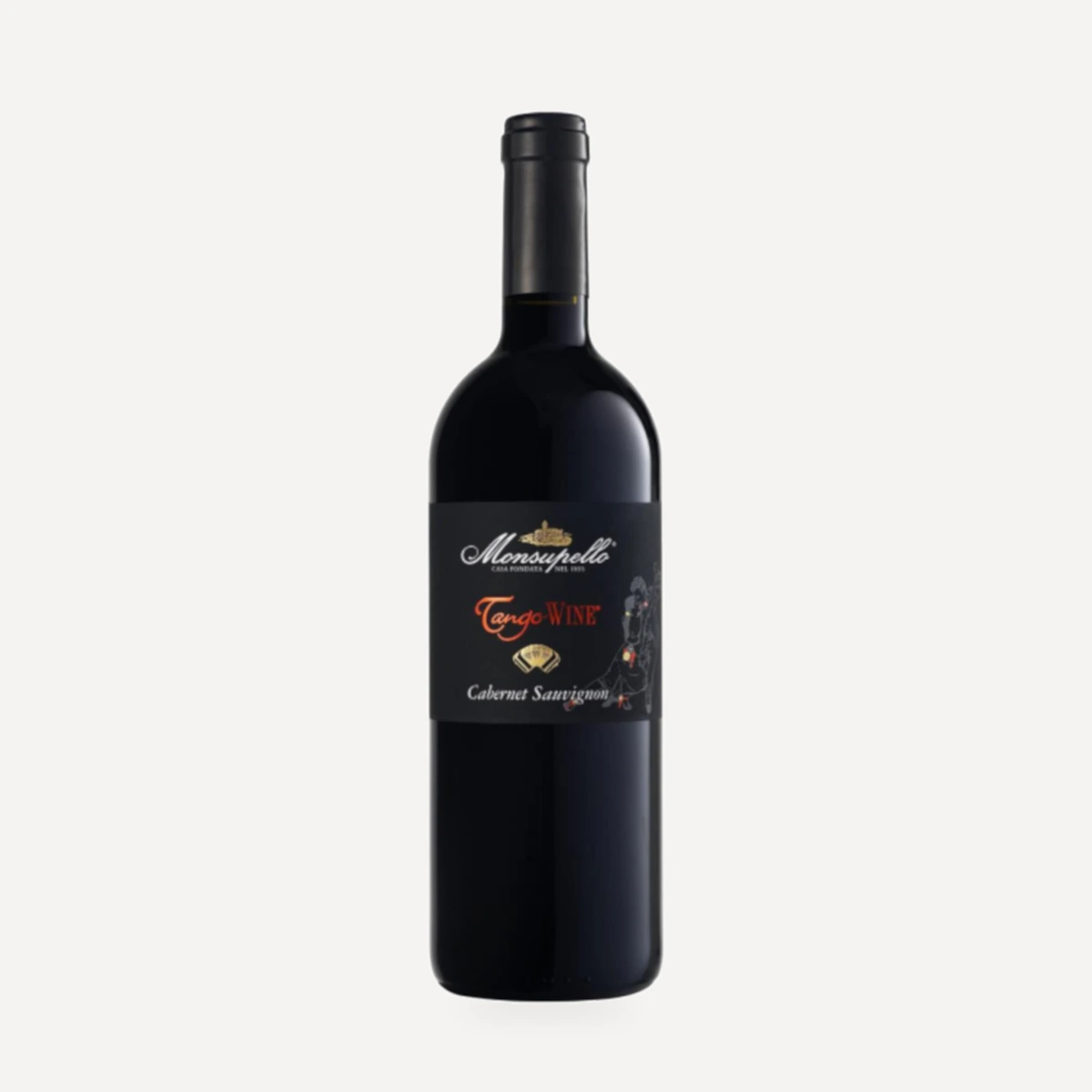
Tango Wine