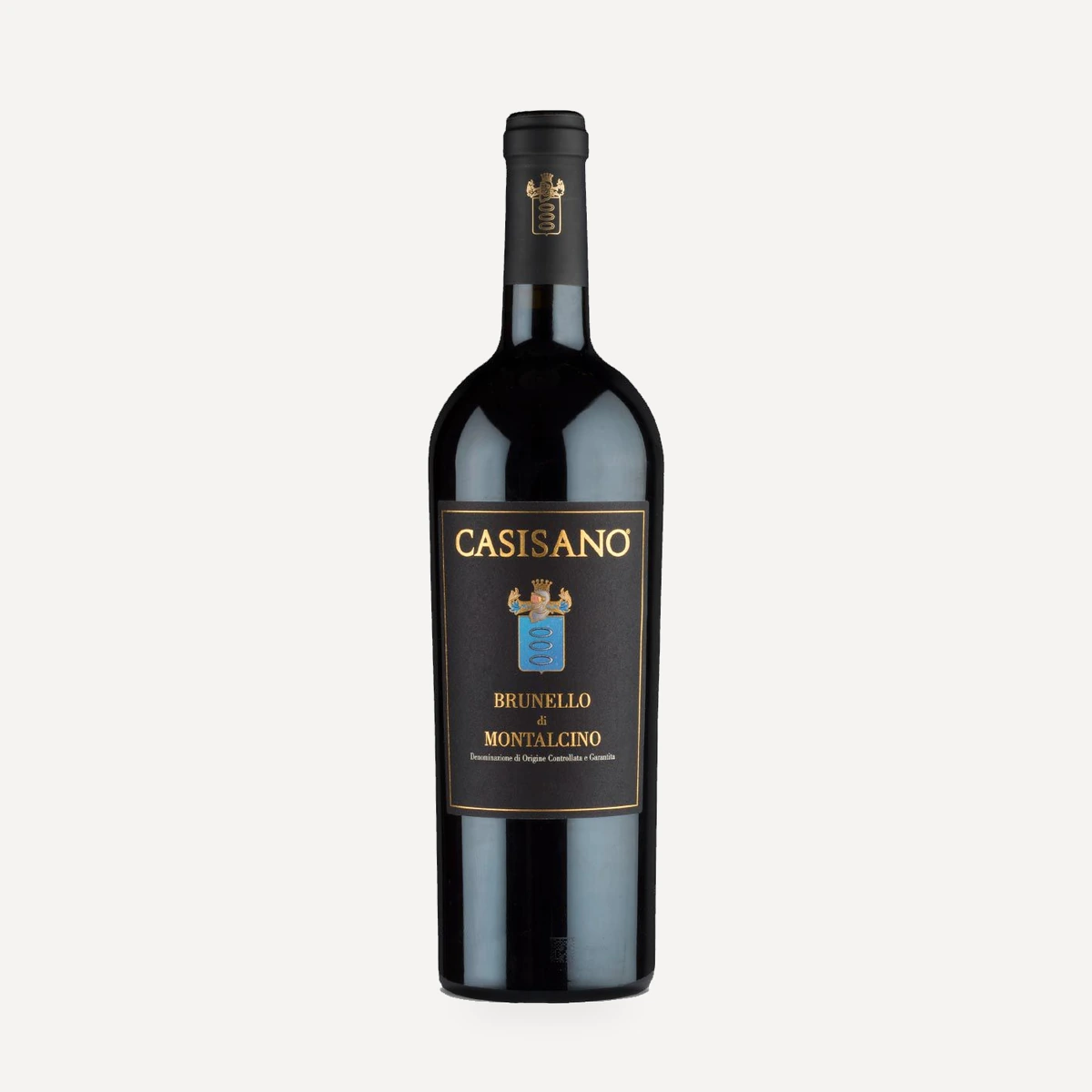
Questo vino
Vineyard and terroir
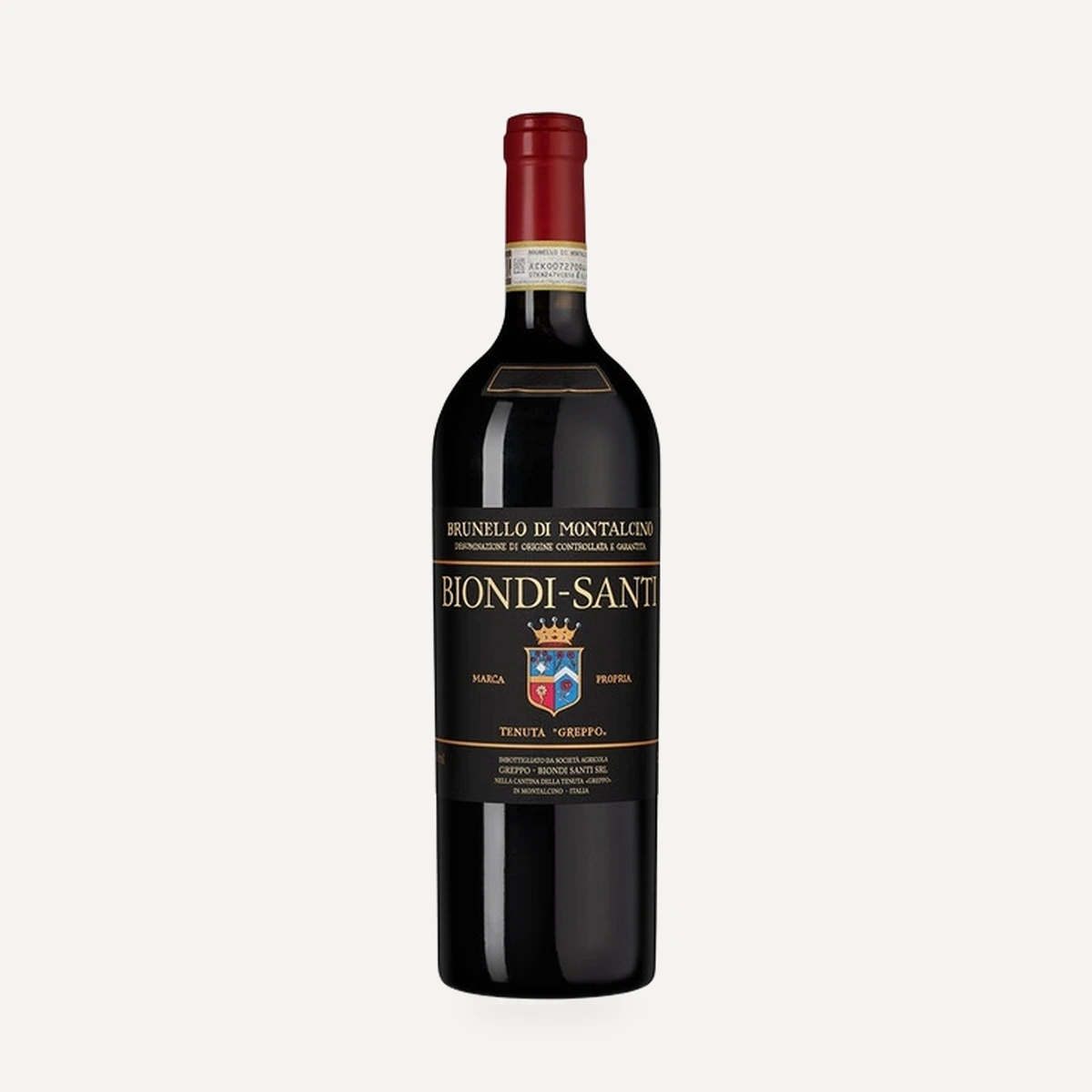
This Brunello draws on the estate’s oldest vineyards, planted between 1990 and 2000 at 450 metres above sea level. The sites face south-east, south and south-west and have calcium- and clay-rich soils. Vines are trained to spurred cordon at densities of 4,000–7,000 plants per hectare, with a stated yield of 34 hl/ha.
Grapes
100% Sangiovese.
Vinification
For 2020, the grapes were hand-picked into small 17 kg crates on 24 and 25 September. Careful berry selection preceded gentle crushing. Fermentation took place in concrete tanks for 20–22 days at 28–30°C. The vintage account also records maceration lasting more than a month. Malolactic fermentation was completed in oak barrels.
Ageing
Thirty months in 10, 20 and 40 hl oak barrels, followed by at least six months in bottle before release.
Technical data
For the 2020 vintage: 14.72% alcohol, 6.39 g/L total acidity, pH 3.45, 0.30 g/L residual sugar and 31.2 g/L dry extract.
Tasting profile
Deep, clear and bright ruby red with garnet reflections. Violet and small red berries lead the nose, followed by woodland-floor notes, aromatic wood, light vanilla and mixed-fruit preserve, with subtle coffee tones adding breadth, persistence and an ethereal quality. The palate is warm, dense and full-bodied. The finish is long, with well-defined tannins. The wine is suited to extended ageing and gains complexity with bottle maturation.
Serving and pairing
Serve at 18–20°C in a generously proportioned glass and open approximately two hours beforehand. Pair with structured dishes, red meats, feathered or furred game, including preparations with mushrooms or truffles. Mature tome cheeses, Parmigiano Reggiano and Pecorino Toscano are also recommended.
Vintage notes
A mild, dry winter prompted early budbreak in 2020. A spring cold return, including April snowfall, briefly slowed growth before vigorous flowering. The warm, dry summer limited vegetative growth without causing evident stress, while late-August diurnal temperature variation helped balance sugar and acidity. The grapes harvested on 24 and 25 September combined concentration with finesse. Prolonged maceration of more than one month contributed to the vintage’s evolutionary potential. Stable, warm conditions enabled Sangiovese to ripen without excessive concentration, supporting both early drinkability and ageing capacity.